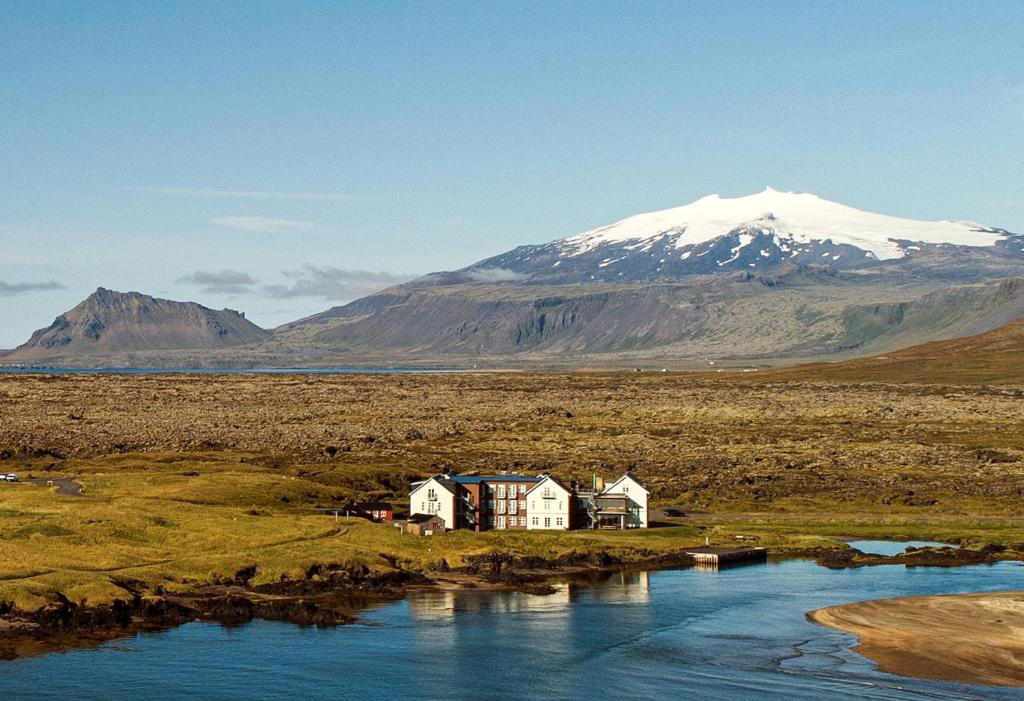
A remote hotel bar and lounge in Búðir asks for a different reading than Reykjavík’s cocktail rooms: slower, quieter, and tied to the west Iceland setting rather than metropolitan theatre. With public details on awards, pricing, and bartender credits unavailable, its appeal is best understood through place, pacing, and the role a lounge plays in a rural Iceland itinerary.

Pearl is the En Primeur Club membership app, where members save venues, book tables and use the concierge.
First, the room and the weather
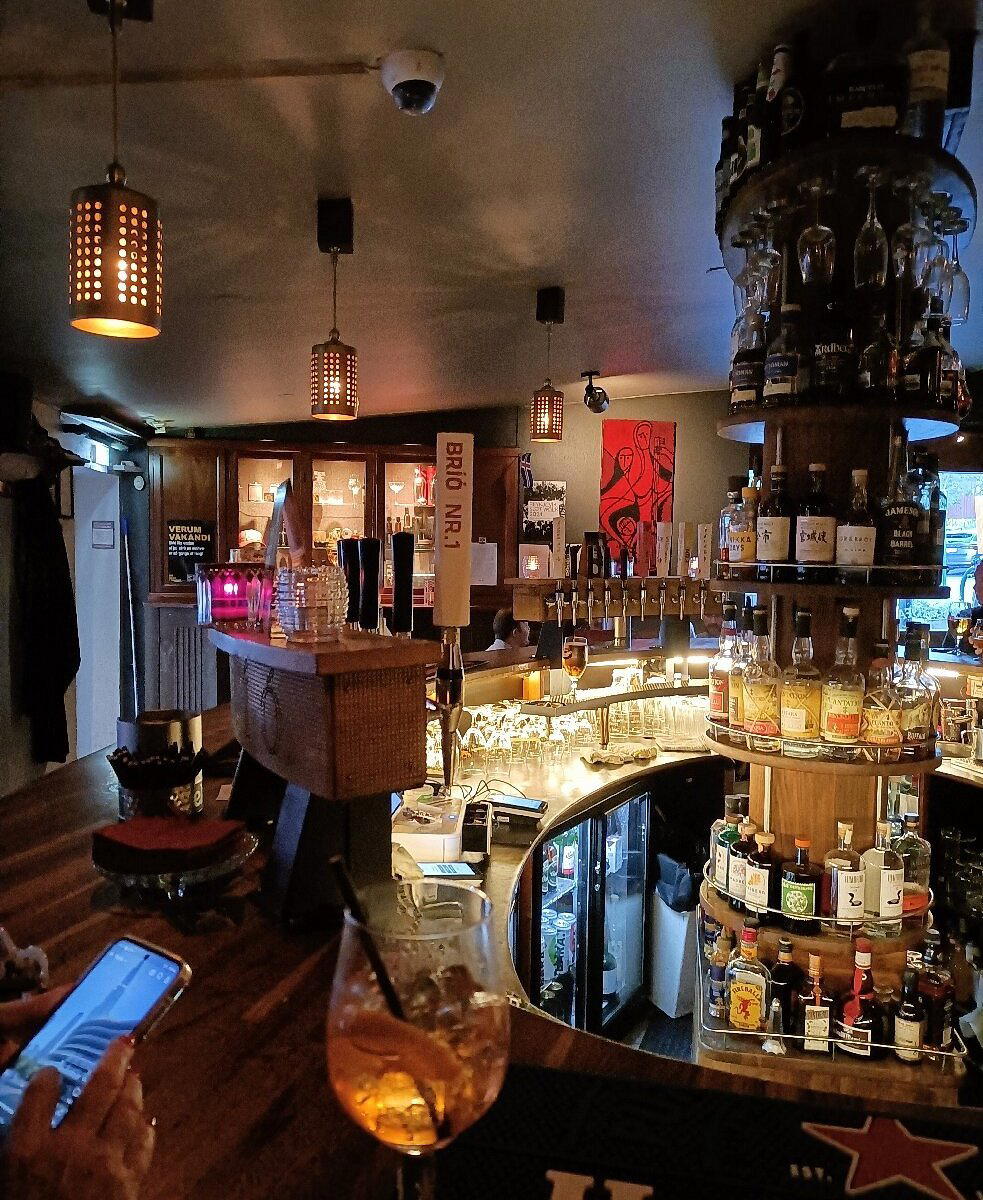
Approaching Búðir, the mood is set before a glass reaches the table. This is west Iceland at a lower register: open ground, changing light, and the kind of coastal weather that makes a lounge feel less like an add-on and more like part of the journey. Bar og setustofa occupies the bar and lounge area at Búðir 356, 356 Búðir, Iceland, a setting where the drinking experience is shaped as much by distance and silence as by any formal cocktail list. In a city bar, the programme often announces itself through technique, glassware, and a named bartender. Here, the first editorial point is different: the bar belongs to a rural hospitality rhythm, where arrival, pause, and shelter matter.
That distinction matters for travellers comparing Icelandic drinking culture beyond Reykjavík. The capital’s cocktail scene has grown around late-night movement, compact bar-hopping, and a young audience that understands the difference between a clarified serve, a highball programme, and a tequila-led party room. Búðir does not operate on that grid. A lounge in this setting functions as a threshold between landscape and dinner, between a drive and a night indoors. The creative vision, if read cautiously from the available record, is less about publicly documented bartender authorship than about how a bar behaves inside a remote hotel environment. The room has to carry aperitif, nightcap, conversation, and weather delay without the benefit of urban spillover.
For a broader map of the area, EP Club’s city pages place this address beside other categories rather than isolating it as a single stop: see the full Bu Ir restaurants guide, the full Bu Ir hotels guide, and the full Bu Ir bars guide. Those comparisons are useful because a rural Icelandic lounge is not judged by the same measures as a high-volume city cocktail bar. The question is not how many drinks appear on the menu or how loudly the room performs. The question is whether the bar supports the pace of the place.
The cocktail programme, read through restraint
That absence should not be dressed up as mystery. It simply changes the kind of criticism available. A cocktail programme can be documented through recipes and accolades, or it can be understood through format: where it sits, who it serves, and how much structure it needs. Bar og setustofa sits in the latter category based on the confirmed data. It is a bar and lounge area, not a freestanding cocktail laboratory with published credentials.
For readers building an Iceland-wide drinking itinerary, the contrast with city addresses sharpens the point. Pablo Discobar in Reykjavík belongs to a capital-city nightlife conversation, while Kramber in Iceland and Prýði in Vestmannaeyjabær point to a wider national spread of bar formats. Náttúrufræðistofnun in Gar Ab R, Götubarinn in Akureyri, and Gott restaurant in Vestmannaeyjar show how Icelandic bars often borrow from restaurants, hotels, clubs, and local meeting places rather than fitting a single cocktail-bar template. Seen against that field, the Búðir lounge reads as a pause rather than a performance.
Why the setting changes the drink
Good cocktail criticism usually begins with the glass, but remote bars ask for a wider frame. A bar in Búðir has to absorb the realities of Icelandic travel: long distances between settlements, variable weather, and itineraries that often combine landscape, photography, walking, and hotel dining into one day. In that context, the bar’s value is partly logistical. It gives the evening a centre of gravity without asking the guest to move again. This is especially relevant in a country where a drinking plan outside major towns cannot rely on dense clusters of venues.
The address itself is a useful signal. Búðir 356 places the bar within a specific west Iceland setting rather than a commercial street. That means the guest should think in advance about timing rather than assume spontaneous city habits will translate. This is not a warning; it is simply how rural hospitality works when public operational data is limited.
Seasonality also changes the reading, even without a confirmed seasonal schedule for the venue. Iceland’s travel year alters the mood of bars dramatically. Long summer light encourages slower, later movement and makes a lounge feel like a continuation of the landscape. Darker months pull the room inward; the bar becomes a warmer social space rather than a staging point for further exploration. The broader travel pattern is clear enough: the same drink at the same address will feel different depending on light, weather, and the day’s route.
How it compares with Iceland's city bars
The cleanest comparison is not between individual cocktails but between operating models. Reykjavík can sustain specialization because volume and foot traffic allow it: a bar can lean into agave, disco, natural wine, or technical mixology and still find an audience. A rural lounge has a narrower obligation and a broader one at the same time. It serves fewer passing drinkers, yet it must satisfy more occasions: arrival drink, pre-dinner glass, quiet reading hour, late conversation, and weather refuge. That format rewards balance more than novelty.
It should not be measured against metropolitan bars that publish bartender awards, international rankings, or elaborate drink menus. Rather than invent prestige, the more honest critical stance is to place it among remote hotel lounges where restraint, setting, and reliability carry the experience. In that category, the absence of public spectacle can be a feature if the room supports the trip with clarity.
The comparison also helps international readers. A visitor used to New York, London, or Miami cocktail culture may expect a named bar lead, online menus, reservation slots, and a taxonomy of house serves. Café La Trova in Miami, for instance, belongs to a different urban tradition built around music, bartending theatre, and a dense city audience. Búðir operates under another logic. The bar is not trying to win a nightlife circuit; it is part of the architecture of staying somewhere remote. That shift in expectation is essential.
Food, wine, and the wider itinerary
The venue data does not specify cuisine type, chef name, signature dishes, or a wine programme, so the page should not pretend otherwise. Still, travellers rarely encounter a hotel lounge in isolation. The practical question is how it fits around dinner, lodging, and day planning. In a rural Icelandic setting, the bar is often the hinge between categories. It may precede a restaurant booking, follow a drive, or provide the social centre of the hotel after the weather closes in. The drink is part of a sequence rather than a standalone pilgrimage.
That is why cross-category planning matters in Búðir. The full Bu Ir wineries guide may seem less immediately relevant in Iceland than in a classic wine region, but it helps frame beverage expectations across EP Club’s taxonomy. The full Bu Ir experiences guide is more directly useful for understanding how a bar stop fits around the region’s non-dining rhythms. A lounge in this setting gains meaning when placed beside the day’s outdoor plans, the hotel stay, and the timing of dinner rather than treated as a separate nightlife mission.
Price is another area where restraint is required. Iceland is not a low-cost drinking destination in general, but that broad context should not be converted into a venue-specific claim. Travellers should expect to check current pricing directly rather than rely on assumptions. The absence of listed awards also matters. The trust signal here is not a trophy; it is the verified address and category, plus the contextual fit inside a remote hospitality setting.
Planning a visit without overcomplicating it
The confirmed address is Búðir 356, 356 Búðir, Iceland, in the bar and lounge area. That does not make the venue inaccessible; it means planning should be handled through current local confirmation rather than fixed assumptions. In practice, treat the lounge as a setting to fold into a Búðir stay or dining plan, not as a late-night detour copied from a city itinerary. If the evening depends on a specific drink, time, or table, verify details before travelling.
Dress expectations should also be read through context. Rural Iceland tends to reward practicality, especially when weather shapes movement between car, hotel, and dining room. Smart-casual travel clothing is a safer editorial assumption than nightlife dressing, but the exact requirement should not be overstated. The point is comfort and appropriateness for the setting, not performance.
For timing, the soundest approach is to use the bar as an early-evening anchor or a post-dinner lounge rather than a high-energy final stop. That recommendation comes from format, not from undisclosed hours. A remote lounge works well when the day has already done the work: the drive, the landscape, the meal, the conversation. The bar then becomes the place where the itinerary slows down. That is its strength.
Continue exploring