Azure Beach Club
Yapak and the Northern Shore's Approach to Beach Drinking Boracay's drinking culture divides sharply along its geography. The stretch from Station 1 down through Station 3 carries the island's reputation for volume and spectacle: fire dancers, bucket drinks, tables pushed to the waterline. Yapak, at the northern tip, operates under different logic. The crowd thins, the bars face a wider, less trafficked sweep of coast, and the format tilts toward venues that hold you for a sunset rather than hand you off to the next playlist. Azure Beach Club sits on that beachfront in Yapak, operating in the category of beach clubs that treat the cocktail program as the anchor of the experience rather than an afterthought to the view. That positioning matters in the Philippines, where beach bar culture has matured considerably over the past decade. Manila's bar scene — built around technically precise programs at places like The Back Room in Manila and Fat Cat in Makati — has pushed expectations upward for what a cocktail in a tropical setting should deliver. The spillover into resort destinations like Boracay is visible: travelers arriving from Manila carry those expectations with them, and venues in the higher tier of beach clubs have responded accordingly. The Cocktail Framework in a Tropical Context The logic of cocktail-making in a beachfront environment operates under specific constraints and advantages that mainland bar programs don't share. The heat compresses ice melt timescales, which changes dilution curves. Salt air and outdoor humidity affect perception of sweetness and bitterness. The local ingredient palette, calamansi, pandan, coconut vinegar, fresh tamarind, dayap lime, represents among the more versatile in Southeast Asia and is largely underused by beach bars that default to imported syrups and standard citrus. Across the better beach clubs in the Philippines and comparable tropical markets, the programs that hold up over time are the ones that work with rather than against those conditions. Shorter, colder, higher-proof builds tend to read better outdoors in heat than long, complex stirs. Citrus-forward structures, particularly those using calamansi or dayap, hold their line against the sensory flattening that open-air drinking can create. Venues in beach destinations from Boracay to Koh Samui to the Maldives that have developed recognizable cocktail identities share that orientation: they've edited their programs down to formats that survive the environment. For context on how tropical ingredient intelligence translates to a properly resourced urban program, the work at Bar Leather Apron in Honolulu provides one of the cleaner reference points in the Pacific. International comparison reinforces this pattern. Programs at Café La Trova in Miami demonstrate how a venue anchored to a specific cultural and climatic context can build a cocktail identity that outlasts the setting. Jewel of the South in New Orleans operates on similar logic: a well-defined sense of place channeled into the glass. Beach club programs that achieve that level of coherence are not common, but they exist, and they represent the standard that the better Boracay venues are being measured against by travelers who move between these markets. Atmosphere and the Yapak Register Approaching the northern end of the island, the scale changes. The path to Yapak's beachfront venues runs past forest cover that the southern stations gave up long ago to resort development, and the ocean facing this stretch is calmer, with less churn from boat traffic. The light quality in the late afternoon here, angled, less saturated than the Station 1 sunsets that get photographed more often, suits the pace of a venue that wants to hold guests through the transition from afternoon to evening rather than accelerate them into the night. Beach club formats in this part of Boracay generally run on a daybeds-and-service model, where the social architecture is horizontal rather than the bar-stool verticality of a traditional cocktail bar. That changes how a drinks program functions: cocktails here need to work in a consumption pattern that's more leisurely and less intentional than a bar counter setting. The programs that manage this well offer a clear range, something sessionable in the low-ABV register, something built for the golden-hour moment, something that rewards the guest who actually wants to engage with what's in the glass. The Yapak venues that have held their footing over multiple seasons tend to have figured out that ratio. Boracay in the Broader Philippine Beach Club Context Boracay occupies a specific position in the Philippine travel market: it carries international recognition that Palawan and Siargao are still building toward, but it operates under the constraints of an island that closed entirely in 2018 for a government-mandated rehabilitation and reopened with tighter environmental controls. That closure reset the competitive field somewhat. Venues that survived or opened post-rehabilitation are operating in a more regulated environment, which has effects on development density, beach access, and the general physical character of the shoreline. For travelers calibrating Boracay against comparable beach destinations in Southeast Asia, the post-2018 island reads differently than the pre-closure version. The northern stretch around Yapak has benefited disproportionately from that reset: the environmental controls hit hardest in the already-dense southern zones, while Yapak retained more of the spatial quality that made the island worth visiting in the first place. Our full Boracay restaurants guide maps the current field across the island's distinct zones. For comparison across the Philippine bar and lounge circuit more broadly, the formats at Southbank Cafe + Lounge in Muntinlupa City and Raion in San Juan represent the urban end of the spectrum, programs with more controlled environments and year-round consistency. A venue like Azure, operating in an outdoor coastal format, is solving a different set of problems, and the comparison is useful precisely because it clarifies what the beach club format requires that an urban lounge does not. Planning a Visit Yapak sits at the northern end of Boracay, roughly a 15- to 20-minute tricycle ride from the main Cagban jetty port where ferries from Caticlan arrive. Boracay's peak season runs from November through May, when northeast monsoon conditions keep the west coast calm; the shoulder months of October and June can offer lower hotel rates with acceptable weather windows, though the Habagat (southwest monsoon) from July through September brings rougher seas to the west-facing beach. For a beach club, that seasonality is directly relevant to the experience. Arrival by mid-afternoon allows for the full arc from daytime access through sunset service, which is the format these venues are designed around. Practical current details on hours and reservation requirements are best confirmed directly or through the island's hotel concierge network, as Boracay's beach clubs adjust their schedules seasonally. Frequently Asked Questions What's the vibe at Azure Beach Club?Azure sits on Boracay's quieter northern strip in Yapak, where the beach is less trafficked than the main station zones. The atmosphere leans toward relaxed afternoon and sunset sessions rather than the high-volume nightlife format of the southern beach clubs. Boracay's post-2018 rehabilitation tightened development in the island's busier zones, which has reinforced Yapak's relative calm.What cocktail do people recommend at Azure Beach Club?In general, the beach clubs along Yapak's beachfront that hold a following do so through cocktails built around local tropical ingredients, calamansi, coconut, pandan, formats that work in the outdoor heat rather than against it. For technically precise cocktail programs in the Philippines, the urban bar scene at venues like The Back Room in Manila sets the regional benchmark.What is Azure Beach Club known for?Azure Beach Club's address on the Yapak beachfront positions it in Boracay's quieter northern tier, away from the concentration of party venues in the station zones. That geography is itself the main draw: a beachfront setting with more space and less noise than the island's more trafficked stretches. For a full picture of the island's dining and drinking options across zones, see our Boracay restaurants and bars guide.What's the ideal way to book the bar?For Boracay beach clubs generally, direct inquiry through the island's hotel concierge network or walk-in during shoulder hours (early afternoon) is the standard approach. Peak season from November through May sees higher demand across Yapak venues, so advance contact is advisable if you're visiting during those months.How does the bar's location in Yapak compare to Boracay's main beach station areas for a day visit?Yapak sits outside the main Station 1-3 corridor, which means less foot traffic, more beach space, and a different pace of service than the densely developed southern zones. The trade-off is distance: it's a longer tricycle ride from the jetty port and further from the island's central accommodation cluster. For travelers based in the Station 1 area, Yapak functions as a deliberate half-day excursion rather than a casual walk-up. Visitors specifically seeking a quieter coastal setting with more room and less ambient noise from other venues tend to find the distance worthwhile. For broader context on how to structure time across the island, our Boracay guide covers the full geographic range.
Pearl is the En Primeur Club membership app — saves, bookings, and concierge access live there. Same editors, same standards.
- Address
- Yapak, Boracay, 5608 Aklan, Philippines (beachfront)
- Directions
- Get directions
 Saves & bookings on Pearl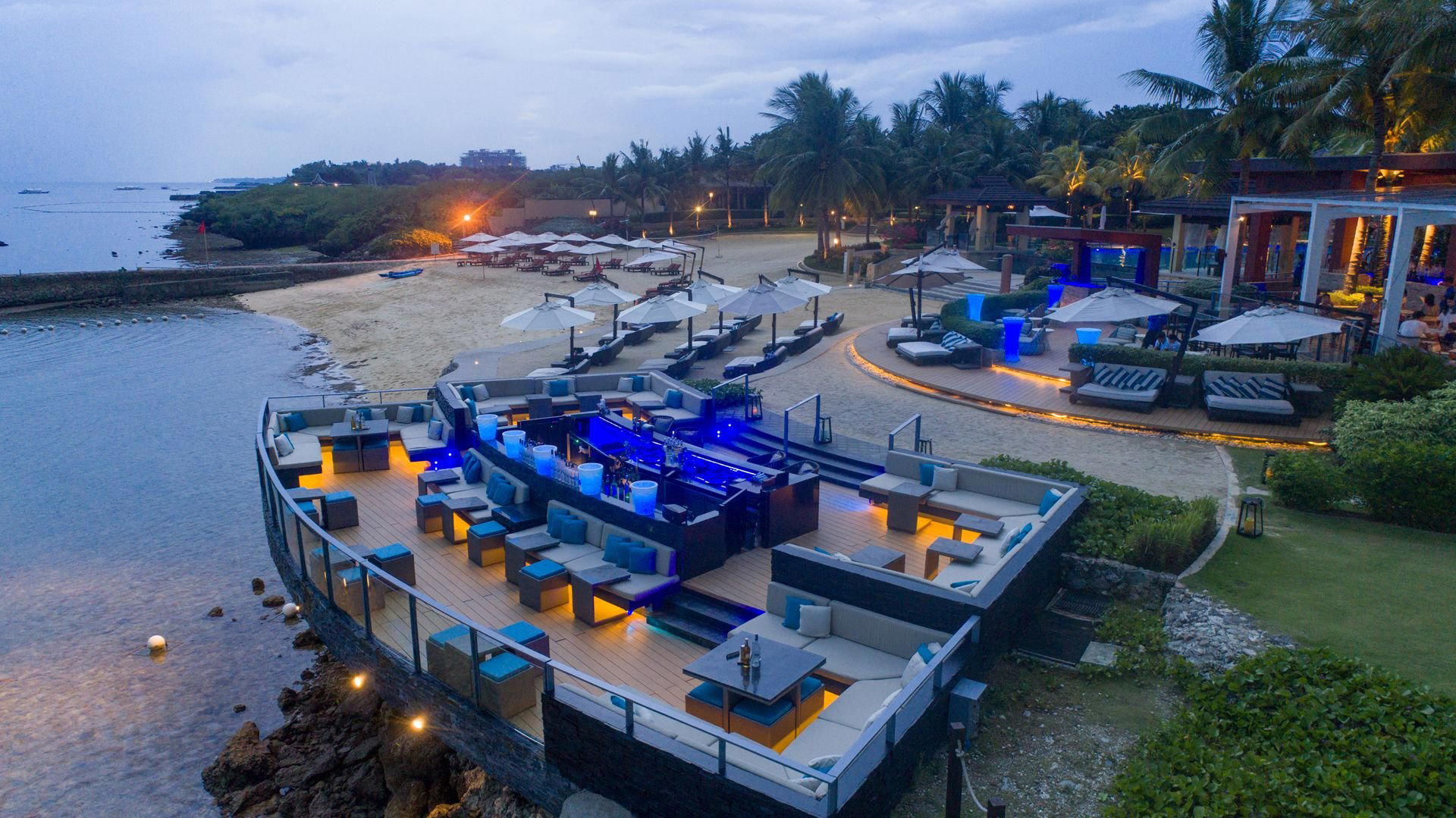
Yapak and the Northern Shore's Approach to Beach Drinking
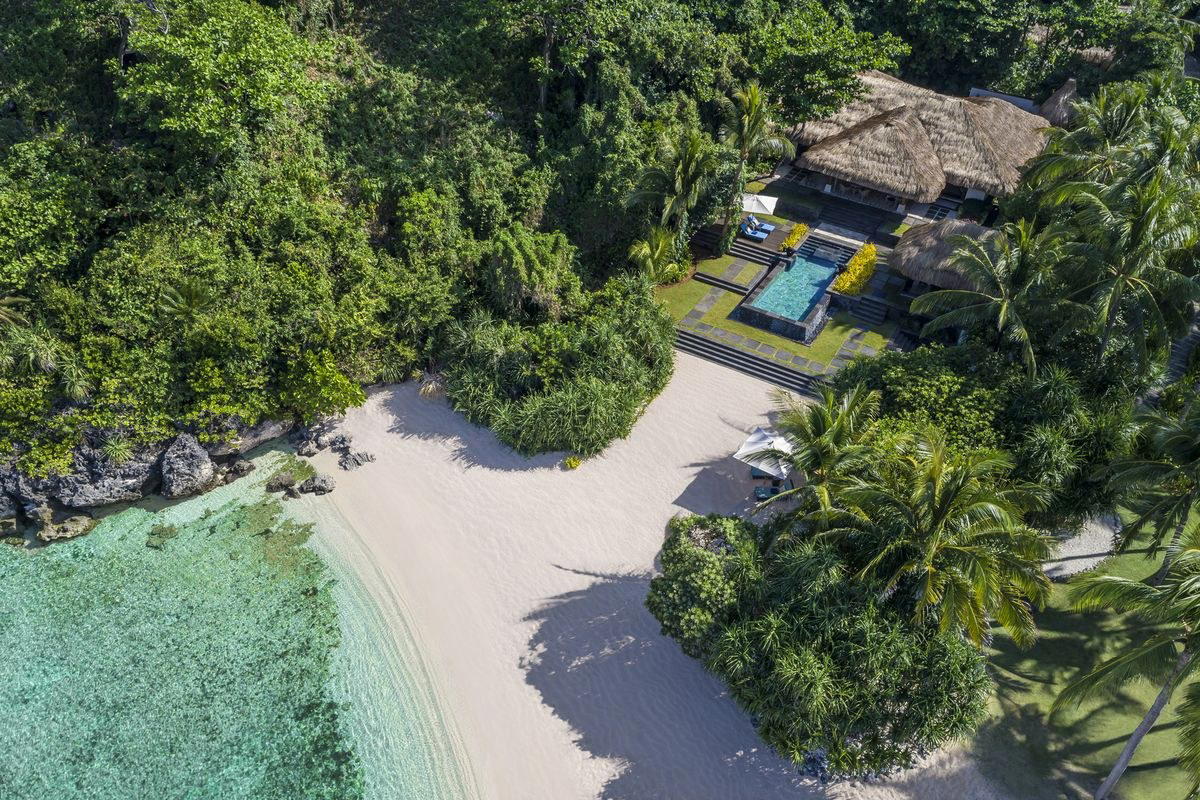
Boracay's drinking culture divides sharply along its geography. The stretch from Station 1 down through Station 3 carries the island's reputation for volume and spectacle: fire dancers, bucket drinks, tables pushed to the waterline. Yapak, at the northern tip, operates under different logic. The crowd thins, the bars face a wider, less trafficked sweep of coast, and the format tilts toward venues that hold you for a sunset rather than hand you off to the next playlist. Azure Beach Club sits on that beachfront in Yapak, operating in the category of beach clubs that treat the cocktail program as the anchor of the experience rather than an afterthought to the view.
That positioning matters in the Philippines, where beach bar culture has matured considerably over the past decade. Manila's bar scene — built around technically precise programs at places like The Back Room in Manila and Fat Cat in Makati — has pushed expectations upward for what a cocktail in a tropical setting should deliver. The spillover into resort destinations like Boracay is visible: travelers arriving from Manila carry those expectations with them, and venues in the higher tier of beach clubs have responded accordingly.
The Cocktail Framework in a Tropical Context
The logic of cocktail-making in a beachfront environment operates under specific constraints and advantages that mainland bar programs don't share. The heat compresses ice melt timescales, which changes dilution curves. Salt air and outdoor humidity affect perception of sweetness and bitterness. The local ingredient palette, calamansi, pandan, coconut vinegar, fresh tamarind, dayap lime, represents among the more versatile in Southeast Asia and is largely underused by beach bars that default to imported syrups and standard citrus.
Across the better beach clubs in the Philippines and comparable tropical markets, the programs that hold up over time are the ones that work with rather than against those conditions. Shorter, colder, higher-proof builds tend to read better outdoors in heat than long, complex stirs. Citrus-forward structures, particularly those using calamansi or dayap, hold their line against the sensory flattening that open-air drinking can create. Venues in beach destinations from Boracay to Koh Samui to the Maldives that have developed recognizable cocktail identities share that orientation: they've edited their programs down to formats that survive the environment. For context on how tropical ingredient intelligence translates to a properly resourced urban program, the work at Bar Leather Apron in Honolulu provides one of the cleaner reference points in the Pacific.
International comparison reinforces this pattern. Programs at Café La Trova in Miami demonstrate how a venue anchored to a specific cultural and climatic context can build a cocktail identity that outlasts the setting. Jewel of the South in New Orleans operates on similar logic: a well-defined sense of place channeled into the glass. Beach club programs that achieve that level of coherence are not common, but they exist, and they represent the standard that the better Boracay venues are being measured against by travelers who move between these markets.
Atmosphere and the Yapak Register
Approaching the northern end of the island, the scale changes. The path to Yapak's beachfront venues runs past forest cover that the southern stations gave up long ago to resort development, and the ocean facing this stretch is calmer, with less churn from boat traffic. The light quality in the late afternoon here, angled, less saturated than the Station 1 sunsets that get photographed more often, suits the pace of a venue that wants to hold guests through the transition from afternoon to evening rather than accelerate them into the night.
Beach club formats in this part of Boracay generally run on a daybeds-and-service model, where the social architecture is horizontal rather than the bar-stool verticality of a traditional cocktail bar. That changes how a drinks program functions: cocktails here need to work in a consumption pattern that's more leisurely and less intentional than a bar counter setting. The programs that manage this well offer a clear range, something sessionable in the low-ABV register, something built for the golden-hour moment, something that rewards the guest who actually wants to engage with what's in the glass. The Yapak venues that have held their footing over multiple seasons tend to have figured out that ratio.
Boracay in the Broader Philippine Beach Club Context
Boracay occupies a specific position in the Philippine travel market: it carries international recognition that Palawan and Siargao are still building toward, but it operates under the constraints of an island that closed entirely in 2018 for a government-mandated rehabilitation and reopened with tighter environmental controls. That closure reset the competitive field somewhat. Venues that survived or opened post-rehabilitation are operating in a more regulated environment, which has effects on development density, beach access, and the general physical character of the shoreline.
For travelers calibrating Boracay against comparable beach destinations in Southeast Asia, the post-2018 island reads differently than the pre-closure version. The northern stretch around Yapak has benefited disproportionately from that reset: the environmental controls hit hardest in the already-dense southern zones, while Yapak retained more of the spatial quality that made the island worth visiting in the first place. Our full Boracay restaurants guide maps the current field across the island's distinct zones.
For comparison across the Philippine bar and lounge circuit more broadly, the formats at Southbank Cafe + Lounge in Muntinlupa City and Raion in San Juan represent the urban end of the spectrum, programs with more controlled environments and year-round consistency. A venue like Azure, operating in an outdoor coastal format, is solving a different set of problems, and the comparison is useful precisely because it clarifies what the beach club format requires that an urban lounge does not.
Planning a Visit
Yapak sits at the northern end of Boracay, roughly a 15- to 20-minute tricycle ride from the main Cagban jetty port where ferries from Caticlan arrive. Boracay's peak season runs from November through May, when northeast monsoon conditions keep the west coast calm; the shoulder months of October and June can offer lower hotel rates with acceptable weather windows, though the Habagat (southwest monsoon) from July through September brings rougher seas to the west-facing beach. For a beach club, that seasonality is directly relevant to the experience. Arrival by mid-afternoon allows for the full arc from daytime access through sunset service, which is the format these venues are designed around. Practical current details on hours and reservation requirements are best confirmed directly or through the island's hotel concierge network, as Boracay's beach clubs adjust their schedules seasonally.
At a Glance
- Lively
- Trendy
- Scenic
- Sophisticated
- Late Night
- Group Outing
- Casual Hangout
- Live Music
- Waterfront
- Outdoor Terrace
- Lounge Seating
- Craft Cocktails
- Frozen
- Waterfront
Current opening hours
- Monday
- 10:30 AM–12 AM
- Tuesday
- 10:30 AM–12 AM
- Wednesday
- 10:30 AM–12 AM
- Thursday
- 10:30 AM–12 AM
- Friday
- 10:30 AM–12 AM
- Saturday
- 10:30 AM–12 AM
- Sunday
- 10:30 AM–12 AM
Hours can change for holidays and private events. Last verified .
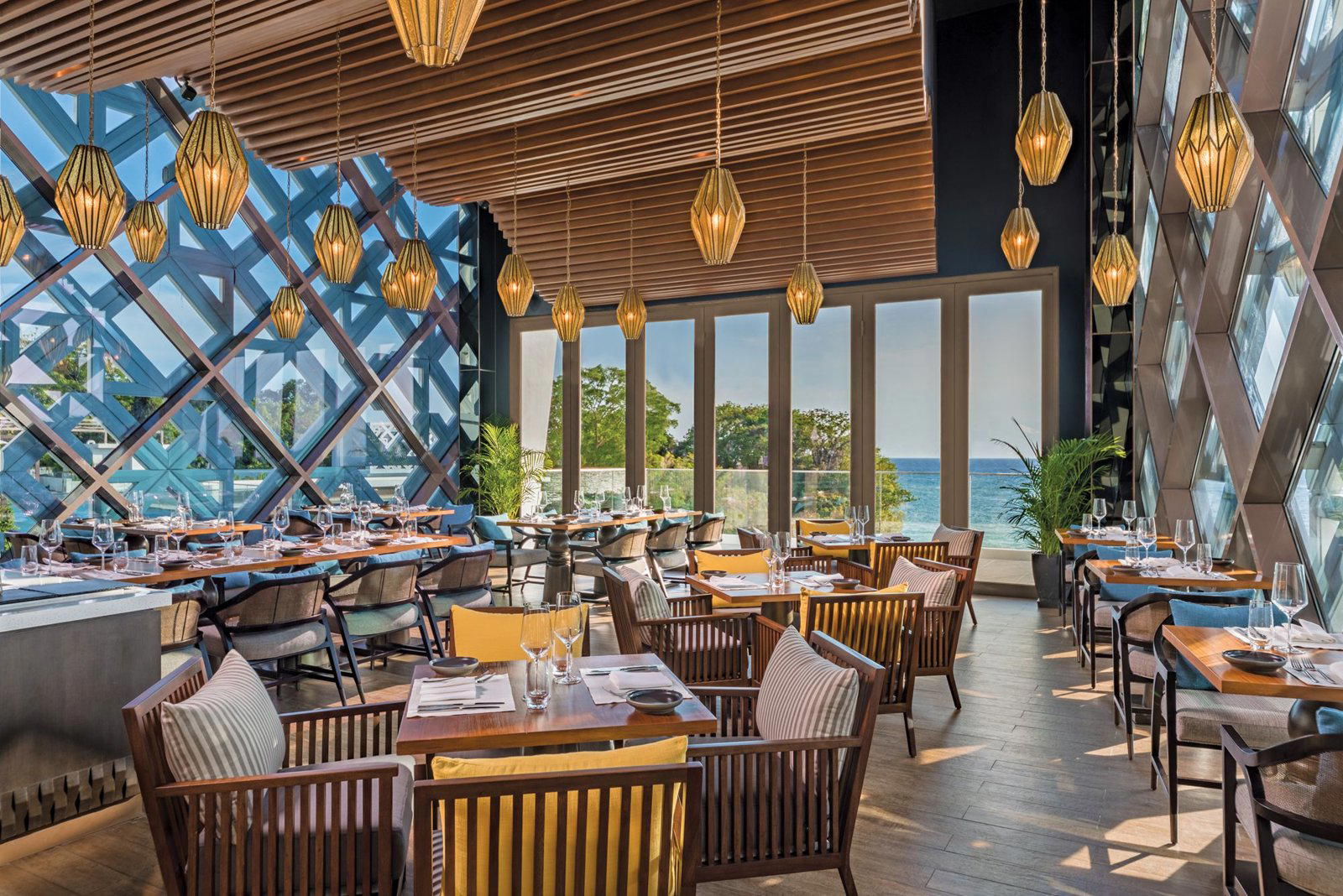
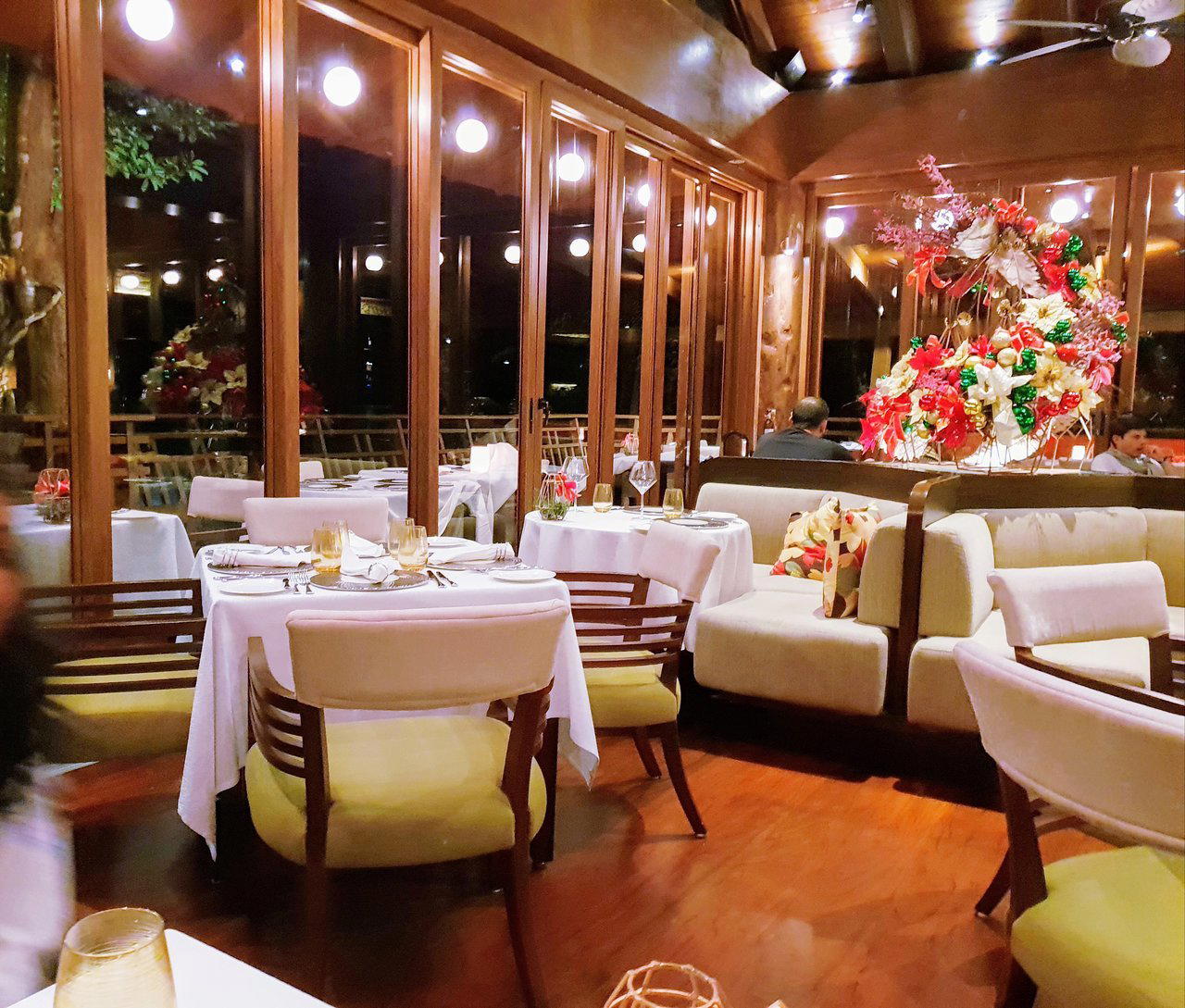
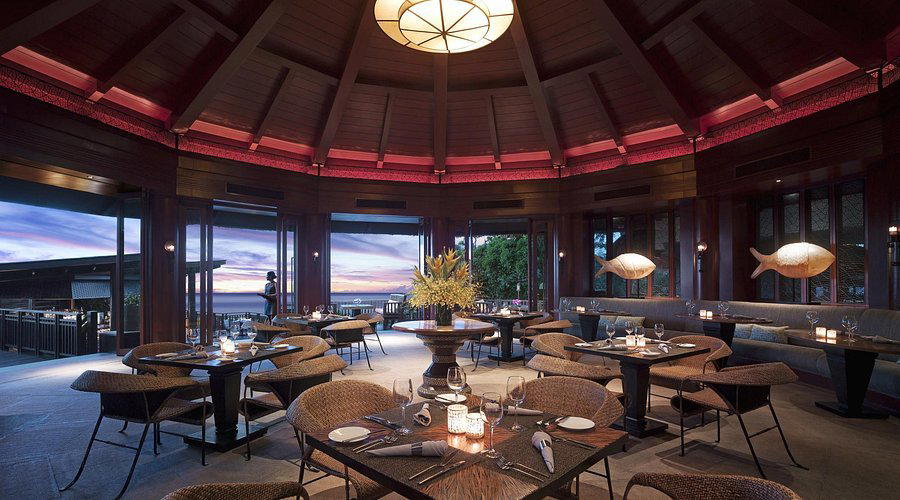
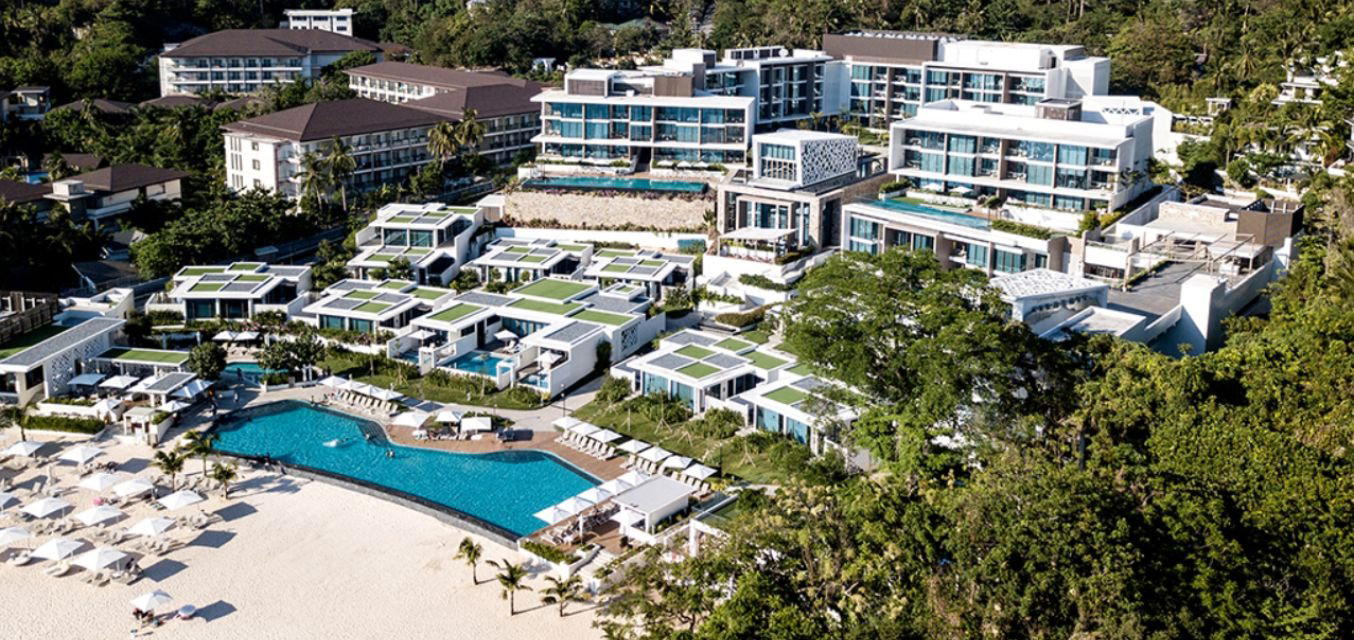
Chic beachfront vibes with live DJ sets, sleek contemporary design, and dramatic sunset views.