Boracay
Boracay’s Station 3 setting puts it in the quieter end of the island’s dining map, where beach traffic, seafood supply, and resort kitchens shape the meal more than formality. With no public awards, chef attribution, price band, or signature dish listed, the sensible read is contextual: judge it against Boracay’s casual coastal circuit rather than destination tasting-menu dining.
Pearl is the En Primeur Club membership app — saves, bookings, and concierge access live there. Same editors, same standards.
- Address
- Calle Remedios Station 3 Boracay Island, Malay, Aklan, Philippines
- Phone
- +63 917 309 0738
- Website
- suboboracay.co
- Directions
- Get directions
 Saves & bookings on Pearl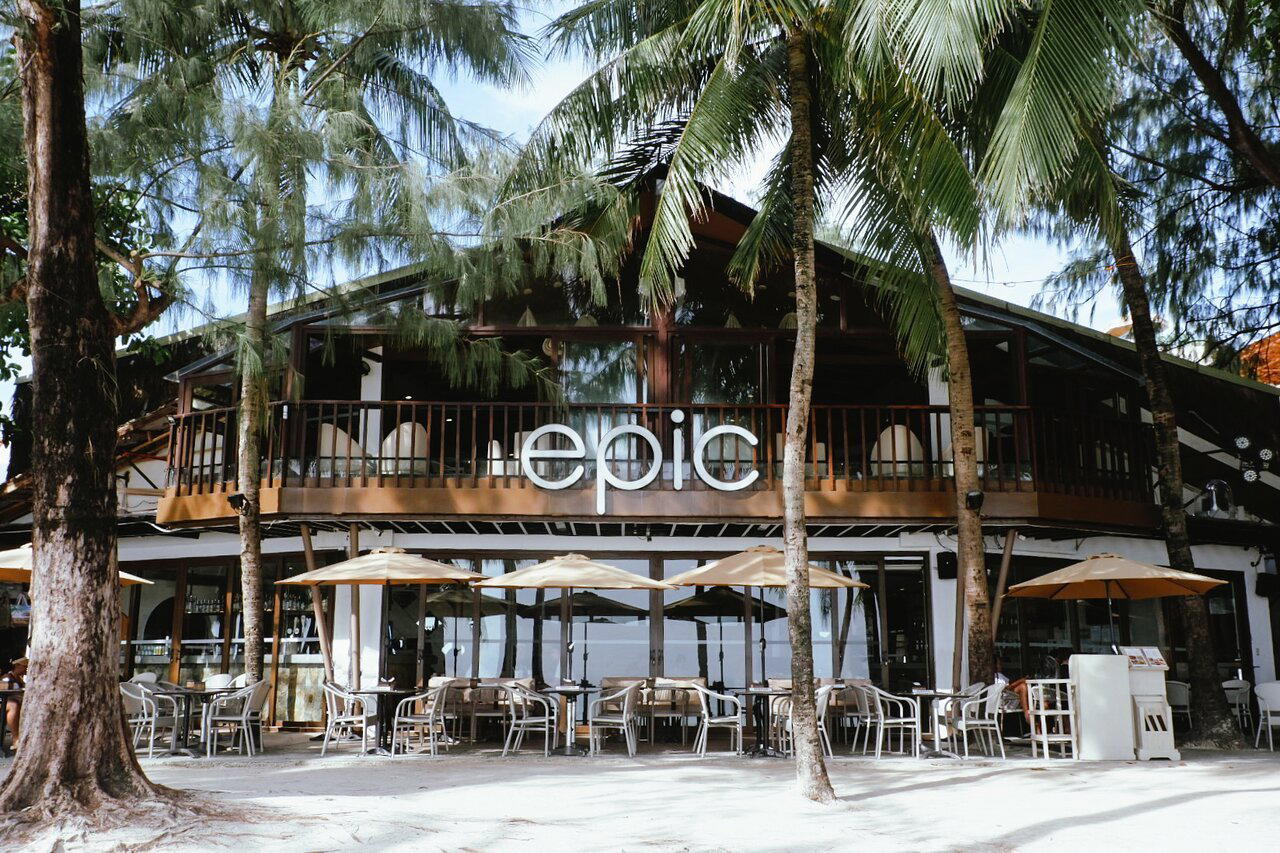
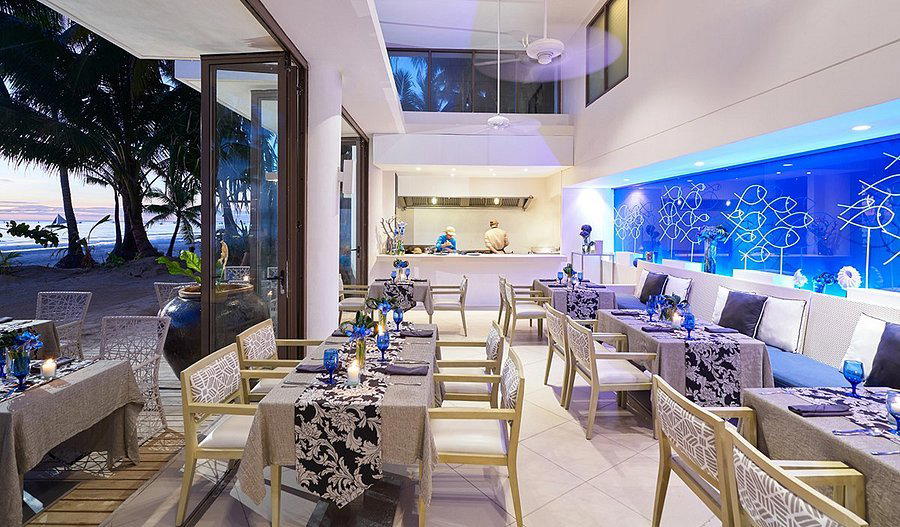
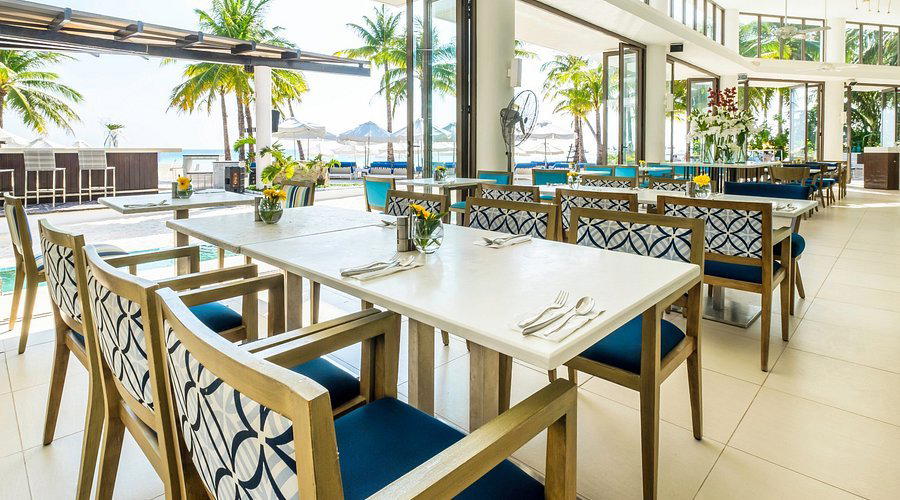
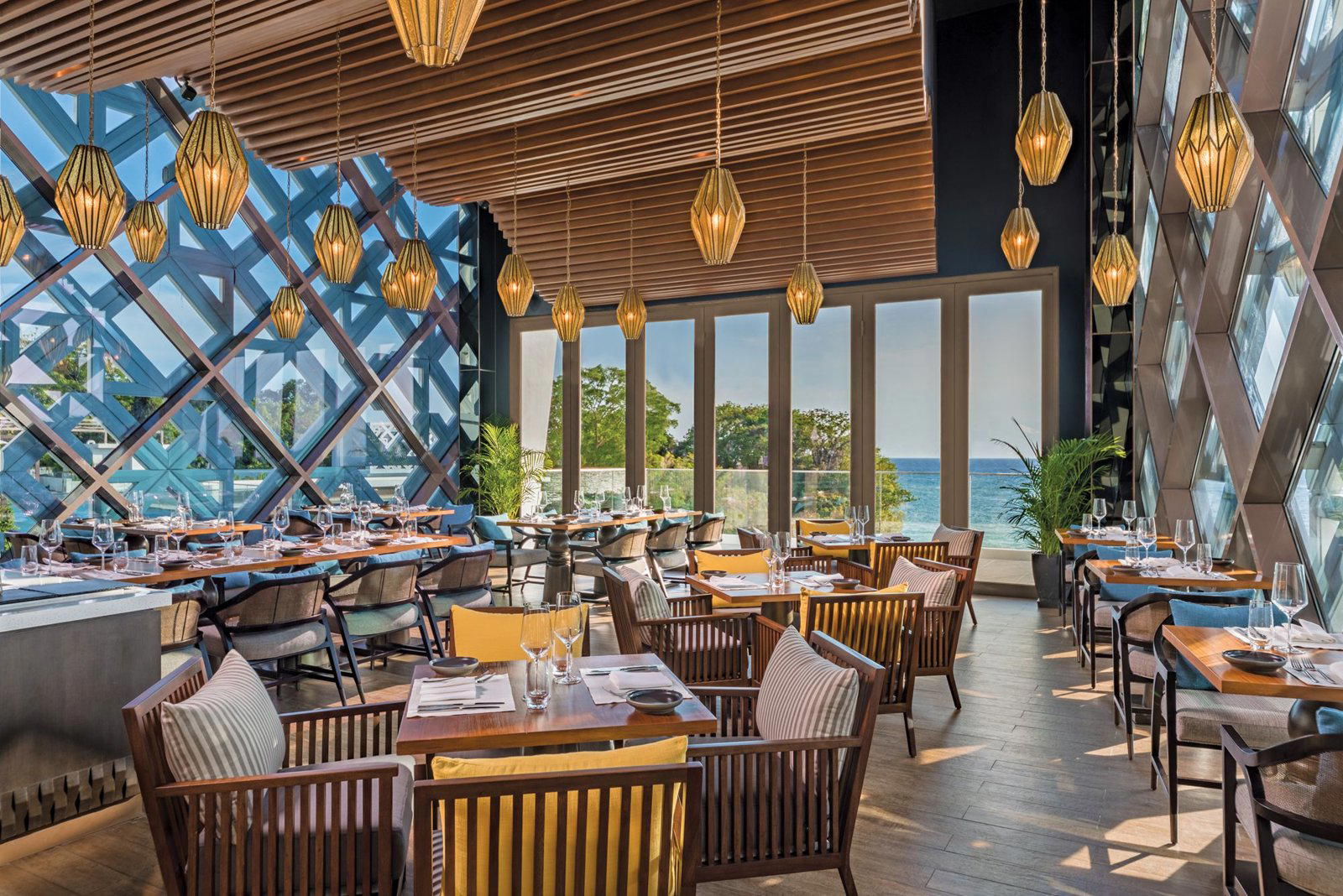
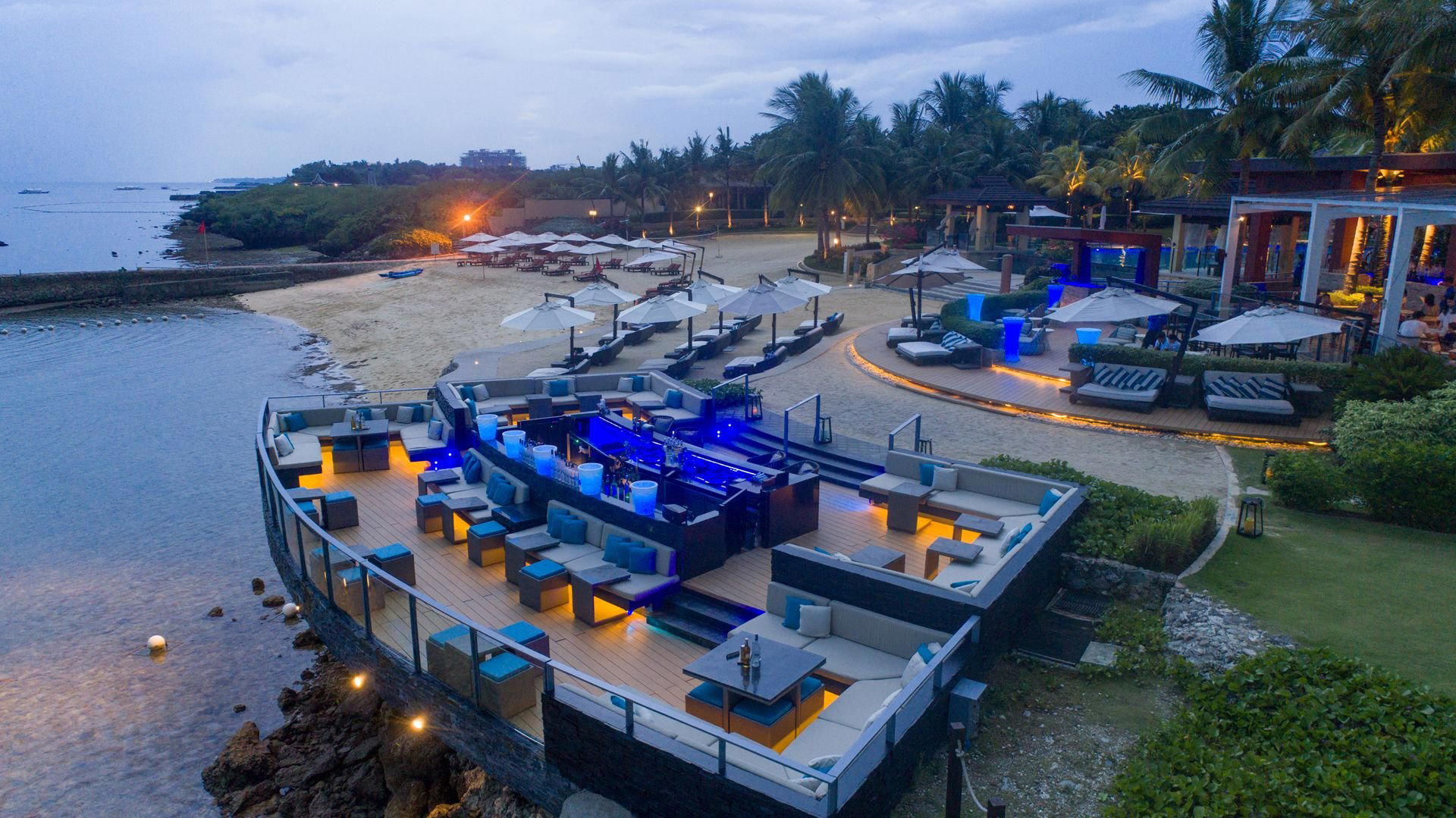
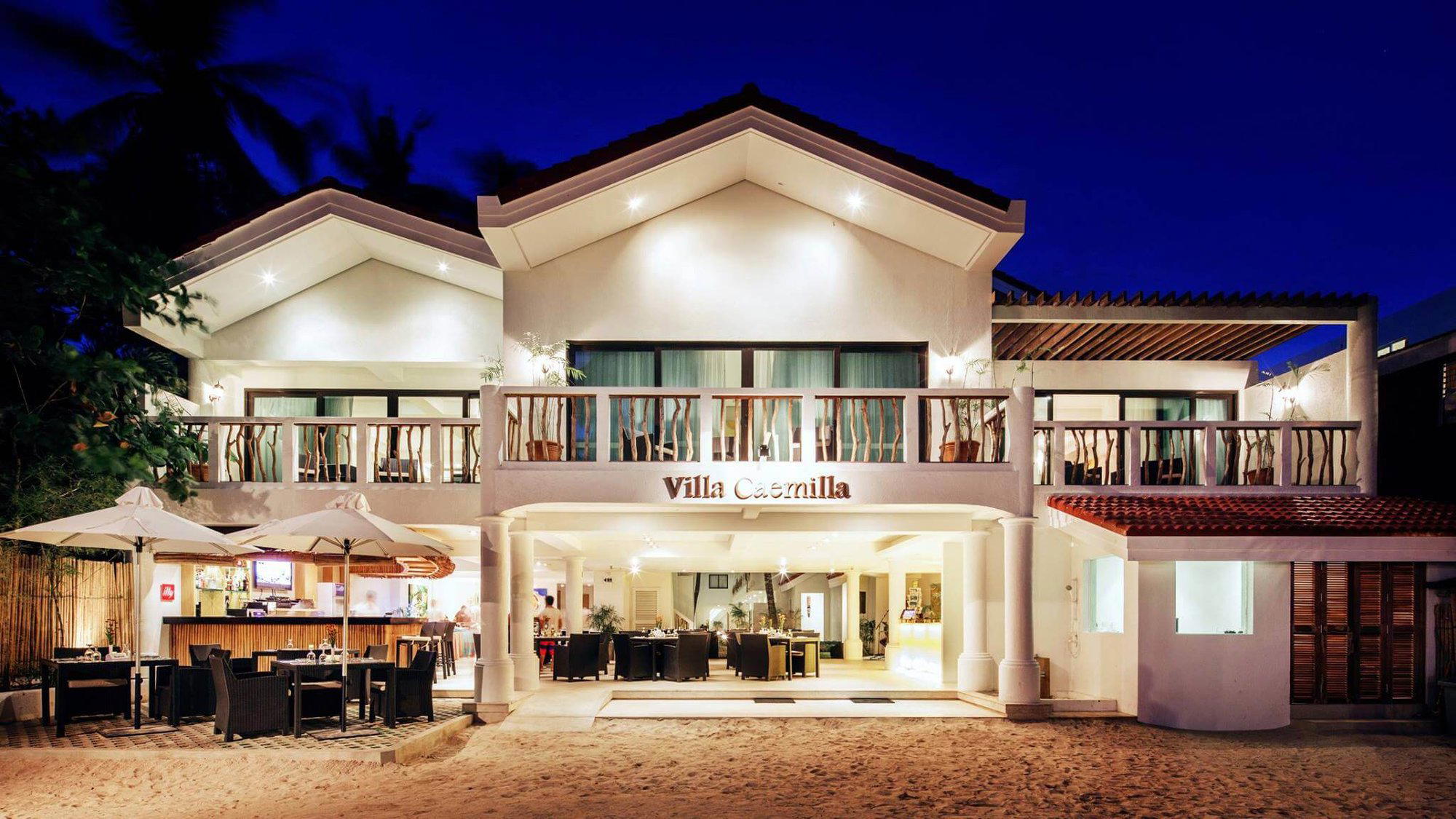
Station 3 changes the tempo of Boracay dining. The island’s louder restaurant energy gathers closer to the main beachfront drag, while the southern stretch tends to reward slower meals, sand-underfoot pacing, and kitchens that work around what island logistics allow. In that setting, Boracay belongs to the practical coastal category: the point is not ceremony, but the way a Philippine resort island turns fresh supply, family traffic, and beach-hour appetite into an easy meal.
Station 3 dining is shaped by supply, not spectacle
Ingredient sourcing matters more on an island than it does in a dense capital. Produce, seafood, dry goods, and specialty imports all move through tighter channels, so the sharper kitchens on Boracay tend to work with a narrower rhythm: seafood when it is good, grilled or simply prepared dishes when volume is high, and menus that can handle both holiday groups and couples coming off the beach. That is the useful lens here. Without a listed chef, cuisine label, awards history, or named signature dish, the restaurant is better read through place and format than through personality.
Boracay’s dining scene has split into several recognizable lanes. Resort dining carries much of the island’s more polished service culture; beachfront restaurants trade on immediacy and view; casual Station 3 addresses often suit travelers who want the island without the heavy production. Nearby names help map the range: Indigo Restaurant and Rima sit closer to the resort-dining conversation, while Cielo Poolside Restaurant & Bar, Saffron Café, and Mosaic Latin American Grill show how hotel settings, poolside service, and international menus broaden the island’s offer.
How to place it against Boracay's restaurant circuit
The useful comparison is not Manila fine dining. Boracay operates by beach geography, guest flow, and meal timing. Station 3 generally suits a lower-key day: lunch after swimming, an early dinner before the beachfront thickens, or a casual meal when the priority is proximity rather than a long tasting format. For travelers building a sharper island itinerary, the restaurant makes more sense as part of a Station 3 day than as the anchor of a full dining trip.
That distinction matters because the Philippines now has a broad premium dining range. In Metro Manila, restaurants such as 12/10 in Makati, 22 Prime in Manila, and Antonio's in Manilla compete in a more urban register, with wine lists, dining rooms, and sourcing systems built for metropolitan expectations. Outside the capital, Abaseria Deli & Cafe in Cebu, Amianan, Pangulasian Island in El Nido, Anila Poolside Restaurant in Tagaytay City, and Asador Alfonso in Cavite show how regional setting changes the brief. Boracay’s advantage is immediacy: the island makes casual dining feel tied to weather, tide, and the day’s movement rather than to a rigid city schedule.
International readers may also recognize the contrast with tighter specialist formats abroad. Jōdo Saké Bar in Los Angeles and Onigiri Time in Pasadena belong to a different dining culture, where single-category focus and urban repeat custom can support narrow concepts. Boracay’s restaurants usually have to be broader. They feed resort guests, families, beachgoers, and island regulars across the same service window.
Planning the meal around the island, not the clock
The sharper move is to treat the restaurant as part of a Boracay day plan. Station 3 is on the Malay, Aklan side of the island’s main tourism spine, so beach position should guide timing. Go when the meal fits the area: after a quieter stretch of sand, before transferring north, or when staying nearby makes a long cross-island dinner unnecessary. For wider planning, pair restaurant research with Our full Boracay hotels guide, then map drinks through Our full Boracay bars guide, island activities through Our full Boracay experiences guide, and, for broader cellar-focused browsing, Our full Boracay wineries guide.
The editorial verdict is simple: approach Boracay as a casual Station 3 address shaped by island sourcing and beach logistics, not as an awards-led dining room. That makes it useful for travelers who value location and ease, while those seeking chef-driven menus, formal service, or a documented signature dish should compare it carefully with the resort-led side of the island before committing a key dinner slot.
Fast Comparison
Comparable venues by cuisine and price in the same metro.
| Venue | Cuisine |
|---|---|
| Boracay | This venue |
At a Glance
- Lively
- Cozy
- Classic
- Rustic
- Romantic
- Well Known
- Date Night
- Family
- Group Dining
- Celebration
- Special Occasion
- Private Event
- Live Music
- Historic Building
- Design Destination
- Standalone
- Private Dining
- Beer Program
- Local Sourcing
Current opening hours
- Monday
- 12–11 PM
- Tuesday
- 12–11 PM
- Wednesday
- 12–11 PM
- Thursday
- 12–11 PM
- Friday
- 12–11 PM
- Saturday
- 12–11 PM
- Sunday
- 12–11 PM
Hours can change for holidays and private events. Last verified .
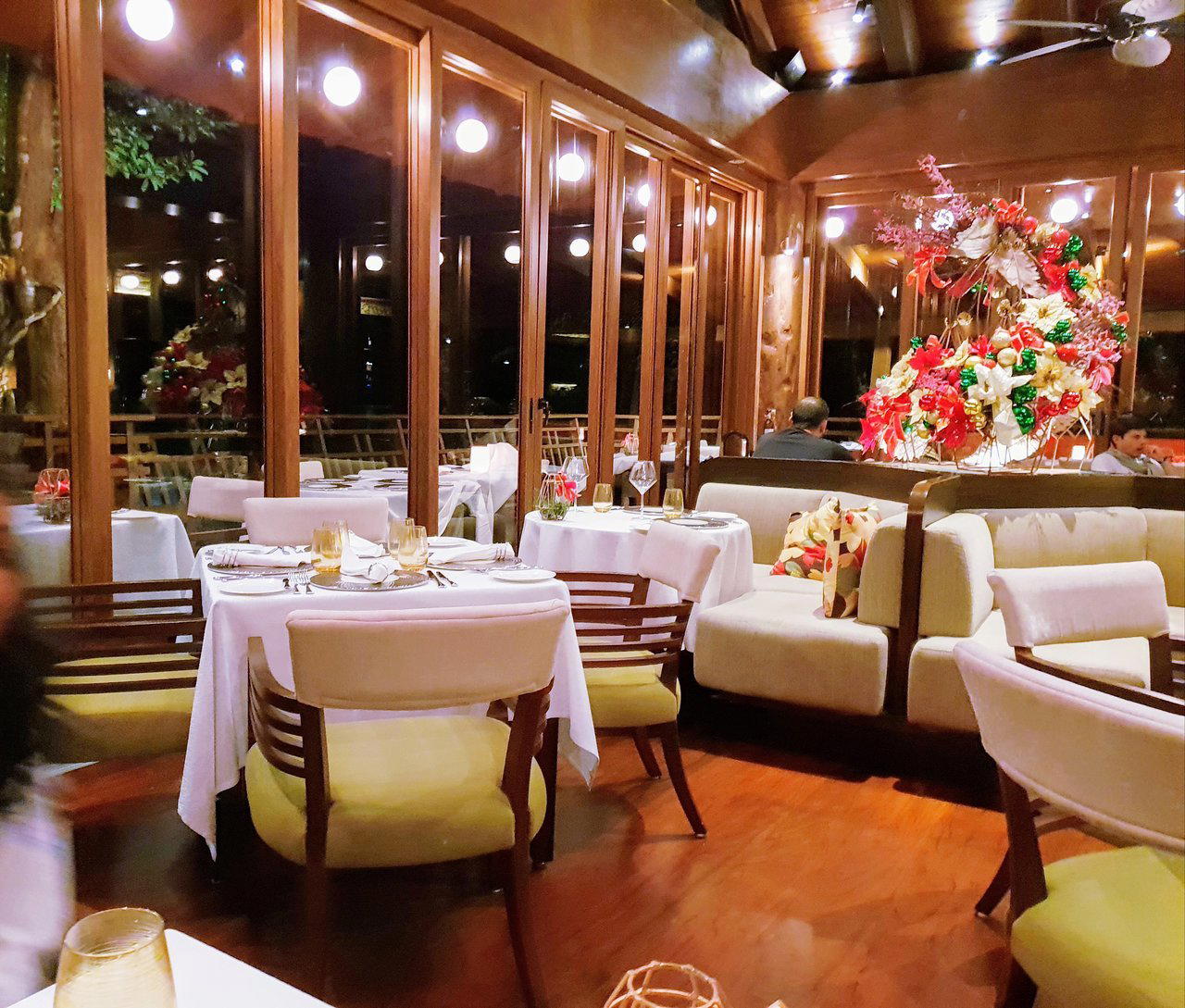
Warm, homey, and nostalgic, with all-wood heritage interiors, antiques, soft traditional lighting, OPM music, and live folk dancing that create the feeling of being in a traditional Filipino home rather than a typical restaurant.