Drinking at Altitude in Oman's Interior Licensed venues in Oman's interior are genuinely scarce. Unlike Muscat, where hotel bars cluster along the coastal strip and competition shapes programming into increasingly technical directions, the Nizwa region operates under different conditions. Al Jabal Al Akhdar, the Green Mountain plateau that climbs to over 2,000 metres above sea level, hosts a small number of resort properties with bar access, and Al Burj is among them. That scarcity matters: it shapes how the drinks offering is positioned, who the clientele is, and what kind of experience the venue can reasonably deliver. For context on how Muscat's bar scene compares, see our coverage of Nineteenth Sports Bar in Muscat, which operates in an altogether different competitive environment. The mountain setting itself does real work here. The air at this altitude is cooler than the desert floor below, and the light during late afternoon takes on a quality specific to high-altitude terrain, angled and warm, falling across the terraced farmland and ancient falaj irrigation channels that define the range of the Hajar range. Arriving at Al Burj means arriving after a significant drive, usually the winding ascent road from Nizwa town, which in itself signals that the experience is destination-specific rather than casual. For visitors to the region, our full Nizwa restaurants guide maps the broader food and drink options across the area. The Bar Programme in Context Across the global bar industry, the conversation has shifted from location-as-concept toward technical rigour as the primary differentiator. The bars earning sustained critical attention in 2024 share a commitment to specific programme logic: house-made ingredients, sourcing with identifiable provenance, and a drinks list built around a coherent point of view rather than a broad crowd-pleasing range. You can see this pattern at work at Kumiko in Chicago, where Japanese technique and American spirits converge in a format with clear editorial focus, or at Jewel of the South in New Orleans, where the classic American cocktail tradition is treated as living research material rather than nostalgia. At Bar Leather Apron in Honolulu, the approach centres on precision and restraint in a market where that discipline is less common than it should be. Al Burj operates in a different structural context from any of those venues. Oman's licensing framework means that beverage programmes inside hotel properties are less subject to the competitive pressure that sharpens craft-bar menus in cities like New York or Miami, where operations like Superbueno and Café La Trova compete inside a dense, informed market. The result is that mountain resort bars in Oman tend to offer accessible international programmes rather than specialist craft lists, with spirits selections oriented toward a mixed clientele of leisure travellers, some of whom may rarely encounter licensed premises during their stay in the country. This is neither a criticism nor a limitation unique to Al Burj; it reflects the category conditions that any bar operating at this address inhabits. What distinguishes a drinks experience in this kind of setting is not the depth of the back bar or the complexity of the garnish work. It is whether the programme is coherent with its environment, whether the drinks list acknowledges where it is being consumed, and whether there is an effort to translate the mountain setting into something specific to the glass. For reference, consider how Julep in Houston commits to Southern American whiskey as a deliberate regional expression, or how Experimental Bistro in Taipei has built a menu that reflects local ingredient availability as a creative constraint. The Setting as the Proposition There are bars where the room does the work, and the experience lives or dies on architectural atmosphere and historical accumulation. La Bar du Plaza Athénée in Paris belongs to this category, where the surroundings carry the weight of expectation before a drink is ordered. Dear Irving in New York City operates through deliberate theatrical design. The Parlour in Frankfurt uses a specific neighbourhood positioning to frame its identity. At Al Burj, the setting proposition is geological and geographical. Al Jabal Al Akhdar was for decades accessible only to Omani nationals and with military permits; the opening of the plateau to tourism is relatively recent in historical terms, and the resort development there represents one of Oman's more deliberate attempts to build a mountain tourism circuit separate from the capital's coastal offer. A bar that operates at this address is, almost by definition, part of an experience that most visitors are having for the first time. The novelty is not manufactured; it comes from the terrain. The address listed for Al Burj, No. 110 on Al Jabal Al Akhdar, places it within the small cluster of licensed resort facilities on the plateau. Visitors arriving from Nizwa town, roughly 30 kilometres below, will have passed through a checkpoint that still controls vehicle access to the upper road, a detail that reinforces the sense of reaching somewhere genuinely separate from the lowland plains. Planning a Visit Al Burj is not a venue you drop into on impulse. Access to Al Jabal Al Akhdar requires a 4x4 vehicle on the ascent road, and accommodation on the plateau is limited to a small number of resort properties. Visitors planning to drink at Al Burj will almost certainly be staying at the associated property, which makes this effectively a resident or dinner-guest experience rather than a standalone bar destination. Booking through the property directly is the standard approach, and given the limited accommodation capacity on the mountain, advance planning of the wider trip is advisable. The mountain climate differs substantially from the desert floor below. Evenings on Al Jabal Al Akhdar can be cool even in summer, and in winter the temperatures drop significantly after dark. This is relevant to how outdoor terrace seating, if available, functions across different times of year, and shapes what kind of drink might make sense in what season. Visitors who have previously found the Gulf's bar culture limited to air-conditioned hotel interiors may find the possibility of an outdoor drink at altitude to be one of the more genuinely different experiences the region offers. We recommend confirming directly with the property before travel, and checking our Nizwa city guide for updates as additional sourced information becomes available. Frequently Asked Questions What's the atmosphere like at Al Burj? Al Burj sits on Al Jabal Al Akhdar, a plateau above 2,000 metres that is both geographically isolated and relatively recent in its development as a tourist destination. The atmosphere is shaped primarily by the mountain setting rather than by bar-industry design conventions. Licensed venues in Oman's interior are few, which makes Al Burj a reference point for visitors to the Green Mountain area almost by default. What's the signature drink at Al Burj? In the context of Oman's interior, where licensed venues are sparse and the clientele is predominantly resort guests, drinks programmes typically favour accessible international styles. We will update this section with sourced information on the cocktail list when it is confirmed. For technically focused programmes with documented signatures, bars like Kumiko in Chicago or Jewel of the South in New Orleans represent the craft end of the spectrum. Why do people go to Al Burj? The primary draw is the location. Al Jabal Al Akhdar is one of the few places in Oman where the terrain, altitude, and cooler climate create a drinking context that has no equivalent on the coastal strip. Visitors already at the mountain resort naturally gravitate toward Al Burj as the on-site licensed venue, and for those travelling Oman's interior circuit, it represents one of very few options in the Nizwa region for a drink in a formal bar setting. Do they take walk-ins at Al Burj? Access to Al Jabal Al Akhdar requires a 4x4 vehicle and passing through a vehicle checkpoint on the ascent road, which makes casual walk-in visits from Nizwa town below logistically unlikely for most travellers. The venue's address places it within a resort property, and the practical dynamics suggest this operates primarily for guests or confirmed dinner reservations. Confirmed booking policy details are not available; contact the property directly before travel. Our Nizwa guide covers the broader regional planning context. Is Al Burj one of the only licensed venues in the Nizwa and Al Jabal Al Akhdar area? Licensed venues in Oman are restricted to hotel properties, and in the interior regions away from Muscat, the number of such properties is small. Al Jabal Al Akhdar hosts a limited cluster of resort developments, making the options for a formal bar experience in this part of the country genuinely narrow. Travellers spending multiple nights in the Nizwa region should plan around this; Muscat's more developed hotel bar circuit, which includes venues like Nineteenth Sports Bar, operates in a different supply environment entirely.
Pearl is the En Primeur Club membership app — saves, bookings, and concierge access live there. Same editors, same standards.
- Address
- No 110, Al Jabal Al Akhdar, Nizwa 621, Oman
- Phone
- +968 25 218000
- Website
- anantara.com
- Directions
- Get directions
 Saves & bookings on Pearl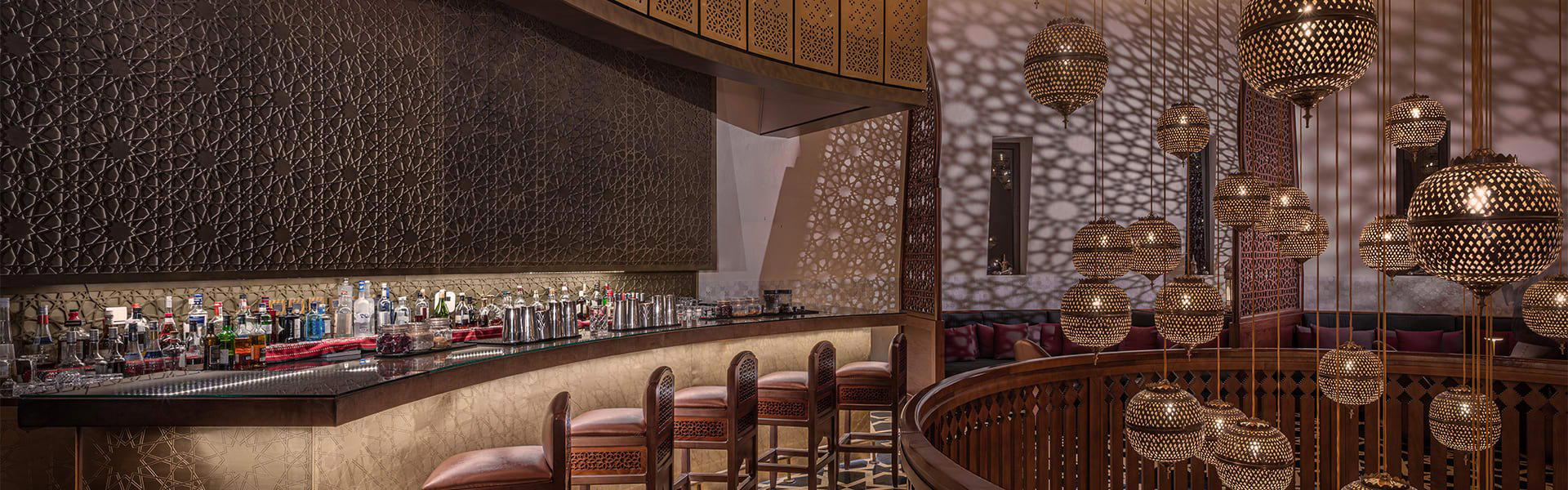
Drinking at Altitude in Oman's Interior
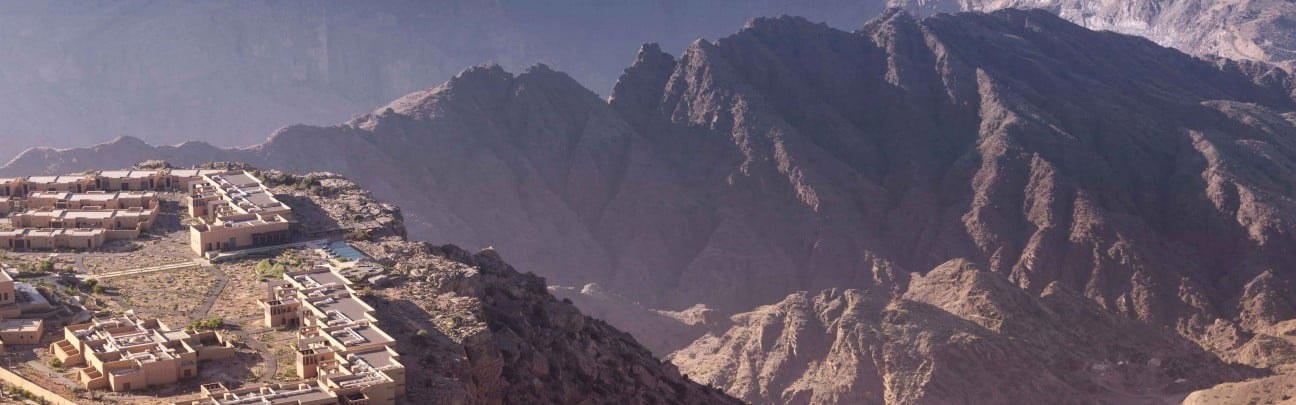
Licensed venues in Oman's interior are genuinely scarce. Unlike Muscat, where hotel bars cluster along the coastal strip and competition shapes programming into increasingly technical directions, the Nizwa region operates under different conditions. Al Jabal Al Akhdar, the Green Mountain plateau that climbs to over 2,000 metres above sea level, hosts a small number of resort properties with bar access, and Al Burj is among them. That scarcity matters: it shapes how the drinks offering is positioned, who the clientele is, and what kind of experience the venue can reasonably deliver. For context on how Muscat's bar scene compares, see our coverage of Nineteenth Sports Bar in Muscat, which operates in an altogether different competitive environment.
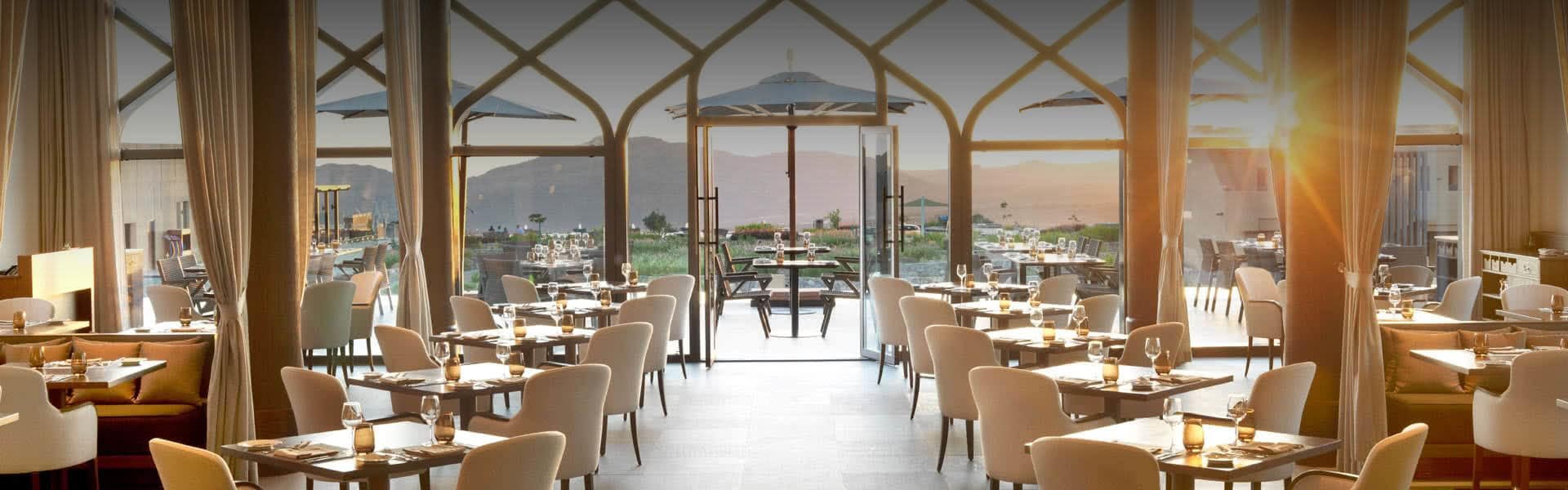
The mountain setting itself does real work here. The air at this altitude is cooler than the desert floor below, and the light during late afternoon takes on a quality specific to high-altitude terrain, angled and warm, falling across the terraced farmland and ancient falaj irrigation channels that define the range of the Hajar range. Arriving at Al Burj means arriving after a significant drive, usually the winding ascent road from Nizwa town, which in itself signals that the experience is destination-specific rather than casual. For visitors to the region, our full Nizwa restaurants guide maps the broader food and drink options across the area.
The Bar Programme in Context
Across the global bar industry, the conversation has shifted from location-as-concept toward technical rigour as the primary differentiator. The bars earning sustained critical attention in 2024 share a commitment to specific programme logic: house-made ingredients, sourcing with identifiable provenance, and a drinks list built around a coherent point of view rather than a broad crowd-pleasing range. You can see this pattern at work at Kumiko in Chicago, where Japanese technique and American spirits converge in a format with clear editorial focus, or at Jewel of the South in New Orleans, where the classic American cocktail tradition is treated as living research material rather than nostalgia. At Bar Leather Apron in Honolulu, the approach centres on precision and restraint in a market where that discipline is less common than it should be.
Al Burj operates in a different structural context from any of those venues. Oman's licensing framework means that beverage programmes inside hotel properties are less subject to the competitive pressure that sharpens craft-bar menus in cities like New York or Miami, where operations like Superbueno and Café La Trova compete inside a dense, informed market. The result is that mountain resort bars in Oman tend to offer accessible international programmes rather than specialist craft lists, with spirits selections oriented toward a mixed clientele of leisure travellers, some of whom may rarely encounter licensed premises during their stay in the country. This is neither a criticism nor a limitation unique to Al Burj; it reflects the category conditions that any bar operating at this address inhabits.
What distinguishes a drinks experience in this kind of setting is not the depth of the back bar or the complexity of the garnish work. It is whether the programme is coherent with its environment, whether the drinks list acknowledges where it is being consumed, and whether there is an effort to translate the mountain setting into something specific to the glass. For reference, consider how Julep in Houston commits to Southern American whiskey as a deliberate regional expression, or how Experimental Bistro in Taipei has built a menu that reflects local ingredient availability as a creative constraint.
The Setting as the Proposition
There are bars where the room does the work, and the experience lives or dies on architectural atmosphere and historical accumulation. La Bar du Plaza Athénée in Paris belongs to this category, where the surroundings carry the weight of expectation before a drink is ordered. Dear Irving in New York City operates through deliberate theatrical design. The Parlour in Frankfurt uses a specific neighbourhood positioning to frame its identity.
At Al Burj, the setting proposition is geological and geographical. Al Jabal Al Akhdar was for decades accessible only to Omani nationals and with military permits; the opening of the plateau to tourism is relatively recent in historical terms, and the resort development there represents one of Oman's more deliberate attempts to build a mountain tourism circuit separate from the capital's coastal offer. A bar that operates at this address is, almost by definition, part of an experience that most visitors are having for the first time. The novelty is not manufactured; it comes from the terrain.
The address listed for Al Burj, No. 110 on Al Jabal Al Akhdar, places it within the small cluster of licensed resort facilities on the plateau. Visitors arriving from Nizwa town, roughly 30 kilometres below, will have passed through a checkpoint that still controls vehicle access to the upper road, a detail that reinforces the sense of reaching somewhere genuinely separate from the lowland plains.
Planning a Visit
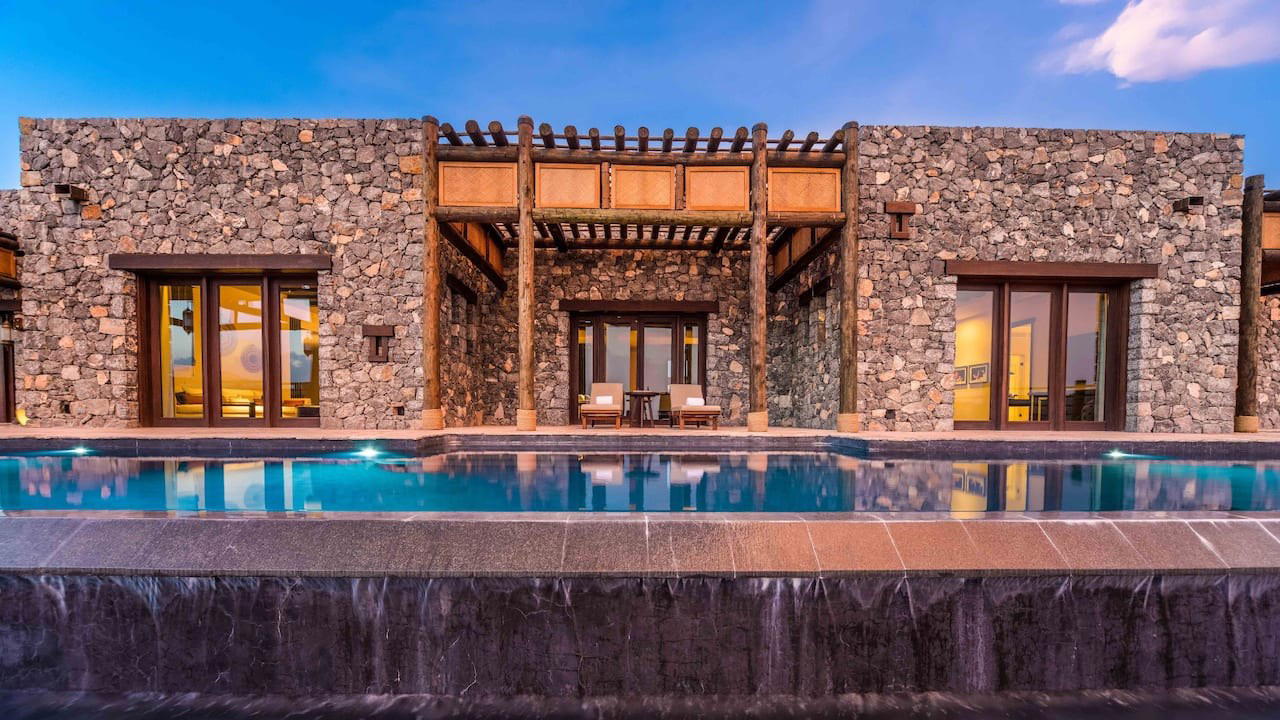
Al Burj is not a venue you drop into on impulse. Access to Al Jabal Al Akhdar requires a 4x4 vehicle on the ascent road, and accommodation on the plateau is limited to a small number of resort properties. Visitors planning to drink at Al Burj will almost certainly be staying at the associated property, which makes this effectively a resident or dinner-guest experience rather than a standalone bar destination. Booking through the property directly is the standard approach, and given the limited accommodation capacity on the mountain, advance planning of the wider trip is advisable.
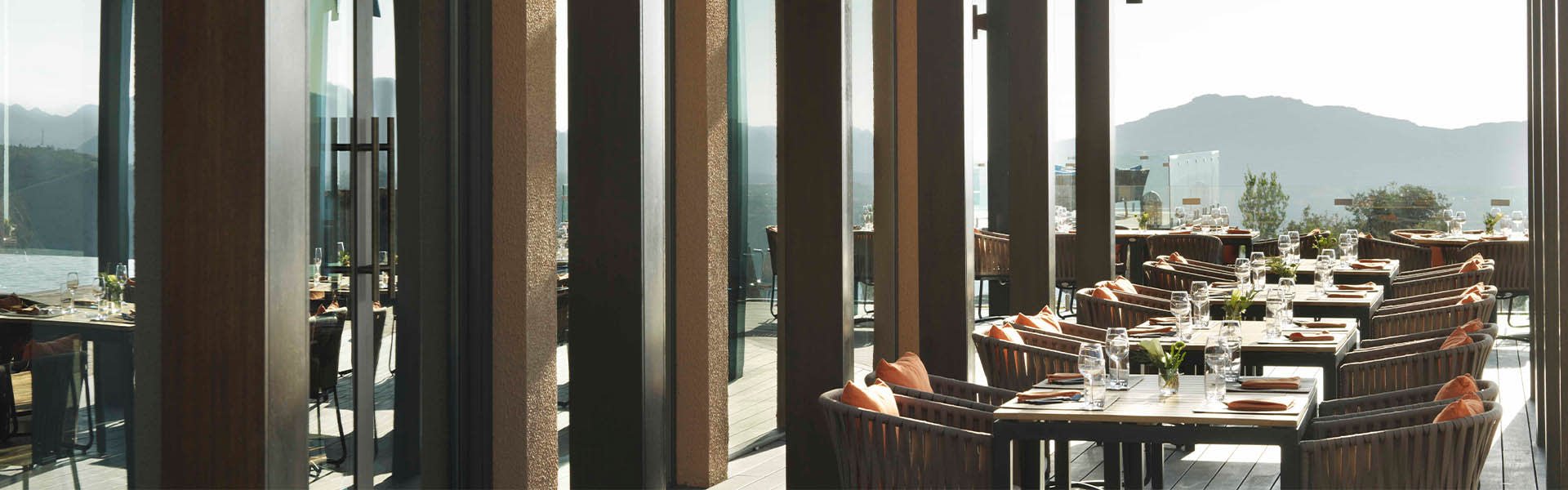
The mountain climate differs substantially from the desert floor below. Evenings on Al Jabal Al Akhdar can be cool even in summer, and in winter the temperatures drop significantly after dark. This is relevant to how outdoor terrace seating, if available, functions across different times of year, and shapes what kind of drink might make sense in what season. Visitors who have previously found the Gulf's bar culture limited to air-conditioned hotel interiors may find the possibility of an outdoor drink at altitude to be one of the more genuinely different experiences the region offers.
We recommend confirming directly with the property before travel, and checking our Nizwa city guide for updates as additional sourced information becomes available.
Continue exploring
More in Nizwa
Restaurants in Nizwa
Browse all →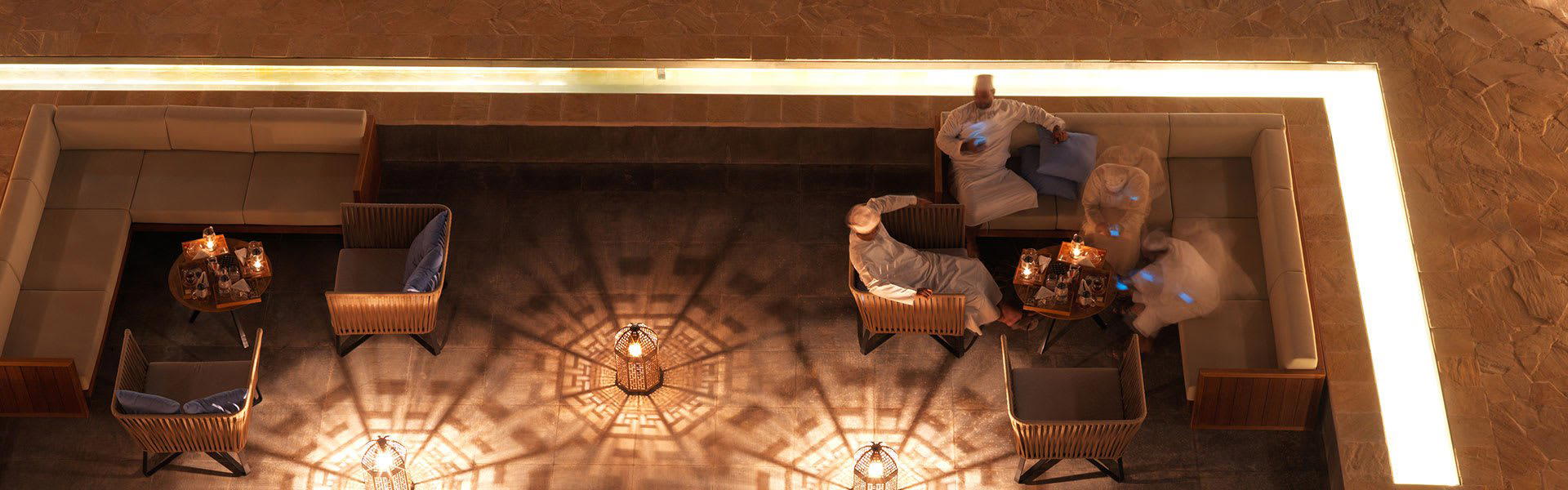
At a Glance
- Elegant
- Sophisticated
- Scenic
- Romantic
- Ornate
- Date Night
- Late Night
- Special Occasion
- Panoramic View
- Hotel Bar
- Lounge Seating
- Booth Seating
- Craft Cocktails
- Mountain
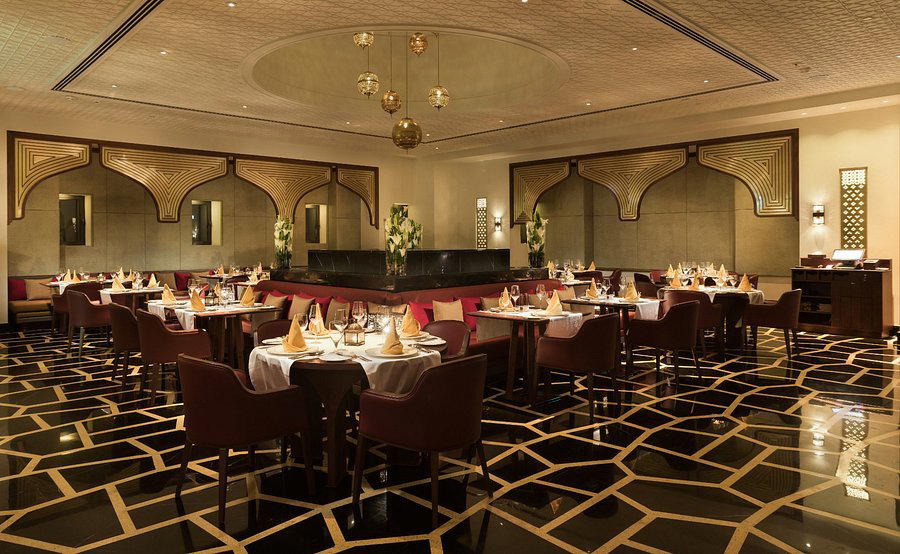
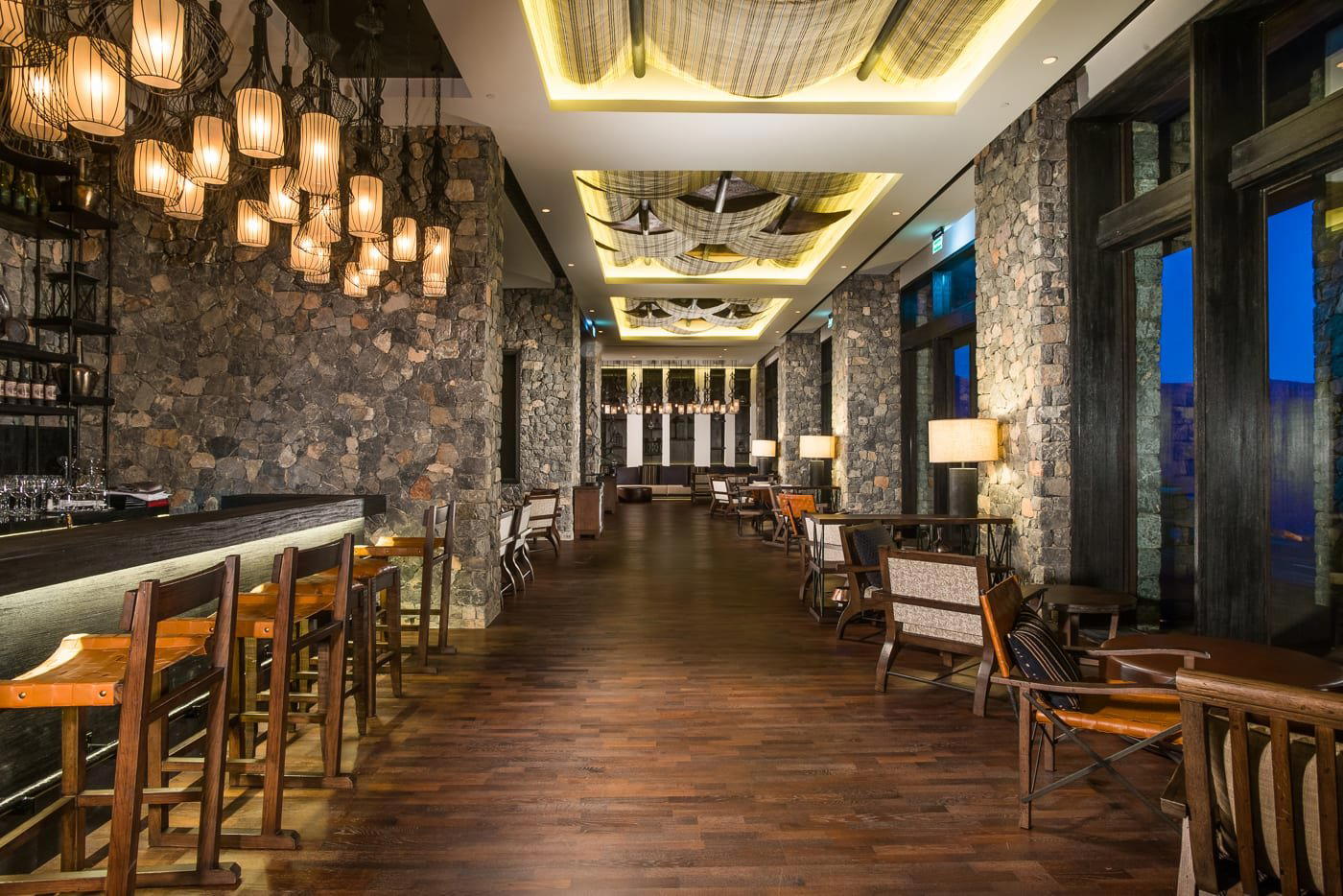
Shimmering lanterns, colorful accents, ambient Moroccan design with rich flavors of shisha, specialty coffees, teas, creative cocktails, and fine wines.
Know Before You Go
- Getting there
- No 110, Al Jabal Al Akhdar, Nizwa 621, Oman