A Coffee Estate Backdrop, and What It Means for the Glass Arusha occupies a particular position in East African hospitality. It is the staging post for Kilimanjaro ascents, the gateway to the Serengeti, and a city whose bar and restaurant scene has historically served transient visitors rather than building the kind of repeat-local culture that drives cocktail programme ambition. That is changing, and 3° South Bar/Bistro, situated on Old Dodoma Road within the grounds of Burka Coffee Estate, sits at the leading edge of that shift. The address alone signals something different: a working coffee estate as the frame for an evening drink is not a formula you encounter often, and the setting shapes the experience before a single order is placed. The estate context matters more than it might initially appear. Burka is one of Tanzania's established arabica-growing operations, and placing a bar within that environment creates a sensory and conceptual backdrop that most urban cocktail programmes spend considerable effort trying to simulate. Here, the agricultural reality is visible. That kind of rootedness in place is increasingly what separates considered bar programmes from interchangeable hotel lounges, a distinction that venues like Bar Leather Apron in Honolulu and Kumiko in Chicago achieve through technique and curation rather than geography. The Cocktail Angle: Place as Ingredient Across the more interesting bar programmes of the past decade, a consistent pattern has emerged: the most compelling drinks are those where geography is legible in the glass. Jewel of the South in New Orleans does it through historically documented recipes tied to the city's cocktail archive. Julep in Houston does it through a Southern American spirits lens. Café La Trova in Miami does it through Cuban cultural framing. The question worth asking of any bar in Arusha is whether Tanzania shows up in what's served, and in what form. For a bar operating within a coffee estate, the opportunity is obvious. Cold-brew-washed spirits, coffee-fat-washed bases, espresso-forward stirred drinks, and the use of locally grown arabica as a cocktail ingredient rather than an afterthought represent a direction that would be both geographically coherent and technically credible. Whether 3° South pursues this in a disciplined way is something that requires direct experience to verify, but the infrastructure for it, the raw ingredient, is literally on the property. That is an advantage that bars in more abstract urban settings, such as The Parlour in Frankfurt or Dear Irving in New York City, cannot replicate through sourcing alone. East African spirits production is a smaller but developing category. Locally produced gins and rums exist across the region, and a bar with editorial intent would be drawing on these alongside the estate's coffee output. Arusha's Bar Scene in Broader Context Tanzania's bar culture has long been shaped by its tourism economy. The majority of drinking venues in Arusha operate primarily for safari travellers passing through, which creates a certain conservatism in programming: familiar international spirits, crowd-pleasing formats, and little incentive to push into more technically demanding territory. The city has not historically generated the kind of local repeat-clientele pressure that drives programme evolution in cities like Superbueno's New York neighbourhood or the established cocktail districts of European capitals. That context makes venues like 3° South more significant as indicators than they might be in a more saturated bar market. A bar that commits to setting, atmosphere, and programme discipline in Arusha is doing something that takes a certain conviction, given that the tourist-circuit audience is not demanding it. The estate location also differentiates this address from the cluster of hotel bars along the main tourist corridor, which tend toward high-volume, standardised service models. For visitors who want something with more environmental texture, Old Dodoma Road and the Burka estate offer a different register entirely. For context on how similar estate or heritage-property bar settings operate at their leading, La Bar du Plaza Athénée in Paris demonstrates how a distinctive physical setting can anchor a programme's identity without overwhelming the drinks themselves. The Bistro Dimension The bistro component of the offering matters because it changes the pacing of the visit. A bar-bistro hybrid, particularly one on an estate property, invites a longer, slower engagement than a standalone cocktail counter. Food anchors the experience and gives the drinks programme context, both in terms of pairing logic and in the signal it sends about the seriousness of the operation. Estate settings with food programmes tend to attract a different visitor profile than city-centre bars: guests who are willing to travel slightly off the central tourist path in exchange for atmosphere and coherence. In East Africa more broadly, the bar-bistro format has proven more sustainable than standalone cocktail bars, which face consistent challenges around spirits import costs, price-sensitive visitor expectations, and limited local cocktail culture infrastructure. The bistro element provides revenue stability that lets a bar programme take more creative risks. This structural logic is worth understanding when assessing what 3° South is positioned to do with its drinks offering over time. Planning a Visit 3° South Bar/Bistro sits on Old Dodoma Road within the Burka Coffee Estate, which places it outside Arusha's central commercial area. For visitors based in town, this is a short drive rather than a walk, and the estate setting makes the journey deliberate rather than spontaneous. Given the venue's location and format, an evening visit rather than a passing stop is the more sensible approach. Visitors with safari itineraries departing from Arusha should note that the estate setting provides a more grounded pre- or post-safari drink than the airport-adjacent hotel bars. For a wider orientation to eating and drinking in the city, our full Arusha restaurants guide maps the full range of options across different neighbourhoods and price points. Specific hours, booking requirements, and pricing should be confirmed directly with the venue, as these details are subject to change. Frequently Asked Questions What kind of setting is 3° South Bar/Bistro? 3° South operates within the grounds of Burka Coffee Estate on Old Dodoma Road in Arusha, Tanzania. The estate setting distinguishes it from the city's hotel-bar circuit, offering an outdoor or estate-framed environment rather than an urban interior. It sits in a category of destination bars that require a short drive from the city centre and reward that effort with atmosphere that is tied to a specific place rather than a generic hospitality format. What's the signature drink at 3° South Bar/Bistro? Specific menu details and signature cocktails are not available for independent verification at this time. Given the bar's location within Burka Coffee Estate, one of Tanzania's established arabica producers, any programme with genuine editorial intent would be expected to feature coffee-integrated cocktails alongside locally sourced spirits. For current drink offerings, contacting the venue directly is the reliable approach. Bars with comparable place-driven programmes include Café La Trova in Miami and Jewel of the South in New Orleans. Is 3° South Bar/Bistro suitable for an evening out during an Arusha safari stopover? The venue's estate location and combined bar-bistro format make it a more considered option for an evening in Arusha than the standard hotel lounge, particularly for travellers wanting an experience with environmental character. The Burka Coffee Estate address on Old Dodoma Road is a short drive from the main safari-circuit hotels, making it practical for a deliberate evening out rather than an impromptu stop. The bistro component allows for a full evening rather than a quick drink, which suits travellers with flexible evening schedules between safari legs.
Pearl is the En Primeur Club membership app — saves, bookings, and concierge access live there. Same editors, same standards.
- Address
- Old Dodoma Road, Burka Coffee Estate, Arusha, Tanzania
- Phone
- +255 754 250 630
- Website
- elewanacollection.com
- Directions
- Get directions
 Saves & bookings on Pearl
A Coffee Estate Backdrop, and What It Means for the Glass
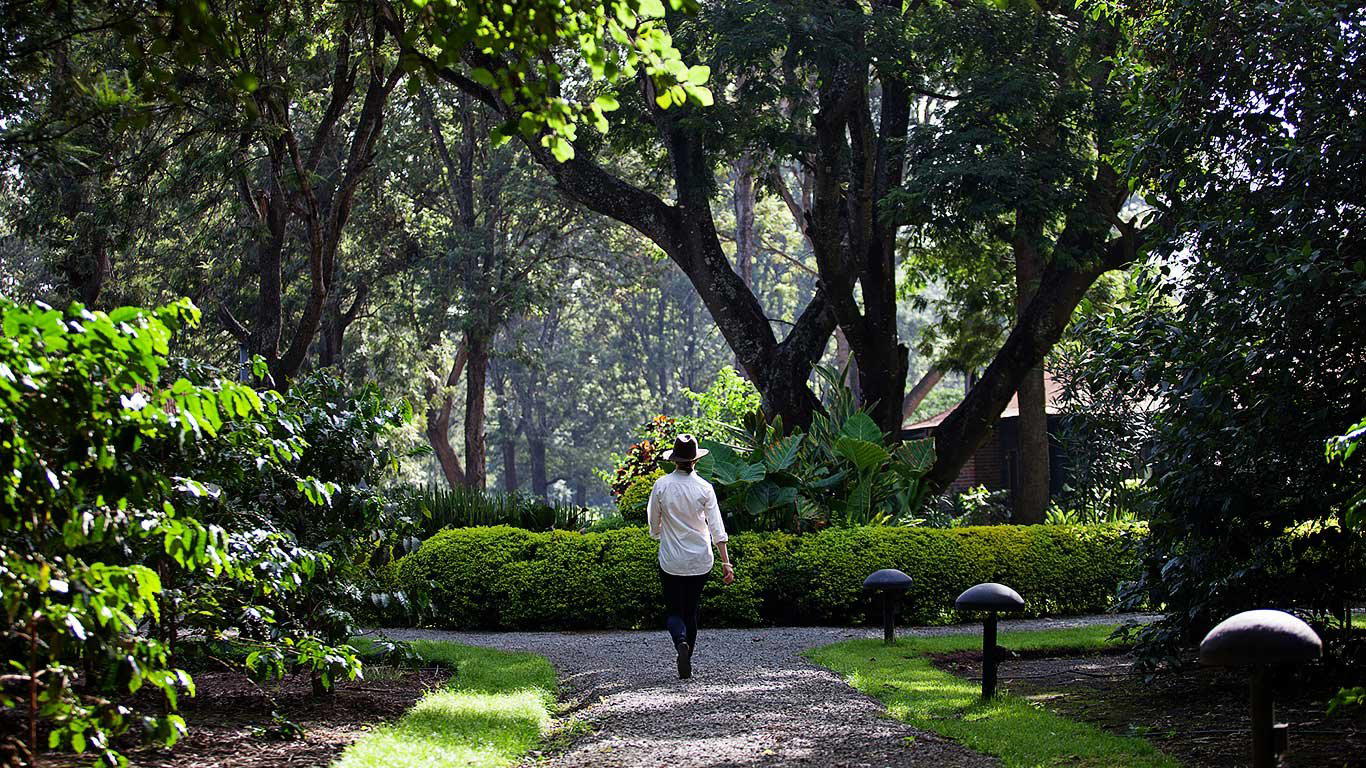
Arusha occupies a particular position in East African hospitality. It is the staging post for Kilimanjaro ascents, the gateway to the Serengeti, and a city whose bar and restaurant scene has historically served transient visitors rather than building the kind of repeat-local culture that drives cocktail programme ambition. That is changing, and 3° South Bar/Bistro, situated on Old Dodoma Road within the grounds of Burka Coffee Estate, sits at the leading edge of that shift. The address alone signals something different: a working coffee estate as the frame for an evening drink is not a formula you encounter often, and the setting shapes the experience before a single order is placed.
The estate context matters more than it might initially appear. Burka is one of Tanzania's established arabica-growing operations, and placing a bar within that environment creates a sensory and conceptual backdrop that most urban cocktail programmes spend considerable effort trying to simulate. Here, the agricultural reality is visible. That kind of rootedness in place is increasingly what separates considered bar programmes from interchangeable hotel lounges, a distinction that venues like Bar Leather Apron in Honolulu and Kumiko in Chicago achieve through technique and curation rather than geography.
The Cocktail Angle: Place as Ingredient
Across the more interesting bar programmes of the past decade, a consistent pattern has emerged: the most compelling drinks are those where geography is legible in the glass. Jewel of the South in New Orleans does it through historically documented recipes tied to the city's cocktail archive. Julep in Houston does it through a Southern American spirits lens. Café La Trova in Miami does it through Cuban cultural framing. The question worth asking of any bar in Arusha is whether Tanzania shows up in what's served, and in what form.
For a bar operating within a coffee estate, the opportunity is obvious. Cold-brew-washed spirits, coffee-fat-washed bases, espresso-forward stirred drinks, and the use of locally grown arabica as a cocktail ingredient rather than an afterthought represent a direction that would be both geographically coherent and technically credible. Whether 3° South pursues this in a disciplined way is something that requires direct experience to verify, but the infrastructure for it, the raw ingredient, is literally on the property. That is an advantage that bars in more abstract urban settings, such as The Parlour in Frankfurt or Dear Irving in New York City, cannot replicate through sourcing alone.
East African spirits production is a smaller but developing category. Locally produced gins and rums exist across the region, and a bar with editorial intent would be drawing on these alongside the estate's coffee output.
Arusha's Bar Scene in Broader Context
Tanzania's bar culture has long been shaped by its tourism economy. The majority of drinking venues in Arusha operate primarily for safari travellers passing through, which creates a certain conservatism in programming: familiar international spirits, crowd-pleasing formats, and little incentive to push into more technically demanding territory. The city has not historically generated the kind of local repeat-clientele pressure that drives programme evolution in cities like Superbueno's New York neighbourhood or the established cocktail districts of European capitals.
That context makes venues like 3° South more significant as indicators than they might be in a more saturated bar market. A bar that commits to setting, atmosphere, and programme discipline in Arusha is doing something that takes a certain conviction, given that the tourist-circuit audience is not demanding it. The estate location also differentiates this address from the cluster of hotel bars along the main tourist corridor, which tend toward high-volume, standardised service models. For visitors who want something with more environmental texture, Old Dodoma Road and the Burka estate offer a different register entirely. For context on how similar estate or heritage-property bar settings operate at their leading, La Bar du Plaza Athénée in Paris demonstrates how a distinctive physical setting can anchor a programme's identity without overwhelming the drinks themselves.
The Bistro Dimension
The bistro component of the offering matters because it changes the pacing of the visit. A bar-bistro hybrid, particularly one on an estate property, invites a longer, slower engagement than a standalone cocktail counter. Food anchors the experience and gives the drinks programme context, both in terms of pairing logic and in the signal it sends about the seriousness of the operation. Estate settings with food programmes tend to attract a different visitor profile than city-centre bars: guests who are willing to travel slightly off the central tourist path in exchange for atmosphere and coherence.
In East Africa more broadly, the bar-bistro format has proven more sustainable than standalone cocktail bars, which face consistent challenges around spirits import costs, price-sensitive visitor expectations, and limited local cocktail culture infrastructure. The bistro element provides revenue stability that lets a bar programme take more creative risks. This structural logic is worth understanding when assessing what 3° South is positioned to do with its drinks offering over time.
Planning a Visit
3° South Bar/Bistro sits on Old Dodoma Road within the Burka Coffee Estate, which places it outside Arusha's central commercial area. For visitors based in town, this is a short drive rather than a walk, and the estate setting makes the journey deliberate rather than spontaneous. Given the venue's location and format, an evening visit rather than a passing stop is the more sensible approach. Visitors with safari itineraries departing from Arusha should note that the estate setting provides a more grounded pre- or post-safari drink than the airport-adjacent hotel bars. For a wider orientation to eating and drinking in the city, our full Arusha restaurants guide maps the full range of options across different neighbourhoods and price points. Specific hours, booking requirements, and pricing should be confirmed directly with the venue, as these details are subject to change.
At a Glance
- Cozy
- Intimate
- Scenic
- Casual Hangout
- Special Occasion
- Solo
- Hotel Bar
- Garden
- Terrace
- Seated Bar
- Lounge Seating
- Outdoor Terrace
- Classic Cocktails
- Conventional Wine
- Garden
- Mountain
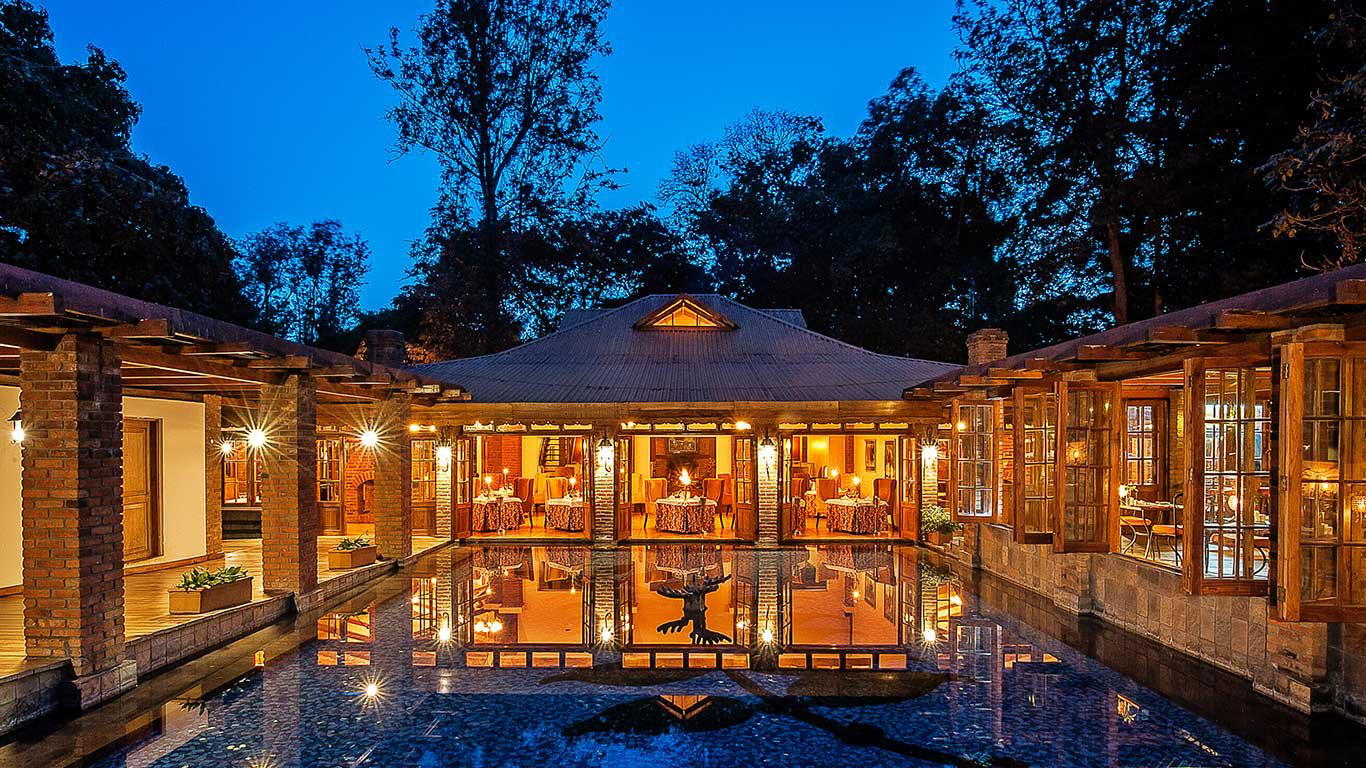
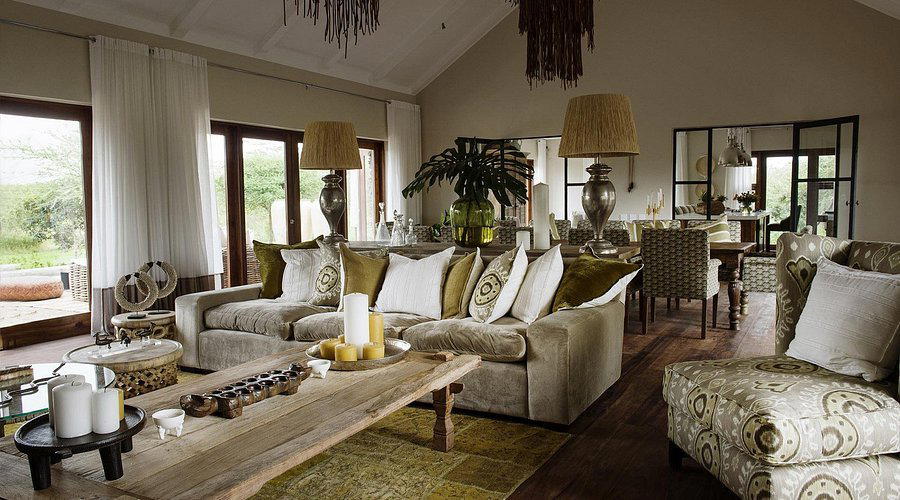
Bright but cosy, with rich amber wooden floors, french windows, an outside deck, and an intimate lounge atmosphere with garden-terrace seating.
Know Before You Go
- Getting there
- Old Dodoma Road, Burka Coffee Estate, Arusha, Tanzania