
Falstaff Winery - Listed
Weingut Kletzer is a family-run Weinviertel estate in Poysdorf shaped around dry, aromatic whites, regional varieties, and a quiet rural tasting mood. The useful lens here is site expression rather than luxury signaling: Gelber Muskateller, Sämling 88, Neuburger, Rivaner, and Grüner Veltliner form the core evidence, with medal references adding a modest but concrete quality signal.

Pearl is the En Primeur Club membership app, where members save venues, book tables and use the concierge.

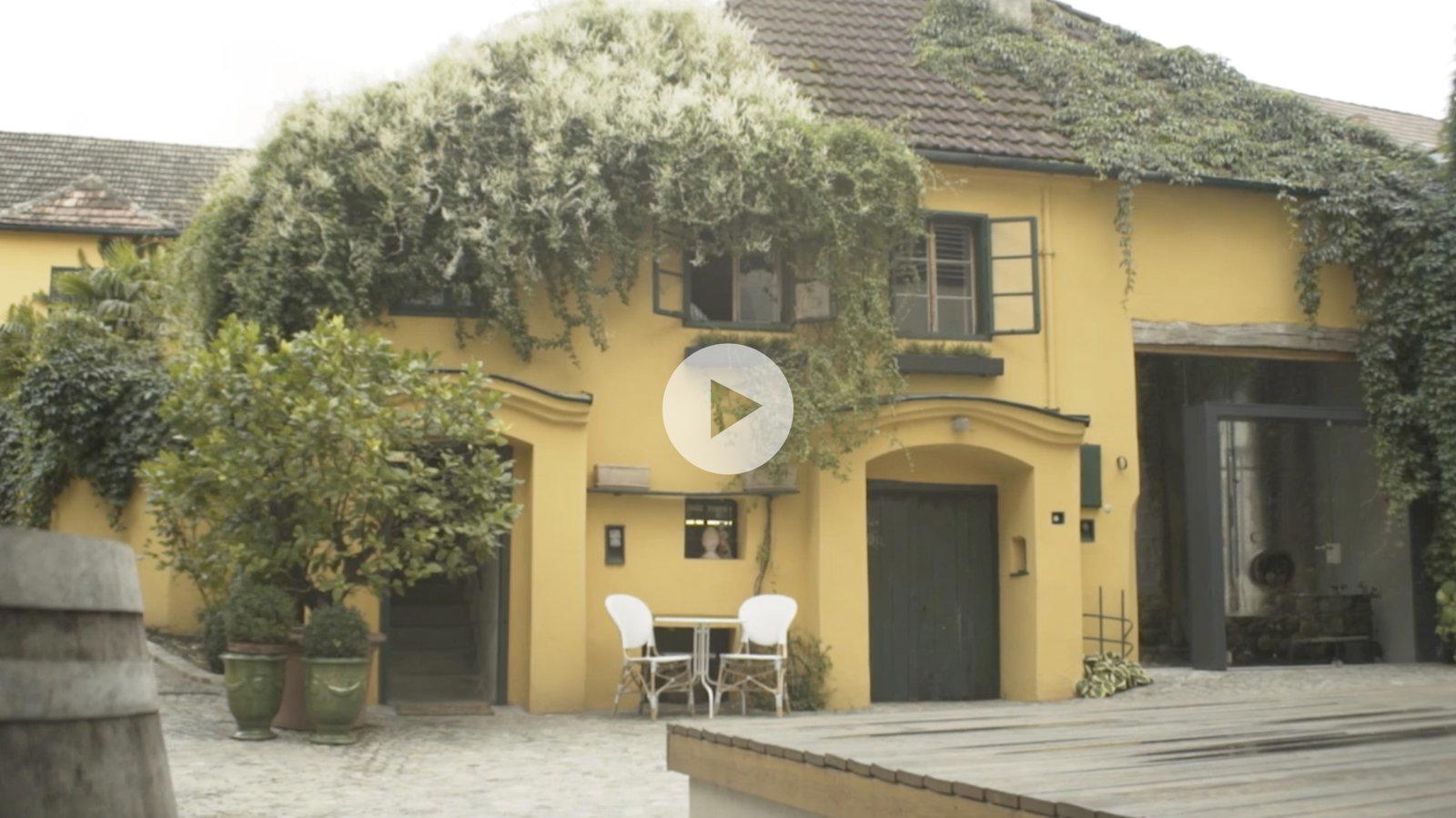
Weingut Kletzer in Poysdorf is best understood as a modest wine-estate address rather than a formal restaurant or luxury tasting room. The picture is simple: it is a family-run wine estate with a traditional, nature-oriented feel and a focus on fresh white and red wines. That gives the venue a clear place in a Poysdorf itinerary for travelers who prefer quiet, rustic, classic, and cozy settings over a heavily staged hospitality experience.
The most useful way to read the venue is through restraint. The available facts do not support a detailed claim about specific grape varieties, vineyard sites, tasting formats, awards, owners, appointment rules, or farming certifications. What is clear is the tone: family-run, traditional, nature-oriented, and centered on fresh white and red wines. For an EP Club guide, that matters because it keeps expectations honest. Weingut Kletzer should not be framed as a trophy destination with a documented critic trail; it should be framed as a direct Poysdorf wine estate with a calm, rural character.
A Poysdorf wine estate with a quiet, traditional feel
The strongest identity of Weingut Kletzer is atmospheric rather than technical. Its style is described as rustic, quiet, classic, and cozy, which points toward a venue where the appeal is likely to come from simplicity and continuity rather than spectacle. That does not require invented detail to be meaningful. For many travelers, especially those building a slower wine day, a family-run estate can be more useful than a more theatrical stop because it keeps the focus on place, hospitality, and the wines themselves.
Wine focus is also deliberately broad in the record: fresh white and red wines. That phrasing should be preserved without overextending it into claims about specific bottles, grapes, vintages, alcohol levels, medals, pairings, or cellar techniques. A guest considering Weingut Kletzer should expect the guide to be transparent: the confirmed information supports a general wine-estate recommendation, not a bottle-by-bottle tasting note.
Price is listed as $, which positions Weingut Kletzer on the accessible end of the EP Club scale. That price signal fits the overall read of the venue: approachable, grounded, and not built around luxury cues. It is useful for planning because it suggests a lower-cost stop compared with more elaborate hospitality formats, while still leaving the exact cost of any particular visit or purchase unspecified.
The estate's strength is restraint, not collector mythology
Weingut Kletzer should be presented without borrowed prestige. Rather than filling those gaps with assumptions, the more accurate editorial approach is to make the thin data visible. The confirmed strengths are a family-run identity, a traditional and nature-oriented sensibility, a cozy rural tone, and a focus on fresh white and red wines.
That restraint is not a weakness for the right traveler. Some wine addresses are chosen for famous labels, formal hospitality, or highly specific bottle lists. Weingut Kletzer reads differently. It is a Poysdorf estate for visitors who want an unforced, quiet setting and a direct connection to a family wine context. The guide should therefore avoid presenting it as a collector destination and instead describe it as a grounded stop for people who value simplicity and freshness.
For planning, the lack of specifics means visitors should confirm practical details directly before relying on them. The guide can support the decision at a higher level: choose Weingut Kletzer if a rustic, classic, and cozy wine-estate mood is the priority; look elsewhere in Poysdorf if the goal is a documented restaurant meal, a named tasting format, or a more elaborately described hospitality program.
How to place it inside a Poysdorf wine day
Inside a Poysdorf wine day, Weingut Kletzer makes most sense as a quiet, traditional anchor. Its appeal is not based on a dish list, a formal dining room, or a publicized drinks program beyond its focus on fresh white and red wines. It should be approached as one part of a broader local plan, with other Poysdorf dining and hospitality options considered generically according to the traveler’s needs.
The practical editorial advice is to keep expectations flexible. What can be said with confidence is narrower but still useful: Weingut Kletzer is a family-run wine estate in Poysdorf, it has a traditional and nature-oriented feel, it is described as rustic, quiet, classic, and cozy, it focuses on fresh white and red wines, and its price level is listed as $.
The editorial verdict is therefore plain and intentionally modest. Weingut Kletzer is a sensible Poysdorf choice for travelers seeking an accessible, family-run wine estate with a calm, traditional atmosphere. It is not a page that should be built around awards, named grape varieties, private tasting claims, or detailed regional mythology. Its confirmed value lies in freshness, simplicity, and a quiet estate character.
Recognition history
Dated appearances from independent guides and award organizations, with the underlying list record or original source where available.
Falstaff Winery - Listed
Falstaff
Continue exploring
More in Poysdorf
Details
- Rustic
- Quiet
- Classic
- Cozy
- Solo Exploration
- Special Occasion
- Estate Grounds
- Private Tasting
- Sustainable
- Vineyard
- Sämling 88
- Gelber Muskateller
- Neuburger
- Rivaner
- Grüner Veltliner
- Still White
- Still Red
- Tasting
A family-run wine estate with a traditional, nature-oriented feel and a focus on fresh white and red wines.