
Falstaff Winery - Listed
Weingut Heger is a small, family-run Poysdorf winery rooted in Weinviertel cellar culture and cultivation dating to the 18th century. The draw is not trophy-label theatre but a grounded tasting format: white and red wines, vineyard and cellar context, small-snack pairings, and a vinegar craft line tied to the estate’s wider food work.

Pearl is the En Primeur Club membership app, where members save venues, book tables and use the concierge.
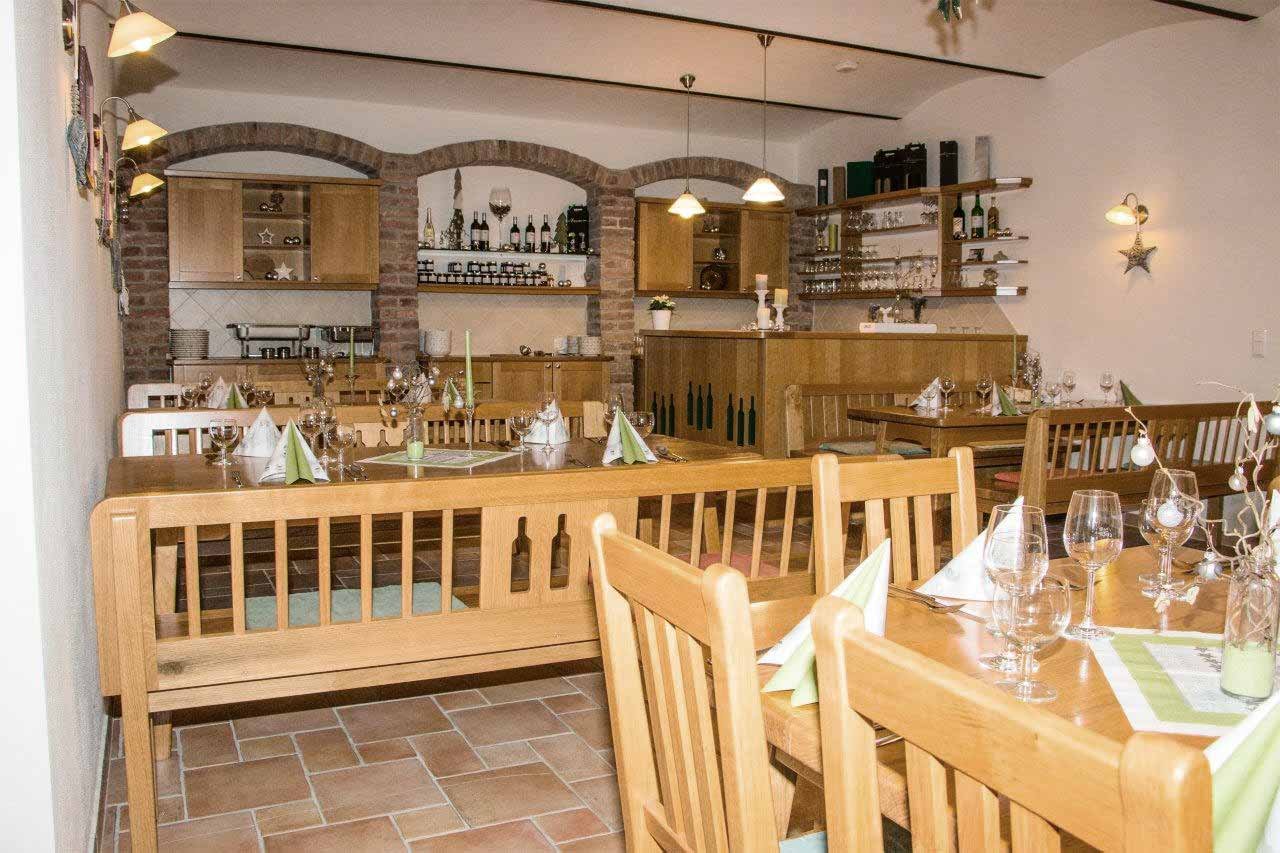
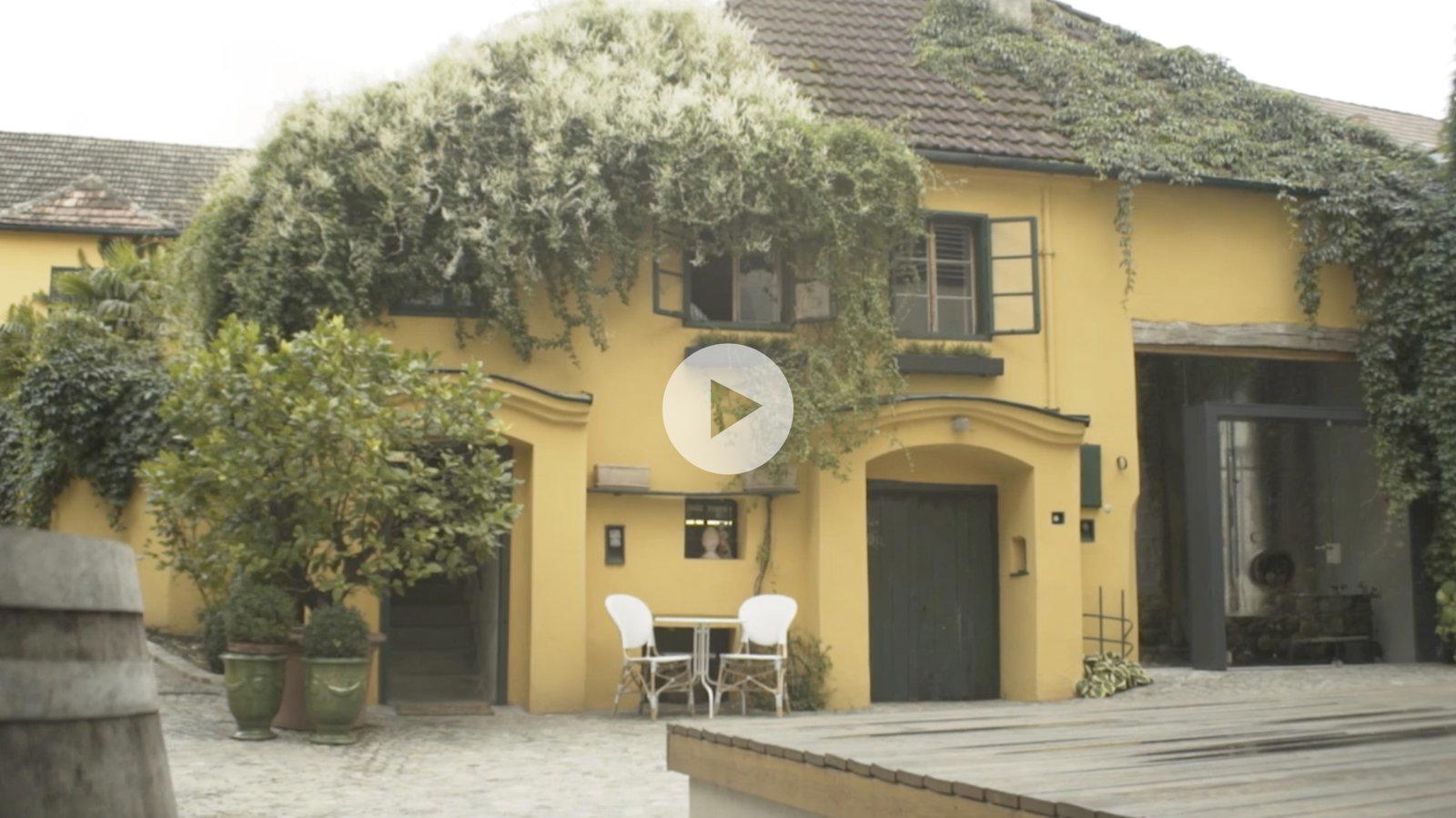
In Poysdorf, Weingut Heger is best understood as a family-run winery rather than a restaurant or nightlife venue. The picture is deliberately simple: a quiet, rustic, classic, and cozy setting, a long family tradition reaching back to the 18th century, and a visit shaped by winemaking, tasting, and the surrounding vineyard-and-cellar context. It is not a page that needs invented menu detail, scores, awards, or chef-driven language. The appeal is the continuity of a working winery in Poysdorf and the chance to experience wine in a setting that stays close to its agricultural roots.
The useful way to frame a visit is through pace and atmosphere. Weingut Heger is described as natural and modern-traditional in its approach, which suggests a winery experience that values both heritage and present-day care. The setting is not presented as flashy or theatrical. It is quieter and more grounded: a place where the tasting experience can be connected to the vineyard and the cellar rather than separated from the production story.
Winery character in Poysdorf
Weingut Heger’s strongest identity is its long family tradition. A history reaching back to the 18th century gives the estate a sense of continuity, but that should not be inflated into unsupported claims about specific founders, labels, awards, techniques, or production numbers. What can be said is that the winery belongs to Poysdorf’s broader culture of wine hospitality, where visitors often look for a direct connection between place, people, and the glass.
The atmosphere is described as quiet, rustic, classic, and cozy. Those words matter because they set expectations more accurately than luxury shorthand would. This is a winery to consider if the goal is a calm tasting experience with a traditional feel, not a loud bar-style stop or a heavily designed destination built around spectacle. The description also points to a natural, modern-traditional approach to winemaking, so the tone is not purely nostalgic. It balances heritage with a contemporary sense of craft.
There is no confirmed public detail here about a full food menu, specific grape varieties, named bottles, critic scores, service capacity, exact hours, or dietary accommodations. Travelers should treat the page as a grounded orientation rather than a complete operating guide, and should confirm practical details directly with the winery before planning around a specific tasting time or format.
Tastings, vineyard context, and cellar experience
The experience at Weingut Heger centers on winery tasting, with the possibility of vineyard and cellar elements. That is the most important practical point for visitors. A tasting here can be more than a simple pour because the setting allows the wine to be understood alongside the place where it is made. The vineyard and cellar context gives structure to the visit without requiring unsupported claims about a fixed tour route, a set tasting menu, or a particular number of wines.
This makes Weingut Heger a good fit for travelers who like wine experiences that explain rather than merely present. The winery’s long history and family-run character provide the background, while the rustic and cozy setting shapes the mood. The result is a venue that should be approached as a traditional Poysdorf winery visit: calm, place-based, and focused on the relationship between wine, family tradition, and production setting.
It is also important to keep the experience in the right category. Weingut Heger should not be described as a restaurant unless current official information confirms a dining service. Likewise, there is no confirmed evidence here for takeout, delivery, lunch service, a specific snack offering, or allergy-related policies. If those details matter, they should be checked with the winery directly.
How to place it within a Poysdorf wine day
A Poysdorf wine day works well when it is planned with time and flexibility. Weingut Heger’s character points toward a slower stop: a family-run winery with an 18th-century tradition, a quiet and rustic atmosphere, and tasting experiences that can include vineyard and cellar context. It is most naturally suited to visitors who want to understand a winery through setting and conversation rather than through a quick checklist of labels or awards.
The price level is listed as $, which places it at the accessible end of the guide’s scale. That does not define the exact cost of any tasting or tour, and it should not be used as a substitute for current winery information. It does, however, help set broad expectations: Weingut Heger is presented as an approachable Poysdorf winery rather than a high-cost luxury venue.
For wider planning, use other Poysdorf dining, lodging, bar, and experience resources generically, and confirm the most current details with each venue before building an itinerary.
Recognition history
Dated appearances from independent guides and award organizations, with the underlying list record or original source where available.
Falstaff Winery - Listed
Falstaff
Continue exploring
More in Poysdorf

Details
- Quiet
- Rustic
- Classic
- Cozy
- Wine Education
- Group Outing
- Special Occasion
- Solo Exploration
- Vineyard Tour
- Historic Building
- Private Tasting
- Sustainable
- Vineyard
- White
- Red
- Still White
- Still Red
- Guided Tasting
- Wine Tasting
Family-run winery with a long tradition since the 18th century; the setting emphasizes natural, modern-traditional winemaking and tasting experiences that can include a vineyard and cellar tour.