Weingut H. Krayer

Falstaff Winery - Listed
Weingut H. Krayer is a small Rheingau estate in Oestrich-Winkel with roots dating to 1866 and a cellar built in 1868. The appeal is not spectacle but continuity: handcrafted Riesling, Pinot Noir, White Burgundy and sparkling wines shaped through slow cellar work, estate tastings and a quiet, traditional setting.

Pearl is the En Primeur Club membership app — saves, bookings, and concierge access live there. Same editors, same standards.

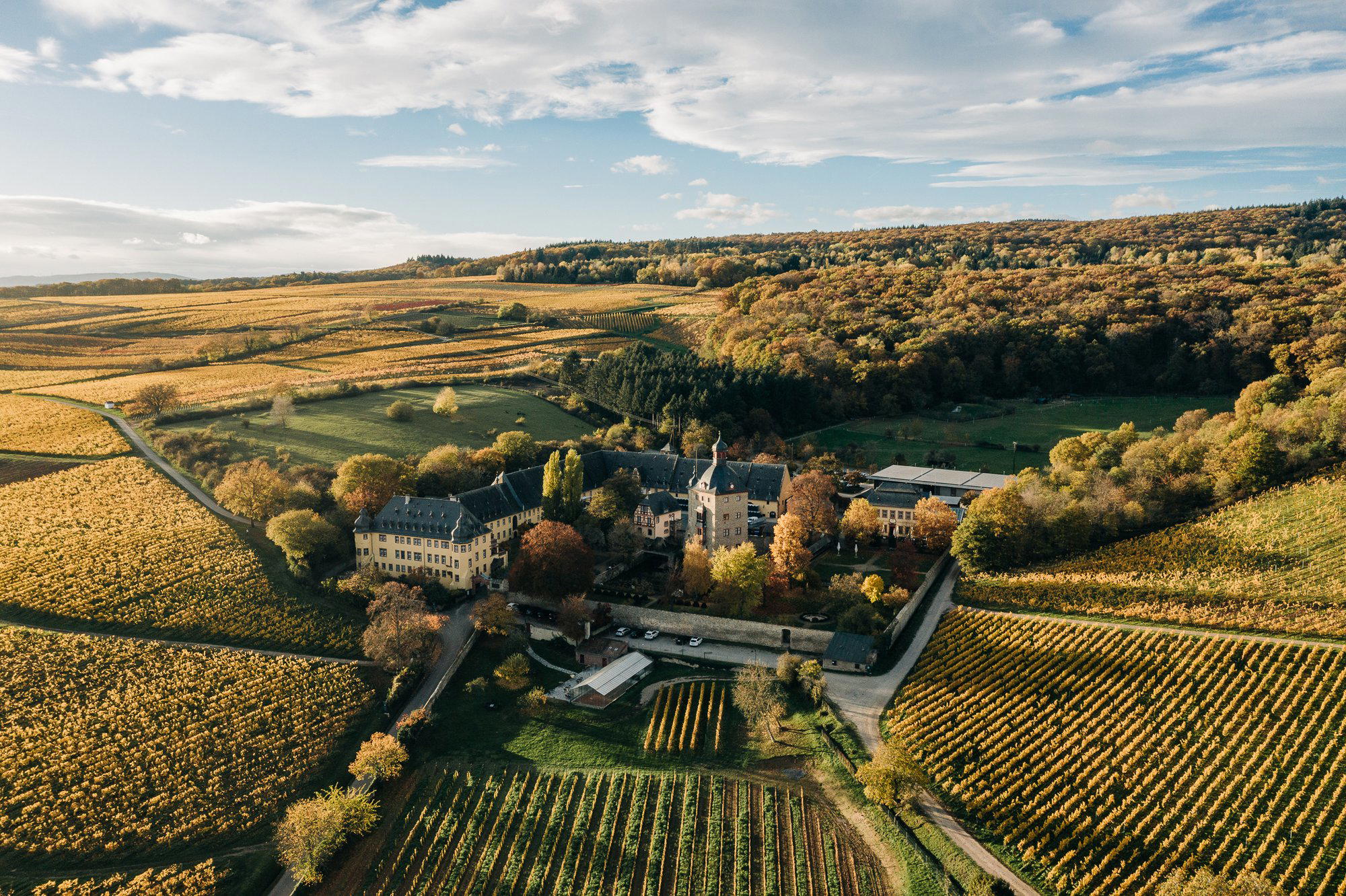
Weingut H. Krayer is best presented as a traditional winery in Oestrich-Winkel, with the emphasis kept on the estate itself rather than on an invented restaurant, bar, or destination-hospitality story. The picture is deliberately narrow but useful: a handcrafted winery atmosphere, a historic old wine cellar, an estate shop, and a quiet, rustic setting that gives the place a hidden-gem quality.
That is enough to frame the visit honestly. What can be said with confidence is that the setting is classic and restrained, and that the estate’s identity is tied to careful wine development and a character-driven production style.
Traditional winery character in Oestrich-Winkel
The main appeal of Weingut H. Krayer is its traditional, handcrafted winery atmosphere. The description points to a place where the estate shop and historic old wine cellar matter to the experience. In practical terms, that gives the venue a more grounded character than a polished hospitality showcase: the atmosphere is classic, rustic, quiet, and closely connected to the idea of wine being developed with care.
For EP Club readers, the important distinction is that the page should be read as a winery guide rather than as a restaurant listing. The confirmed story is simpler: Weingut H. Krayer is a winery in Oestrich-Winkel with an estate-shop setting and a historic cellar atmosphere.
That modesty is part of the appeal. A quiet winery can be more rewarding when approached without expecting a heavily staged experience. The language around Weingut H. Krayer emphasizes character, craft, and careful wine development. Those are broad qualities, but they are also the safest way to describe the venue without adding unsupported claims about specific grapes, vintages, production methods, awards, or visitor formats.
A quiet estate setting rather than a staged wine experience
Weingut H. Krayer’s atmosphere is described as classic, rustic, and quiet. That makes it a better fit for visitors who value a low-key winery setting than for travellers looking for a large, highly programmed hospitality venue. The presence of an estate shop, as is the historic old wine cellar; beyond that, the available confirmed information does not support detailed promises about tours, tasting structures, group size, languages, reservations, or food service.
This restraint matters. Many venue pages become unreliable when they convert a simple winery profile into a detailed itinerary. Here, the grounded version is more useful: expect a traditional winery environment in Oestrich-Winkel, with the estate shop and old cellar atmosphere central to the identity. The experience should be understood through the lens of wine, craft, and place rather than through claims about menus, events, awards, or specific hospitality services.
The price level is listed as $, which places Weingut H. Krayer at the accessible end of the guide’s pricing scale. That price marker should not be overread as a promise of a particular tasting fee, bottle price, or package. It simply indicates the venue’s general cost level within the guide.
How to place it in an Oestrich-Winkel wine itinerary
For a visit to Oestrich-Winkel, Weingut H. Krayer works well as a quiet winery stop rather than as the anchor for a meal-based plan. The details support a concise itinerary role: a traditional estate atmosphere, a historic old wine cellar, and an estate shop. If you are planning around dining, hotels, bars, or other experiences in Oestrich-Winkel, treat those as separate decisions rather than assuming they are part of the winery’s offer.
The most reliable way to approach the venue is to keep expectations specific but not overbuilt. It is fair to expect a classic, rustic winery atmosphere. It is fair to associate the estate with careful wine development and a character-driven production style. It is not fair to assert unsupported details about grape varieties, tasting formats, founding dates, cellar dates, awards, service capacity, dietary accommodations, take-out, delivery, or exact opening arrangements.
In that sense, Weingut H. Krayer is a useful example of a thin-data venue page done honestly. The confirmed facts are limited, but they still create a clear profile: an Oestrich-Winkel winery with a handcrafted feel, a historic cellar atmosphere, an estate shop, quiet character, and accessible price positioning. Readers who want a grounded winery stop can use that information; readers who need specific logistics should verify them directly before arranging a visit.
Recognition history
Dated appearances from independent guides and award organizations, with the underlying list record or original source where available.
Falstaff Winery - Listed
Falstaff
Continue exploring
More in Oestrich-Winkel
Details
- Classic
- Rustic
- Quiet
- Group Outing
- Wine Education
- Solo Exploration
- Historic Building
- Estate Grounds
- Private Tasting
- Vineyard
- Riesling
- Pinot Noir
- White Burgundy
- Still White
- Still Red
- Sparkling
- Private Tasting
- Estate Tasting
- German
- English
Traditional, handcrafted winery atmosphere with a historic old wine cellar and an estate shop; the setting emphasizes careful wine development and a character-driven production style.