das kleine RieslingGut

A tiny Rheingau Riesling estate with about one hectare of vines across eight sites, das kleine RieslingGut rewards visitors who care about scale, soil and cellar work over polished hospitality theatre. The format is quiet and appointment-led, with Christoph Schütt’s dry Rieslings and small sparkling production giving a compact view of Rüdesheim am Rhein terroir.
Pearl is the En Primeur Club membership app — saves, bookings, and concierge access live there. Same editors, same standards.
- Address
- Oestrich-Winkel, Rheingau, Hesse, Deutschland
 Saves & bookings on Pearl
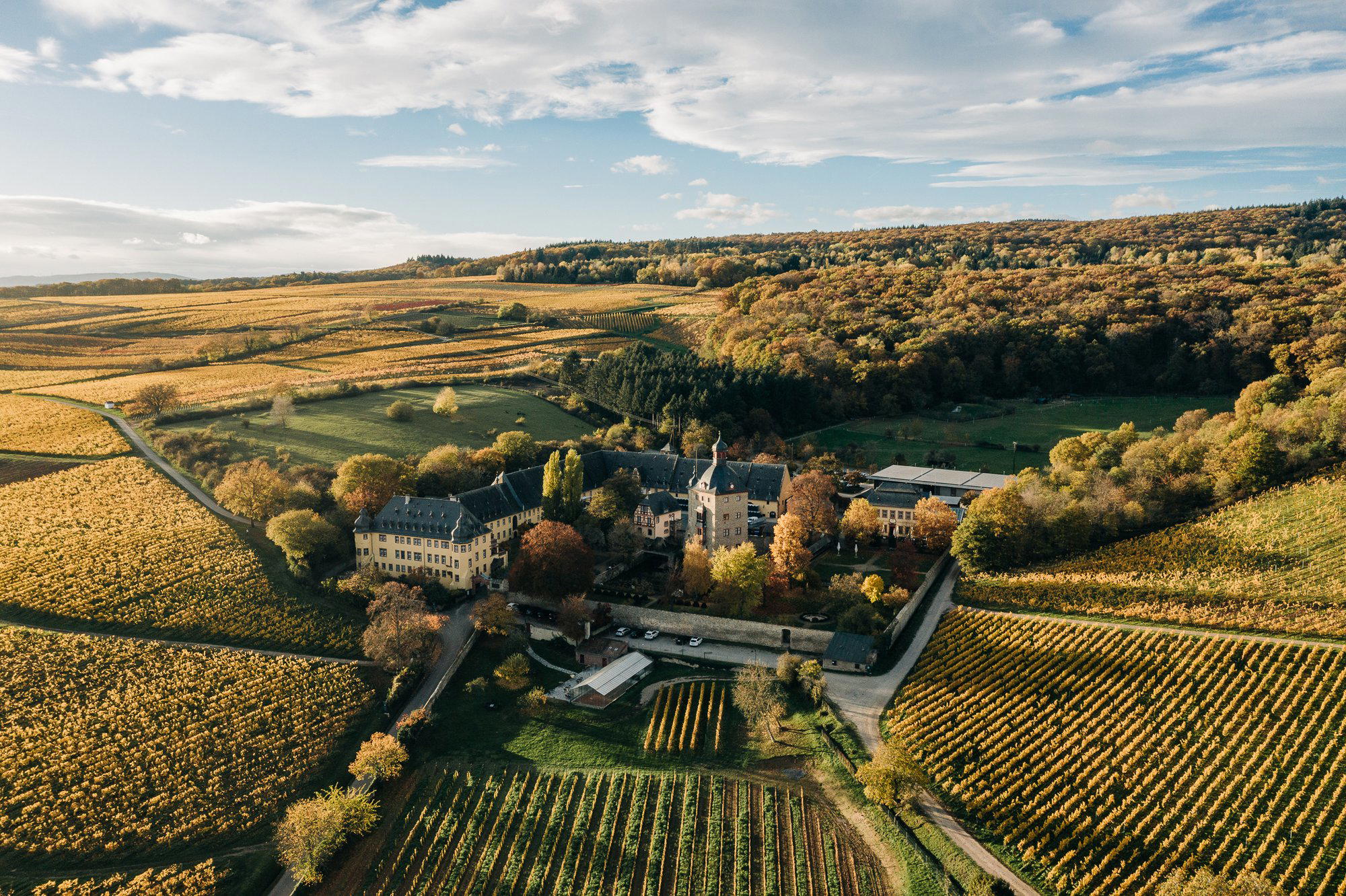
Approach das kleine RieslingGut in Oestrich-Winkel as a small, low-key artisan winery rather than a polished visitor centre. The picture is intimate and rustic: a place whose appeal is tied to cellar and vineyard work, with a personal, authentic feel and an appointment-based tasting atmosphere. In practical terms, that means the venue is easier to understand as a working winery with a quiet sense of place than as a destination built around elaborate hospitality language.
Because the available information is deliberately narrow, the safest way to read the venue is through that atmosphere rather than through unconfirmed specifics. Treat it as a quiet, appointment-led winery stop in Oestrich-Winkel, well suited to visitors who value directness, simplicity and a sense of the working cellar. It is a venue where restraint is part of the profile: the lack of glossy detail does not need to be filled with assumptions, but it does suggest a visit best planned with clear communication and modest expectations.
A small, intimate winery with a classic, low-key feel
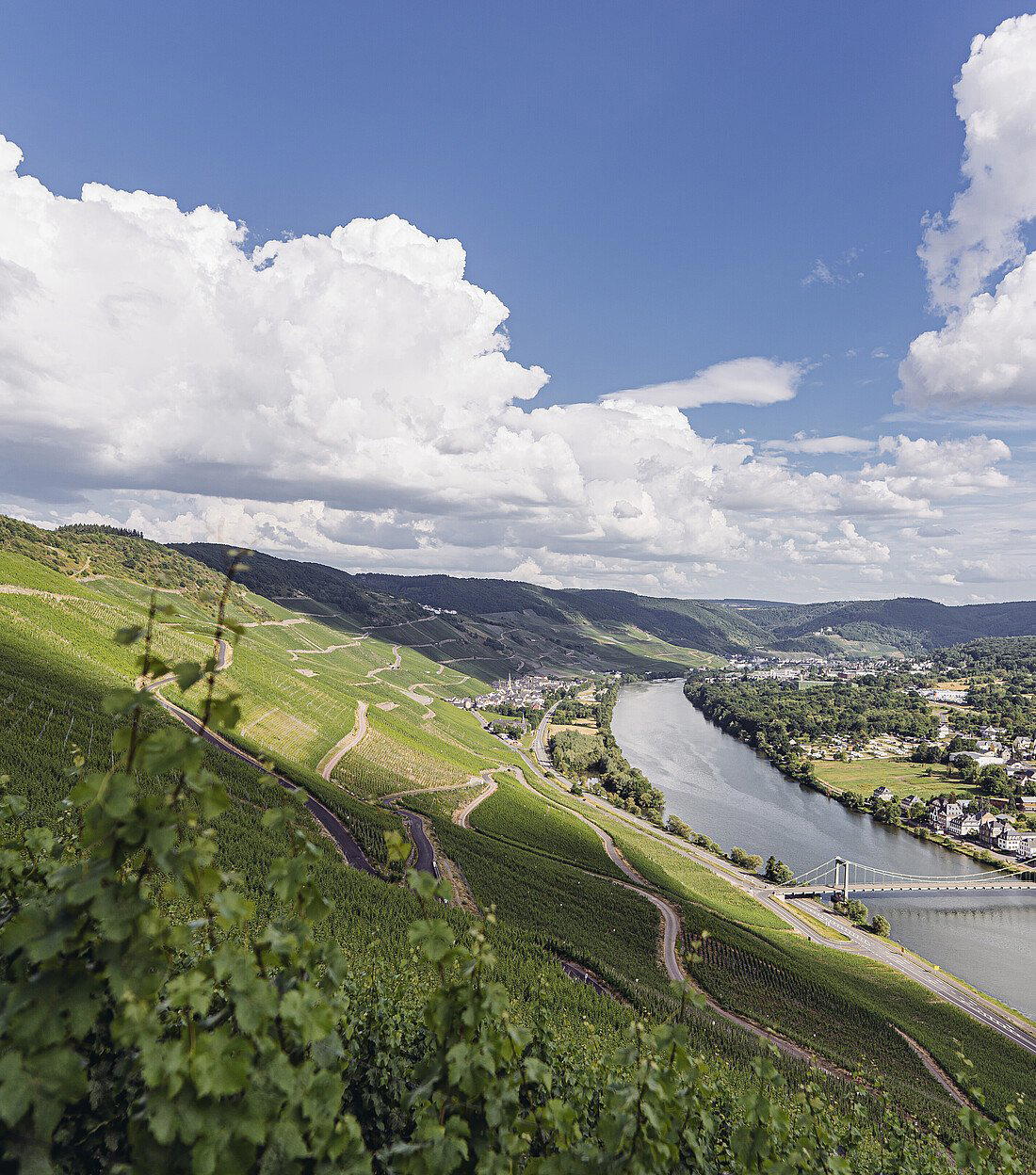
das kleine RieslingGut is best understood as a hidden-gem-style winery in Oestrich-Winkel. The tone is not built around spectacle or a large hospitality operation; it is described as personal, authentic and focused on the practical work of cellar and vineyard. That framing gives the place a classic, unforced character, more about proximity to the source than about a highly staged guest experience.
That makes the experience feel more intimate than formal. Rather than relying on claims about vineyard size, bottle range, awards or production methods, the grounded appeal is the setting itself: a small artisan winery where the visit is shaped by appointment-based tastings and a rustic, classic atmosphere. The emphasis is on a simple kind of encounter, where the surroundings and the cellar-oriented identity do most of the work.
The listed price level is $$, placing it in a moderate bracket. Beyond that, specific costs, wine lists, payment methods and service details should be confirmed directly with the winery before planning a visit. This is especially important because the available public picture is intentionally limited, and the experience depend less on standardised visitor infrastructure than on arranging the right time and format in advance.
The tasting format is closer to a cellar visit than a polished hospitality product
The format points to appointment-based tasting rather than casual drop-in touring. That distinction matters: this is the kind of place to plan ahead for, especially if you are building a quieter Oestrich-Winkel itinerary around small wineries and personal encounters. An appointment-led visit naturally changes the rhythm of the day, encouraging visitors to think in terms of one focused stop rather than a quick, unscheduled call-in.
Appeal is not a long list of confirmed amenities. It is the low-key, working-winery character: an intimate setting, a rustic feel and an emphasis on cellar and vineyard work. Visitors looking for a highly produced tasting-room experience should set expectations accordingly. Those who prefer a more direct, less dressed-up winery atmosphere are more likely to understand why the venue is framed through authenticity, simplicity and closeness to the practical side of wine.
For wider planning, pair das kleine RieslingGut with other unnamed dining or wine stops in Oestrich-Winkel, keeping the schedule relaxed enough for an appointment-based visit. The key is not to overpack the day. Leaving time around the tasting makes sense for a venue whose character is tied to a personal and intimate format, and it reduces the risk of treating a planned cellar-style visit like a quick retail stop.
How to place it in an Oestrich-Winkel day
The smart approach is to treat the winery as a focused stop rather than a casual walk-in. Confirm the appointment, arrive with time, and expect a personal, low-key atmosphere rather than a large visitor centre. The visit should be approached with the same restraint reflected in the description of the winery itself: quiet, direct and grounded in the working setting.
Its best fit is for travellers who appreciate smaller artisan wineries, rustic settings and a more direct connection to cellar and vineyard work. For a broader day in Oestrich-Winkel, use it as one intimate winery stop among other generic local options, rather than building expectations around awards, menus, seat counts or production details. In that role, the winery works well as a modest, character-led part of the day: a place to visit for atmosphere and personal scale, while confirming all practical details directly before going.
Recognition history
Dated appearances from independent guides and award organizations, with the underlying list record or original source where available.
Falstaff Winery - Listed
Falstaff
Continue exploring
More in Oestrich-Winkel
At a Glance
- Intimate
- Rustic
- Classic
- Solo Exploration
- Wine Education
- Group Outing
- Special Occasion
- Private Tasting
- Sustainable
- Rheingau
- Riesling
- Grüner Veltliner
- Still White
- Sparkling
- Appointment Only Tasting
- Cellar Tasting
Small, low-key artisan winery with a personal, authentic feel, focused on cellar and vineyard work rather than a polished visitor center, creating an intimate, appointment-based tasting atmosphere.