Mura Mura

Mura Mura reads as a Piedmont wine estate built around place rather than spectacle: 30 hectares of vineyards, orchard, woods, bees and lake on the Costigliole d’Asti hills between Langhe and Monferrato. Its strongest argument is terroir in two registers, with Nebbiolo-led Barbaresco and Barolo on one side and a freer Monferrato vocabulary on the other.
Pearl is the En Primeur Club membership app — saves, bookings, and concierge access live there. Same editors, same standards.
- Address
- Costigliole d'Asti, Piedmont, Italien
 Saves & bookings on Pearl
The approach to Mura Mura is defined by cultivated quiet: vineyard rows, orchard ground, woodland, water and the soft geometry of the Costigliole d’Asti hills. This is Piedmont presented as a working agricultural system rather than a cellar with scenery attached. The estate covers 30 hectares, with vines sharing space with fruit trees, bees and a lake, so the first impression is not only wine country but biodiversity arranged with clear hospitality intent.
That matters in this part of Piedmont. Langhe and Monferrato are often discussed through appellation hierarchy, grape variety and cellar reputation; here the stronger editorial read is land use. Mura Mura treats the estate as a single organism, with wine, orchard, preserved fruit, herbs, dining and tasting all tied to the same ground. For travellers used to producer visits that begin and end in a tasting room, the format feels broader: an agrarian estate experience where the vineyard is only one part of the argument.
Two Piedmont languages: Langhe discipline and Monferrato freedom
The wine identity turns on a useful regional contrast. Langhe brings the formal weight of Nebbiolo, especially through Barbaresco DOCG and Barolo DOCG, where rules, ageing expectations and cru language shape the conversation before a bottle is opened. Monferrato gives the estate a looser field of play, with Piedmontese varieties interpreted with less ceremonial pressure. That split is more than branding; it maps two different ways of reading Piedmont, one governed by structure and inheritance, the other by agricultural range and stylistic room.
The named varietal base supports that duality: Nebbiolo, Barbera, Grignolino, Freisa, Favorita and Moscato. In a region where single-grape reputation can dominate, that spread gives the tasting a broader educational function. Nebbiolo carries the serious Langhe register, while Barbera and the local varieties pull the conversation toward Monferrato’s more varied drinking culture. The result is not a generic estate portfolio but a compact lesson in how Piedmont changes tone across short distances.
Production sits at a medium estate scale, around 50,000 to 60,000 bottles a year from roughly 14 to 25 hectares of vineyard. Those figures place the operation outside both tiny cult-cellar scarcity and high-volume anonymity. The more interesting point is the relationship between scale and hospitality: there is enough production breadth for comparative tasting, but the estate presentation remains intimate, guided and slow-paced rather than industrial.
A winery-farm format, not a single-purpose tasting stop
The contemporary Piedmont visitor economy increasingly rewards estates that can explain place in more than one register. Mura Mura fits that shift because its tasting room is supported by a wider farm structure: experimental orchard, gardens, cellar, lake, outdoor areas and restaurant connection. Fruit from dozens of varieties is used for jams and infusions, while aromatic herbs are linked to the kitchen at Radici. The wine visit therefore sits inside a larger system of cultivation, preservation and cooking.
This is where the estate’s terroir argument becomes tactile without needing technical cellar jargon. Soil type, elevation and parcel data are not the central public language here; biodiversity is. The presence of bees, woods, orchard and water gives the visitor a practical frame for understanding stewardship and micro-environment, especially in a region where many estates foreground heritage first and ecology second. The property’s sustainable and organic sourcing tags reinforce that direction, though the more persuasive evidence is the visible diversity of land use.
The hospitality format is also unusually inclusive for a serious wine estate. Guided tastings, estate tastings, food pairings and vertical or themed tastings are part of the experience set, and tours are listed in Italian, English and French. Outdoor seating, private tasting potential, wheelchair accessibility, on-site parking and family suitability broaden the audience without flattening the wine focus. A quiet noise level and smart-casual code keep the register polished, but the playground and estate grounds prevent the atmosphere from becoming precious.
Opening in 2019 gives the winery a different profile from Piedmont’s older family cellars. It does not lean on centuries of inherited cellar mythology; it works through contemporary rural design, ecological framing and a carefully assembled visitor rhythm. In practical editorial terms, that makes it more compelling for travellers interested in how new Piedmont hospitality is being built around landscape, not just labels.
How to place it in a Costigliole d'Asti itinerary
Costigliole d’Asti is a useful base for travellers who want Piedmont without reducing the trip to a Barolo-and-Barbaresco checklist. The town sits in a zone where winery visits, countryside restaurants, agriturismo stays and small producers form a slower circuit. The winery belongs in that rhythm: allow it space in the day rather than treating it as a quick tasting between appointments.
The cellar and tasting room are best understood as part of the estate route. The format is by reservation and the standard tour duration is 90 minutes, which is long enough for the visit to move beyond a basic pour-and-exit model. The house style is quiet, scenic and design-conscious; groups can work here, but the experience is better when the pace is not rushed. Shipping is available, and a wine club is listed as open, useful for visitors who want to follow the estate after the trip.
For broader planning in the area, EP Club’s local wine map can be extended through Boeri Vini, Distilleria Beccaris, Gozzelino Sergio, Tenuta Ronzano and Valfieri. For city-level planning, use Our full Costigliole d'Asti wineries guide, then cross-check dining, stays, drinks and activities through Our full Costigliole d'Asti restaurants guide, Our full Costigliole d'Asti hotels guide, Our full Costigliole d'Asti bars guide and Our full Costigliole d'Asti experiences guide. Travellers comparing winery formats beyond Piedmont can also look at 3GP SRL in Treviso, 47 Anno Domini in Trebaseleghe, A Mano Wine in Noci, »der Steiner« Hans Steiner in Podersdorf am See and & Handwein in Mannheim.
Recognition history
Dated appearances from independent guides and award organizations, with the underlying list record or original source where available.
Falstaff Winery - 3 Stars
Falstaff
Continue exploring
More in Costigliole d'Asti
Wineries in Costigliole d'Asti
Browse all →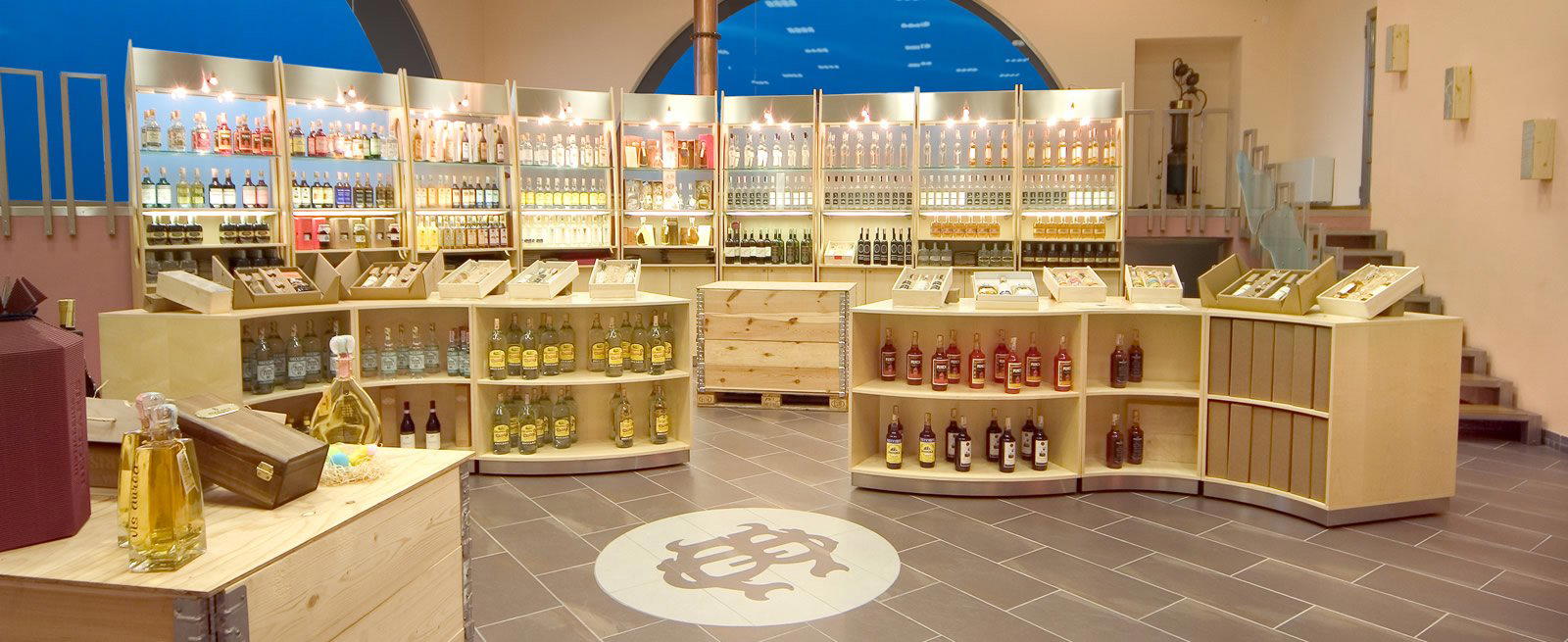
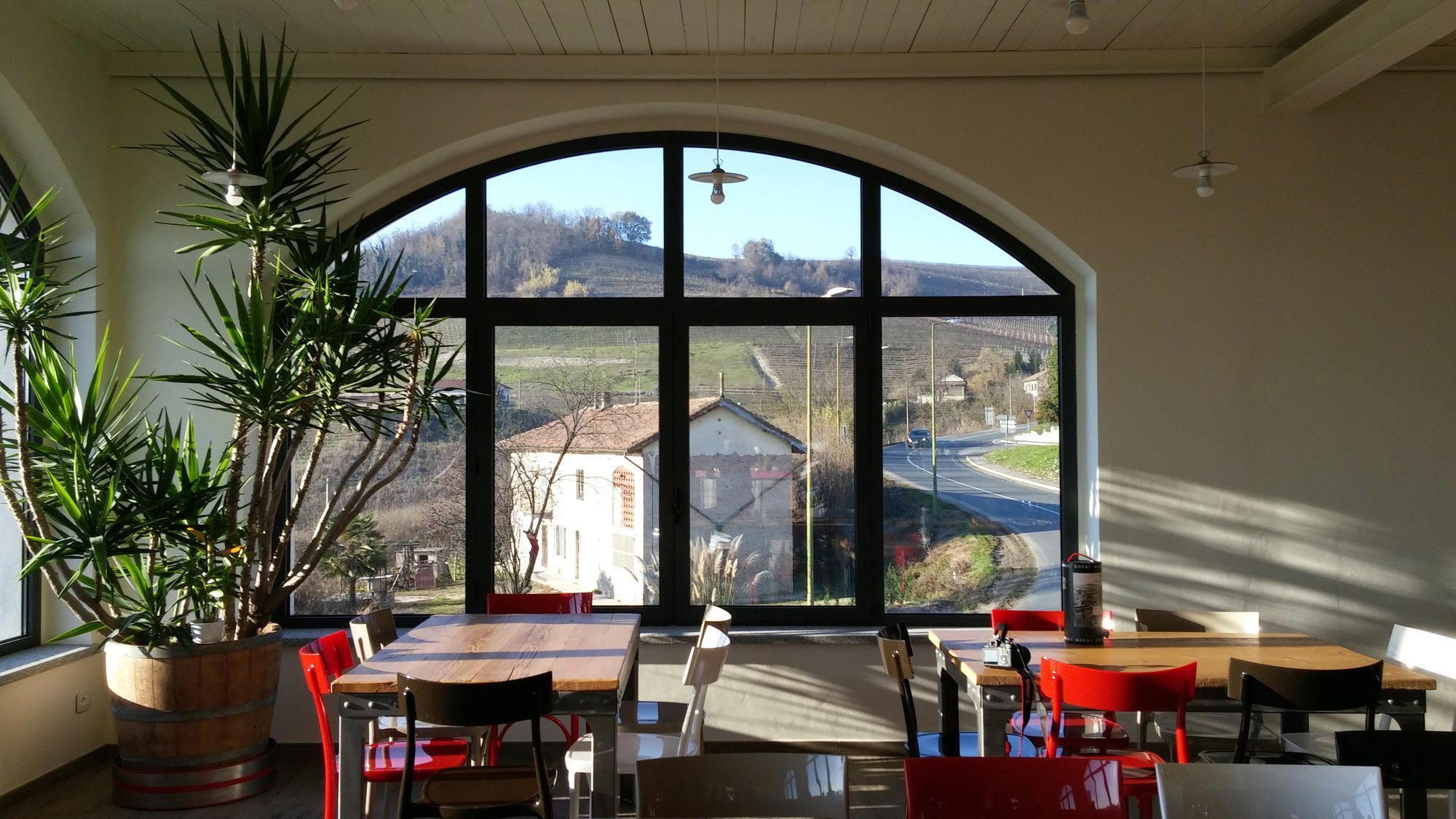
Restaurants in Costigliole d'Asti
Browse all →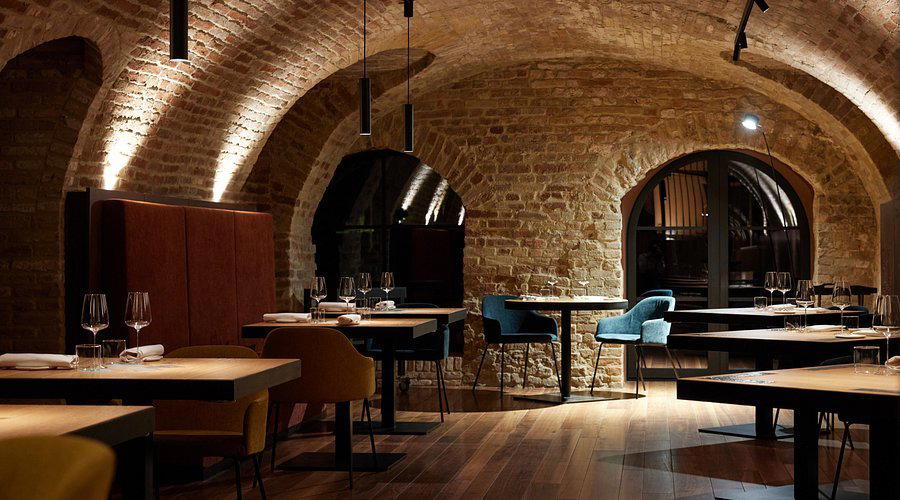
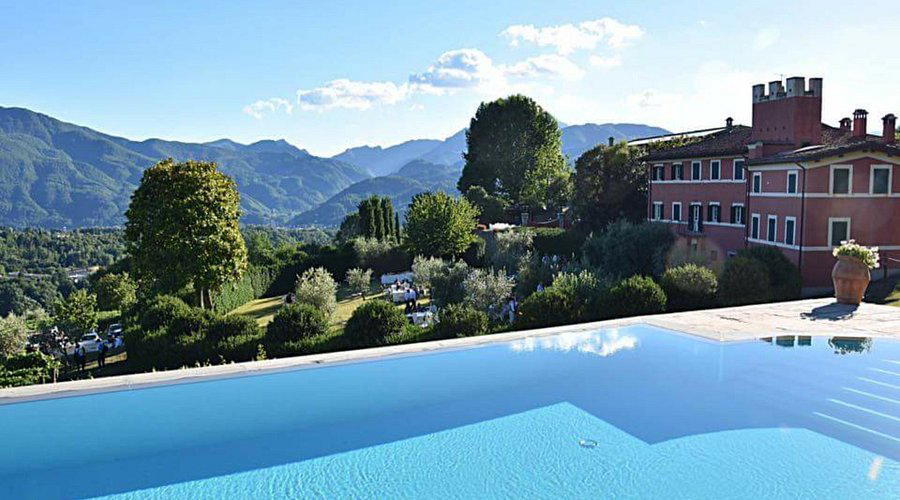
Hotels in Costigliole d'Asti
Browse all →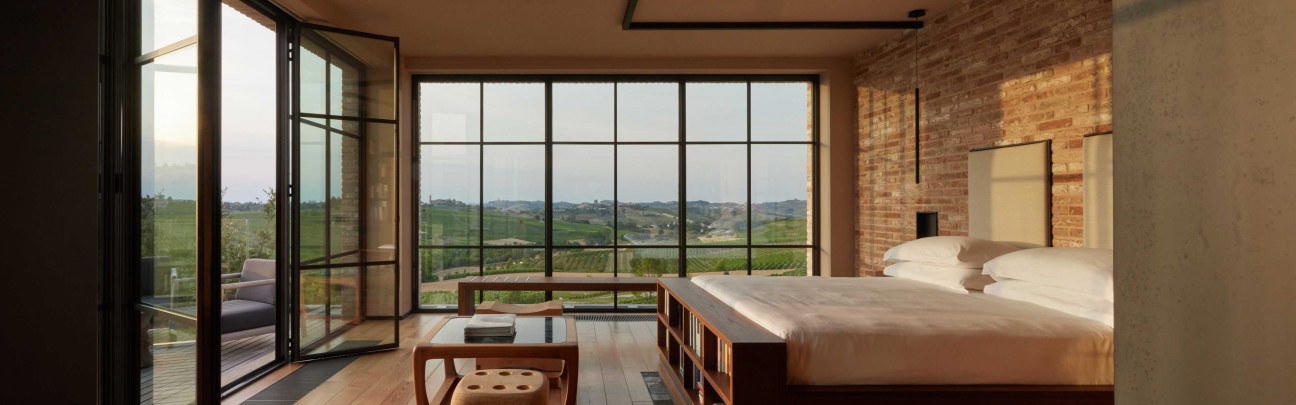
At a Glance
- Scenic
- Elegant
- Rustic
- Romantic
- Sophisticated
- Romantic Getaway
- Group Outing
- Wine Education
- Special Occasion
- Family
- Solo Exploration
- Vineyard Tour
- Estate Grounds
- Garden
- Panoramic View
- Private Tasting
- Sustainable
- Organic
- Vineyard
- Garden
- Mountain
- Barbaresco Docg; Barolo Docg; Monferrato
- Nebbiolo
- Barbera
- Grignolino
- Freisa
- Favorita
- Moscato
- Still Red
- Still White
- Still Rosé
- Dessert
- Sparkling
- Estate Tasting
- Guided Tasting
- Food Pairing
- Vertical Or Themed Tasting
A serene, nature-led estate atmosphere between Langhe and Monferrato, with green hillsides, vineyards, orchards, a lake and woodland creating a sense of contemporary rural luxury and calm, complemented by a refined, design-conscious cellar and tasting room where visits are slow-paced and sensory-focused.