La Primavera
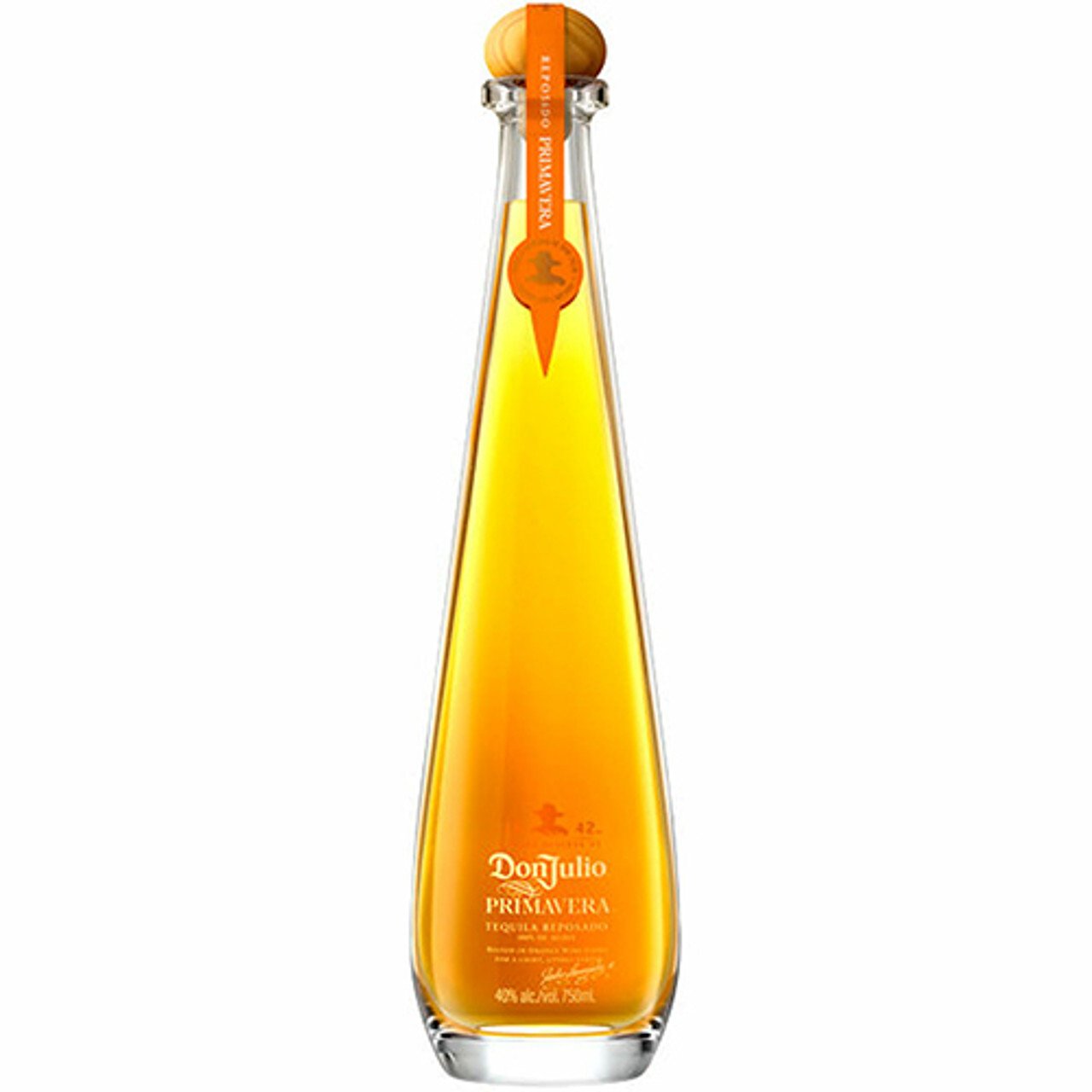
La Primavera is the historic Don Julio distillery in Atotonilco El Alto, set in the highlands tequila region where blue Weber agave cultivation and production define the visit. Its interest lies less in visitor-center polish than in origin, scale, and the limited Primavera reposado expression finished in European casks that previously held wine with macerated orange peel.

Pearl is the En Primeur Club membership app — saves, bookings, and concierge access live there. Same editors, same standards.

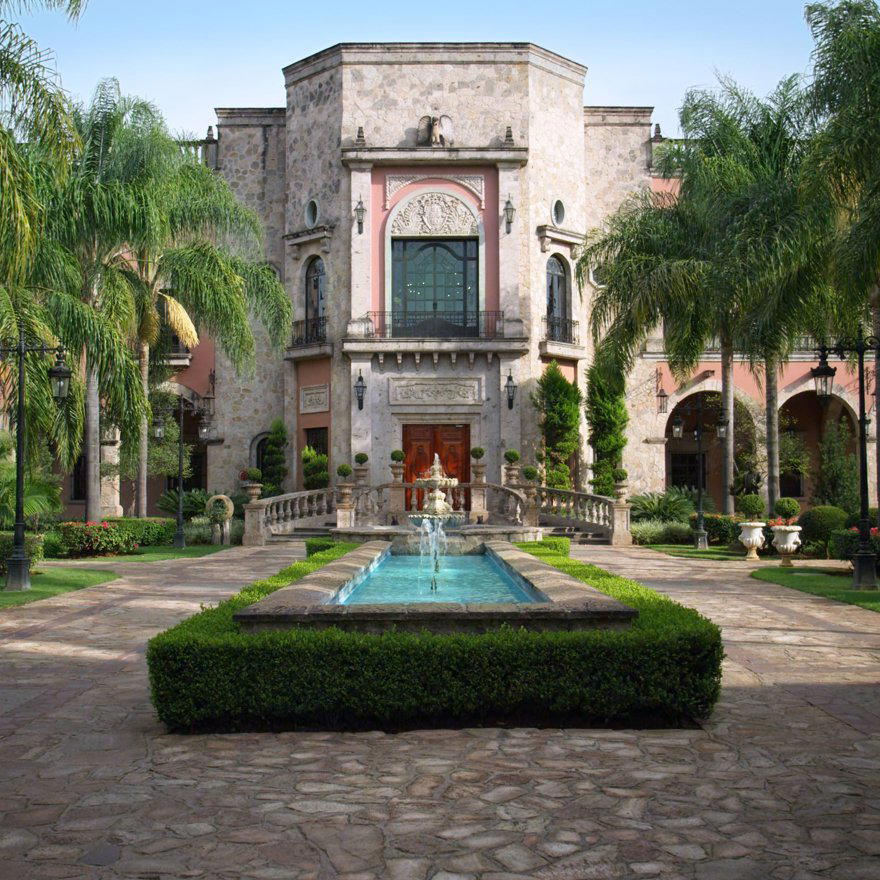
La Primavera is presented here with limited public detail, so particularly responsible reading is deliberately restrained. The grounded context is Atotonilco El Alto: an agricultural townscape in an agave-growing region, where the setting reads more like a historic highland tequila production environment than a purpose-built hospitality venue. That distinction shapes the way the place should be understood. The tone is well-known, classic, industrial, and sophisticated, with the emphasis on production surroundings rather than a polished visitor-center format or a fully described leisure experience.
Those omissions are intentional rather than accidental. The safest way to understand La Primavera is as a production-focused highland setting in Atotonilco El Alto, with price guidance listed as $$$. That price band gives a broad planning signal, but it should not be stretched into assumptions about what is included, how visits work, or what kind of hospitality structure is available.
Highland setting and production-focused character
The serious reading of La Primavera starts with place. Its identity is tied to Atotonilco El Alto and to a historic highland tequila distillery environment. That means the atmosphere should be framed around agricultural context, industrial character, and the surrounding agave-growing region rather than around restaurant-style hospitality claims. The useful image is not of a generic venue dropped into a destination, but of a setting whose meaning comes from the production landscape around it.
For travelers comparing venues in Atotonilco El Alto, the winery is distinctive as a production-centered setting. The available information supports a broad description of the environment, but not detailed claims about tastings, visitor programming, specific spirits, dishes, or service inclusions. In editorial terms, the emphasis belongs on mood, location, and category: highland, agave-region, industrial, classic, and sophisticated. Anything beyond that would require stronger current evidence.
That distinction matters for planning. A page can honestly describe the winery’s setting and price level, but it should not invent the operational details that often appear in travel writing. Treat the venue as a highland production environment first, and confirm any visit-specific arrangements directly before making plans. This is especially important because production-focused places can be interpreted too easily through the lens of hospitality, even when the reliable public information only supports a more limited description.
What can be said with confidence
The winery is in Atotonilco El Alto. Its price category is $$$. Its style cues point to a historic, industrial, classic, sophisticated tequila-distillery environment in an agricultural agave region. Those are the dependable facts, and they are enough to establish the basic character of the listing without turning it into something more speculative.
If those details matter to a trip, they should be checked through current direct sources. That applies not only to practical logistics, but also to the experience itself. A traveler should not assume a particular format, access model, or set of inclusions from the atmosphere alone.
This makes the winery a thin-data but still useful listing: it identifies the venue, the city, the general production-oriented atmosphere, and the price band without overstating what is known. In a destination where agave landscapes and tequila production context are central to the sense of place, even a restrained listing can help locate the venue within the broader character of Atotonilco El Alto. The value here is precision: saying clearly what is known, while avoiding the decorative details that would make the page feel fuller but less reliable.
How to place it within an Atotonilco El Alto itinerary
Atotonilco El Alto rewards a category-specific itinerary, especially for travelers interested in agave country and production landscapes. The winery can be considered within that local context, while other dining, drinking, hotel, and experience options in Atotonilco El Alto should be evaluated separately and confirmed through current sources. In practical terms, it belongs on the planning map as a production-oriented highland reference point rather than as a fully defined stop with guaranteed visitor amenities.
For comparison within the limits of information, the only named reference point here is the winery itself. That restraint keeps the itinerary advice useful without implying a network of confirmed alternatives. A useful approach is to use the winery as one marker of the city’s agave-region character, then verify any surrounding plans independently before committing to a schedule.
Continue exploring
More in Atotonilco El Alto
At a Glance
- Well Known
- Classic
- Industrial
- Sophisticated
- Group Outing
- Special Occasion
- Solo Exploration
- Wine Education
- Romantic Getaway
- Estate Grounds
- Historic Building
- Private Tasting
- Altos De Jalisco (highlands Tequila Region)
- Guided Tasting
- Educational Tasting
- Appointment Only Tour
Historic highland tequila distillery environment focused on production rather than hospitality, surrounded by agricultural townscape and agave-growing region rather than a purpose-built visitor center.