Fattoria Ambra

Falstaff Winery - 3 Stars
Fattoria Ambra gives Carmignano its historical argument in liquid form: Sangiovese-led wines shaped by Cabernet, Canaiolo and old Tuscan varieties in one of Italy’s early protected appellations. The Romei Rigoli family has farmed here since 1870, with 24 organic hectares across Montalbiolo, Elzana, Santa Cristina in Pilli and Montefortini Podere Lombarda.

Pearl is the En Primeur Club membership app, where members save venues, book tables and use the concierge.

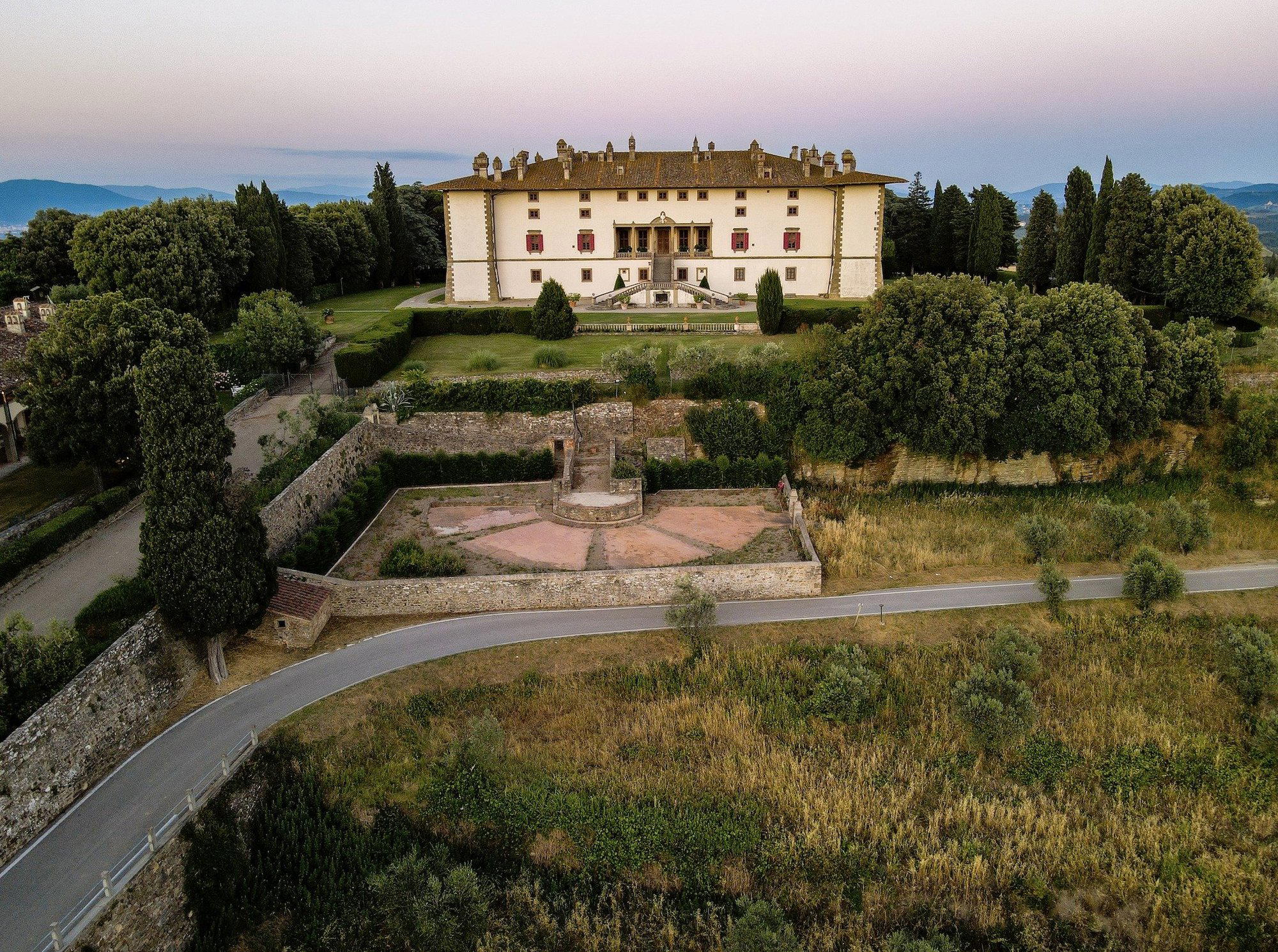
Approaching Carmignano through the low Tuscan hills, the useful thing to notice is the setting: vineyards on rolling hills, the influence of the Ombrone river nearby, and the historic atmosphere associated with a nearby Medici villa. Fattoria Ambra is best understood as a family-run Tuscan estate rooted in traditional Carmignano wines rather than as a generic countryside stop. The distinction matters, because the venue’s value is not simply that it sits in attractive countryside; it is that the countryside, the local wine culture and the sense of inherited place all read together as one experience.
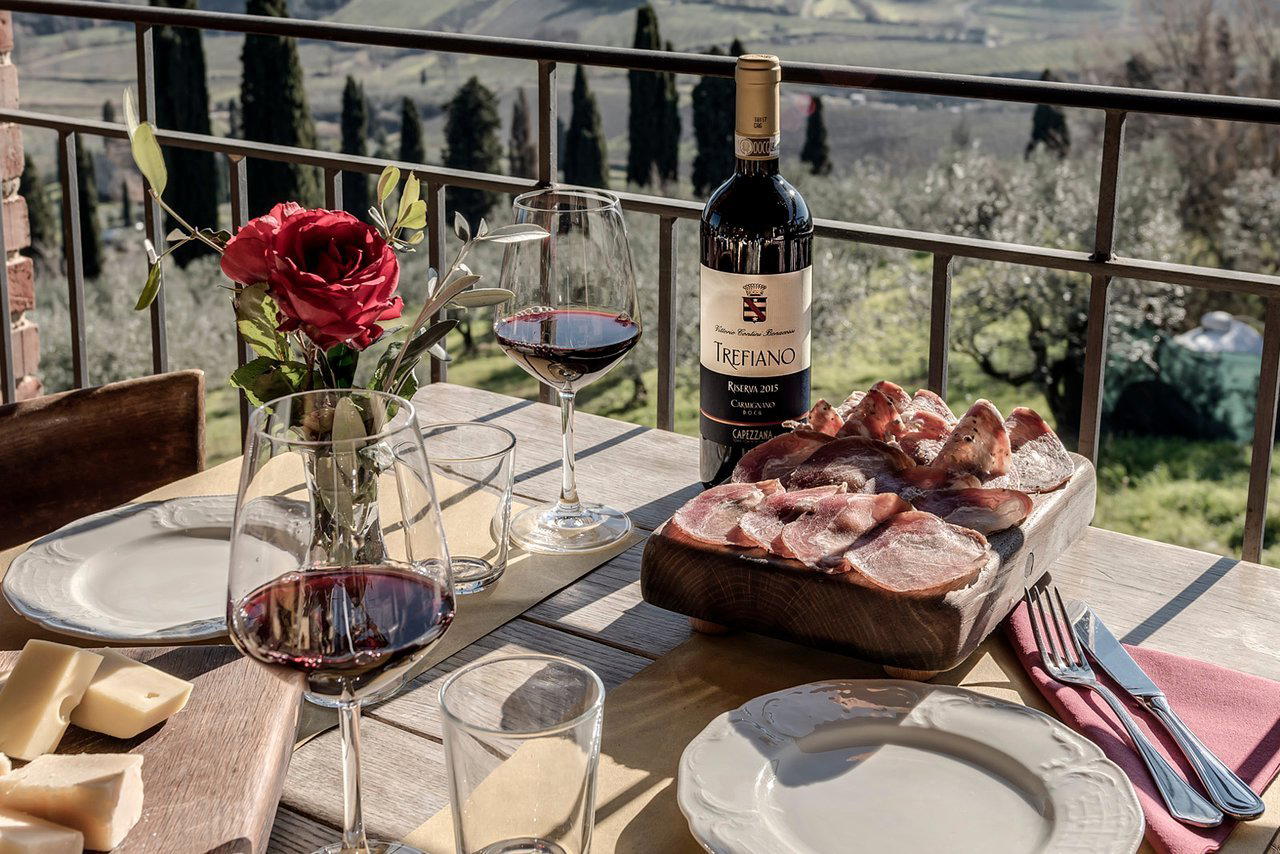
The estate’s appeal is classic and rustic: vineyard scenery, a sense of local history, and a romantic rural character that fits the Carmignano landscape. It is the kind of setting where the surrounding hills do much of the work, giving the estate a visual and emotional frame before any more specific practical detail is considered. Rather than presenting it as a destination defined by a checklist, it is more accurate to see Fattoria Ambra as a place whose character comes from continuity, landscape and its connection to traditional local wine.
Carmignano's traditional wine identity, read through the estate setting
Fattoria Ambra sits within Carmignano’s long wine culture, where the landscape itself is part of the experience. The picture is of a historic, family-run Tuscan estate with vineyards on rolling hills near the Ombrone river and a Medici villa. Those elements give useful context without needing to overstate them: the hills explain the scenic appeal, the river helps locate the estate within its wider countryside, and the Medici association reinforces the area’s historic atmosphere.
That setting gives the venue its strongest editorial case. It is classic, rustic, scenic and romantic, with an iconic estate atmosphere focused on traditional Carmignano wines. The emphasis should stay on the estate as an expression of place. Carmignano is not being treated here as an interchangeable Tuscan backdrop, but as the specific landscape and wine identity that make Fattoria Ambra legible. The estate’s family-run character also supports that reading, suggesting a venue shaped by continuity rather than by a detached hospitality concept.
For context within Carmignano, other local dining and wine experiences can be considered generically, but Fattoria Ambra should be treated on its own terms: a historic Tuscan estate experience centered on place, family continuity and traditional local wine culture. That means the comparison point is not necessarily a restaurant, a tasting room or a countryside view alone. Its interest lies in the combination: a rural estate setting, a historic local wine identity and a visual range of vineyards and hills that together create the reason to visit.
What is about the estate experience
What can be stated is more restrained: Fattoria Ambra is presented as a family-run Carmignano estate with a classic focus on traditional wines. That restraint is useful, because it keeps the recommendation grounded in what is actually known. The venue can be appreciated for its estate character, its Carmignano context and its rustic Tuscan atmosphere without requiring unsupported claims about the exact form a visit may take.
That makes the venue more about atmosphere and regional identity than about confirmed technical specifications. Visitors interested in precise wine styles, tasting availability or current releases should verify those details directly with the estate before planning around them. This is especially important because the strongest available information points to identity and setting rather than to operational detail. In editorial terms, Fattoria Ambra is best described as a place to understand through its landscape and traditional orientation, while practical expectations should remain flexible until checked.
The stronger, grounded reason to pay attention is the estate character itself: historic, rustic and scenic, with vineyards in the Carmignano hills. That is enough to give the venue a clear place in an EP Club-style view of the area. The interest is not dependent on external accolades; it comes from the way the estate embodies the rural, wine-focused and historically textured side of Carmignano.
How to place it in a Carmignano itinerary
Fattoria Ambra is better treated as a Carmignano estate stop than as a casual listing built around service details. The draw is the setting: rolling vineyards, Tuscan countryside, a family-run atmosphere and proximity to the Ombrone river and a Medici villa. Those features make it most compelling as part of a slower, place-led plan, where the surrounding landscape and the estate’s traditional wine identity are allowed to define the visit.
For a wider day in Carmignano, keep the plan flexible and confirm practical details directly. The safest approach is to treat Fattoria Ambra as a scenic and historic estate reference point within the area, then build any timing, tasting or service expectations only after checking with the estate itself. In that way, the itinerary remains accurate while still making room for what is most distinctive here: a classic Tuscan estate atmosphere rooted in Carmignano’s hills, vineyards and local wine culture.
Recognition history
Dated appearances from independent guides and award organizations, with the underlying list record or original source where available.
Falstaff Winery - 3 Stars
Falstaff
Continue exploring
More in Carmignano
Wineries in Carmignano
All wineries in Carmignano →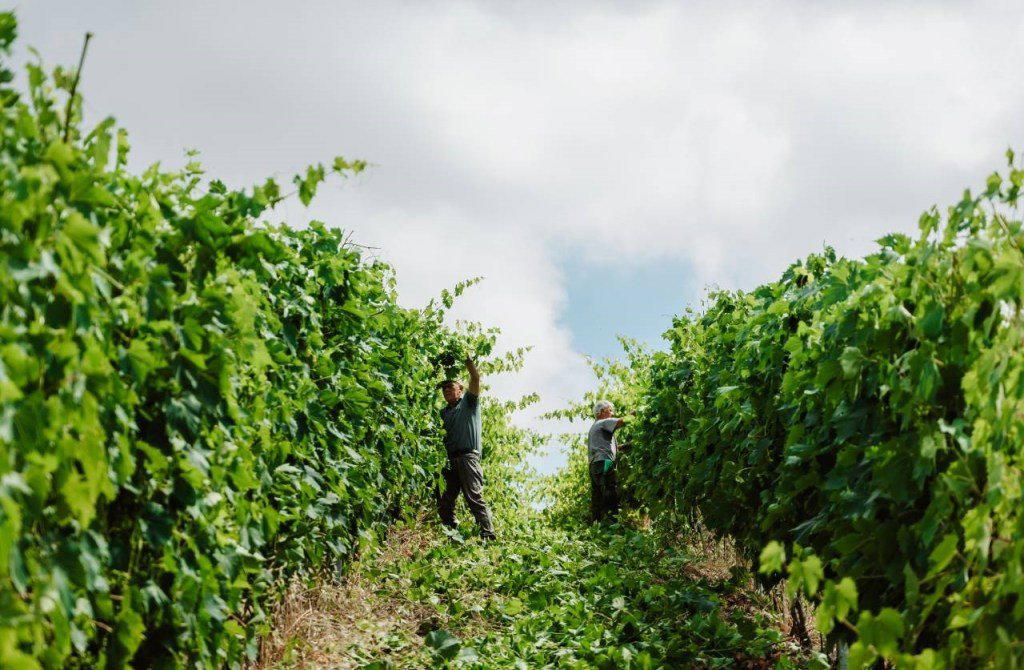
Restaurants in Carmignano
Browse all →Details
- Classic
- Rustic
- Scenic
- Romantic
- Well Known
- Romantic Getaway
- Group Outing
- Solo Exploration
- Wine Education
- Special Occasion
- Estate Grounds
- Vineyard Tour
- Historic Building
- Organic
- Vineyard
- Garden
- Sangiovese
- Canaiolo Nero
- Cabernet Sauvignon
- Cabernet Franc
- Trebbiano
- Vermentino
- Still Red
- Still White
- Still Rosé
- Dessert
- Estate Tasting
- Vineyard Visit
- Italian
- English
Historic, family-run Tuscan estate atmosphere with vineyards on rolling hills near the Ombrone river and a Medici villa, conveying a classic, rustic feel focused on traditional Carmignano wines.