Cave de la Sarvaz

Falstaff Winery - Listed
Cave de la Sarvaz is a small family estate in Saillon, working a little over five hectares in Valais AOC with a clear preference for single-varietal expression. The cellar’s appeal is its restraint: ten Valais grapes, no herbicides, no oak-barrel ageing, no blends, and a tasting room scaled for direct conversation rather than spectacle.
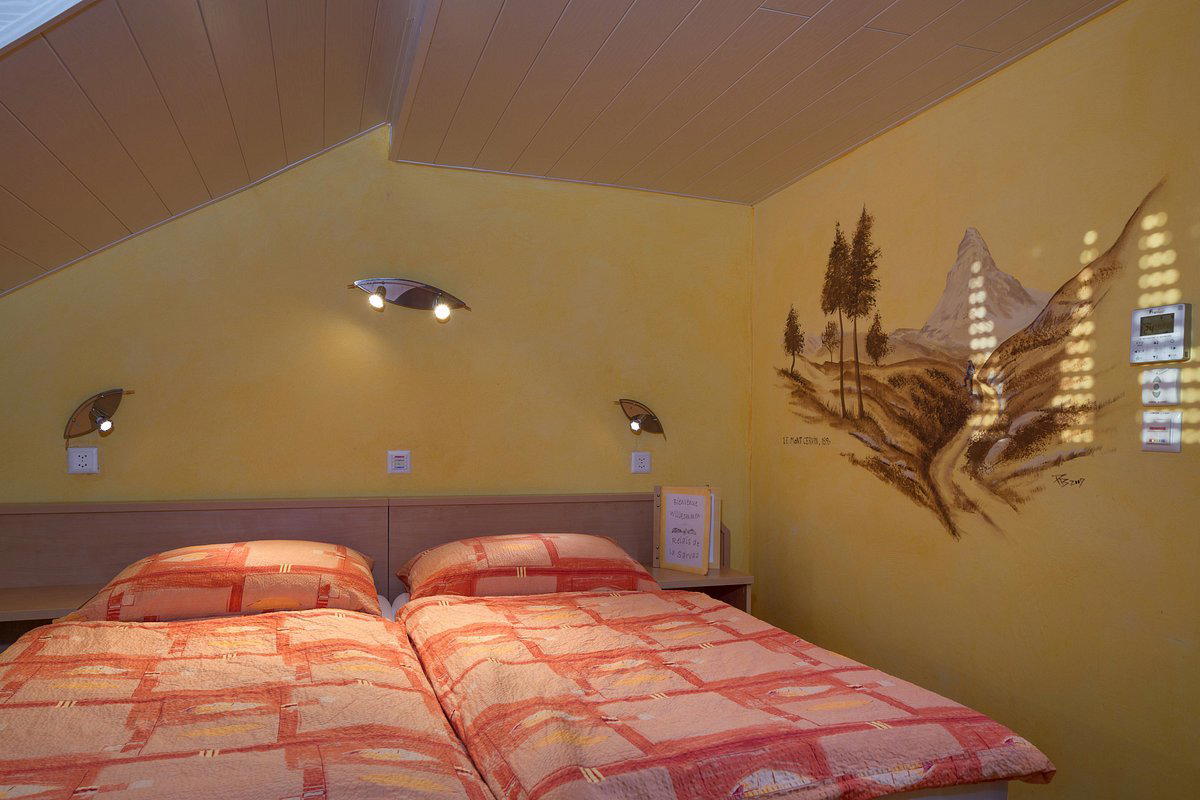
Approaching a small cellar in Saillon is not the same proposition as entering a polished destination winery. The rhythm is quieter, and the emphasis is on personal contact rather than scale. Cave de la Sarvaz is best understood as a small, simple, family-run cellar with an intimate tasting room for about twenty guests, a setting where the visit is shaped less by spectacle than by proximity.
The appeal is grounded in relaxed encounters with the winemaker and in wines presented for clear varietal character rather than oak or heavy manipulation. The setting is rustic and classic, with a format that suits guests who prefer a direct, low-key tasting experience. Nothing in the description suggests a grand hospitality machine; instead, the tone is that of a cellar where the guest can slow down, listen, taste, and understand the wines without a complicated frame placed around them.
Varietal clarity without oak-heavy framing
Cave de la Sarvaz is described around a direct idea: expressing pure varietal character without oak or heavy manipulation. That gives the visit a clear focus. Rather than leaning on luxury cues or a heavily staged format, the cellar’s identity is tied to simplicity, restraint, and legibility in the glass. The point is not to distract from the wine with elaborate presentation, but to keep attention on what each variety is meant to show.
What can be said is that the cellar’s positioning favors direct varietal expression and a personal tasting-room encounter over a more elaborate hospitality program. In that sense, the absence of oak-heavy framing is not just a technical note; it is part of the personality of the visit. The wines are presented in a way that makes clarity the central value, and the tasting room offers a setting that matches that approach: modest, close, and easy to read.
That makes Cave de la Sarvaz a useful stop for visitors who want a modest, producer-centered introduction to a Saillon cellar. The experience is not defined here by awards, rankings, chef-led dining, or a formal restaurant format, but by a small-room tasting environment and the chance for a relaxed exchange. For guests who value conversation as much as presentation, that can be the main attraction.
A cellar visit scaled for conversation
The tasting room is intimate, with space for about twenty guests. That scale shapes the visit: smaller groups, quieter conversation, and more room for a personal encounter with the winemaker. The atmosphere is rustic and classic rather than theatrical, which matters because it sets expectations from the start. This is the kind of visit where the room itself encourages attention, and where a guest is less likely to feel processed through a large visitor circuit.
For Saillon, that scale is part of the point. Cave de la Sarvaz is a better fit for guests who want a simple cellar experience than for anyone looking for a large, highly produced visitor attraction. The description points to a family-run setting, a relaxed tone, and a focus on wines that avoid oak-heavy or heavily manipulated presentation. Those details work together: the small room, the direct style of wine, and the informal atmosphere all reinforce the same low-key identity.
Within that frame, the most useful expectation is simplicity. Plan for a personal tasting-room encounter in Saillon, centered on varietal character and a small-cellar atmosphere. Visitors should not expect the visit to be made meaningful by extra layers of service or by a long list of external credentials. Its strength lies in the opposite direction: a compact encounter, a clear tasting focus, and a sense that the cellar is comfortable being modest.
How it fits a Saillon wine itinerary
Saillon can be approached at a slower pace, especially for travellers who want to combine a cellar visit with other local dining or overnight plans. Cave de la Sarvaz fits that kind of itinerary as a modest, personal stop rather than a large-scale destination. It is the sort of address that makes sense when the aim is not to fill the day with spectacle, but to include a grounded wine encounter that feels closely tied to the producer.
If comparing options, keep the focus on Cave de la Sarvaz and other Saillon dining or wine experiences in general terms. The case is narrow but clear: a small family-run cellar, an intimate tasting room for about twenty guests, and a relaxed encounter built around pure varietal character without oak or heavy manipulation. That clarity is useful when planning, because it helps define what the stop is and what it is not. It is not being presented as a restaurant, a luxury venue, or a heavily programmed attraction.
That is the reason to pay attention. Cave de la Sarvaz is not presented here through awards, elaborate service claims, or invented menu details. Its appeal rests on scale, simplicity, and a direct tasting-room experience in Saillon. For the right visitor, those qualities are enough: a small cellar, a classic rustic setting, and wines approached through their varietal character rather than through an imposed sense of grandeur.
Frequently asked questions
What should I expect atmosphere-wise at Cave de la Sarvaz?
Expect a small, simple family-run cellar in Saillon, with an intimate tasting room for about twenty guests. The setting is rustic, classic, and suited to relaxed, personal encounters with the winemaker.
What's the address for Cave de la Sarvaz?
Cave de la Sarvaz is in Saillon.
What's the cost level for Cave de la Sarvaz?
Pricing at Cave de la Sarvaz is listed as $$.
What's Cave de la Sarvaz best at?
It is best framed as a small Saillon cellar focused on relaxed tastings and pure varietal character without oak or heavy manipulation.
How hard is it to get in to Cave de la Sarvaz?
What is known is that the tasting room is intimate, with room for about twenty guests, so planning ahead is sensible.
What's Cave de la Sarvaz a good pick for?
It suits visitors looking for a rustic, classic, family-run cellar experience in Saillon, with a personal atmosphere and a focus on varietal clarity.
Any tips before I go to Cave de la Sarvaz?
Go with expectations set for a small, simple cellar rather than a large destination winery. The appeal is the intimate room, relaxed encounter with the winemaker, and wines presented without oak-heavy or heavily manipulated framing.
Recognition history
Dated appearances from independent guides and award organizations, with the underlying list record or original source where available.
Falstaff Winery - Listed
Falstaff
Request a visit to Cave de la Sarvaz
Tell us when you would like to go and how many people, and we put the request to the estate and reply to you by email.
Continue exploring
More in Saillon
Wineries in Saillon
All wineries in Saillon →

Bars in Saillon
All bars in Saillon →
Restaurants in Saillon
All restaurants in Saillon →
Hotels in Saillon
All hotels in Saillon →
Details
- Rustic
- Classic
- Intimate
- Cozy
- Group Outing
- Solo Exploration
- Wine Education
- Special Occasion
- Cave Tasting
- Vineyard Tour
- Private Tasting
- Estate Grounds
- Sustainable
- Vineyard
- Mountain
- Fendant
- Johannisberg
- Petite Arvine
- Pinot Blanc
- Cornalin
- Gamay
- Humagne Rouge
- Pinot Noir
- Rosé De Pinot
- Dôle Blanche
- Still White
- Still Red
- Still Rosé
- Appointment Tasting
- Group Tasting
- Private Tasting
- FR
Small, simple family-run cellar with an intimate tasting room for about twenty guests, focused on relaxed, personal encounters with the winemaker and on expressing pure varietal character without oak or heavy manipulation.