Tong Yin

Michelin Plate
Our verdict
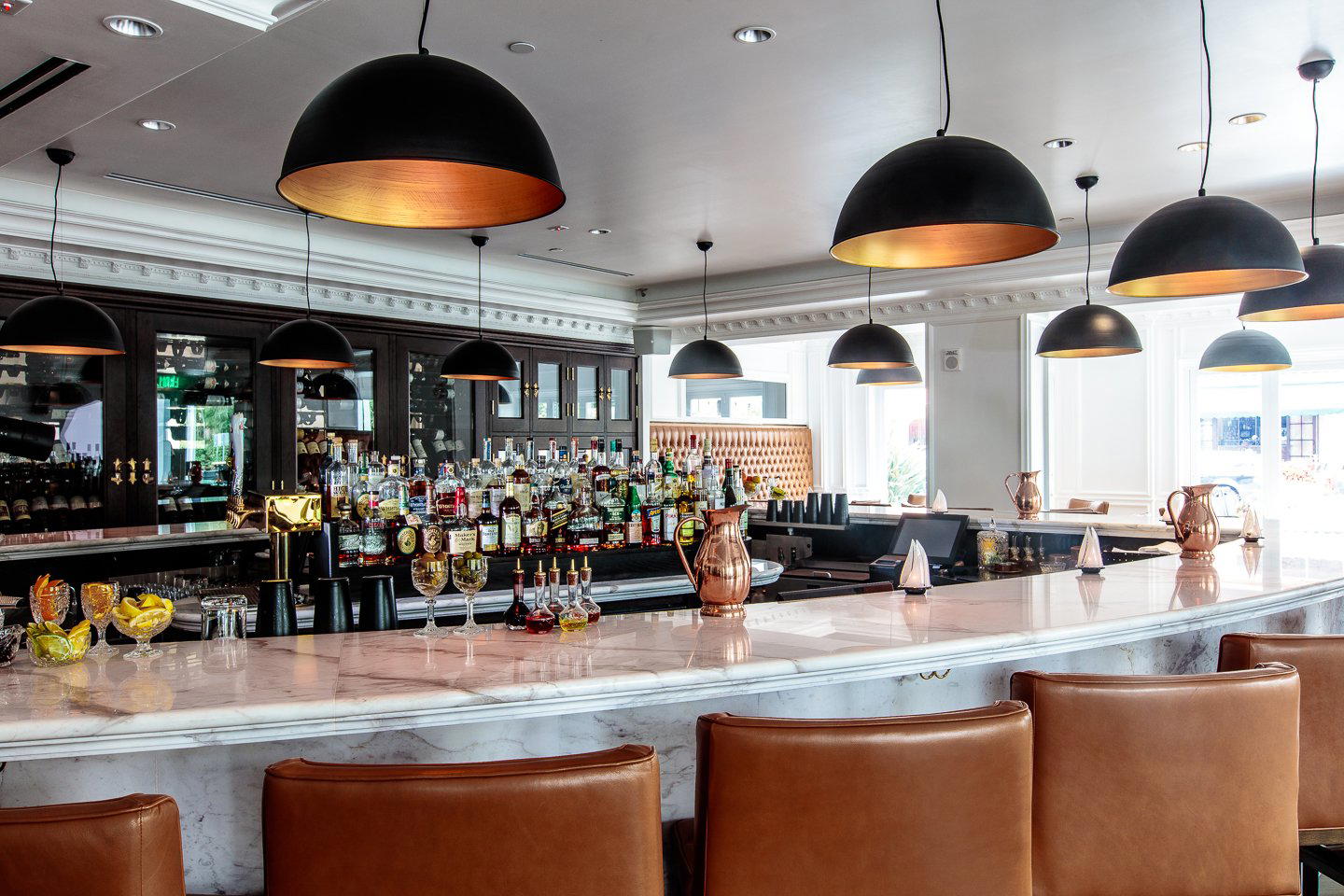
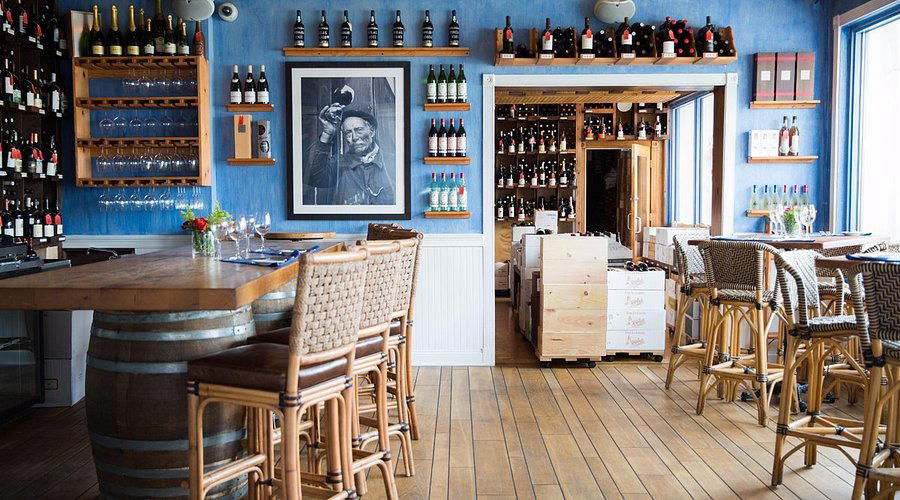
Tong Yin sits in downtown Naples, Florida, in a dining scene better known for Gulf seafood, steakhouse polish, and Italian comfort than Chinese-American cooking. Its green-and-red dining room signals a different register: familiar banquet-room color, tablecloth formality, and a menu category where ingredient handling matters more than theatrics.

Pearl is the En Primeur Club membership app, where members save venues, book tables and use the concierge.
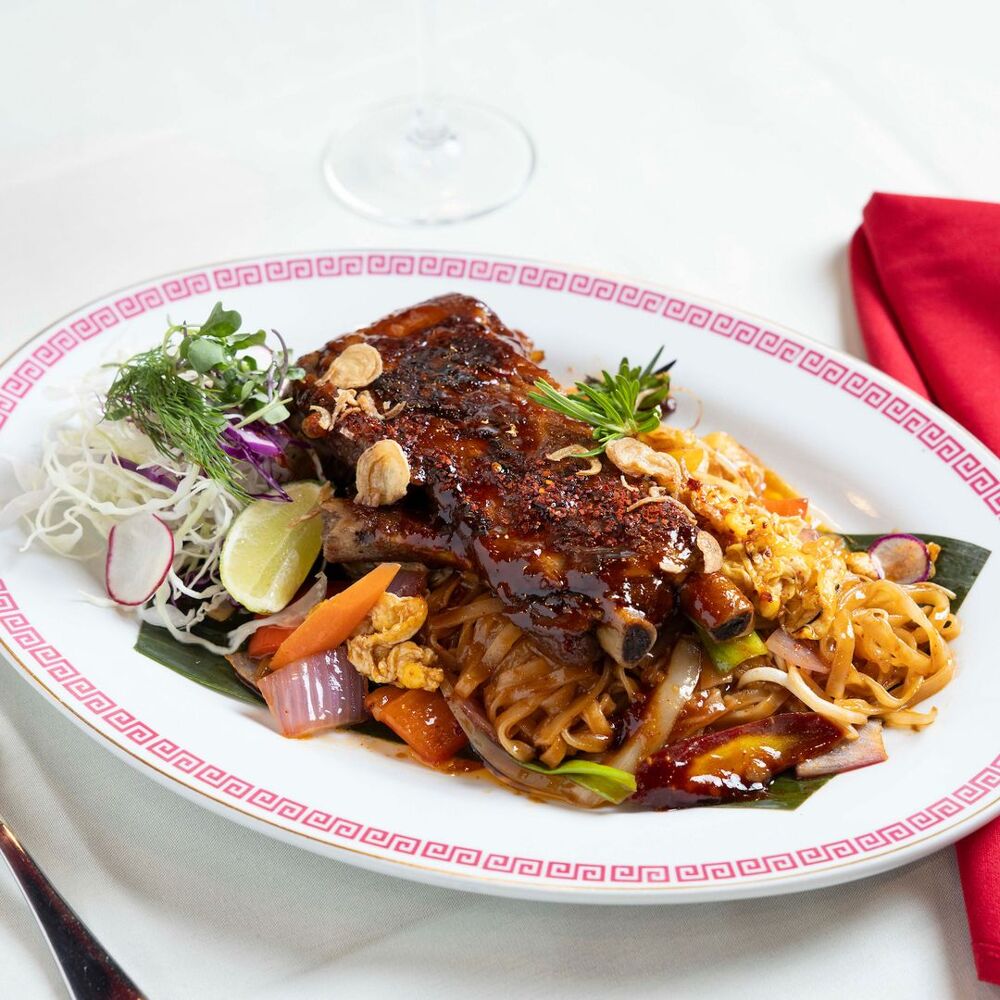
The menu
What to order
- Crispy spring rolls
- Savory dumplings
- Angus beef stew kaffir chilli coconut curry
In Naples, Florida, where many dinner plans lean toward Gulf fish, steaks, and Italian-American polish, Tong Yin gives the evening a different rhythm. The point is contrast, not novelty. In a city with a familiar white-tablecloth circuit, a seated room outside the most repeated local categories can feel like useful counter-programming.
Tong Yin belongs to the quieter group of Naples restaurants where the appeal is the full meal rather than a single status signal. The useful frame is a sit-down dinner built around variety, pacing, and the way a table orders together. That matters in a city where premium dining is often defined by ceremony, waterfront associations, or familiar luxury ingredients. Here, diners can read the meal through courses, shared plates, sauces, vegetables, rice or noodles, and proteins rather than through one headline dish.
Restaurant variety in a Gulf Coast restaurant town
Naples has a strong appetite for polished, reservation-friendly dining, but its dominant vocabulary is coastal American, Italian, and steakhouse. Comparison venues such as Chops City Grill, Bistro 821, Vergina Restaurant, Osteria Tulia, and Sails sit closer to that downtown script: wine-forward rooms, seafood, pasta, grilled meats, and service built for visitors as much as locals. Against that backdrop, Tong Yin reads less as a direct competitor and more as a change in dining logic.
Ingredient handling is the useful lens. A restaurant in this category is judged by balance, pacing, and whether familiar components hold their texture and purpose across the table. The interest is not whether the menu reads expensive, but whether the kitchen can build a meal that feels coherent from first plate to last. In Naples, where the premium shorthand often comes from seafood, steak, wine, or pasta, that quieter kind of discipline has its own value.
That difference is useful in a city where high-end dining can become repetitive. Gulf seafood restaurants frame freshness through provenance, catch, and preparation. Italian rooms lean on pasta, tomato, olive oil, cheese, and wine. Tong Yin fits a different lane: a meal judged by texture, temperature, pacing, sauce balance, and the way multiple plates work together. Those are technical markers, even when the format is familiar. The work is restraint: enough richness to satisfy, enough definition between dishes, and enough range that the table does not feel locked into one note.
The room suggests a full-table order, not a single-plate stop
The more persuasive way to approach Tong Yin is as a table-order restaurant. In this tradition, the meal gains structure from contrast: a crisp element against a sauced dish, a vegetable against a richer protein, rice or noodles as ballast, and a starter if the table wants a slower pace. That is not a tasting-menu hierarchy. It is shared-table grammar, rewarding groups that order across categories rather than asking one entrée to carry the evening.
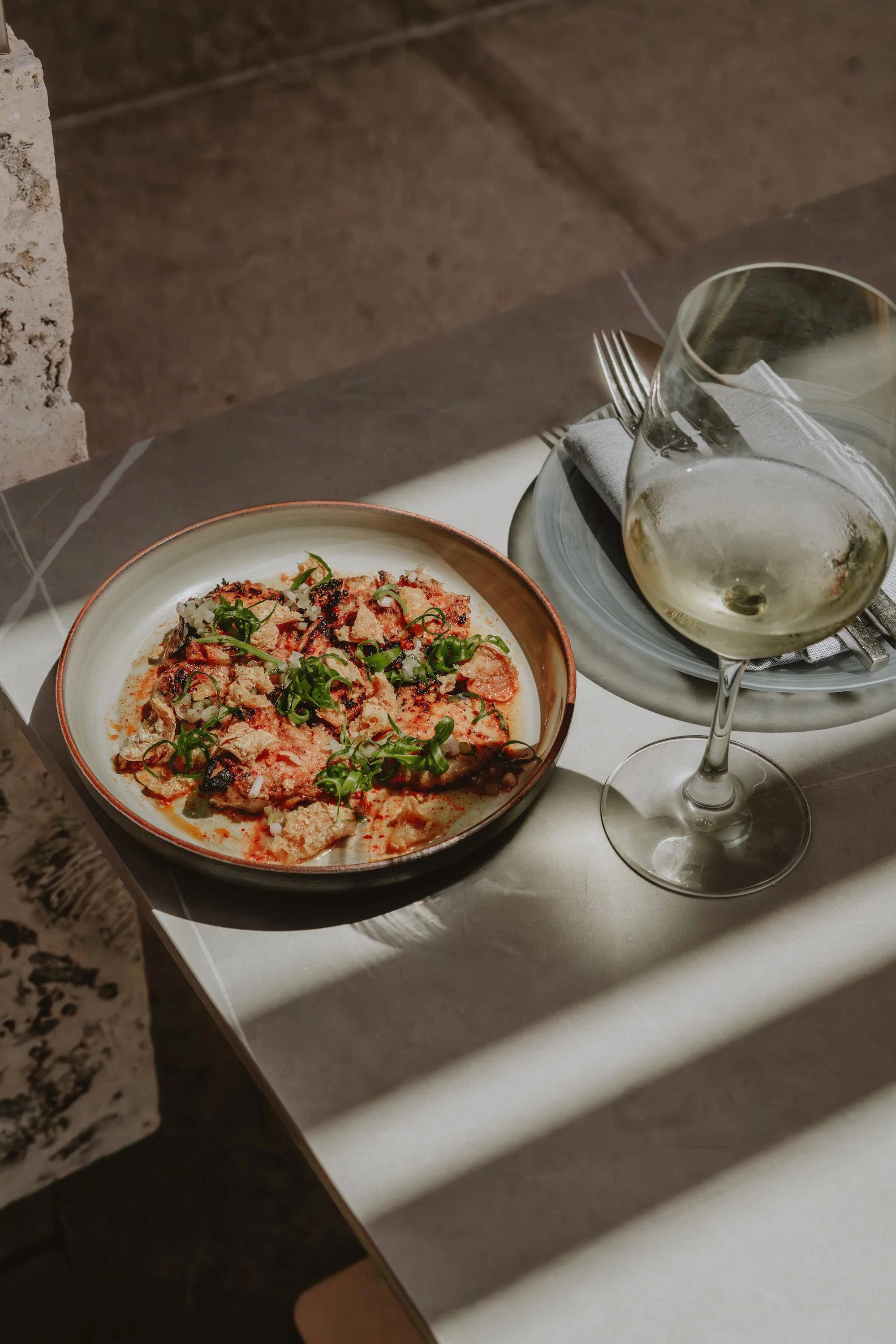
Specific signature dishes are not publicly listed, so the safer reading is by category. Look for sections that reveal kitchen discipline: vegetables not over-softened, seafood or poultry that keeps texture under sauce, noodle or rice dishes that remain separate rather than heavy, and preparations where seasoning carries flavor without overwhelming the plate. In Naples, where many menus aim for immediate richness, balance is the test.
The setting matters because it supports a seated meal rather than a quick transactional stop. That distinction gives context to the food and to the way the table should order. Some Naples restaurants announce themselves through design, price, or occasion; Tong Yin is better understood through the practical rhythm of a complete dinner. The format works best when diners give the table enough range to show contrast instead of narrowing the meal to one plate per person.
For broader Naples planning, the city’s restaurant map splits between polished dining, waterfront-leaning hospitality, resort-adjacent rooms, and neighborhood staples. Readers comparing formats can use Our full Naples restaurants guide alongside hotel, bar, wine, and experience planning through Our full Naples hotels guide, Our full Naples bars guide, Our full Naples wineries guide, and Our full Naples experiences guide.
Where it fits for a Naples evening
Tong Yin makes sense when the decision is not ceremony for its own sake, but a seated meal with range. The room is more composed than a bare-bones takeout counter, while the format offers relief from the recurring steak, seafood, and pasta circuit. For diners who care where flavor comes from, the interest lies in structure and technique: seasoning, heat, texture, and sauces that bind ingredients without burying them.
That is why it should not be judged by the same signals as a high-spend Gulf seafood room or Italian tasting counter. This style of dining often carries value in repeatability, table generosity, and the ability to satisfy different appetites at once. In a city shaped by visitors, retirees, seasonal residents, and local regulars, that flexibility has its own authority.
For a wider read on how ingredient identity changes across American restaurant categories, compare Tong Yin with other Naples dining rooms only at the level of format: how the room supports a table, how the kitchen builds flavor, and how the meal fits the evening. Other cities and cuisines may offer their own versions of precision, comfort, regional energy, or plant-forward cooking, but they are not the right benchmarks here. Tong Yin’s role is narrower and local: a Naples room for a seated, shared meal when the table wants variety and a break from the coastal default.
Frequently asked questions
What's Tong Yin known for in terms of accolades?
Tong Yin is listed in the Michelin Guide with a MICHELIN Plate distinction.
Where exactly is Tong Yin?
Naples.
Is Tong Yin reservation-only?
Tong Yin in Naples reads as a planned dinner rather than a drop-in stop. For a seated meal in Naples, booking ahead is the safer approach.
What's the signature at Tong Yin?
No single dish is named in the public record, so the smarter approach is to order broadly and share. At Tong Yin in Naples, the format points more toward a table spread than a single signature plate. Check the venue's official channels for the latest details.
Can Tong Yin accommodate dietary restrictions?
The seated restaurant setting is usually the right place to ask for adjustments. Any restriction is best handled directly with the dining room in Naples before ordering.
Would Tong Yin be comfortable with kids?
Tong Yin in Naples is better suited to a family dinner than a quick solo stop, especially if the table is ordering across several dishes. The seated format generally makes that easier to manage.
How would you describe the vibe at Tong Yin?
The room reads as composed and dining-room driven, not casual takeout territory. In Naples, Tong Yin suits an evening built around a shared table.
At-a-Glance Comparison
Comparable venues by cuisine and price in the same metro.
| Venue | Cuisine | Price | Awards |
|---|---|---|---|
| Tong YinThis venue (the venue you are viewing) | Thai / Asian | $20–30 | Michelin Plate |
| Chops City Grill | American Steakhouse with Wagyu & Sushi | $50–100 | Not listed |
| Bistro 821 | Asian-European-American Fusion Bistro | $50–100 | Not listed |
| Vergina Restaurant | Modern Italian Mediterranean | $50–100 | Not listed |
| Osteria Tulia | Rustic Italian Osteria | $50–100 | Star Wine List · Wine Spectator Award of Excellence |
| Sails | Modern Mediterranean Seafood Fine Dining | $150–200 | Wine Spectator Best of Award of Excellence · We're Smart World 3 Radishes |
Recognition history
Dated appearances from independent guides and award organizations, with the underlying list record or original source where available.
Michelin Plate
Michelin
Continue exploring
More in Naples
Restaurants in Naples
All restaurants in Naples →










Details
- Cozy
- Elegant
- Quiet
- Date Night
- Business Dinner
- Group Dining
- Casual Hangout
- Standalone
- A La Carte
- Beer
- Vegetarian Friendly
Cozy and elegant, with a refined Thai/Asian feel suited to a quieter meal.