
Guía Repsol 1 Sol
Our verdict
Tierra brings Guía Repsol-recognised dining to rural Torrico, where the interest lies less in urban spectacle than in how Castilla-La Mancha’s pantry can carry a serious restaurant outside the usual city circuit. Its 1 Sol in 2026 places it in Spain’s regional-award conversation, with ingredient origin and Toledo province context doing much of the editorial work.

Pearl is the En Primeur Club membership app — saves, bookings, and concierge access live there. Same editors, same standards.
The menu
What to order
- Venison loin from the estate
- White asparagus with truffle, caviar and foie gras
- Seared sole with Brussels sprouts, avocado and saffron foam
- Sous‑vide pork belly with celery and vegetable jus
- Tendon with cauliflower and morels
The approach to Torrico is a useful corrective to Spain’s big-city dining rhythm: open land, hard light, long roads, and a sense that the meal belongs to its setting rather than to a stage set. In that context, Tierra reads as part of a broader Spanish shift in which serious restaurants outside capitals are judged not by how loudly they imitate Madrid or Barcelona, but by how clearly they translate their own place. Its Guía Repsol 1 Sol recognition for 2026 gives that argument a national marker.
For readers mapping the area, start with Our full Torrico restaurants guide, then treat Tierra as the dining anchor rather than a casual detour. Torrico is not a city built around restaurant-hopping; the point is the deliberate trip, the slower tempo, and the way a smaller inland setting changes the expectations of a meal. That is a different proposition from the multi-stop energy covered in Our full Torrico bars guide or the broader planning frame in Our full Torrico experiences guide.
Place-led dining, not capital-city theatre
Restaurants outside Spain’s largest cities have become more confident about staying local in tone. The older model asked provincial rooms to prove sophistication through imported luxury cues; the stronger current model asks whether a kitchen can make its own context feel disciplined, contemporary, and worth travelling for. Tierra sits in that latter conversation. The name itself points toward land, but the more important editorial signal is its location: Torrico, outside the dense urban circuits that usually dominate Spain’s premium dining coverage.
Inland Spain gives restaurants a different rhythm from the coast. The regional imagination can run through landscape, seasonality, and the quieter force of local identity rather than resort-style display. That matters because Spain’s regional-award ecosystem has become a serious map for diners looking beyond city rooms.
The 2026 Guía Repsol 1 Sol matters here because the guide has long been attentive to Spanish regional dining, road culture, and restaurants embedded in local travel patterns. A Sol is not merely a badge for luxury; it often identifies places where cuisine, territory, and route-planning intersect. In Torrico, that recognition gives travellers a reason to treat the meal as part of a wider itinerary rather than an add-on after a capital-city visit.
Where Tierra fits among Spain's regional dining rooms
The relevant comparison is not with tasting-menu temples in major capitals, but with restaurants that make a smaller place legible through food. La Terrazita belongs to a familiar provincial category: dependable, rooted, and recognisable. Raíces-Carlos Maldonado occupies a more ambitious register. Tierra’s appeal sits between those poles: grounded enough to feel tied to its setting, recognised enough to justify a planned journey, and better understood through place than through luxury shorthand.
That distinction also separates it from Spain’s broader urban spread. Capital-city restaurants participate in markets where density, competition, and convenience shape expectations. Coastal or island dining carries a different tourism pressure. Inland restaurants such as Tierra have fewer distractions and less margin for vagueness: the cooking has to explain why the journey matters.
Spain’s current dining map is wide enough that a rural Torrico restaurant can sit in the same national conversation as other dining rooms beyond the biggest metropolitan centres. The thread is not sameness; it is the decentralisation of serious eating across Spain, with smaller places gaining authority through specificity.
A meal to plan around, with the rest of Torrico kept simple
Tierra is better treated as the fixed point of the day. Torrico’s hospitality infrastructure is not the same as a major-city grid, so the sensible plan is to organise lodging, route, and timing around the restaurant rather than assume spontaneous flexibility. For overnight context, use Our full Torrico hotels guide; for wine-minded travellers, Our full Torrico wineries guide helps frame the wider area and its drinking culture. The Torrico setting also makes the meal feel closer to a country-road appointment than a neighbourhood reservation.
The editorial reason to go is clear: Guía Repsol has identified Tierra in Torrico as part of Spain’s 2026 Soles field, and that shifts the town from incidental stop to destination for diners interested in place-driven cooking. The restraint is equally clear. This is not the page to chase invented signatures, celebrity-chef mythology, or theatrical claims. The value lies in a recognised dining room using its setting as source material, in a place where the journey has almost as much authority as the room itself.
Travellers building a wider editorial itinerary can contrast this inland Spanish model with restaurants outside Spain, where format and urban demand tell a different story. Tierra’s case is quieter and more territorial: the argument begins before the first course, on the road into Torrico.
Frequently asked questions
Is Tierra okay with children?
Tierra sits in Torrico, so it reads as a planned dining stop rather than a casual drop-in. Children can fit that format if the meal is treated as part of a proper outing.
What's the overall feel of Tierra?
The room has the feel of a destination restaurant in Torrico, not an urban dining room built for turnover. Its Guía Repsol 1 Sol for 2026 points to serious cooking in a rural setting.
Where is Tierra located?
Torrico.
What's the best way to book Tierra?
Use the venue’s official booking route if it is published, and plan ahead before travelling to Torrico. The Guía Repsol 1 Sol gives enough reason to treat it as a table that merits advance planning.
Side-by-Side Snapshot
Comparable venues by cuisine and price in the same metro.
| Venue | Cuisine | Price | Awards |
|---|---|---|---|
| TierraThis venue — the venue you are viewing | Michelin‑starred modern Spanish countryside tasting menu | $150–200 | Guía Repsol 1 Sol |
| La Terrazita | Traditional Cuisine | Not listed | Not listed |
| Raíces-Carlos Maldonado | Creative | Not listed | Not listed |
Recognition history
Dated appearances from independent guides and award organizations, with the underlying list record or original source where available.
Guía Repsol 1 Sol
Guía Repsol
Continue exploring
More in Torrico
Tierra
The wine
- Wine program
- Deep wine list
- Extensive wine list
- Sommelier-led
Details
- Elegant
- Romantic
- Scenic
- Rustic
- Intimate
- Sophisticated
- Special Occasion
- Date Night
- Business Dinner
- Celebration
- Open Kitchen
- Wine Cellar
- Hotel Restaurant
- Garden
- Private Dining
- Design Destination
- Extensive Wine List
- Sommelier Led
- Farm To Table
- Local Sourcing
- Sustainable Seafood
- Garden
- Tasting Menu
- Prix Fixe
- Wine
- Champagne
- Dessert Wine
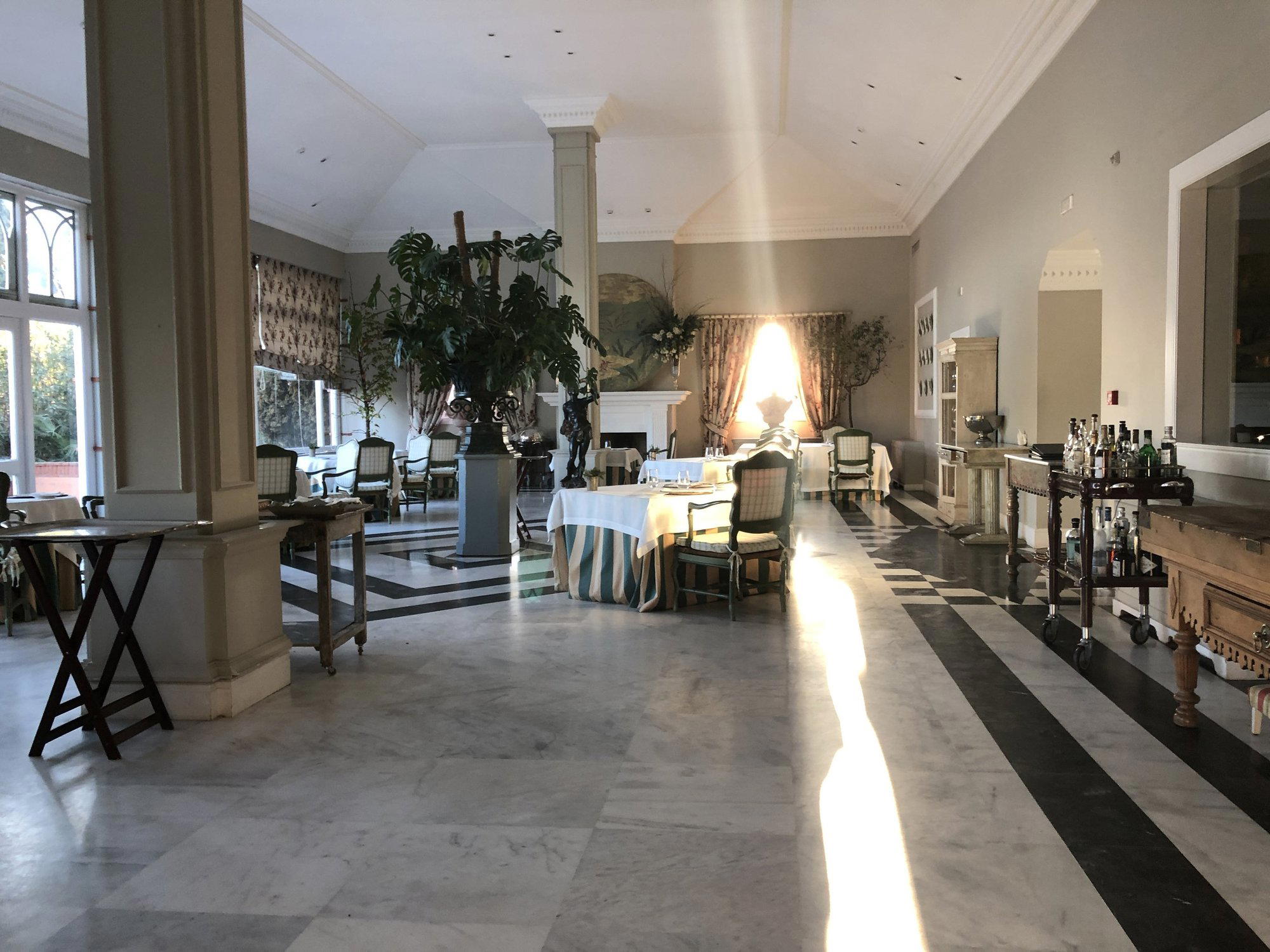
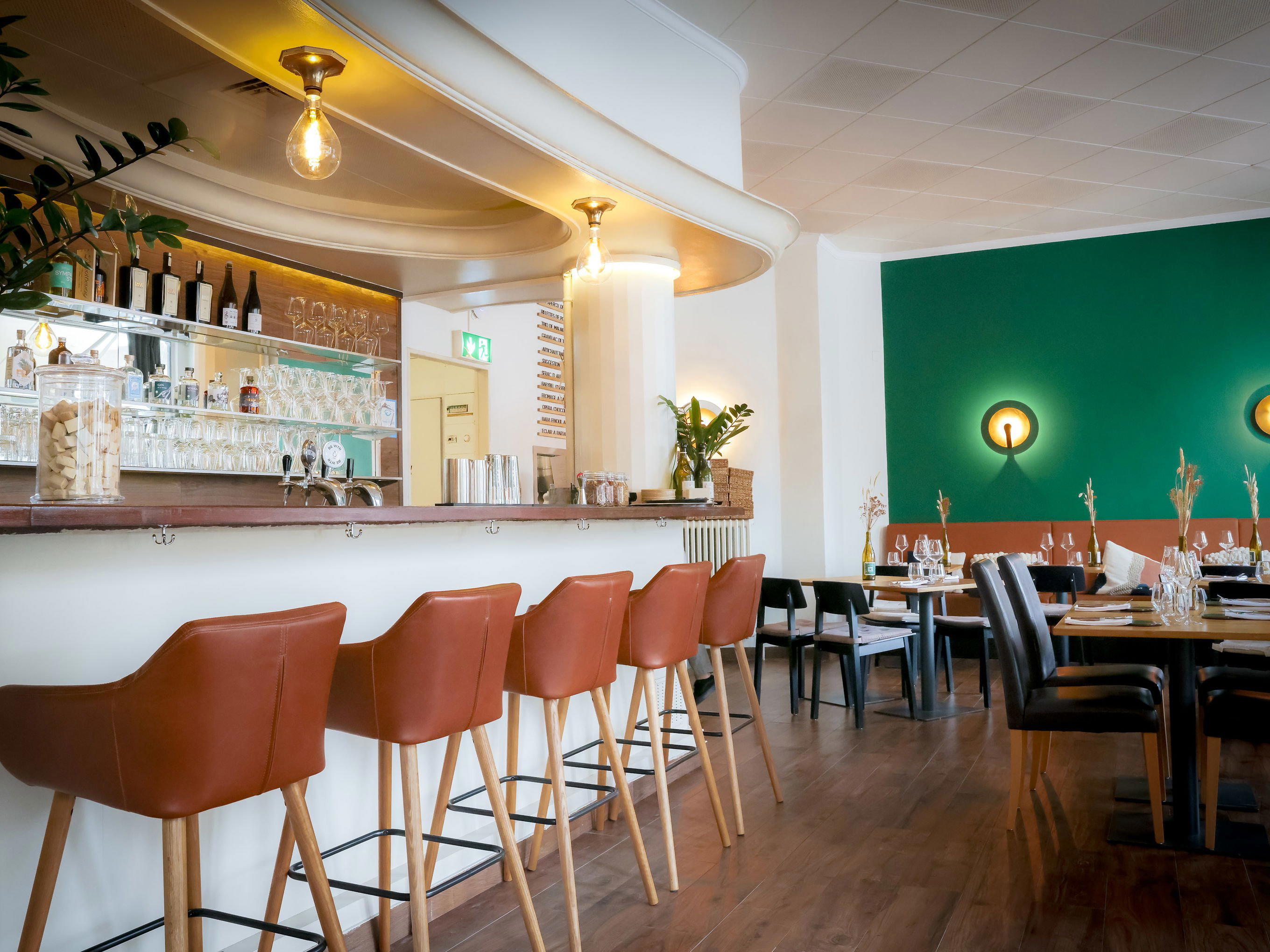
Refined countryside fine‑dining room inside a luxury estate hotel, with white‑tablecloth formality, attentive service, and a tranquil rural setting that feels both elegant and intimate.