
Tabelog 100 #100
Our verdict
Shunzen Wada belongs to Nagoya’s quieter school of high-detail Japanese cooking, where fish sourcing, counter service, sake and shochu matter more than spectacle. Its 2025 Tabelog 100 selection for Japanese cuisine in East Japan and 3.76 Tabelog score place it in a serious regional tier, with a reservation-only format that suits diners planning a focused dinner rather than a casual stop.

Pearl is the En Primeur Club membership app, where members save venues, book tables and use the concierge.
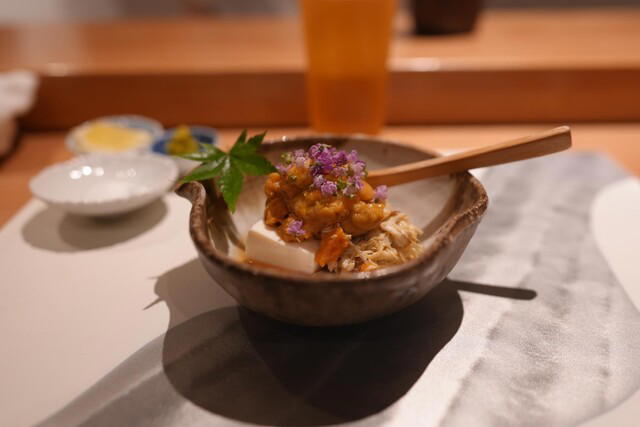
Approach Japanese dining in Nagoya with Tokyo expectations and the city can read too quietly at first. The rhythm is different: fewer international headlines, less theatre at the door, and a stronger reliance on regulars, reservations and focused dining rooms where the meal itself carries the argument. Shunzen Wada fits that lower-volume pattern. It is categorized as Japanese Cuisine, carries a 2025 Tabelog Hyakumeiten listing, and sits in the dinner budget band of JPY 15,000 - JPY 19,999.
That matters in Nagoya. The city is often reduced to familiar local staples in travel shorthand, but its more serious Japanese restaurants operate in a broader Chubu context: access to varied produce, established drinking habits and a dining culture that does not always announce itself loudly to visitors. In that setting, a Japanese Cuisine address with a strong domestic restaurant-guide signal is not chasing novelty. It is working inside a local logic where consistency and execution matter more than menu rhetoric.
Japanese cooking in a city better known for stronger flavours
Nagoya’s public food identity leans bold: red miso, glazed eel, peppered wings, thick sauces. Serious Japanese dining rooms can pull in another direction. They ask diners to pay attention to pacing, restraint, ingredients and the shape of the meal rather than only to impact. Shunzen Wada’s category places it in that quieter register, closer to considered Japanese dining than to the city’s casual local-specialty circuit.
The 2025 Tabelog Hyakumeiten listing for Japanese Cuisine gives the restaurant a useful external marker. Tabelog’s Hyakumeiten selections are not Michelin stars and should not be read as the same kind of inspection system, but they are meaningful inside Japan because they reflect a category-specific field rather than a generic popularity contest. A 3.76 Tabelog score in Japanese Cuisine is also not casual traffic noise; Japanese scoring culture is compressed, and restaurants above the mid-3s often carry serious local credibility.
The editorial key here is discipline rather than spectacle. A restaurant can call itself seasonal without telling the diner much, but a Japanese Cuisine room in this price band has to justify attention through the details of the meal: what is chosen, how it is prepared, and how the sequence holds together. For visitors, Shunzen Wada is best understood as a Nagoya dinner for people who want a focused Japanese restaurant experience rather than a checklist of the city’s most famous casual foods.
The format keeps the meal narrow, not casual
Focused Japanese dining rooms change the contract between kitchen and guest. They compress the evening, shorten the distance between preparation and service, and make pacing more visible. In Japanese Cuisine, that can be a strength when the meal depends on timing, temperature and restraint. It also means the restaurant is better suited to diners who want concentration rather than a long, social dining-room sprawl.
The format also explains why the restaurant reads as a serious dinner choice without needing the signals that international visitors often look for first. There is no need for an expansive chef biography to understand the proposition. The evidence sits in the category, the 2025 Hyakumeiten recognition, the 3.76 Tabelog score and the stated dinner budget. For a visitor building a Nagoya itinerary, this is the kind of room that balances the city’s heavier local classics with a more restrained expression of Japanese cooking.
Use the broader city guides to place it properly. Our full Nagoya restaurants guide gives the dining context; Our full Nagoya hotels guide, Our full Nagoya bars guide, Our full Nagoya wineries guide and Our full Nagoya experiences guide help shape the rest of the trip. For readers comparing how Japanese dining formats translate across regions and abroad, EP Club also tracks other dining rooms generically, but Shunzen Wada should be judged on its own Nagoya context rather than through unrelated named comparisons.
Who should prioritize this Nagoya dinner
Shunzen Wada makes sense for diners who want a controlled Japanese Cuisine meal in Nagoya and are comfortable making dinner the focus of the evening. It is less suited to travelers seeking a quick survey of Nagoya’s famous casual dishes. The smarter read is to treat it as a counterpoint to the city’s louder food vocabulary: a dinner where restraint, pacing and domestic recognition become the frame.
The practical judgment is simple. Put this in an itinerary when dinner is the main event and the group is comfortable with a JPY 15,000 - JPY 19,999 dinner budget. The 2025 Tabelog Hyakumeiten recognition shows that the restaurant has a meaningful reference point within Japanese Cuisine. In a city often underread by international diners, that combination is persuasive.
Frequently asked questions
Where exactly is Shunzen Wada?
Nagoya.
What's the price range at Shunzen Wada?
Pricing at Shunzen Wada is listed as JPY 15,000 - JPY 19,999 for dinner.
Can I walk in to Shunzen Wada?
The provided listing information does not confirm a walk-in policy. Plan ahead for a dinner in Nagoya and check the current booking method before going.
What is Shunzen Wada known for?
Shunzen Wada is categorized as Japanese Cuisine and is listed in the 2025 Tabelog Hyakumeiten, with a Tabelog score of 3.76 and a dinner budget of JPY 15,000 - JPY 19,999.
Comparable Venues Nearby
Comparable venues nearby, for context on price, style, and recognition.
| Venue | Cuisine | Price | Awards | Notes |
|---|---|---|---|---|
| Shunzen WadaThis venue (the venue you are viewing) | Seasonal Japanese Counter Dining | $100–150 | Tabelog 100 #100 | Not listed |
| Atsuta Horaiken (あつた蓬莱軒 本店) | Traditional Japanese Eel (Hitsumabushi) | $30–50 | Tabelog 100 #3 | Atsuta-ku |
| Tempura Niitome (天風良 にい留) | Modern Tempura Omakase | Not listed | Not listed | Naka |
| Nagano Meijitei | Nagano Sauce Katsudon | $10–20 | Not listed | Nagano Station |
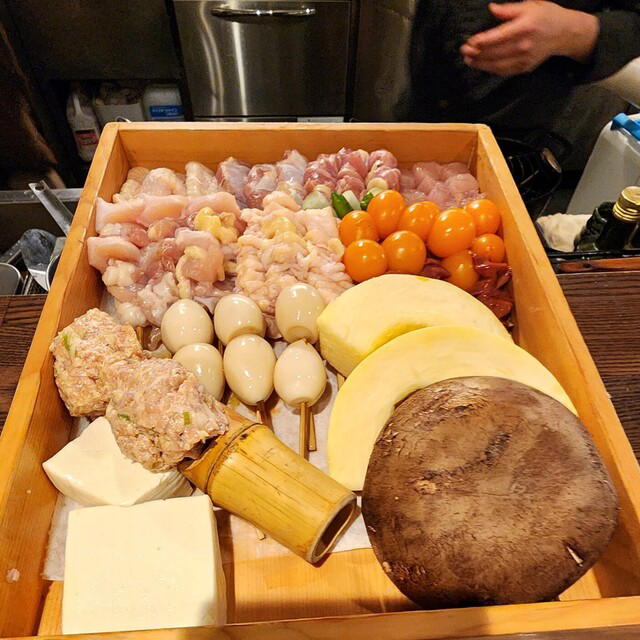
| Yakitori Kanda | High-end Yakitori | $100–150 | Tabelog 100 #42 | Nagoya Castle Area |
| ビストロ ダイア | Neo French Bistro | Not listed | Not listed | Shinei |
Recognition history
Dated appearances from independent guides and award organizations, with the underlying list record or original source where available.
Tabelog 100 #100 · No. 100
Tabelog · Tabelog 100 - Japanese cuisine - EAST - 2025
Continue exploring
More in Nagoya
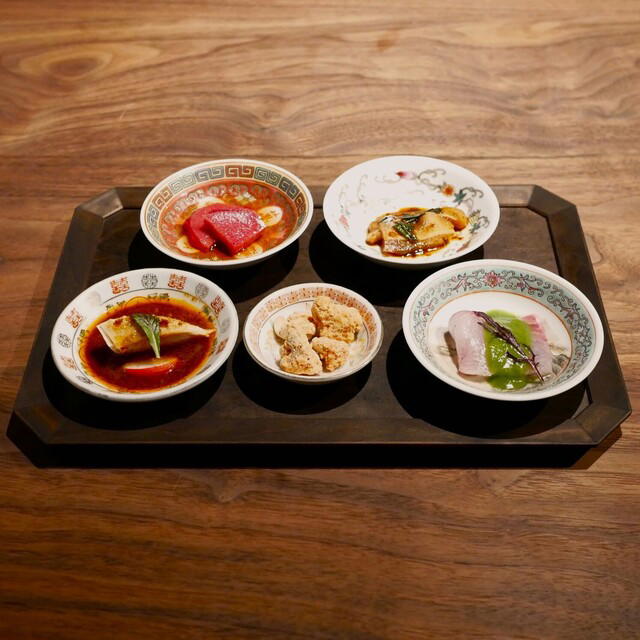
Details
- Intimate
- Cozy
- Elegant
- Date Night
- Business Dinner
- Celebration
- Special Occasion
- Solo
- Chefs Counter
- Design Destination
- Standalone
- Private Dining
- Extensive Wine List
- Local Sourcing
- Farm To Table
- Tasting Menu
- Counter Dining
- Set Menu
- Wine
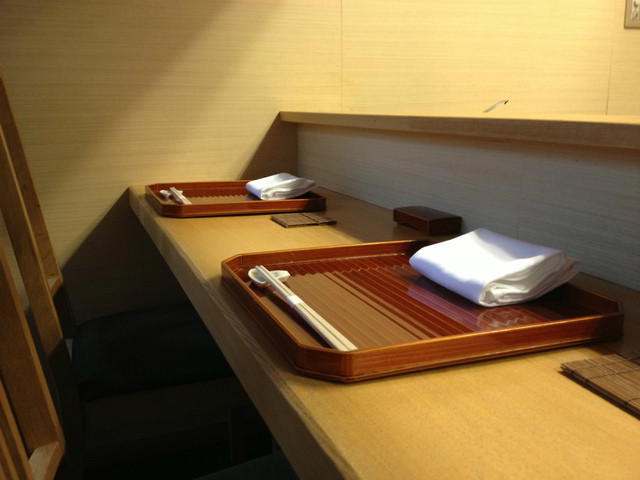
Refined and tranquil counter-only space with an elegant, design-conscious interior by TORII DESIGN OFFICE, focused on calm conversation and close interaction with the chef rather than bustle or scenery.