
Michelin Plate
Our verdict
Prosta 38 occupies a quiet perch just above Olsztyn's Old Town high street, where a modern brasserie aesthetic meets rustic Polish generosity. The menu leans on quality ingredients, judicious seasoning, and careful technique to produce dishes with distinct, clean flavors that stay true to regional traditions without nostalgia.

Pearl is the En Primeur Club membership app, where members save venues, book tables and use the concierge.
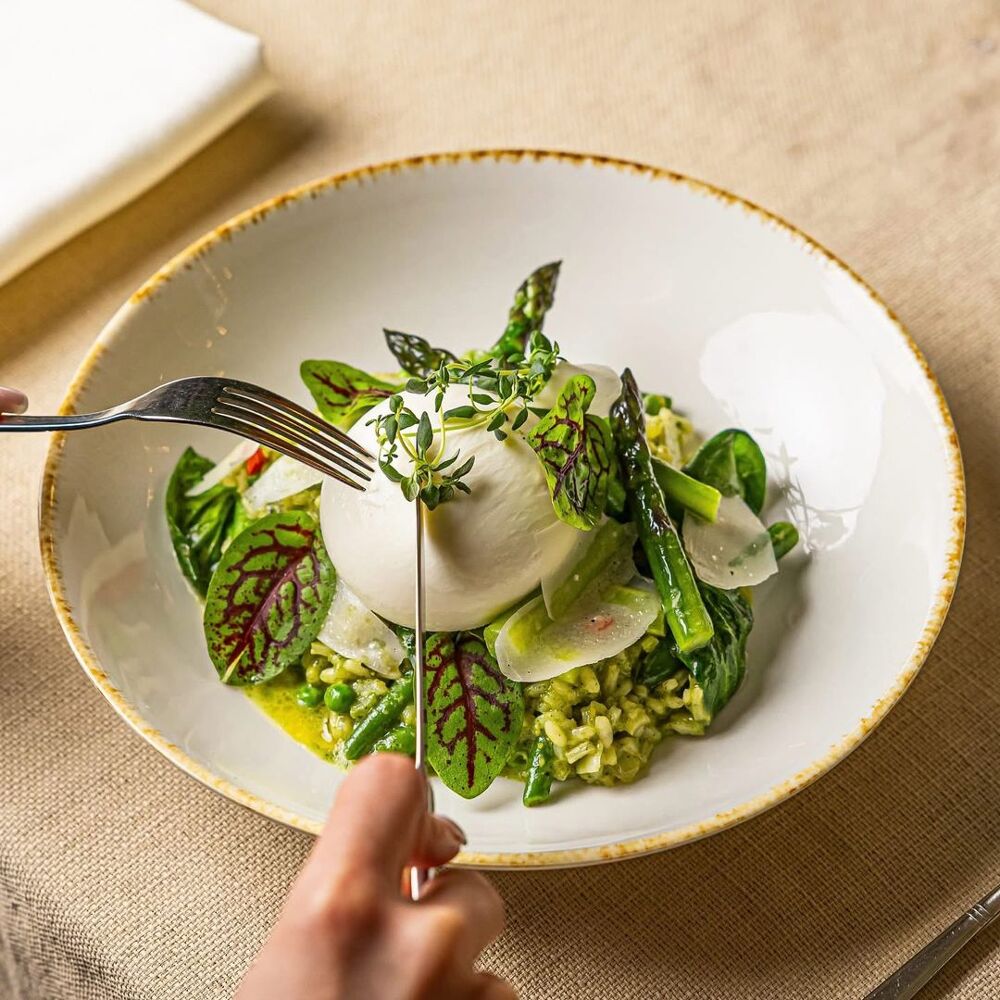
The menu
What to order
- Warmińskie pierogi "Dzyndzalki" z wołowiną Hereford
- Tatar wołowy
- Krem pomidorowo-paprykowy
- Zupa rybna
- Sernik ze słonym karmelem
- Mus z białej czekolady
You climb a short flight of stairs from the cobbled high street of Olsztyn's Old Town to reach Prosta 38, a contemporary brasserie that trades heavy wood and red velvet for light neutral tones and clean lines. The approach sets expectations: this is a kitchen rooted in Polish generosity but filtered through modern restraint, where pork cheeks and mashed potatoes arrive with the same care as the pistachio fondant that follows.
Olsztyn sits in Warmia-Masuria, a region better known for its glacial lakes and Teutonic castles than its dining scene. The city's restaurant landscape has historically skewed toward hearty, tradition-heavy fare aimed at weekend visitors and local families. Prosta 38 occupies a different tier: it draws on the same pantry of beets, cabbage, pork, and game but applies technique and sourcing discipline that separate it from neighborhood staples. The result is a format that feels accessible yet precise, a middle ground between domestic cooking and the more ambitious contemporary Polish projects emerging in Warsaw, Kraków, and Gdańsk.
Ingredient discipline and regional restraint
The menu at Prosta 38 reads like a survey of Warmia-Masuria's agricultural calendar. Pork cheeks arrive with mashed potatoes, roasted beetroot, and cider-braised cabbage, each component cooked to preserve texture and flavor rather than meld into a single note. The cabbage retains bite; the beetroot stays sweet without turning syrupy; the pork itself is tender but not falling apart. These are choices that signal a kitchen more interested in balance than in dramatic contrasts or unexpected combinations.
Sourcing matters here in ways that show up on the plate rather than in menu copy. The beetroot tastes earthy and mineral, suggesting proximity to harvest rather than cold storage. The pork carries a clean richness that points to short supply chains and careful butchery. Cider braising adds acidity without sweetness, a regional nod to the apple orchards that dot the countryside south of the city. The result is food that feels grounded in place without telegraphing it.
This approach extends to the pistachio fondant, a dessert that demonstrates the same restraint applied to savory courses. The fondant is molten-centered but not cloying, with a nutty bitterness that cuts through the sweetness. It is a dish that could appear on a Parisian brasserie menu but arrives here with the same ingredient precision that defines the rest of the meal. Comparisons to Cudne Manowce and Da Andrea, Olsztyn's other noted contemporary dining rooms, are inevitable. Prosta 38 sits alongside them as a venue where technique and sourcing matter more than novelty or theater.
Format and service cadence
The dining room at Prosta 38 holds around 40 seats across a single level, with tables spaced widely enough for conversation to stay private. The neutral palette keeps focus on the food rather than the architecture, and service moves at a deliberate pace that assumes diners have allocated two hours. This is not a quick-turnover format; the kitchen times courses with enough breathing room to signal that the meal is the event, not a prelude to another engagement.
Service staff are fluent in menu details and comfortable fielding questions about preparation methods and ingredient origins. There is no sommelier on the floor, but wine recommendations align with the food's restraint: bottles skew toward central Europe, with Austrian Grüner Veltliner and Czech Riesling appearing alongside Polish natural wines from smaller Carpathian producers. The list is short but coherent, a supporting role rather than a showcase.
For visitors exploring Olsztyn's restaurant scene, Prosta 38 functions as a reliable anchor. It does not chase trends or attempt to redefine regional cuisine, but it executes a focused menu with consistency and clarity. That makes it a useful benchmark for understanding how contemporary Polish cooking translates outside the capital, where market access and diner expectations differ in meaningful ways.
The venue's location within the Old Town places it within walking distance of Olsztyn's compact hotel district and near the Cathedral of St. James, making it a practical choice for travelers spending a night or two in the city before moving on to the Masurian lakes. The neighborhood itself is quiet after dark, with limited bar options and few late-night alternatives, so Prosta 38 often functions as both dinner destination and evening anchor.
For context on how regional Polish cooking is evolving beyond Warsaw's borders, Prosta 38 offers a clear case study. It demonstrates that ingredient-driven cooking does not require elaborate tasting menus or avant-garde plating, and that restraint can be as compelling as innovation when applied with precision. Visitors interested in similar approaches elsewhere in Poland might consider 3 Rybki in Kraków or 2PiEr in Lublin, both of which occupy a comparable tier of regional cooking informed by technique rather than tradition alone.
Prosta 38 does not reinvent Polish brasserie cooking, but it executes it with enough care to stand out in a city where dining options skew toward either casual pierogi or uninspired hotel restaurants. The food is clean, the setting is calm, and the kitchen delivers consistency across a menu that respects its ingredients without overworking them. That combination is harder to achieve than it looks, and Prosta 38 manages it with quiet confidence.
Frequently asked questions
Is Prosta 38 good for families?
The 40-seat dining room on ul. Prosta 38 offers wide table spacing and a neutral, light interior that accommodates groups comfortably. The menu features generous, rustic dishes like pork cheeks with mashed potatoes and beetroot, which appeal to straightforward appetites. The staircase entry from the high street may require a hand for younger children.
What should I expect atmosphere-wise at Prosta 38?
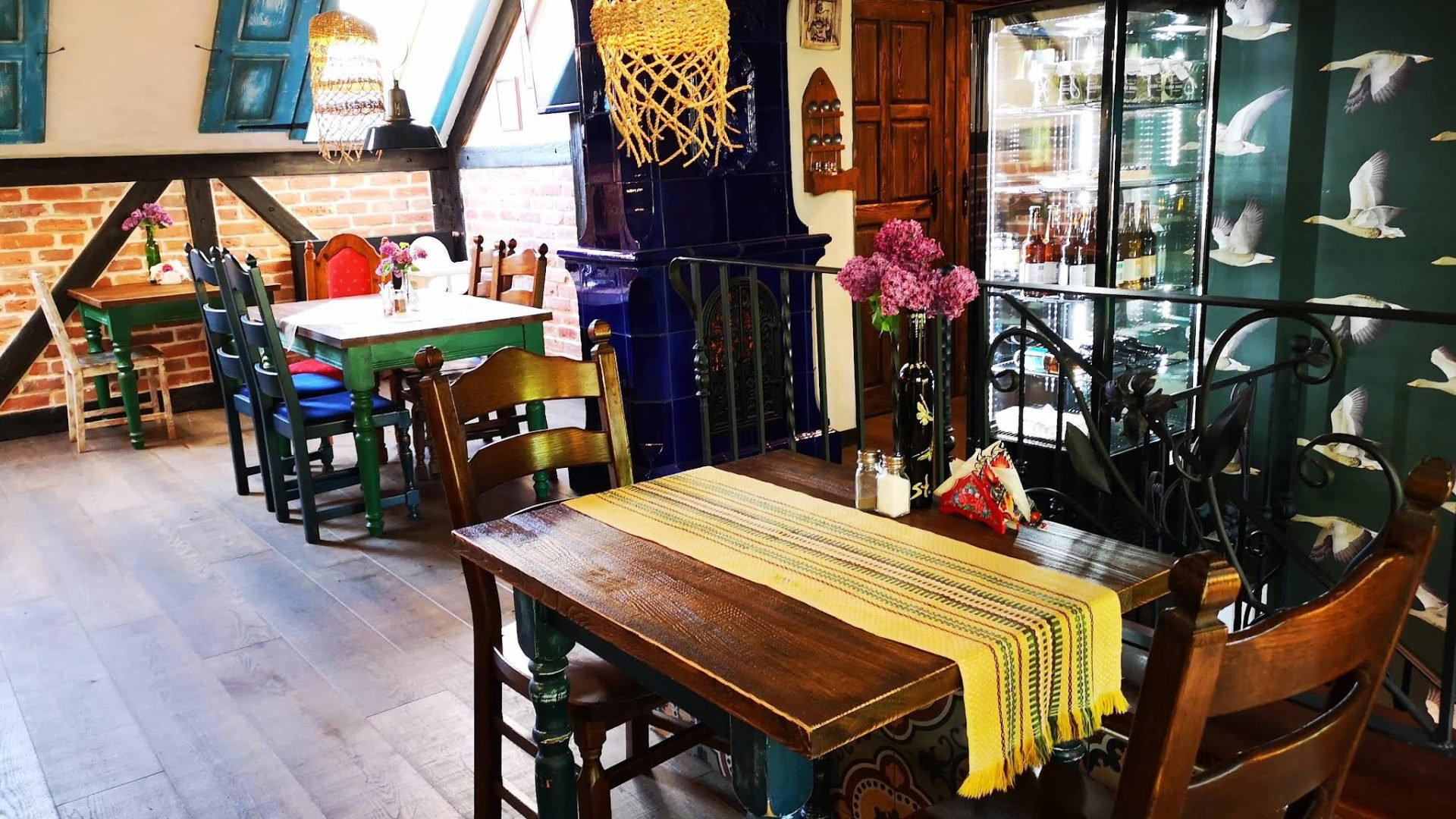
Light neutral colours define the modern brasserie interior, with enough distance between tables to keep conversations private. The single-level layout above Olsztyn Old Town's high street creates a calm, unhurried setting that suits both business lunches and evening dinners. The aesthetic leans contemporary rather than rustic, despite the traditional heart of the menu.
What awards or recognition does Prosta 38 have?
Prosta 38 has received recognition including: Nestled within the Olsztyn Old Town, you climb a few stairs from the high street to reach this modern brasserie decked out in light neutral colours. There’s a traditional heart to the generous, rustic yet carefully executed dishes. Dishes l….
How do I find Prosta 38?
Prosta 38 is located at ul. Prosta 38, Olsztyn, Warmia Masuria, 10-029, POL, Olsztyn.
How hard is it to get a table at Prosta 38?
Walk-ins may be the default for a brasserie of this size in Olsztyn Old Town, though contacting the venue directly via its location at ul. Prosta 38 is advisable during peak dining hours or weekends.
What's the standout thing about Prosta 38?
The kitchen's disciplined approach to timing and seasoning turns regional Warmia-Masuria ingredients into dishes with clean, distinct flavours. Pork cheeks with cider-braised cabbage and the pistachio fondant showcase careful execution and quality sourcing. The brasserie format allows the cooking to speak without ceremony.
Is Prosta 38 good for vegetarians?
The menu at Prosta 38 centres on traditional Polish brasserie repertoire, with dishes like pork cheeks and beetroot prominently featured. Vegetable sides such as roasted beetroot and cabbage appear as accompaniments, but no dedicated vegetarian mains are documented. Contact the venue at ul. Prosta 38 in advance to confirm plant-based options.
Side-by-Side Snapshot
Comparable venues by cuisine and price in the same metro.
| Venue | Cuisine | Price | Awards |
|---|---|---|---|
| Prosta 38This venue (the venue you are viewing) | Modern Polish & international brasserie | $20–30 | Michelin Plate |
| Da Andrea | Italian Seafood | Not listed | Michelin Plate |
| Cudne Manowce | Traditional Warmia and Masuria Polish | $20–30 | Not listed |
Recognition history
Dated appearances from independent guides and award organizations, with the underlying list record or original source where available.
Michelin Plate
Michelin
Continue exploring
More in Olsztyn
Restaurants in Olsztyn
All restaurants in Olsztyn →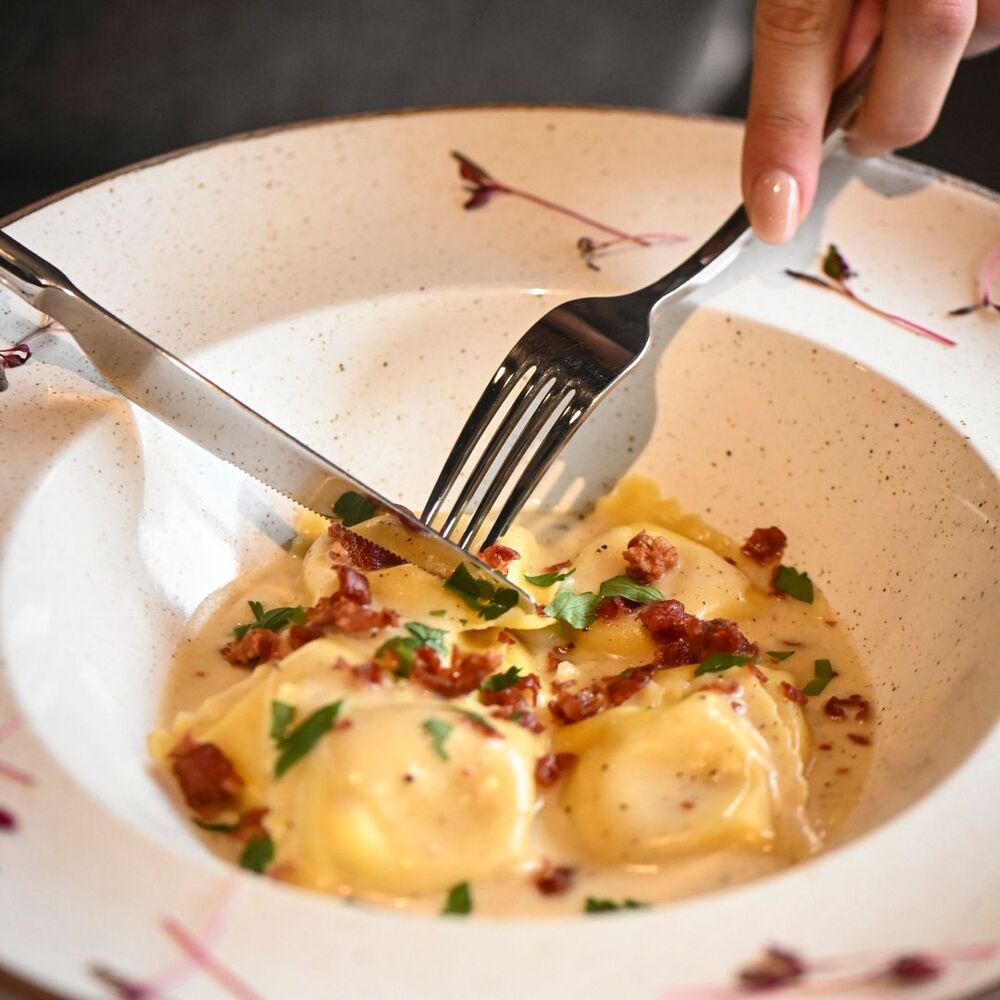
Hotels in Olsztyn
Browse all →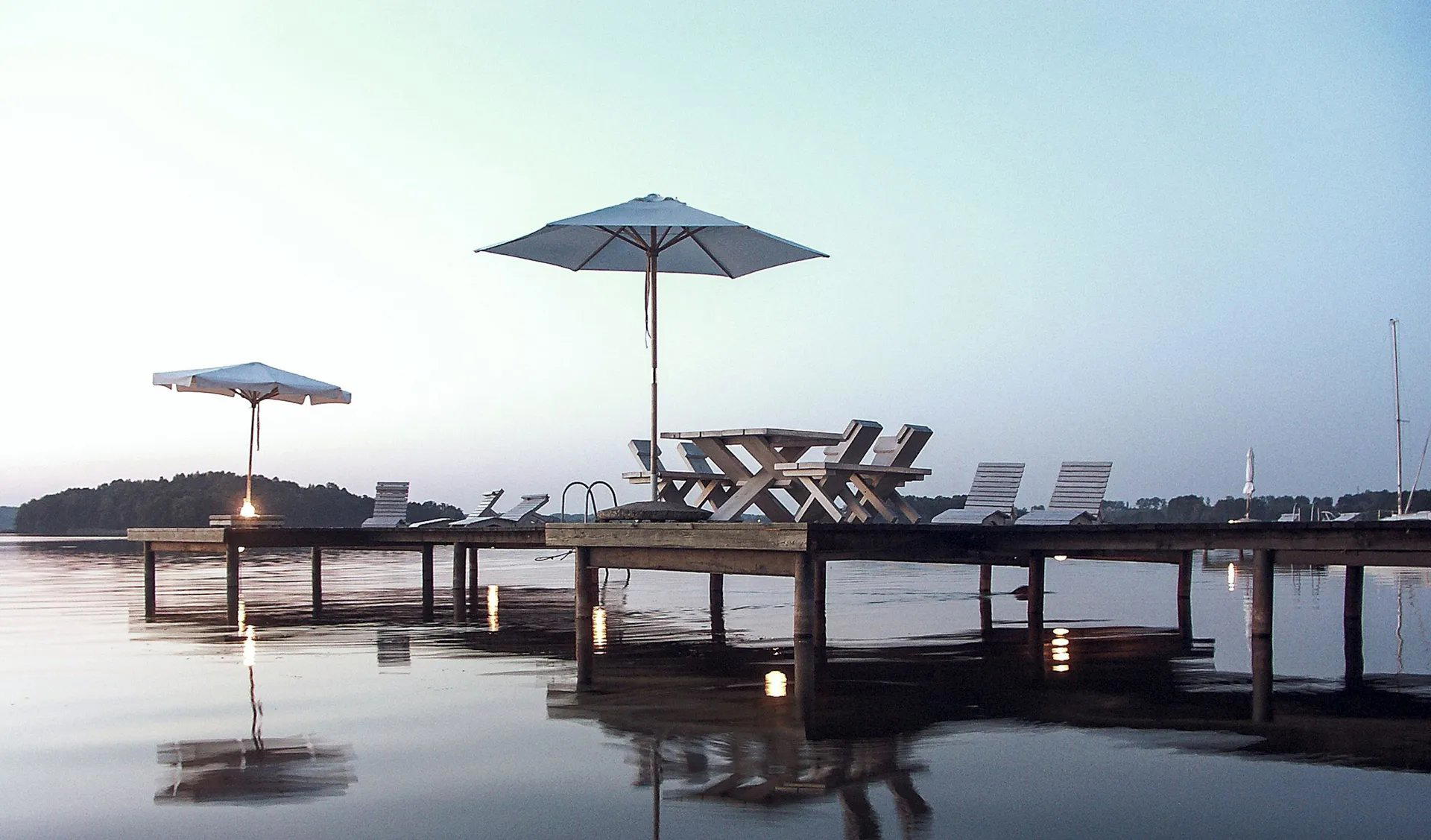
Details
- Romantic
- Cozy
- Elegant
- Modern
- Sophisticated
- Date Night
- Business Dinner
- Group Dining
- Celebration
- Special Occasion
- Standalone
- Design Destination
- Extensive Wine List
- Local Sourcing
- Street Scene
- A La Carte
- Wine
- Coffee
- Non Alcoholic Specialties
- Vegetarian Friendly
- Vegan Options
Warm, elegant interior with light neutral colors, neatly laid tables and attentive, professional service, creating a cozy but refined atmosphere suited to both business meals and romantic dinners.