
Michelin Plate
Our verdict
Hidden behind a beaded curtain inside Vilnius's Sushi Masters restaurant, Vaidas Užgerys runs a twelve-seat counter serving a three-hour omakase that spans roughly fourteen courses. Spanish ingredients meet Niigata rice treated with red wine instead of vinegar, while cuttlefish and beef tenderloin anchor a menu that sidesteps rigid tradition.

Pearl is the En Primeur Club membership app, where members save venues, book tables and use the concierge.
The menu
What to order
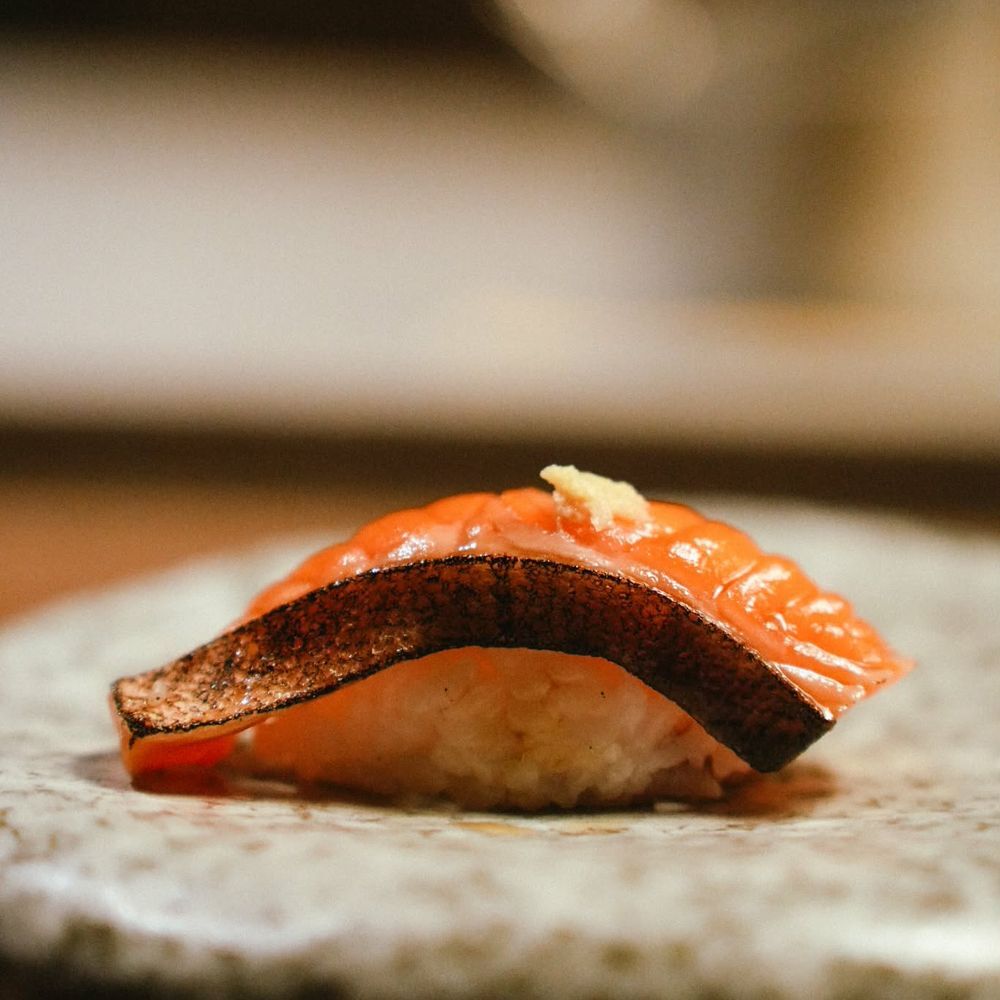
- Salmon jalapeño
- Fried prawn nigiri
- 14-course omakase tasting
Walk past the main dining room of Sushi Masters on Liejyklos gatvė, push through a beaded curtain, and you step into a twelve-seat counter space where Vaidas Užgerys runs his omakase service. The format is familiar, counter seating, ingredients displayed at the start, chef working directly in front of guests, but the sourcing and technique sit outside the orthodoxy that governs most omakase programs. Vilnius has seen fine dining evolve over the past five years, with restaurants like elven and Telegrafas establishing modern European tasting formats at the €€€ tier. Omakase remains a narrower category, and Užgerys occupies the most technically committed end of it.
Spanish Fish, Japanese Rice, Lithuanian Dining Culture
Ingredients come largely from Spain rather than Japanese or northern European suppliers, a decision that shapes texture, fat content, and the seasonal rhythm of the menu. The rice is Niigata-grown but seasoned with red wine in place of rice vinegar, a move that alters acidity and shifts the flavour base of the nigiri sequence. The opening section runs through small-plate formats, salmon with jalapeño, fried scallop, that lean closer to izakaya pacing than kaiseki structure. The cuttlefish course and the beef tenderloin, both highlighted in recognition notes, mark the high points of the progression and demonstrate where Spanish sourcing delivers texture and flavour density that differ from the lean, cold-water profiles typical of Hokkaido or Norwegian product. The meal runs three hours, longer than most omakase services at this course count, which suggests a more conversational pace and room for ingredient presentation and explanation between courses.
Lithuania sits outside the usual omakase supply chains, which means Užgerys sources through Spanish wholesalers who themselves work Mediterranean and Atlantic markets. That introduces varietals and cuts that rarely appear on Tokyo or Los Angeles counters. The red-wine-treated rice is polarising, it darkens the grain slightly and introduces tannin undertones that interact differently with fatty fish than the sharper, cleaner lift of vinegar. It works better with richer proteins (mackerel, tuna belly, beef) than with delicate white fish, where the wine can overpower. The approach signals a willingness to adapt technique to local conditions rather than replicate a Tokyo model with unavailable ingredients.
Format, Pacing, and the Counter Experience
Twelve seats keep the service intimate and allow Užgerys to work each course individually. The counter format means you watch preparation in real time, cutting, torching, brushing, plating, and the three-hour duration gives space for questions and for the chef to explain sourcing decisions, ageing protocols, and why certain fish are Spanish rather than Japanese. That transparency is part of the value proposition at this level. Vilnius lacks the omakase density of cities like New York or London, where competitive pressure drives technical refinement and sourcing consistency. Here, the format itself remains less common, which means expectations around rice temperature, fish ageing, and shari seasoning are less codified. Guests arriving from Tokyo or from high-volume omakase cities will notice the differences in pacing and in the interaction between rice and topping; those new to the format will find the presentation and the direct engagement with the chef more approachable than the silent, formal rhythm of traditional counters.
The beaded-curtain entrance and the location within Sushi Masters create a sense of separation without full architectural independence. It is not a standalone restaurant with its own front door, which affects how the space reads and how bookings are managed. The lack of a standalone web presence or published phone number suggests reservations likely run through the parent restaurant or through direct contact. That informality suits Vilnius, where dining culture still leans more toward word-of-mouth and repeat clientele than toward online reservation platforms. For visitors, securing a seat requires advance planning and likely an inquiry through local contacts or the main Sushi Masters line. Walk-ins are impractical given the seat count and the format.
Vilnius's broader restaurant scene runs from traditional Lithuanian formats at Protėviai to modern European tasting menus at Amandus and Augustin, with casual international options like B'ARN Bistro filling the mid-tier. Omakase sits outside that spectrum, and Užgerys's version adds a layer of interpretation that distances it further from template formats. The three-hour commitment and the ingredient-led storytelling make it a better fit for guests interested in technique and sourcing than for those seeking a quick high-end meal. If you are spending time in Vilnius and want to understand how a chef adapts a Japanese format to Baltic and Mediterranean supply lines, this is the clearest example in the city. For a fuller picture of Vilnius dining, see our full Vilnius restaurants guide, and explore hotels, bars, and experiences across the city.
Frequently asked questions
Does OMAKASE by Vaidas Užgerys work for a family meal?
The 12-seat counter and three-hour pacing make this a poor choice for children or large family groups. The format is fixed-menu omakase with individual course preparation, designed for focused adult dining. Families looking for flexibility or faster service will find better options elsewhere in Vilnius.
What's the vibe at OMAKASE by Vaidas Užgerys?
Hidden behind a beaded curtain inside Sushi Masters, the 12-seat counter creates a secluded, watch-the-chef atmosphere. Ingredients are presented at the start, then Užgerys prepares each course in view. The three-hour runtime and counter intimacy keep conversation low and attention on the preparation.
What awards or recognition does OMAKASE by Vaidas Užgerys have?
OMAKASE by Vaidas Užgerys has received recognition including: Hidden away behind a beaded curtain within the Sushi Masters restaurant is Vaidas Užgerys’ omakase experience, an exclusive 12-seater counter where a menu comprising around 14 courses lasts for three hours. The day's ingredients are present….
Where is OMAKASE by Vaidas Užgerys in Vilnius?
OMAKASE by Vaidas Užgerys is located at Liejyklos gatvė 8, Vilnius, Vilnius Region, 01121, LTU, Vilnius.
Quick Comparison
Comparable venues by cuisine and price in the same metro.
| Venue | Cuisine | Price | Awards |
|---|---|---|---|
| OMAKASE by Vaidas UžgerysThis venue (the venue you are viewing) | Modern Japanese Omakase | Not listed | Michelin Plate |
| elven | Nordic-Scandinavian | $50–100 | Michelin Plate |
| Stebuklai | Modern European Raw & Grill | Not listed | Michelin Plate |
| Saint-Malo | Authentic French Regional Cuisine | $50–100 | Michelin Plate · Star Wine List |
| Telegrafas | Modern European with Lithuanian influences | $50–100 | Michelin Plate · Star Wine List |
| Protėviai | Lithuanian Fire-Grilled Steaks | Not listed | Michelin Plate |
Recognition history
Dated appearances from independent guides and award organizations, with the underlying list record or original source where available.
Michelin Plate
Michelin
Continue exploring
More in Vilnius
Restaurants in Vilnius
All restaurants in Vilnius →
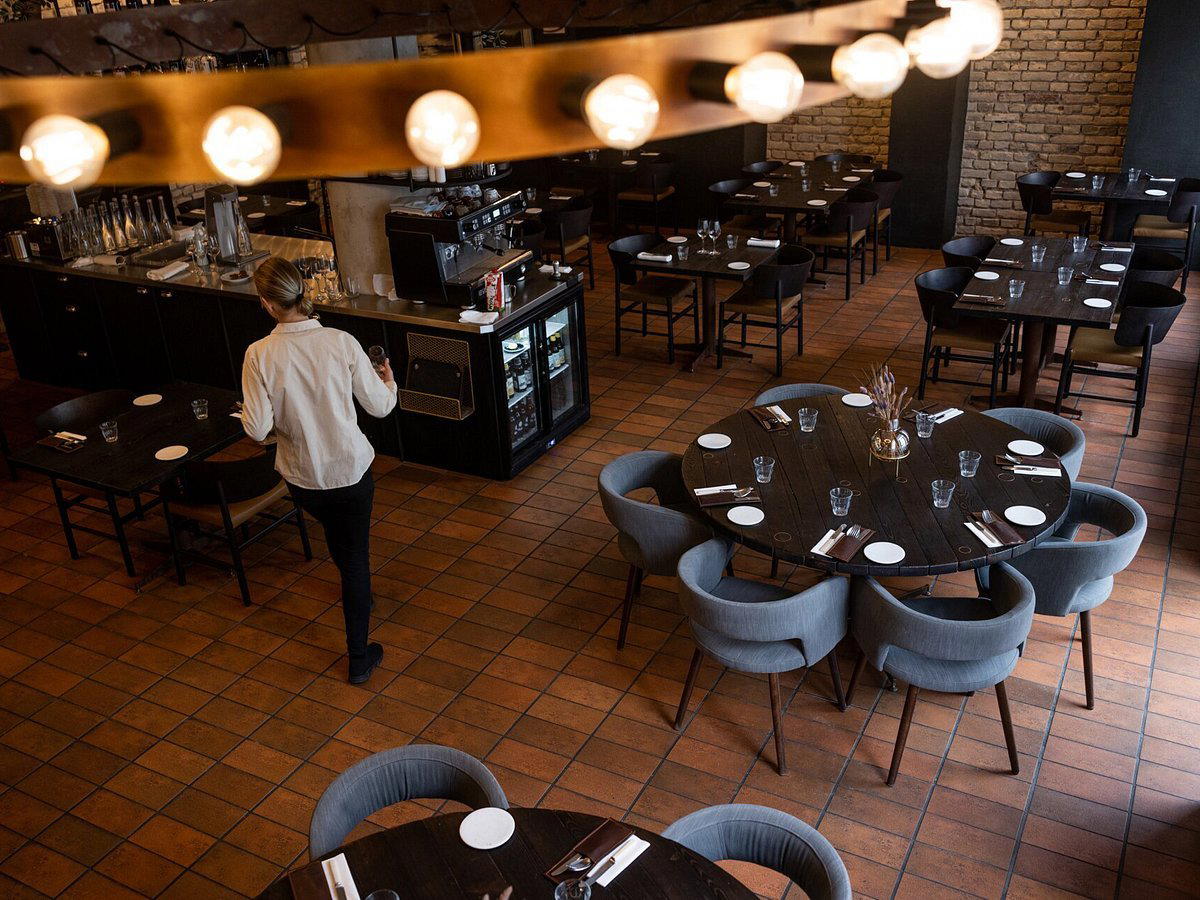


Bars in Vilnius
All bars in Vilnius →


Details
- Intimate
- Elegant
- Modern
- Sophisticated
- Date Night
- Special Occasion
- Celebration
- Group Dining
- Solo
- Chefs Counter
- Open Kitchen
- Standalone
- Design Destination
- Sake Program
- Local Sourcing
- Sustainable Seafood
- Tasting Menu
- Omakase
- Counter Dining
- Set Menu
- Sake
- Beer
- Pescatarian Friendly
A quiet, focused counter-only setting where guests sit close to the chef, with a refined, contemporary Japanese feel that emphasizes careful presentation, seasonal ingredients, and an immersive three-hour tasting experience.