
Michelin Plate
Our verdict
NÔM unfolds Vietnamese regional cooking as a multi-floor tasting menu in Ho Chi Minh City's Tan Dinh Ward. Each course tracks north-to-south culinary traditions—Huế beef noodle soup, fish soup finished with herb oil and caviar—matched to architecture and interiors that shift by floor. The format positions itself in the city's growing contemporary-Vietnamese fine-dining segment.

Pearl is the En Primeur Club membership app, where members save venues, book tables and use the concierge.
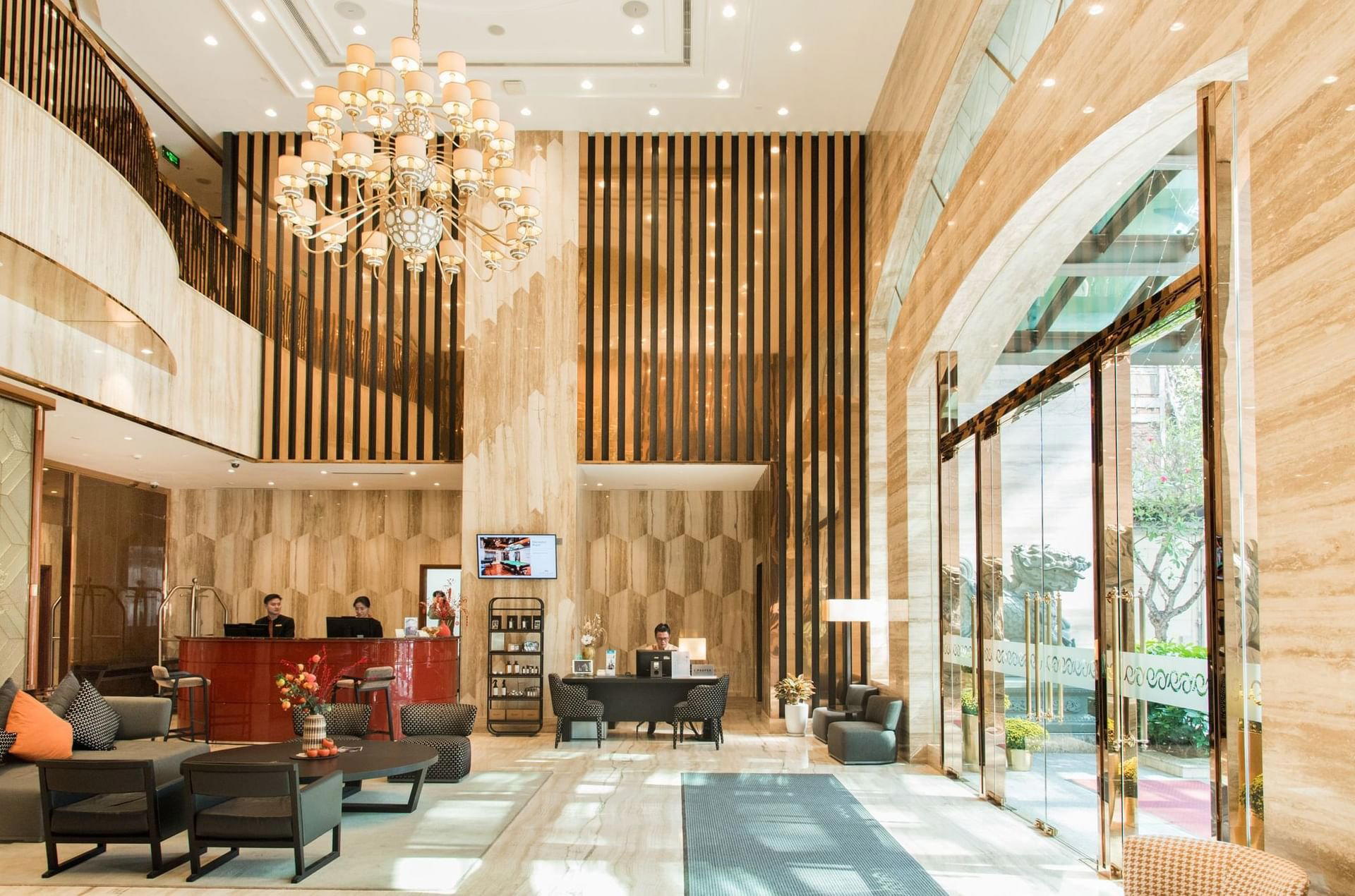
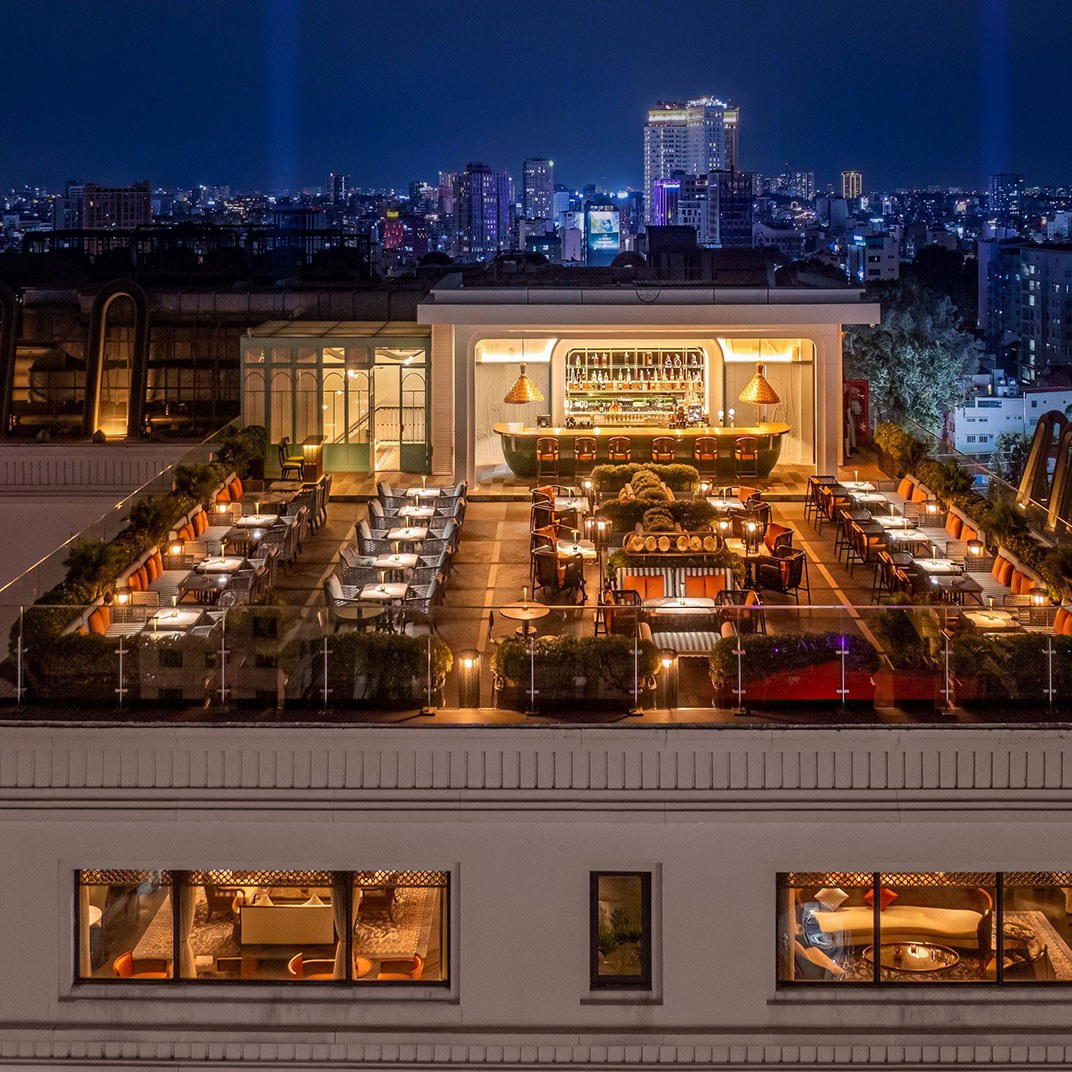
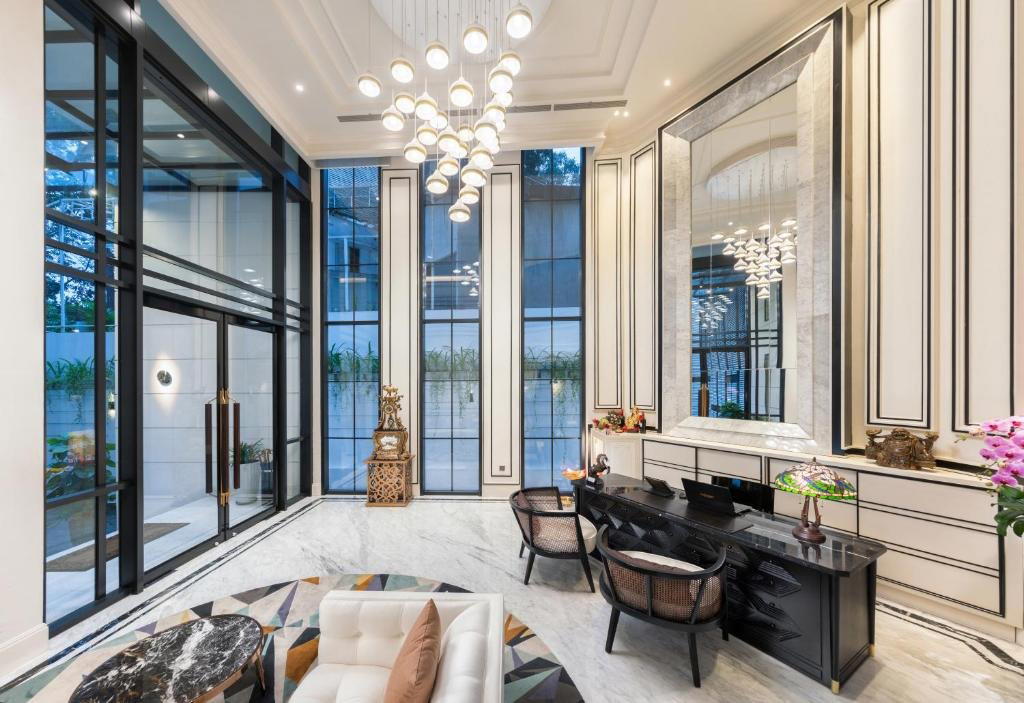
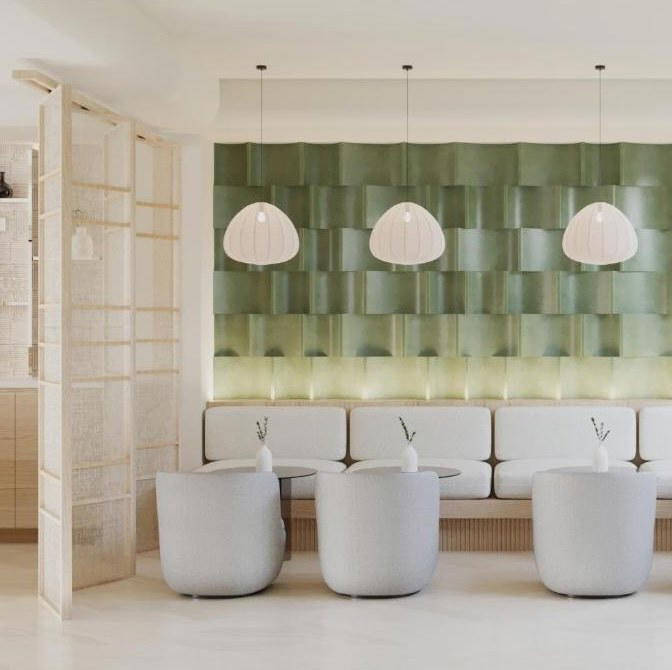
A former villa in Tan Dinh Ward now houses three floors, each designed to mirror a region of Vietnam. The lighting is warm and indirect, and as you climb from ground to upper level, the interiors shift, northern simplicity gives way to central-Vietnamese ornamentation, then southern tropical openness. The tasting menu follows the same geographic arc, moving from Hanoi-inflected dishes through Huế and ending with a dessert grounded in Mekong-Delta flavour logic.
Ho Chi Minh City's fine-dining scene has historically leaned on imported technique, French brasserie formats, Italian small plates, Japanese omakase, but a smaller cohort now reworks Vietnamese canonical dishes with plating precision and ingredient upgrades. An's Saigon pursues a similar north-south narrative, while Akuna applies modernist technique to local produce. NÔM sits in that bracket: multi-course, reservation-recommended, and pitched at diners who want Vietnamese culinary heritage without street-cart logistics.
Regional cooking as vertical storytelling
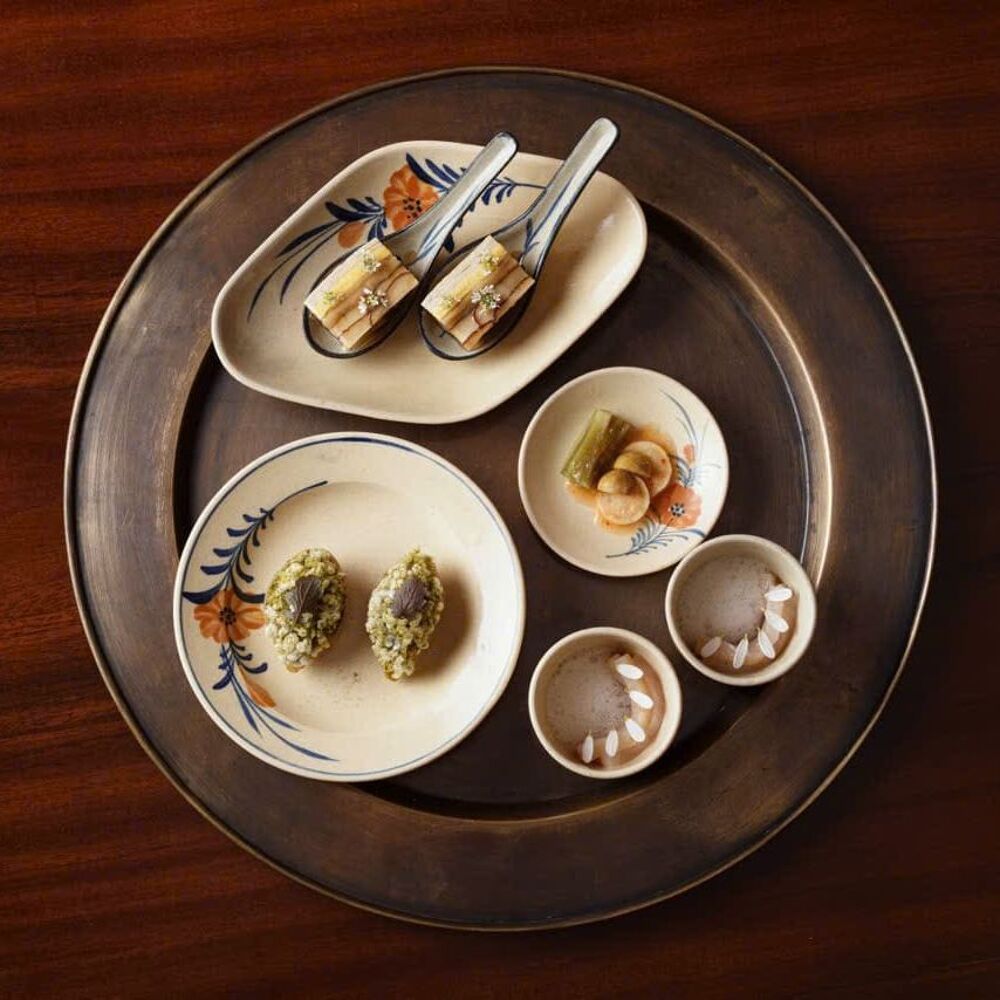
The menu structure is deliberate. Northern courses tend toward broths and fermented flavours; central Vietnam appears in spice-forward, intensely seasoned preparations; southern dishes lean sweeter and more coconut-forward. The Huế-style beef noodle soup arrives as a refined bowl, broth reduced and clarified, garnishes calibrated for visual balance rather than abundant scatter. Fish soup gets a raft of caviar and a drizzle of herb oil, a move that signals fine-dining ambition without abandoning the original format.
Ingredient sourcing follows the same geographic logic. Northern herbs come from highland farms; central chillies are sourced closer to Huế; southern coconut and palm sugar trace back to delta suppliers. The kitchen does not hide this provenance, menu notes call out regions, and servers mention producer names when asked. It is not farm-to-table in the Western sense, but it does anchor each dish in a specific Vietnamese terroir.
The dessert course is built on southern ingredients: tropical fruit, coconut milk, palm sugar. By the time it arrives, you have travelled the country vertically, both through the building and through the plate. The model works because the pacing is tight, courses move quickly enough to hold attention, and the transitions between floors feel like scene changes rather than arbitrary decoration.
Positioning in the city's contemporary tier
NÔM competes with a handful of venues that treat Vietnamese cooking as a fine-dining premise. Anan Saigon leans street-food casual, while 3G Trois Gourmands is French technique with local inflection. NÔM sits closer to the tasting-menu end of the spectrum, where the format demands a set sequence and a longer commitment. The pricing reflects that: expect to spend more than you would at a mid-tier Vietnamese bistro, but less than at European-led fine-dining addresses.
The wine list skews French and Italian, with a small selection of bottles from Australia and the Americas. There is no dedicated sommelier program, but staff can guide pairing choices if you ask. Tea pairings are available and make more sense with certain courses, northern broths, in particular, work better with oolong or jasmine than with Burgundy.
Service is formal but not rigid. Courses are explained in English and Vietnamese, and the kitchen accommodates dietary restrictions with advance notice. The pace is chef-driven; you will not control the timing, and the meal runs close to two hours. If you prefer à la carte flexibility or faster turnover, Apero or An's Saigon may suit better.
The three-floor layout means the experience is semi-private by design. Groups are separated by level, and the staircase acts as a buffer. Solo diners and couples get the same pacing and portion sizes as larger parties, which is not always the case at tasting-menu venues in the city. If you are travelling alone or with one other person, the format does not penalize you.
Tan Dinh Ward sits east of District 1's hotel cluster, a five-minute taxi ride from most central addresses. The neighbourhood is residential, with fewer tourist landmarks and more local shopfronts. Street parking is limited; ride-hailing apps are the simplest option. The venue does not operate a shuttle or valet service, and the entrance is unmarked, look for the street number on Tran Nhat Duat.
The tasting menu is the only option. There is no à la carte, no abbreviated version, and no walk-in seating. Reservations are handled by phone or email, and the kitchen sets a fixed number of seatings per night. If you show up without booking, you will be turned away. That rigidity is part of the format: the kitchen preps for a known count, and the multi-floor service model does not allow for improvisation.
For visitors building a dining itinerary in Ho Chi Minh City, NÔM works as a contrast to street-food crawls or café hopping. If you have already covered Anan Saigon or spent an evening at one of the city's cocktail bars, this is the sit-down, multi-course counterpoint. It does not replace the sidewalk experience, but it does show how Vietnamese culinary grammar translates into a fine-dining register.
The broader Ho Chi Minh City restaurant scene now includes enough contemporary-Vietnamese addresses that you can choose by format preference. NÔM is the tasting-menu specialist, Akuna is the ingredient-forward lab, and Anan Saigon is the accessible entry point. Each occupies a different price tier and time commitment. If you are staying in the city for more than a few days, visiting two or three of these addresses will give you a clearer sense of where Vietnamese fine dining is heading.
Frequently asked questions
Can I bring kids to NÔM?
NÔM's multi-course format and immersive, warmly lit atmosphere lean toward adult diners, though no strict age policy is advertised. The tasting-menu-only structure means limited flexibility for younger palates. Families interested in the regional Vietnamese concept should weigh whether children will sit through the full progression from North to South Vietnam.
What should I expect atmosphere-wise at NÔM?
Each floor reflects a different region of Vietnam, aligning with the menu's North-to-Central-to-South arc. Contemporary design meets traditional motifs in a warmly lit setting meant to feel immersive rather than minimal. The focus is on the progression of dishes, so expect a seated, multi-course pace rather than casual drop-in energy.
What distinctions does NÔM have?
NÔM has received recognition including: Nôm's tasting menu unfolds as a thoughtful journey through Vietnam's culinary heritage, moving from the North to Central regions, ending with a Southern-inspired dessert. Familiar dishes are reworked with finesse – think elegant, complex Hu….
Where is NÔM located?
NÔM is located at 53 Tran Nhat Duat Street, Tan Dinh Ward, Ho Chi Minh City, Hồ Chí Minh, 71008, VNM, Ho Chi Minh City.
Do they take walk-ins at NÔM?
The tasting-menu format and deliberately paced service suggest advance booking is the norm, though specific reservation policies are not listed. Given the multi-floor layout and course-by-course flow, showing up unannounced carries risk. Contact the venue at 53 Tran Nhat Duat Street, Tan Dinh Ward, to confirm same-day availability.
What has NÔM built its reputation on?
NÔM is known for a thoughtful tasting journey through Vietnam's culinary regions, reworking familiar dishes with technical finesse. Huế-style beef noodle soup and herb-oil-lifted fish soup with caviar illustrate the refinement applied to classics. The venue treats Vietnamese cooking as a fine-dining premise, competing with the handful of Ho Chi Minh restaurants that take the same approach.
Fast Comparison
Comparable venues by cuisine and price in the same metro.
| Venue | Cuisine | Price | Awards |
|---|---|---|---|
| NÔMThis venue (the venue you are viewing) | Modern Vietnamese Cultural Dining | $30–50 | Michelin Plate |
| Oryz | Asian Contemporary | $50–100 | Michelin Plate · Tatler Best Vietnam: Best Innovation |
| Cục Gạch Quán | Traditional Vietnamese Home-Style | $10–20 | Michelin Bib Gourmand |
| Miên Saigon | Modern Vietnamese Fine Dining | $50–100 | Michelin Plate |
| Å by T.U.N.G | Modern Nordic-Vietnamese Fine Dining | $100–150 | Michelin Plate |
| Bánh Xèo 46A | Traditional Vietnamese Bánh Xèo | $10–20 | Michelin Bib Gourmand |
Recognition history
Dated appearances from independent guides and award organizations, with the underlying list record or original source where available.
Michelin Plate
Michelin
Continue exploring
More in Ho Chi Minh City
Restaurants in Ho Chi Minh City
All restaurants in Ho Chi Minh City →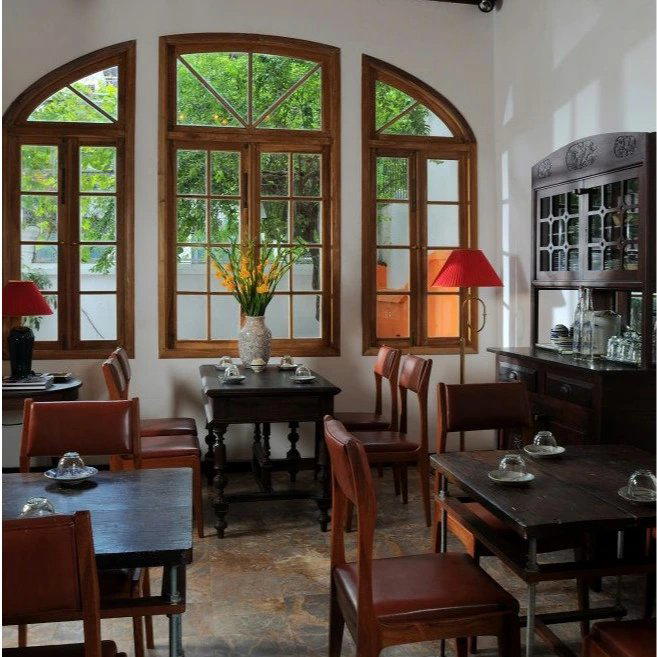
Bars in Ho Chi Minh City
All bars in Ho Chi Minh City →
Details
- Elegant
- Modern
- Sophisticated
- Trendy
- Intimate
- Date Night
- Business Dinner
- Celebration
- Special Occasion
- Group Dining
- Design Destination
- Standalone
- Private Dining
- Craft Cocktails
- Local Sourcing
- A La Carte
- Tasting Menu
- Cocktails
- Wine
Refined and contemporary with thoughtfully designed spaces that guide guests through different rooms, each evoking aspects of Vietnamese cultural heritage; lighting and decor are curated for an intimate yet polished dinner atmosphere rather than a casual or high‑energy setting.