companion
Our verdict
companion in Los Angeles sits inside a city where restaurant identity is shaped as much by service rhythm and room energy as by the cooking itself. With no public awards or fixed cuisine label attached here, the useful read is editorial rather than checklist-driven: treat it as part of LA’s collaborative dining culture, where kitchen, beverage, and floor teams define the night in real time.

Pearl is the En Primeur Club membership app, where members save venues, book tables and use the concierge.
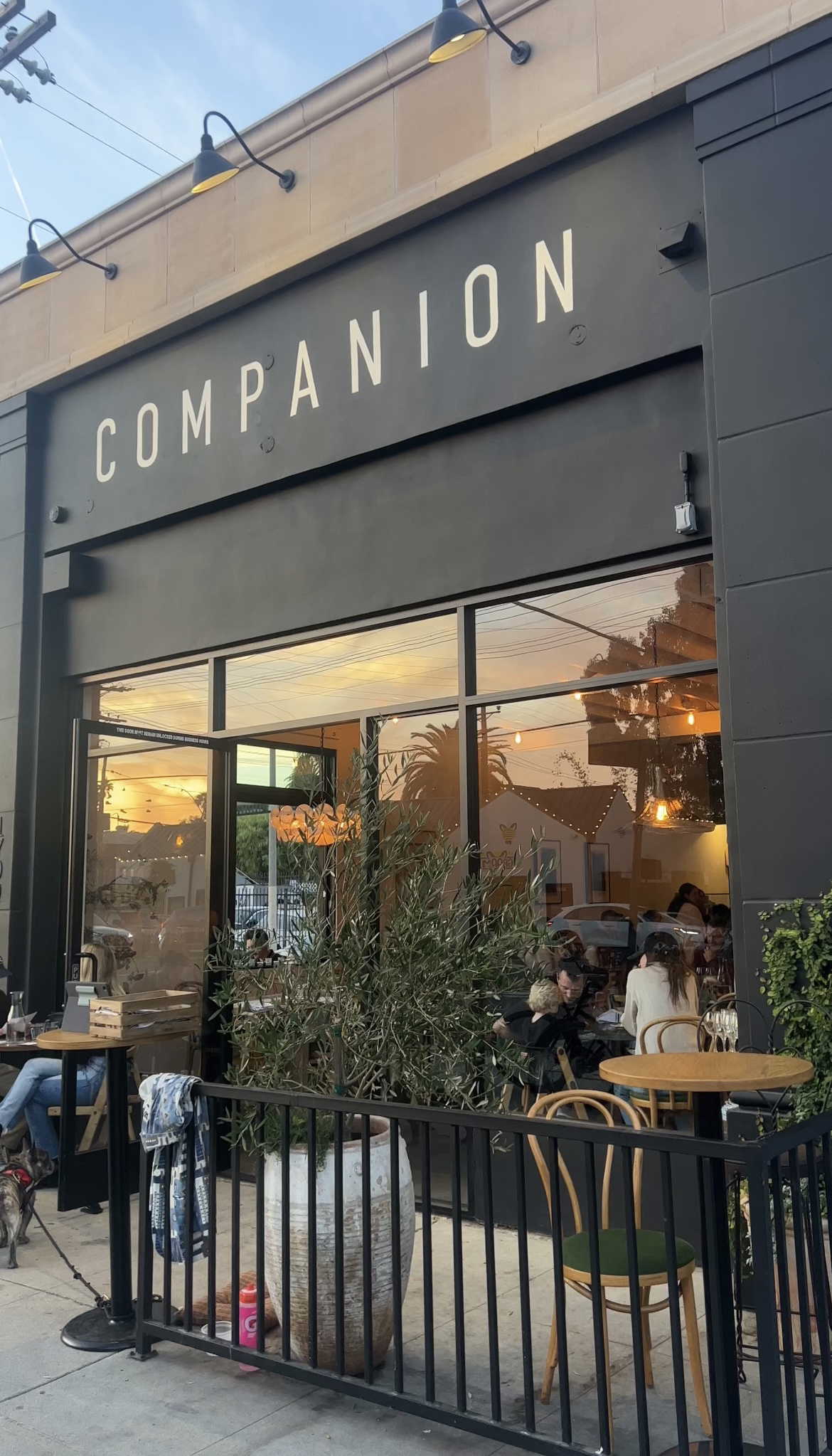
The menu
What to order
- Little gem caesar with focaccia croutons
- Chicken Milanese
- Rigatoni Bolognese
- Pizza
Los Angeles dining often begins before the first plate: the room’s volume, the pace at the host stand, the way tables turn, the temperature of the lighting, the confidence of the first drink order. companion enters that citywide grammar with a lowercase name and limited public scaffolding around category, chef, awards, or price, which makes the usual luxury shorthand less useful. In LA, that restraint can matter. The city’s restaurant culture has moved away from rigid formality and toward rooms where the handoff between kitchen, beverage, and floor staff carries the experience.
That is the better lens here. A restaurant without a heavily publicized chef biography or detailed category frame asks to be judged through coordination: how clearly the floor explains the menu, whether drinks sharpen or soften the cooking, how the room handles momentum when Los Angeles traffic compresses arrivals into the same half-hour. In a city spread across freeways and many dining pockets, hospitality is not a decorative layer. It is the operating system.
Los Angeles dining is increasingly a team sport
The old LA caricature, celebrity tables, soft openings, flashbulb entrances, misses what has actually made the city compelling for serious diners. The stronger restaurants are built less around a single auteur and more around a working triangle: kitchen, beverage, and front-of-house. That model suits a city where dinner may be casual in dress but demanding in execution. A server needs to read whether a table wants pace or lingering. A beverage program has to work across mixed groups, not only collectors or cocktail completists. The kitchen has to communicate enough intent without turning the meal into a lecture.
companion is thinly documented in the public-facing categories that usually make restaurant pages easy to classify. That pushes the emphasis toward the decision a diner actually has to make: is this a night for discovery, social energy, or a controlled destination meal? LA contains all three, but the city is at its strongest when informality is backed by discipline. The difference between a relaxed room and a careless one is usually visible in the first ten minutes, long before awards or chef CVs enter the conversation.
For broader calibration, EP Club’s full Los Angeles restaurants guide is the cleaner starting point than forcing companion into a false category. The city can swing across coastal dining, casual formats, polished room service, precise counters, and populist neighborhood cooking. Those are not direct peers; they show how wide the city’s restaurant vocabulary has become.
Read the room before reading the menu
In restaurants built on collaboration, the menu is only half the text. The other half is service choreography. Los Angeles rewards staff who can manage uneven arrival patterns, late tables, dietary negotiations, and guests arriving from different parts of the city with different appetites. A confident team does not need theatricality; it needs timing, clean explanations, and the ability to steer a table without flattening the evening into a script.
That matters especially when a venue’s public identity is not anchored by a named cuisine. Without a fixed label, diners should pay attention to structure: whether the menu encourages sharing or individual courses, whether beverage pairings are implied or informal, whether the room is built for conversation or energy. The strongest version of this format feels edited rather than vague. The weaker version feels like a concept waiting to be named.
Los Angeles also sits inside a wider conversation about casual formats carrying serious intent. Compact counters, beverage-led rooms, and destination restaurants all read differently, yet each can show how identity often travels through format as much as recipe. The useful point for companion is not comparison by cuisine; it is that today’s more interesting restaurant decisions are about how a room behaves.
How to place companion in an LA itinerary
Use companion as part of a Los Angeles dining plan that leaves room for mood. If the evening needs a formally ranked, award-driven destination, choose from venues with clearly published accolades and formats. If the aim is to understand how LA restaurants now blur neighborhood dining, beverage culture, and social rhythm, companion belongs in that broader conversation. The limited public awards frame makes the live service dynamic more important, not less.
For travellers building a fuller city stay, restaurants should sit beside the rest of the itinerary rather than float alone. EP Club’s Los Angeles hotels guide, Los Angeles bars guide, Los Angeles wineries guide, and Los Angeles experiences guide help map the city by pace and geography. That matters here because LA dining is rarely just about the table; the route, the after-dinner plan, and the broader Los Angeles setting all change the night.
Seen from that angle, companion is not simply a trophy entry. It is a test of a more current LA instinct: whether a restaurant can create definition through teamwork rather than biography, and whether the room can make a diner feel guided without overexplaining itself. That is a harder assignment than it sounds, and in Los Angeles it is often where the better nights are made.
For broader editorial context beyond LA, EP Club also covers formats across many cities and styles. Those entries underline the same editorial principle: category labels help, but service design and format discipline often tell the sharper story.
Frequently asked questions
Is companion okay with children?
Companion in Los Angeles does not list a child policy in the public record. If children are part of the plan, confirm the house approach before making it the evening’s anchor. Check the venue's official channels for the latest details.
Is companion better for a quiet night or a lively one?
Public details do not establish a specific room style, music policy, or service format for companion. Treat it as a Los Angeles dining stop where the best expectation is to confirm the current atmosphere and service details directly before booking.
Is companion reservation-only?
Those details are not published. That makes advance planning the sensible move, especially if the evening depends on a fixed dining schedule. Check the venue's official channels for the latest details.
What's the defining dish or idea at companion?
No cuisine type or named dish is listed for companion, so the defining idea is the venue itself: a Los Angeles place best understood through its room, service, and overall experience rather than a single headline plate. That is useful in a city where many rooms are built around atmosphere before menu shorthand.
Continue exploring
More in Los Angeles
Restaurants in Los Angeles
All restaurants in Los Angeles →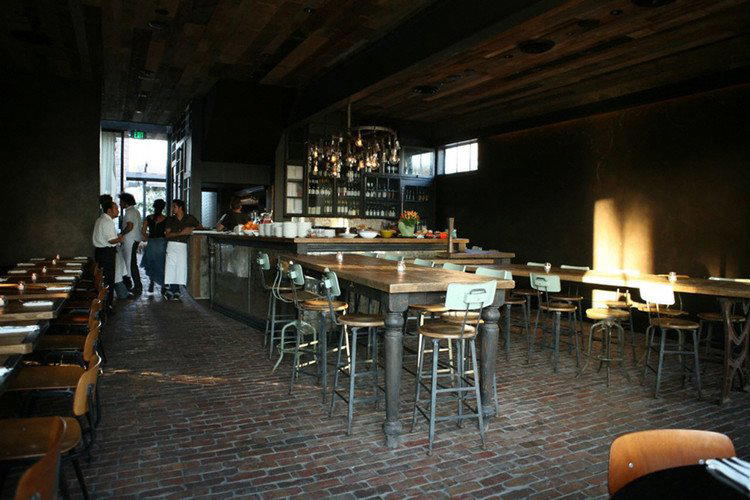
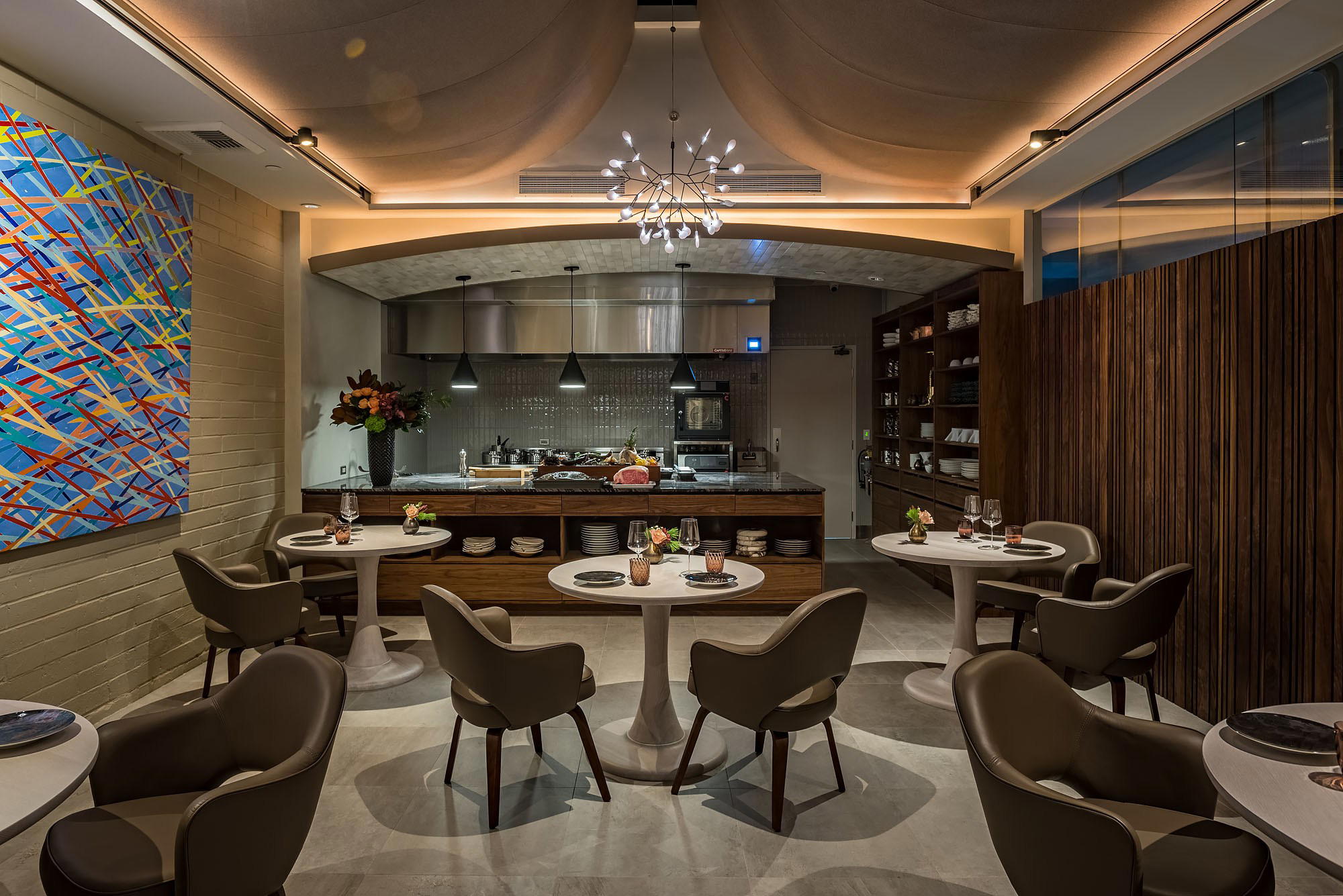
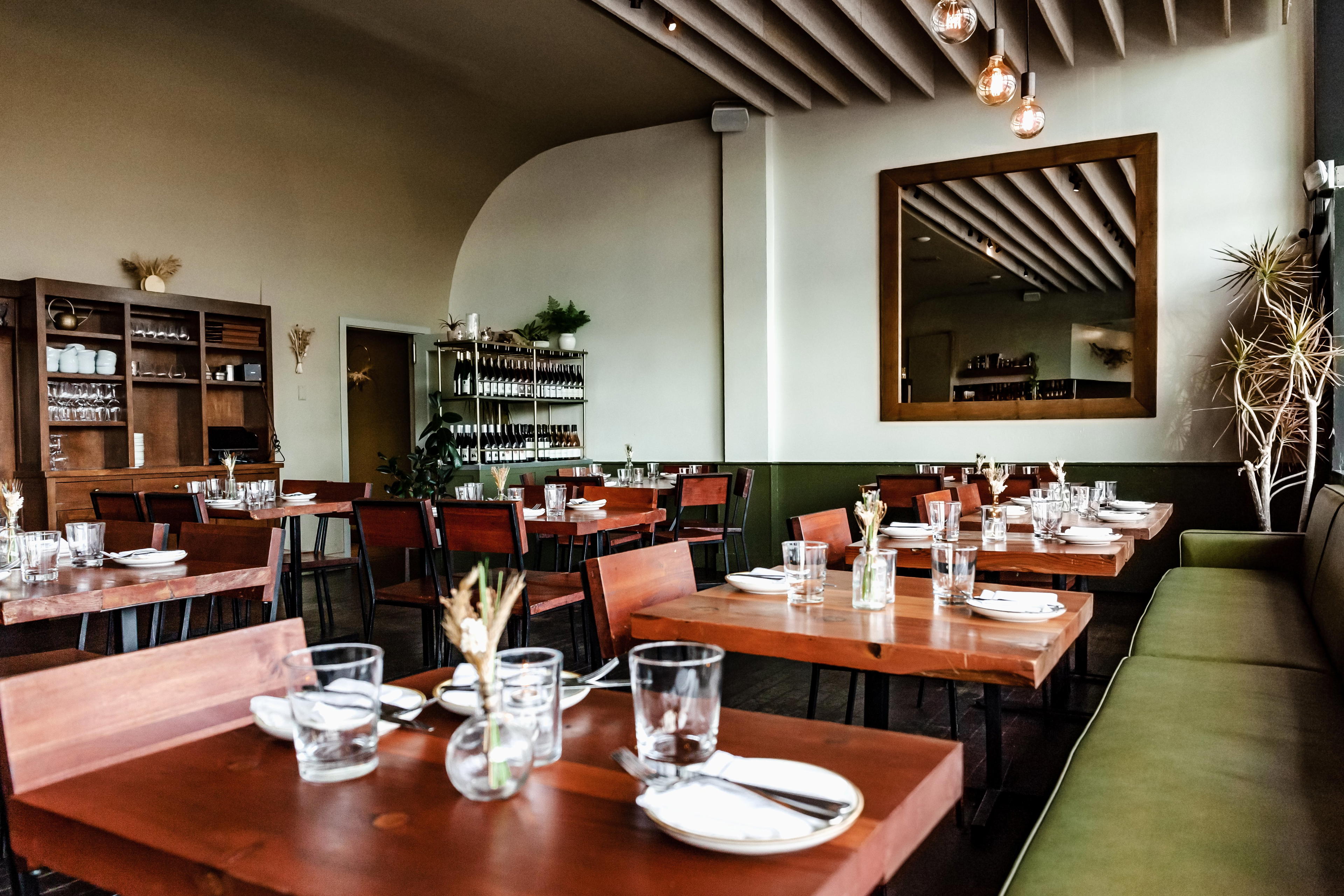
Bars in Los Angeles
All bars in Los Angeles →
Hotels in Los Angeles
All hotels in Los Angeles →



Wineries in Los Angeles
All wineries in Los Angeles →
Details
- Cozy
- Modern
- Trendy
- Intimate
- Casual Hangout
- Date Night
- After Work
- Group Dining
- Standalone
- Extensive Wine List
- Beer Program
- Local Sourcing
- Farm To Table
- Street Scene
- A La Carte
- Wine
- Beer
- Coffee
- Tea
- Vegetarian Friendly
Cozy neighborhood atmosphere with a modern, relaxed feel that suits both daytime café visits and evening dinners.