Clubhouse Restaurant
Our verdict
Clubhouse Restaurant sits within El Nido’s island-resort dining culture, where meals are shaped as much by limestone views, boat transfers, and resort pacing as by the plate. It is better read as part of Palawan’s broader hospitality rhythm than as a destination tasting-menu room: informal, coastal, and tied to the slower tempo of Lagen Island.

Pearl is the En Primeur Club membership app, where members save venues, book tables and use the concierge.
The menu
What to order
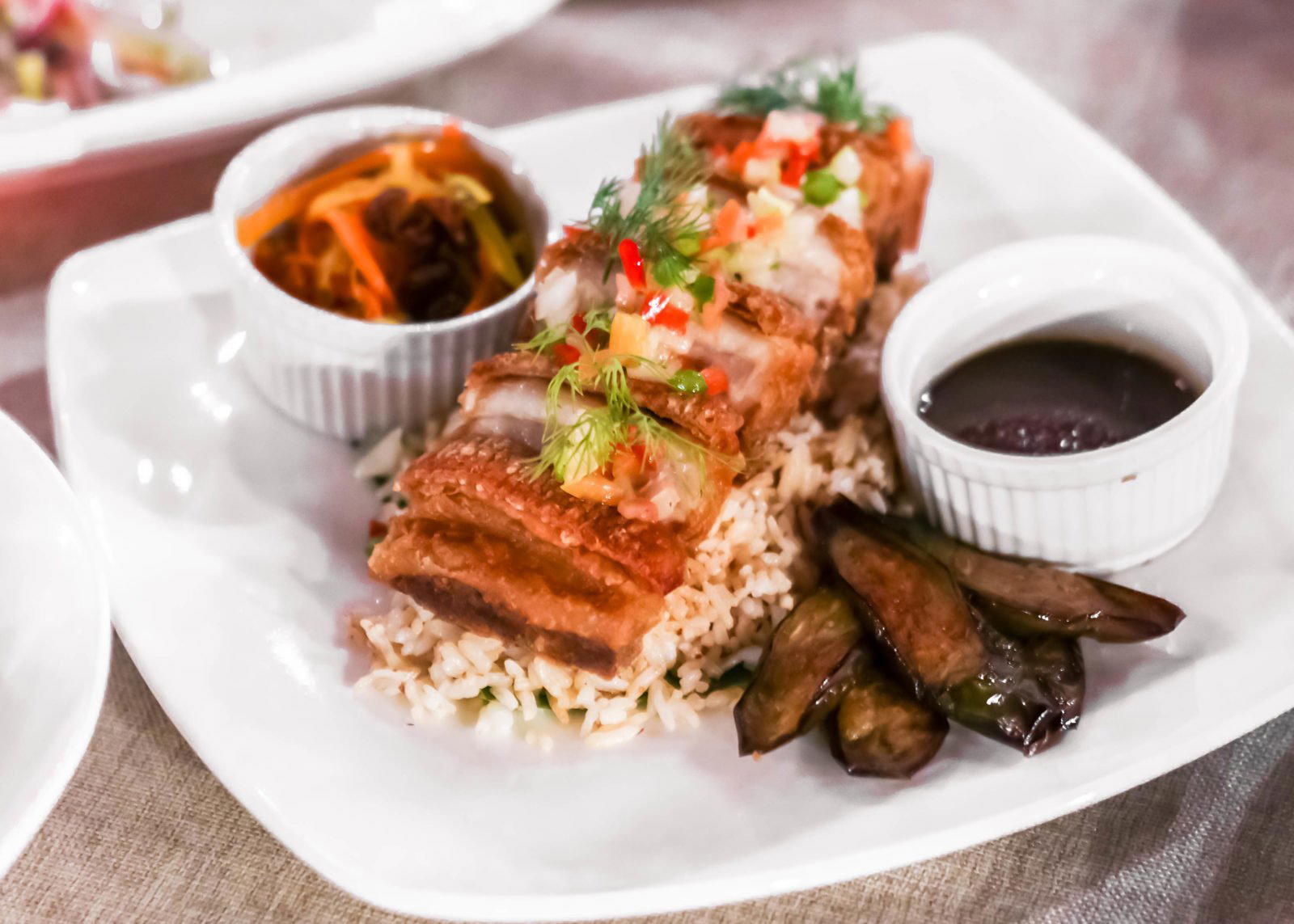
- Slipper lobster tagliolini
- Reef fish of the day
- Cephalopod and shellfish specials
- Arroz caldo
- Chicken inasal
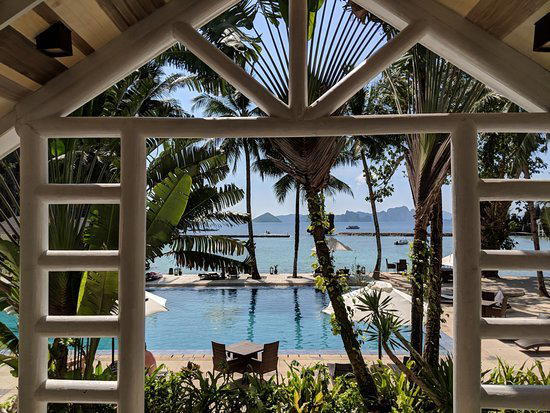
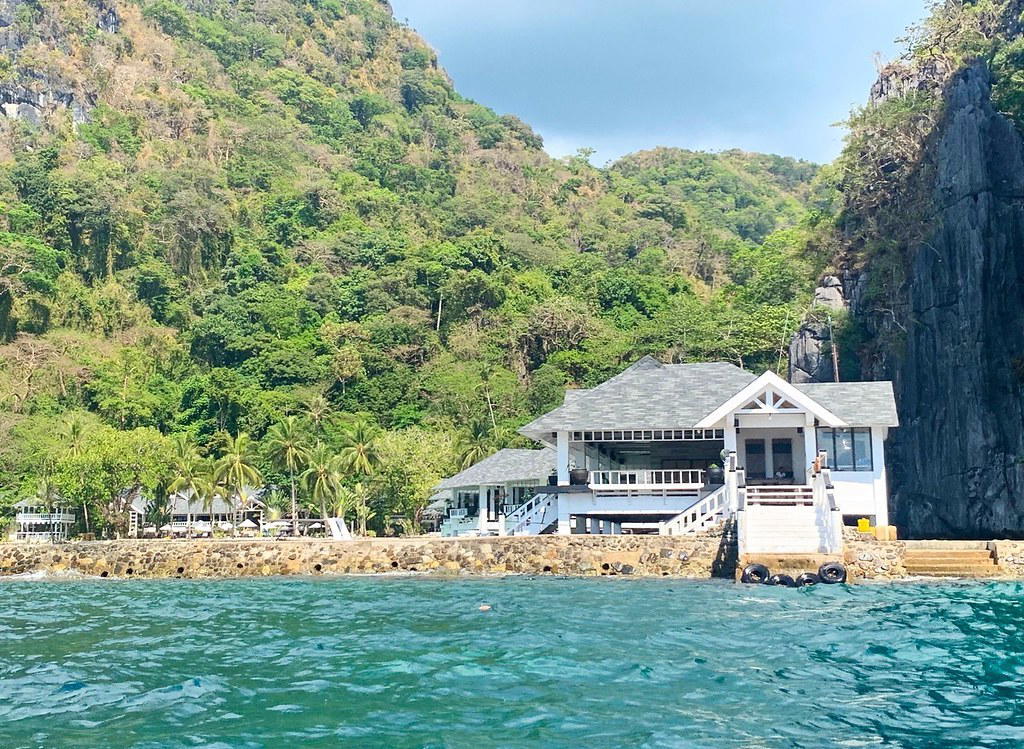
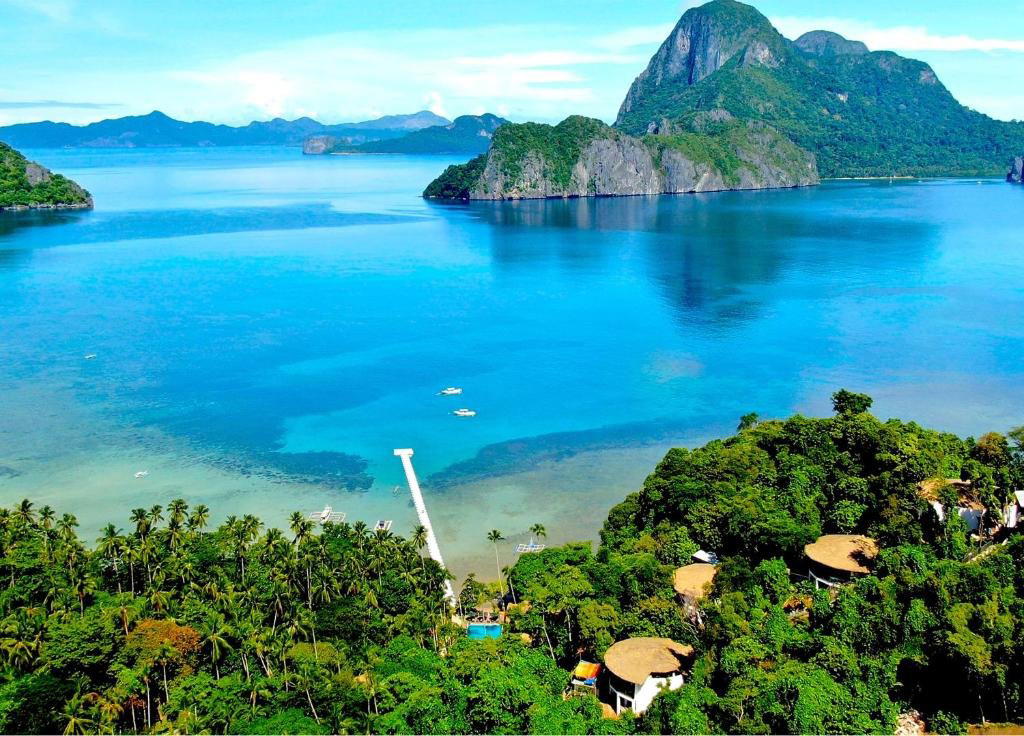
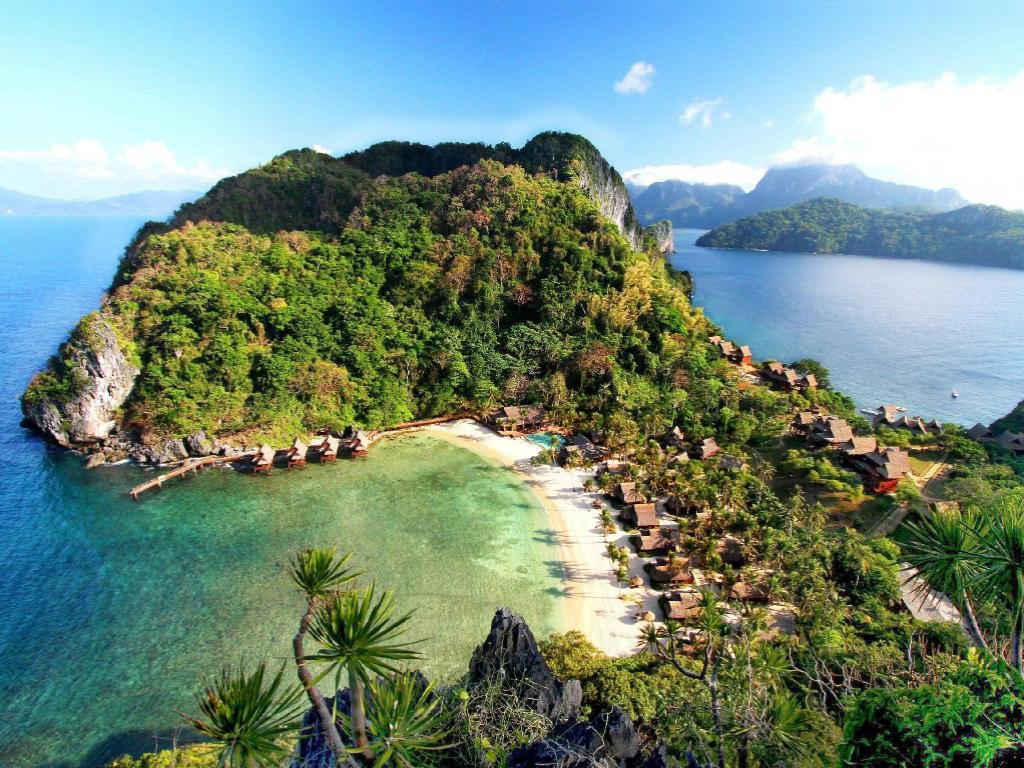
Approaching El Nido, the first impression is not only a dining room but a setting: karst cliffs, still water, and the softened acoustics of a resort destination where meals fold into the day rather than interrupt it. In El Nido, restaurant culture splits between town-based dining, resort rooms, and beach-adjacent formats built around weather, tides, and transfers. Clubhouse Restaurant belongs to that resort-dining category, where the meal is part of a larger Palawan rhythm: breakfast after the first boat movement, lunch under shade, dinner after the lagoon traffic has thinned.
That context matters. El Nido is not a major urban dining centre where competitive restaurants often announce themselves through chef credits, tasting formats, or press cycles. The stronger local story is geography. Kitchens work within an archipelago tourism economy, where seasonal produce, shared plates, familiar comforts, and resort logistics shape expectation. A room in El Nido will naturally be judged less against urban fine dining and more against how well it matches the place: ease without slackness, polish without ceremony, and enough regional character to avoid feeling interchangeable with any other beach resort.
Island-resort dining in El Nido is about pace, not spectacle
The better way to read this kind of restaurant is through tempo. El Nido’s strongest dining moments often come when the format respects the day’s movement: early departures, sun-heavy afternoons, and evenings when guests return from water rather than from offices. In that environment, heavy theatricality can feel misplaced. A clubhouse setting usually signals accessibility within a resort ecosystem, with food expected to serve mixed groups, variable appetites, and long-stay guests rather than a single high-concept menu.
That places Clubhouse Restaurant in a different lane from the more destination-coded resort tables elsewhere in El Nido. Amianan, Pangulasian Island, Cauayan Restaurant, Gana Restaurant, Henri's, and Hunt Restaurant all sit inside the same broad El Nido conversation, but setting and resort format change the critical lens. A meal attached to a stay must work repeatedly across several days; the measure is consistency, range, and atmosphere rather than a single headline dish.
For travellers mapping the area, Our full El Nido restaurants guide is the useful starting point, because the town’s dining choices are scattered across mainland streets, resort settings, and transfer-dependent properties. Pairing that with Our full El Nido hotels guide, Our full El Nido bars guide, Our full El Nido wineries guide, and Our full El Nido experiences guide gives a clearer picture of how dining, lodging, and island logistics overlap here.
Palawan's food culture rewards restraint when the setting does the talking
Filipino coastal dining has a deep grammar: sourness from vinegar or citrus, salt from the sea and fermented condiments, smoke from grill culture, and rice as the anchor. In resort dining, those elements can be softened for international guests, but the better versions keep some local tension on the plate. El Nido’s particular advantage is not luxury signalling; it is access to a landscape that changes how diners read simplicity. A straightforward meal can carry more weight when it happens within the broader scenery that defines the destination.
This is where comparisons to the Philippines’ urban dining centres help. Some city restaurants belong to conversations shaped by small-room creativity, cross-cultural technique, business dining, hotel polish, or regional domestic cooking. Other destination dining near the capital may lean on occasion, gardens, or fire-led cooking. El Nido’s resort rooms are playing a different game: the environment is not decoration, it is the operating condition.
International comparisons can be clarifying only up to a point. In large cities, urban specialists can make a narrow category justify the trip. A clubhouse restaurant in Palawan has the opposite challenge. It has to be broad enough for families, couples, and resort guests moving between activities, while still giving the meal a sense of place. That balance is harder than it looks.
Who this room suits
Clubhouse Restaurant makes the most sense for travellers already oriented around El Nido and the quieter side of Palawan hospitality. It is not the format to choose for a chef-driven detour, a trophy reservation, or a night built mainly around external recognition. It is better suited to guests who want the meal to sit naturally inside an island day, with the room, view, and resort rhythm doing part of the work.
The editorial caution is simple: judge it by the category it occupies. In a city, the absence of a public chef narrative or published tasting format would narrow the case for a special trip. In El Nido, those are not the only meaningful signals. Location, access, and the ability to support relaxed multi-day dining carry more weight. For travellers comparing Palawan resort restaurants, this is a scene where the smartest choice is often the one that fits the island’s pace rather than the one that tries hardest to imitate an urban dining room.
Frequently asked questions
Where do I go for Clubhouse Restaurant?
Clubhouse Restaurant is located in El Nido.
Can I walk in to Clubhouse Restaurant?
Clubhouse Restaurant is in El Nido, so it is best treated as a planned meal rather than assumed as a street-side walk-in. Confirm access and reservations directly before setting out.
What do critics highlight about Clubhouse Restaurant?
Critics would read Clubhouse Restaurant through its setting first: El Nido, in Palawan. The appeal is less about headline-grabbing credentials and more about how a clubhouse format fits the slower rhythm of island hospitality.
Can Clubhouse Restaurant accommodate dietary restrictions?
No cuisine type, chef name, or menu policy is listed for Clubhouse Restaurant, so any dietary support has to be confirmed directly. El Nido is the only firm location anchor here.
Is Clubhouse Restaurant a family-friendly restaurant?
The clubhouse format in El Nido makes it a reasonable fit for families staying in the area. Its Palawan resort context suggests a calmer dining room than a late-night city restaurant.
What's the overall feel of Clubhouse Restaurant?
The feel is shaped by place: Clubhouse Restaurant is in El Nido, with Palawan resort pacing rather than urban formality. It suits travellers who want dining to follow the island schedule.
Price and Positioning
Nearby venues at a similar price tier for orientation.
| Venue | Cuisine | Price |
|---|---|---|
| Clubhouse RestaurantThis venue (the venue you are viewing) | Filipino and International island dining | $200–300 |
| Amianan, Pangulasian Island | Local Philippine Cuisine | Not listed |
| Hunt Restaurant | Modern Asian and Continental Seafood | $10–20 |
| Gana Restaurant | Filipino-leaning resort dining | Not listed |
| Henri's | Upscale Steakhouse and Seafood | Not listed |
| Cauayan Restaurant | Gourmet Filipino & International Resort Dining | $50–100 |
Continue exploring
More in El Nido
Restaurants in El Nido
All restaurants in El Nido →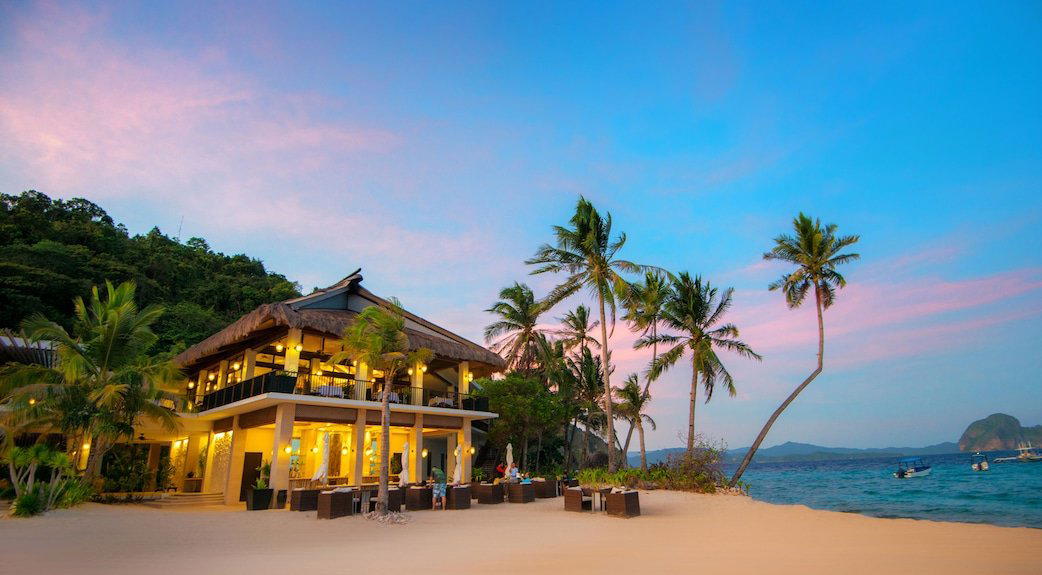
Details
- Elegant
- Scenic
- Sophisticated
- Romantic
- Celebration
- Date Night
- Family
- Group Dining
- Waterfront
- Open Kitchen
- Terrace
- Panoramic View
- Hotel Restaurant
- Local Sourcing
- Sustainable Seafood
- Waterfront
- A La Carte
- Buffet
- Wine
- Cocktails
- Beer
- Pescatarian Friendly
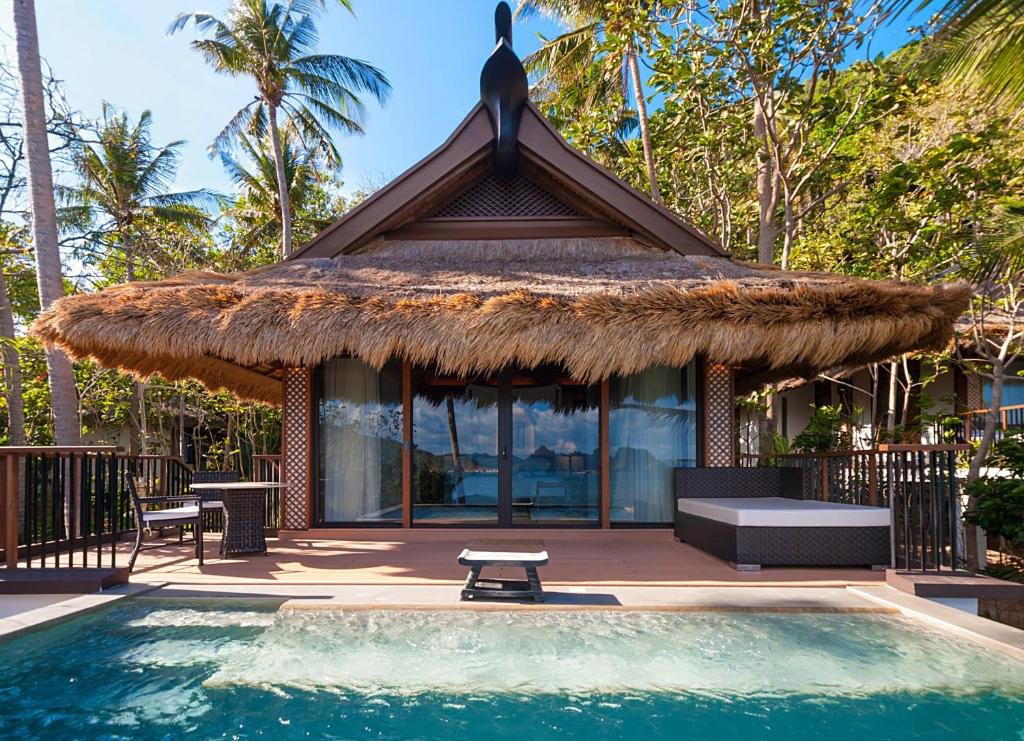
Light-filled and refined yet relaxed, with Philippine lawan wood and warm timber tones, Brazilian or nara-style wood floors, and open views and sounds of the sea that make the dining room feel closely connected to the shoreline.