Clubhouse Dining
Our verdict
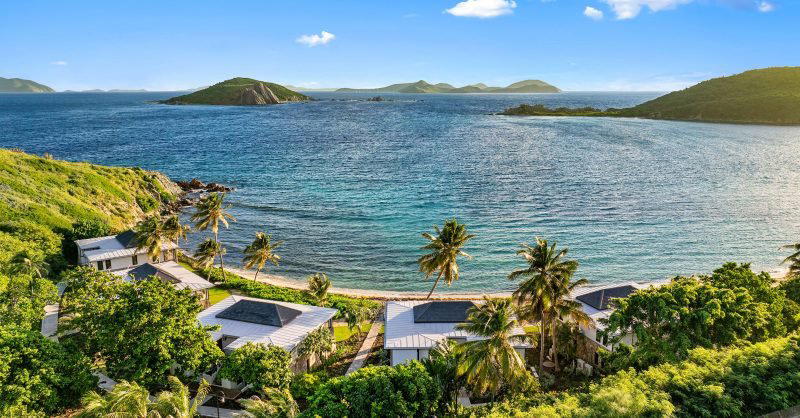
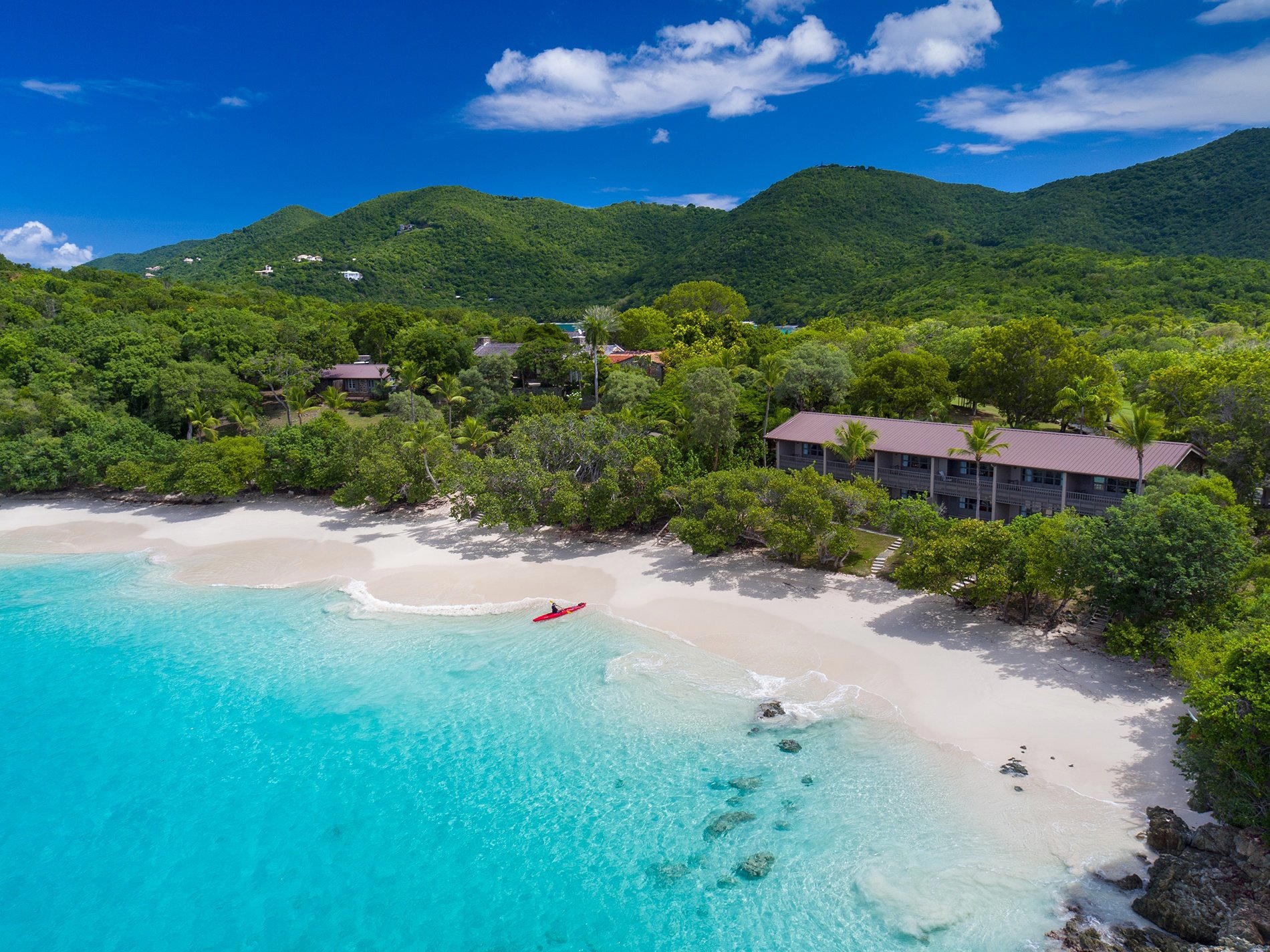
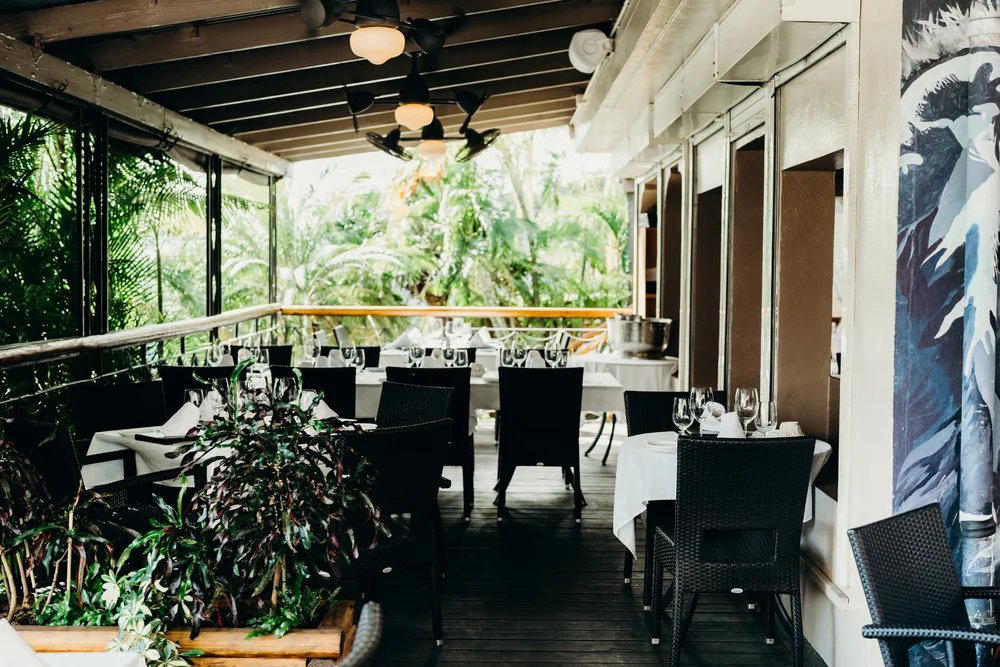
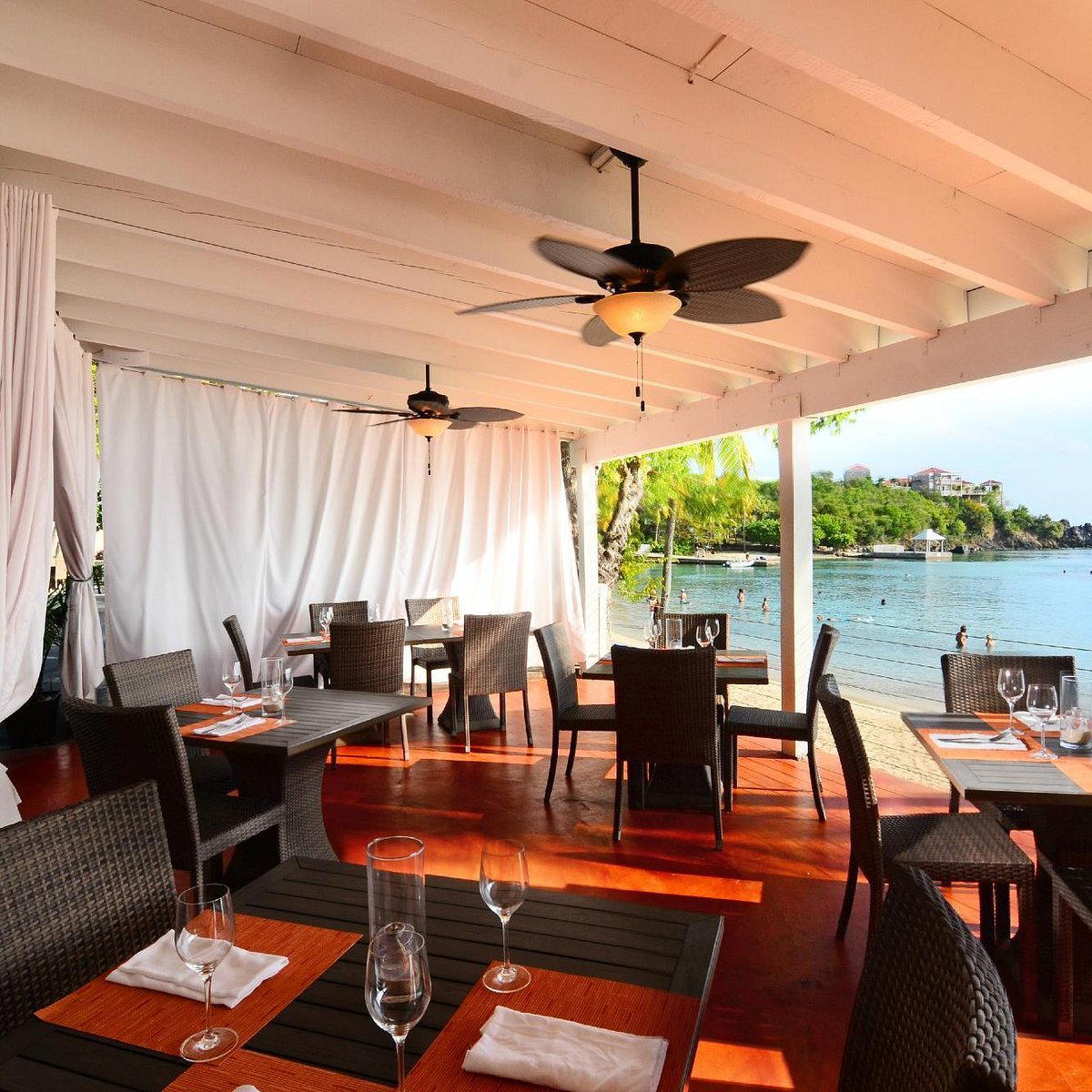
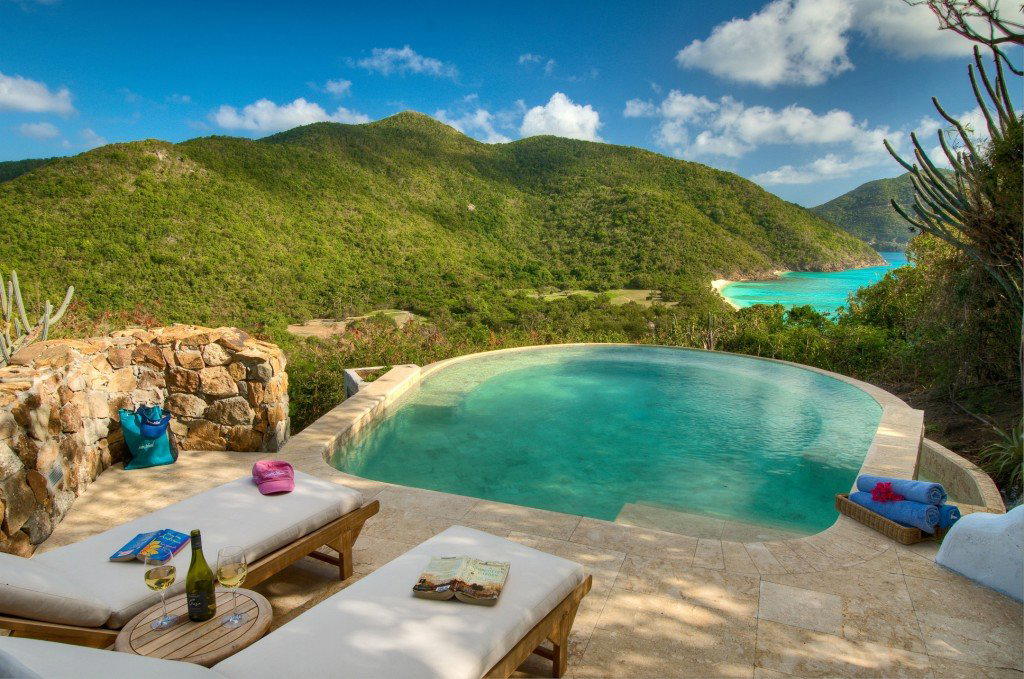
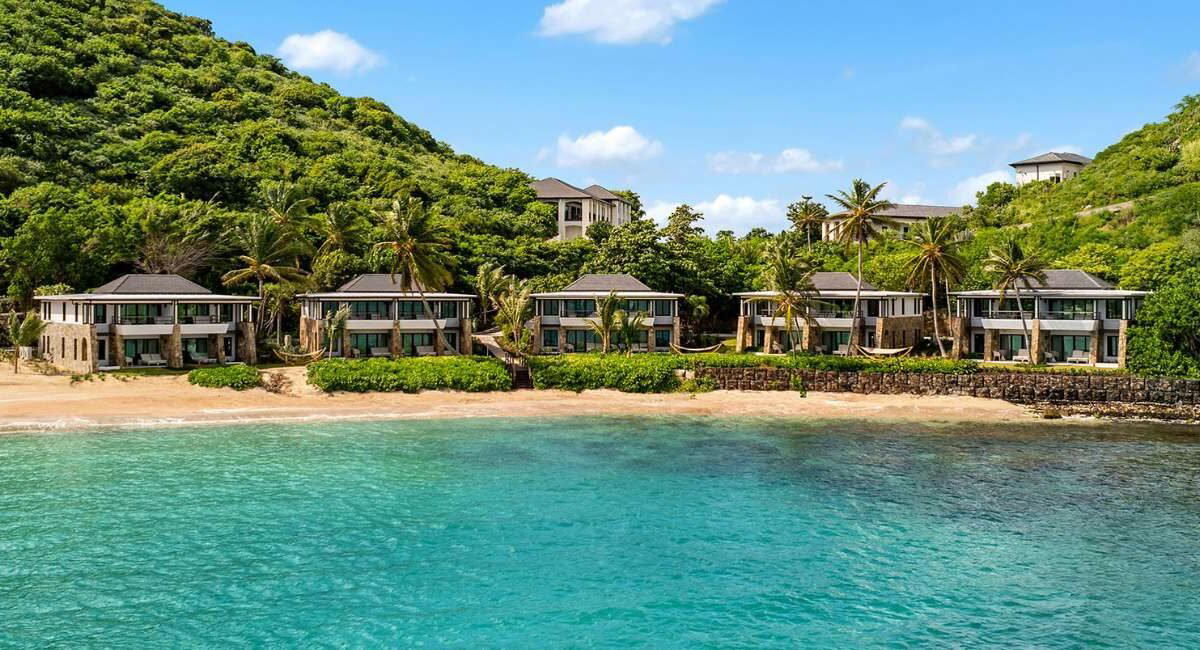
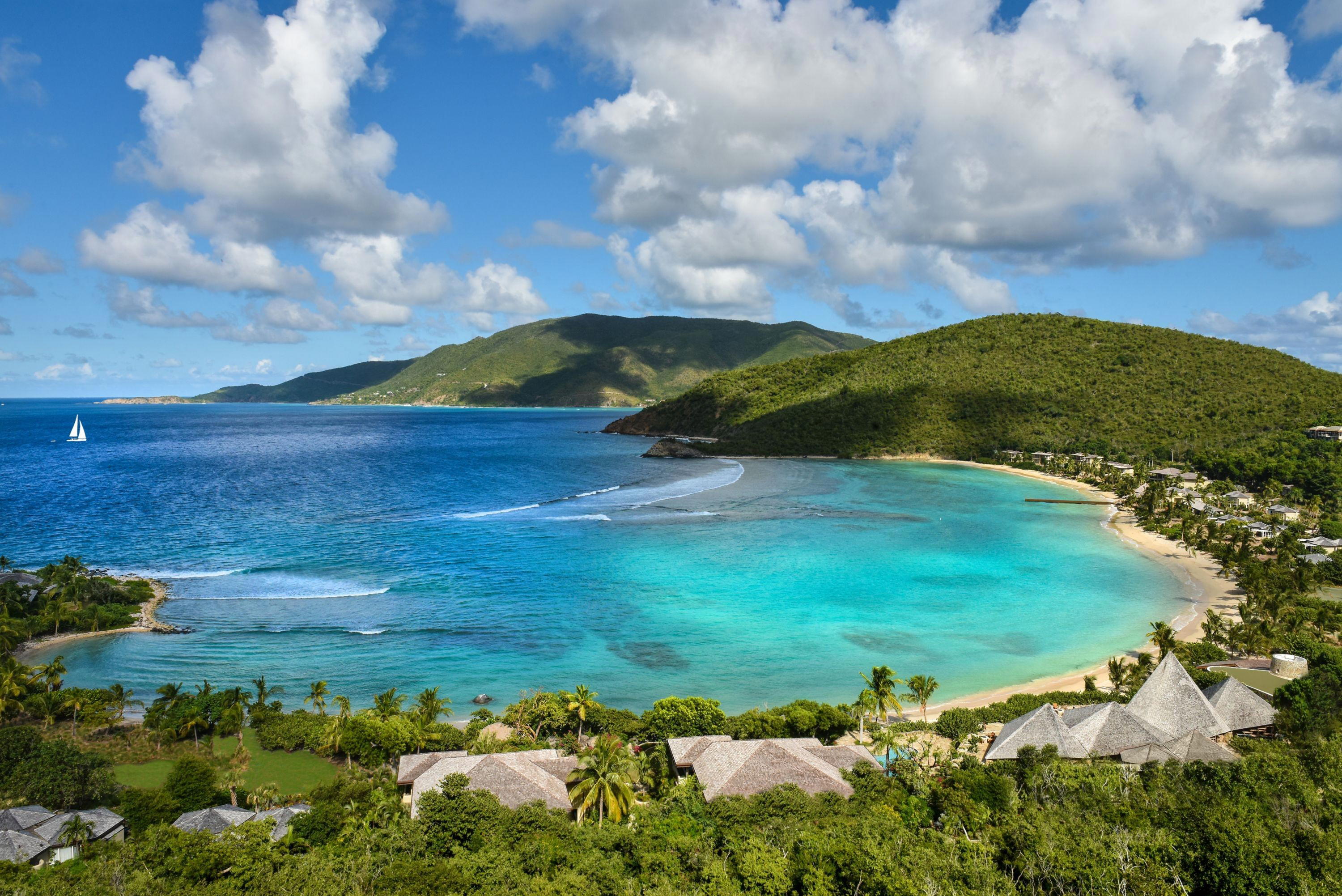
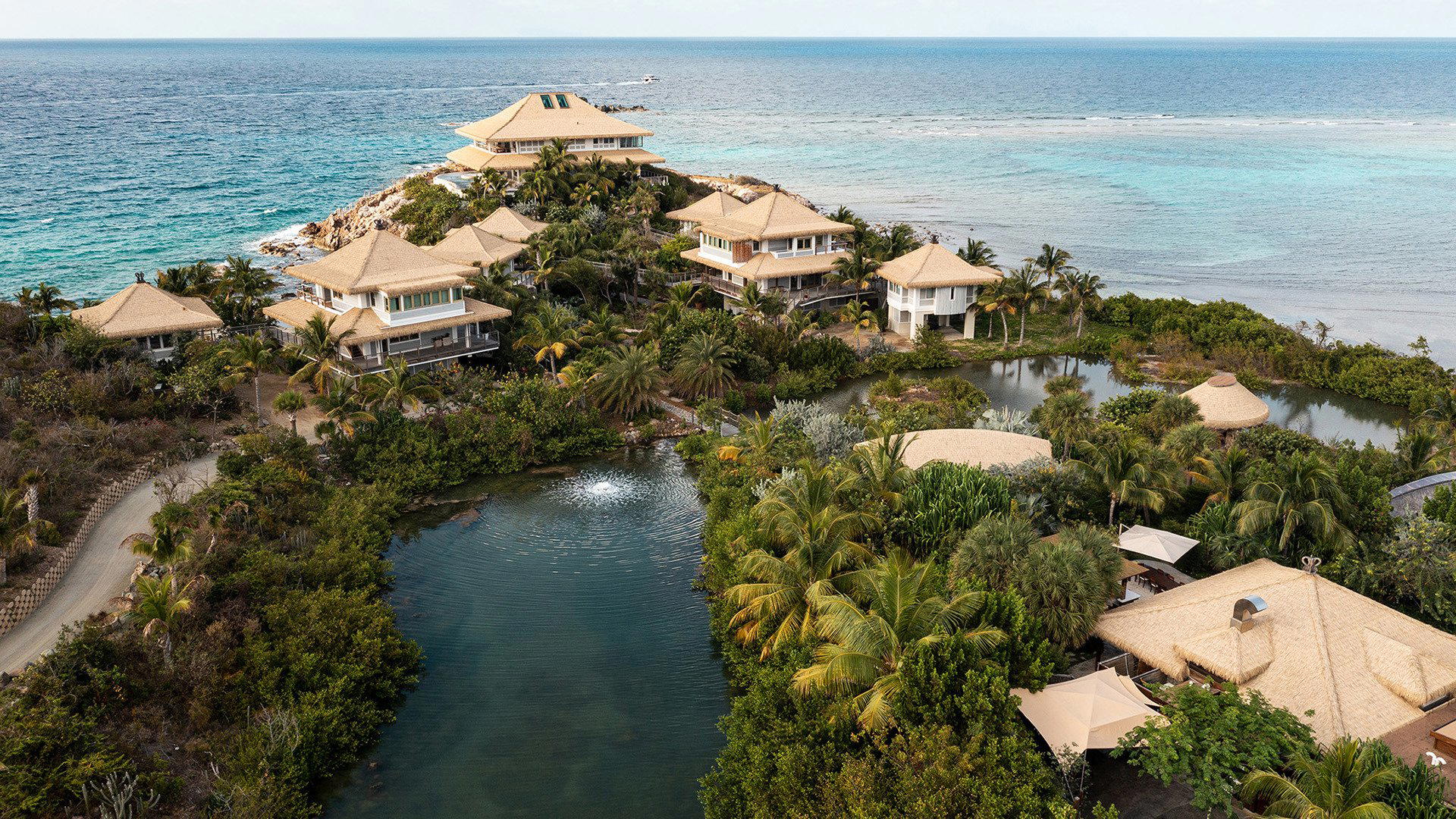
Clubhouse Dining belongs to Tortola’s private-island end of the dining spectrum, where setting and sourcing matter more than street-front restaurant theatre. On Guana Island’s clubhouse terraces, the experience is shaped by sea air, hillside views, and the Caribbean logic of cooking close to what the island can supply.

Pearl is the En Primeur Club membership app — saves, bookings, and concierge access live there. Same editors, same standards.
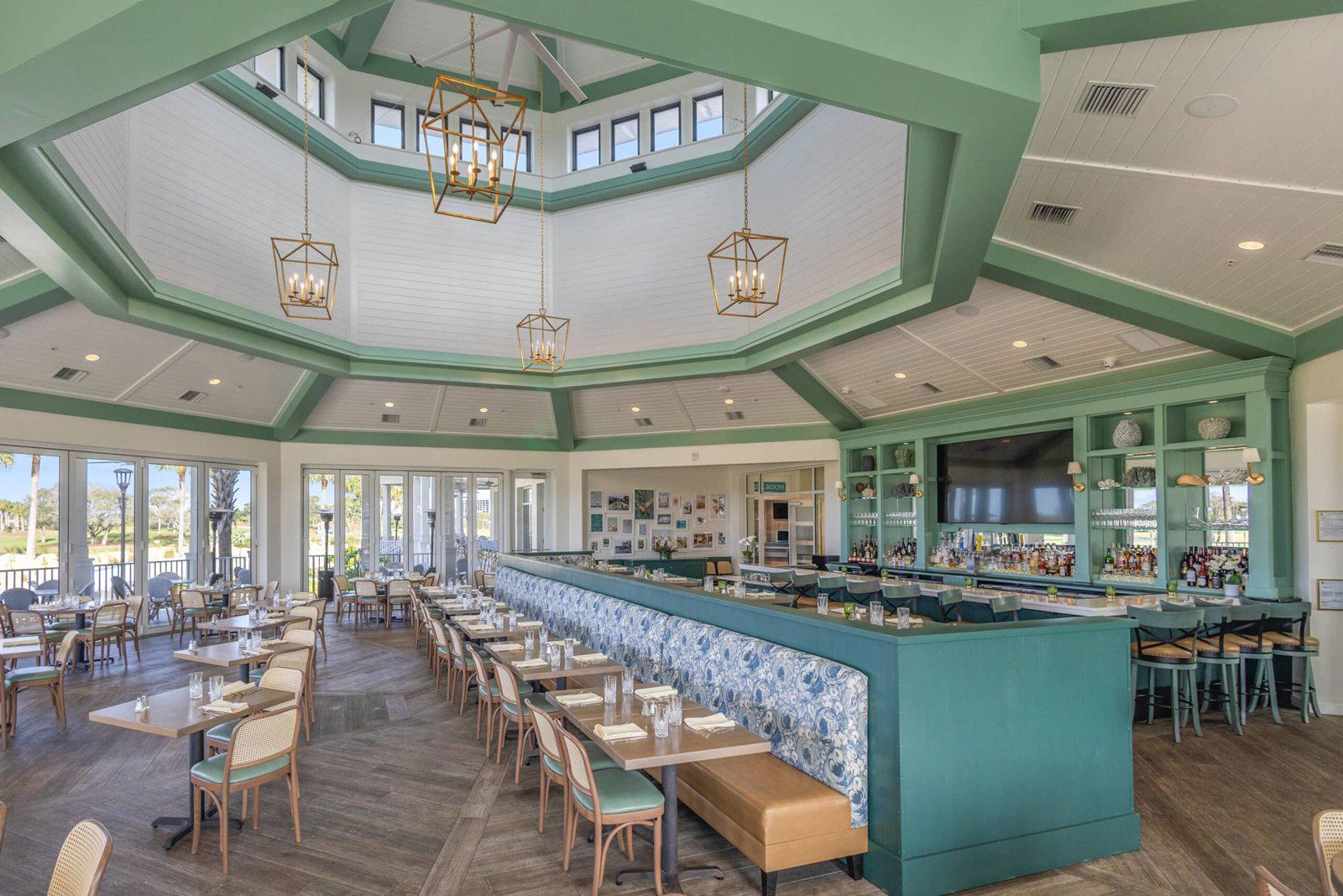
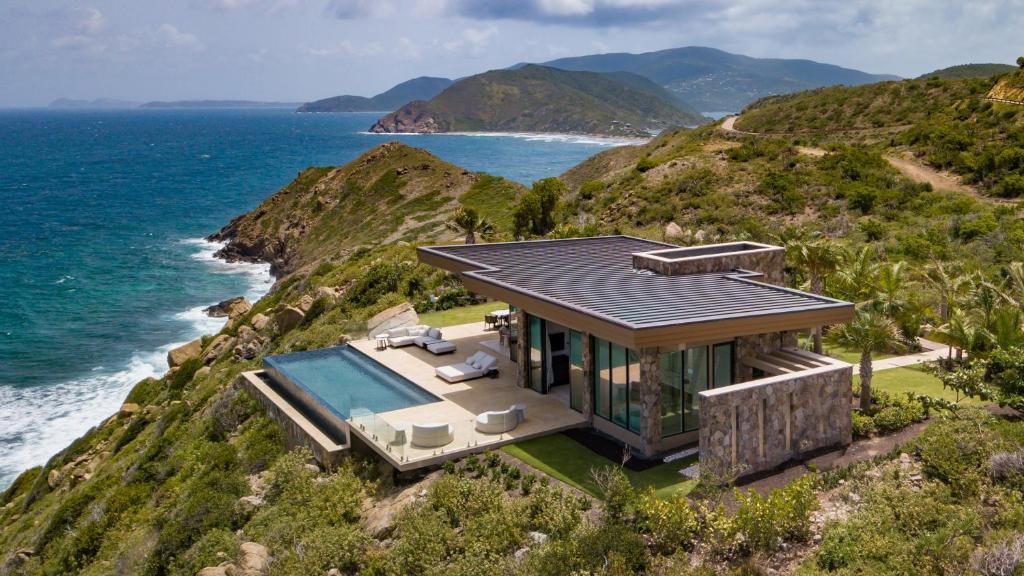
Approach Clubhouse Dining in Tortola and the restaurant category shifts. This is not simply the island’s busier dining circuit, where tables can turn around travel schedules and menus chase broad appeal. The mood is quieter and more place-led: a dining experience defined less by urban restaurant signals than by its relationship to Tortola itself.
That matters because the stronger meals in an island setting tend to understand context rather than imitate resort dining elsewhere. Pace, climate, restraint, and a sense of place carry more weight than elaborate performance. Clubhouse Dining fits that register, using the setting as part of the meal rather than as decoration around it.
Dining in Tortola is about proximity, not performance
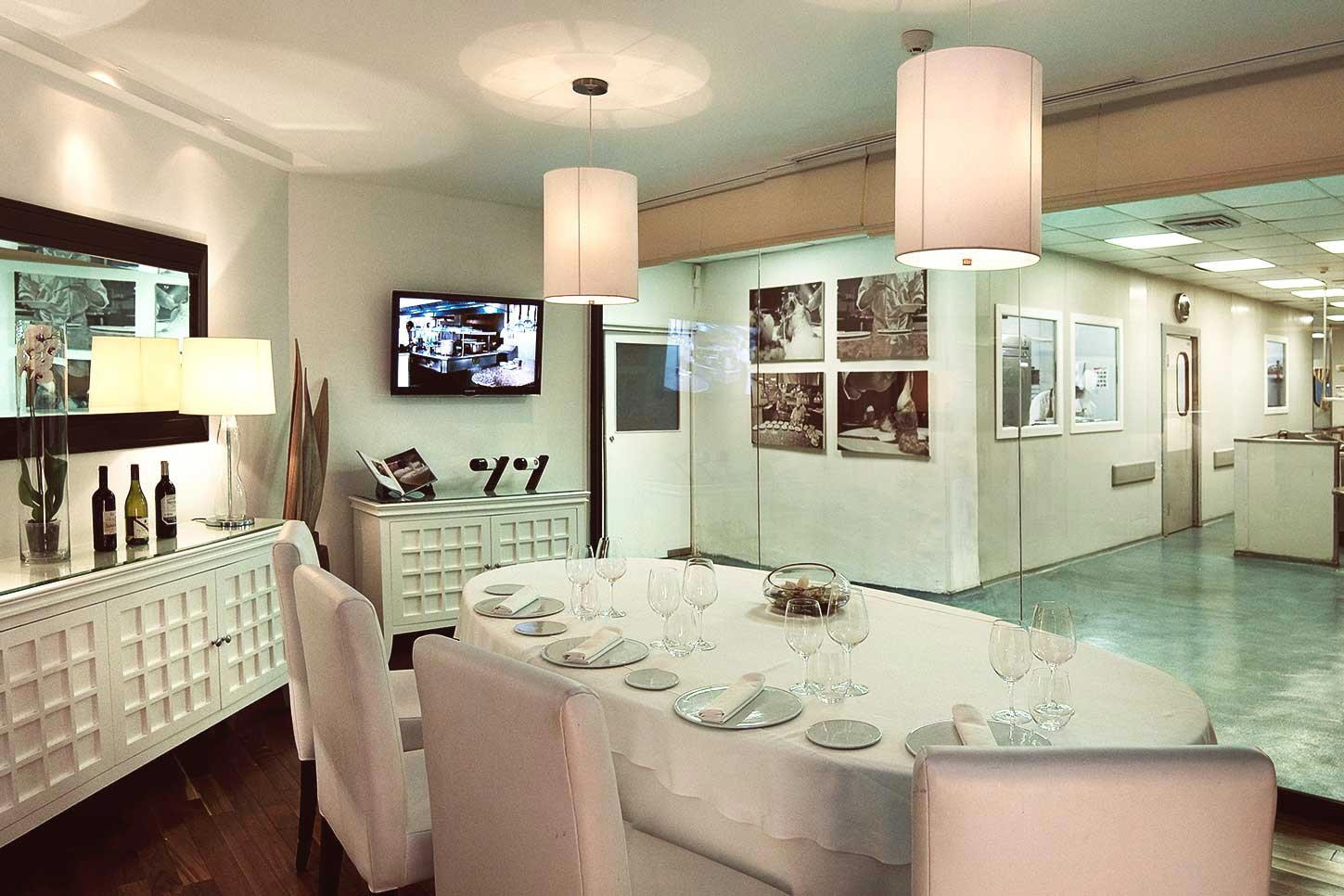
Tortola’s restaurant scene can range from accessible island cooking to more destination-style meals and dining that becomes part of the day’s itinerary. The clubhouse format sits closer to the last group. It is less comparable to a town restaurant than to a setting-led dining room, where pace, planning, and the surrounding island context do much of the work.
The sourcing angle is the reason to take this format seriously, though the available information does not support naming a specific cuisine, chef, menu structure, or supply chain. The better editorial read is practical rather than decorative: menus should make sense for the setting, service should respect the pace of the island, and the meal should avoid feeling overworked for the sake of display.
For a broader read on the island’s dining spread, use Our full Tortola restaurants guide. Nearby comparison points show how varied the territory can be: Chef's Table suggests a more chef-led destination format, while Drunken Pelican and Nova Restaurant sit in the wider island-dining conversation rather than the urban restaurant model.
The room belongs to the island rather than the street
Clubhouse dining changes the usual restaurant calculus. In a city, a dining room often competes through noise, design, wine lists, and table scarcity. In Tortola, the argument is more contextual: the meal is attached to the broader island environment. That makes the experience slower by nature, and it rewards diners who want lunch or dinner to feel integrated with the day rather than separated from it.
This is also where expectations should be calibrated. The available information does not establish a listed chef name, tasting-menu structure, seat count, price range, founding year, or ranking. That pushes the editorial read toward format and context. The appeal is not trophy dining. It is an island meal in Tortola, judged by how well the experience respects its setting and avoids generic resort excess.
Tortola’s broader travel planning matters because dining here is rarely isolated from where a visitor sleeps, drinks, and spends the day. Pair the restaurant research with Our full Tortola hotels guide, Our full Tortola bars guide, Our full Tortola wineries guide, and Our full Tortola experiences guide to understand the island as a set of linked decisions rather than a list of disconnected bookings.
Who this suits in the British Virgin Islands
The stronger case for Clubhouse Dining is for travellers who value setting-led meals and island context over urban polish. Tortola has a range of casual dining options; clubhouse dining asks for a different tolerance for pace, access, and planning. If the goal is a crowded room with a bar scene, look elsewhere. If the goal is a meal whose rhythm is shaped by the island itself, this format makes sense.
EP Club’s wider restaurant archive also helps frame the contrast between place-led dining and city-specific formats: other city restaurants, regional dining rooms, specialist bars, and casual neighbourhood spots each sit inside a different urban or regional dining grammar. Clubhouse Dining belongs to the opposite end of that spectrum: Tortola context first, restaurant mechanics second.
Frequently asked questions
Is Clubhouse Dining a family-friendly restaurant?
It suits families who want a relaxed meal setting rather than a formal dining room. The venue is in Tortola, which points to an easygoing island meal rather than a stiff service format.
What's the overall feel of Clubhouse Dining?
The feel is shaped by Tortola more than by a chef-driven dining-room concept. With no chef name, cuisine type, or star rating established in the provided information, it reads as setting-led dining tied to the island itself.
What part of town is Clubhouse Dining in?
Tortola.
Do I need a reservation for Clubhouse Dining?
Advance planning is sensible for Clubhouse Dining because it is in Tortola and suits a more deliberate island-dining plan rather than an entirely casual walk-in meal.
Continue exploring