Chic sits in Sapa, where restaurant expectations are shaped by mountain weather, market produce, and the town’s mix of resort dining, trekking traffic, and Vietnamese highland cooking. Treat it as part of a broader Sapa table rather than a standalone destination: the draw is how the setting frames local ingredients and the evening rhythm of a town built around mist, terraces, and altitude.
Pearl is the En Primeur Club membership app — saves, bookings, and concierge access live there. Same editors, same standards.
- Address
- No. 1 Hoàng Liên, Street, Sa Pa, Lào Cai 330000, Vietnam
- Phone
- +84 214 3629 999
- Website
- hoteldelacoupole.com
- Directions
- Get directions
 Saves & bookings on Pearl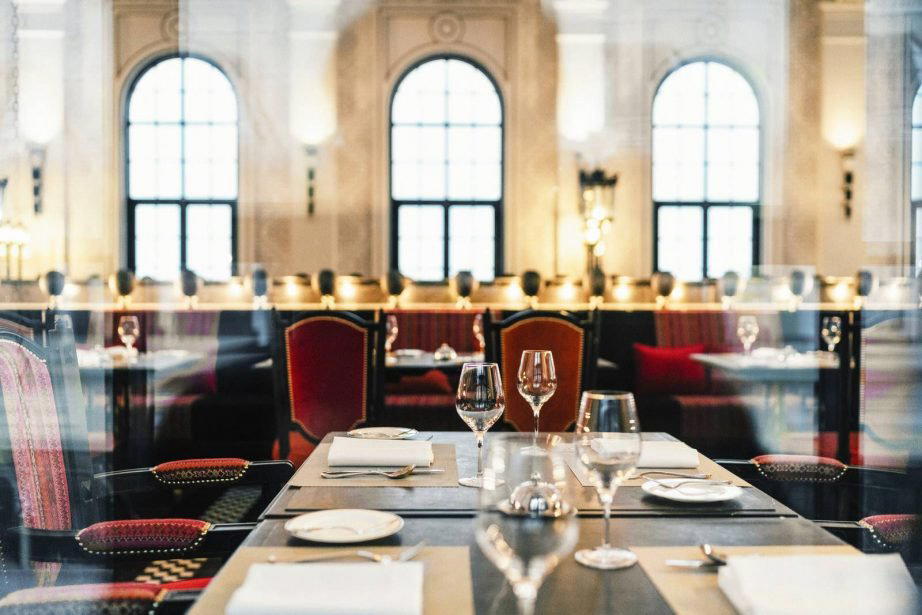
Approaching a dining room in Sapa is never separate from the weather. Mist moves quickly over the ridgelines, motorbikes climb through the town centre, and the evening air can turn cool enough to make a hot plate feel less like comfort and more like common sense. That physical setting matters for Chic because Sapa’s stronger restaurant experiences are not built only on technique; they depend on how well a kitchen reads the highland pantry around it.
Sapa's mountain pantry sets the terms
The useful way to read Chic is through sourcing rather than spectacle. Sapa is surrounded by a food culture shaped by altitude, terraced agriculture, cold-season vegetables, herbs, corn, rice, and the market networks of Lao Cai province. A restaurant here has a different brief from one in Hanoi or Ho Chi Minh City. It has to decide whether to lean into local produce, soften highland flavours for visitors, or operate as a hotel-adjacent room that offers familiarity after a day outside town.
That tension defines much of Sapa dining. The town receives short-stay travellers coming off treks, resort guests looking for warmth and ease, and diners who want a clearer sense of northern Vietnam beyond the usual coastal and capital-city circuits. Chic belongs in that middle ground: not a street-food counter, not a formal tasting-menu address, but part of the Sapa restaurant layer where setting, access, and the agricultural surroundings do much of the editorial work.
For readers mapping the area, compare the role of nearby Sapa venues rather than treating them as interchangeable. Cacao and Sunset on the Rock speak to the town’s appetite for atmospheric rooms, while The Hill Station Signature Restaurant and Victoria Sapa Resort & Spa show how heritage, lodging, and dining often overlap here. Chic should be read inside that pattern: Sapa rewards restaurants that make sense of place without turning dinner into a costume performance.
The appeal is context, not trophy dining
Sapa does not function like Vietnam’s larger dining capitals. Hanoi rewards repetition, specialist shops, and neighbourhood loyalty; Ho Chi Minh City runs faster, with international formats and higher turnover; coastal resort towns often trade on seafood and beachside ease. Sapa’s advantage is narrower and more seasonal. Cool weather changes appetite. Local vegetables carry more importance. The surrounding villages and markets give the table a stronger regional frame than a generic city restaurant can claim.
That makes sourcing the key question. In a mountain town, the difference between a competent dinner and a meaningful one usually comes from the kitchen’s relationship to local produce and northern Vietnamese habits of balance: heat, bitterness, smoke, fermentation, and fresh herbs. Chic is strongest as a Sapa choice when judged by that lens. The room does not need an award narrative to be useful; it needs to fit the town’s rhythm and give visitors a grounded meal after the day’s altitude, damp air, and movement.
Travellers building a wider Vietnam itinerary can use Sapa as a counterpoint to urban and coastal dining. The contrast is clear against addresses such as 115 Đ. Trần Cao Vân in Hoi An, 19 P. Ngũ Xã in Hanoi, 3G Trois Gourmands in Ho Chi Minh City, 8 Dragons in Vung Tau, Ăn Thôi in Da Nang, Atlantis Restaurant in Phu Quoc, and Azura in Lăng Cô. Even overseas links such as Jōdo Saké Bar in Los Angeles and Onigiri Time in Pasadena underline the same editorial point: format matters, but geography sets the real brief.
How to place it in a Sapa itinerary
Chic works well for travellers who want a seated Sapa meal anchored by the town’s highland context rather than a checklist of famous dishes. The practical decision is less about chasing recognition and more about timing the evening around weather, fatigue, and where the day has taken you. After trekking or village visits, a central dining choice can be more valuable than a longer transfer for a marginal gain in novelty.
Use it as one part of a broader Sapa plan. For a fuller read on the town’s dining circuit, start with our full Sapa restaurants guide. If the trip is being built around lodging, drinking, wine, or cultural programming as well as dinner, the companion guides are useful: our full Sapa hotels guide, our full Sapa bars guide, our full Sapa wineries guide, and our full Sapa experiences guide. The smarter Sapa itinerary leaves room for weather shifts and appetite changes; the town is better approached with a short list than a rigid dining schedule.
Side-by-Side Snapshot
Comparable venues by cuisine and price in the same metro.
| Venue | Cuisine |
|---|---|
| Chic | This venue |

At a Glance
- Romantic
- Intimate
- Scenic
- Elegant
- Sophisticated
- Date Night
- Business Dinner
- Special Occasion
- Group Dining
- Hotel Restaurant
- Design Destination
- Terrace
- Panoramic View
- Extensive Wine List
- Sommelier Led
- Local Sourcing
- Mountain
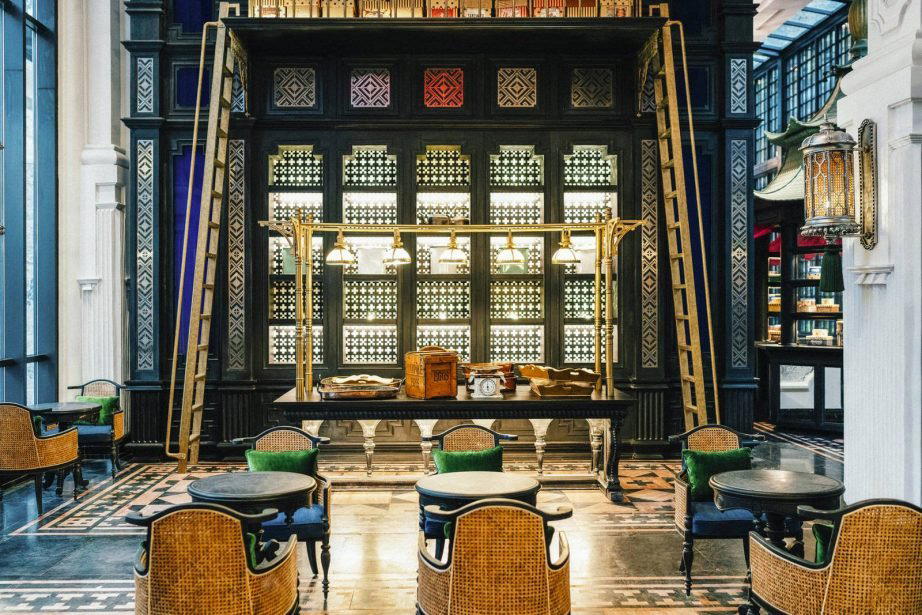
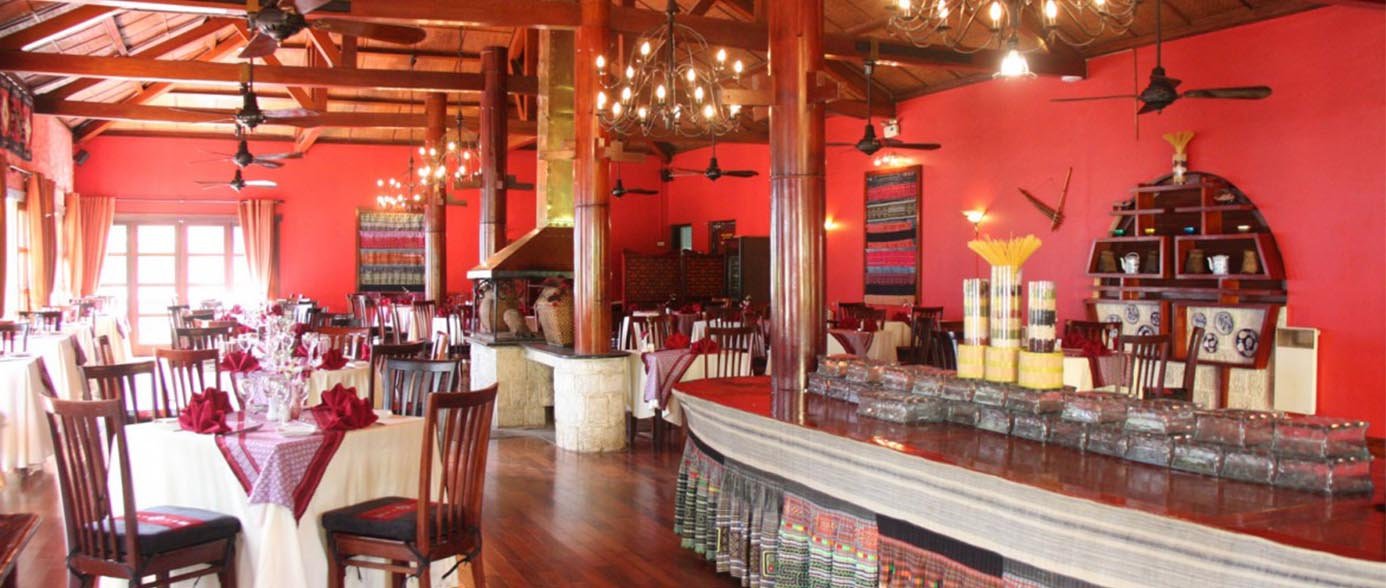
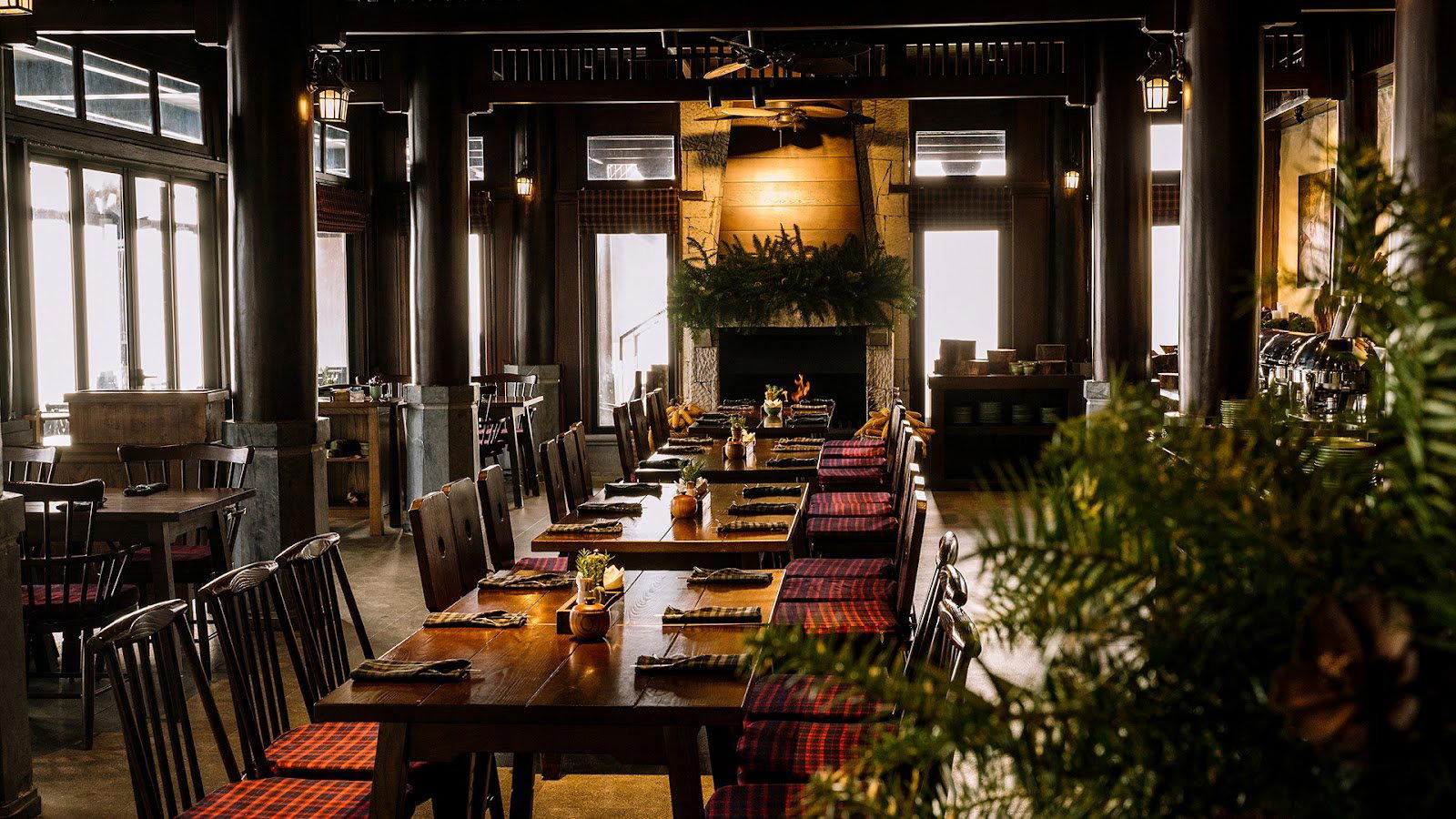
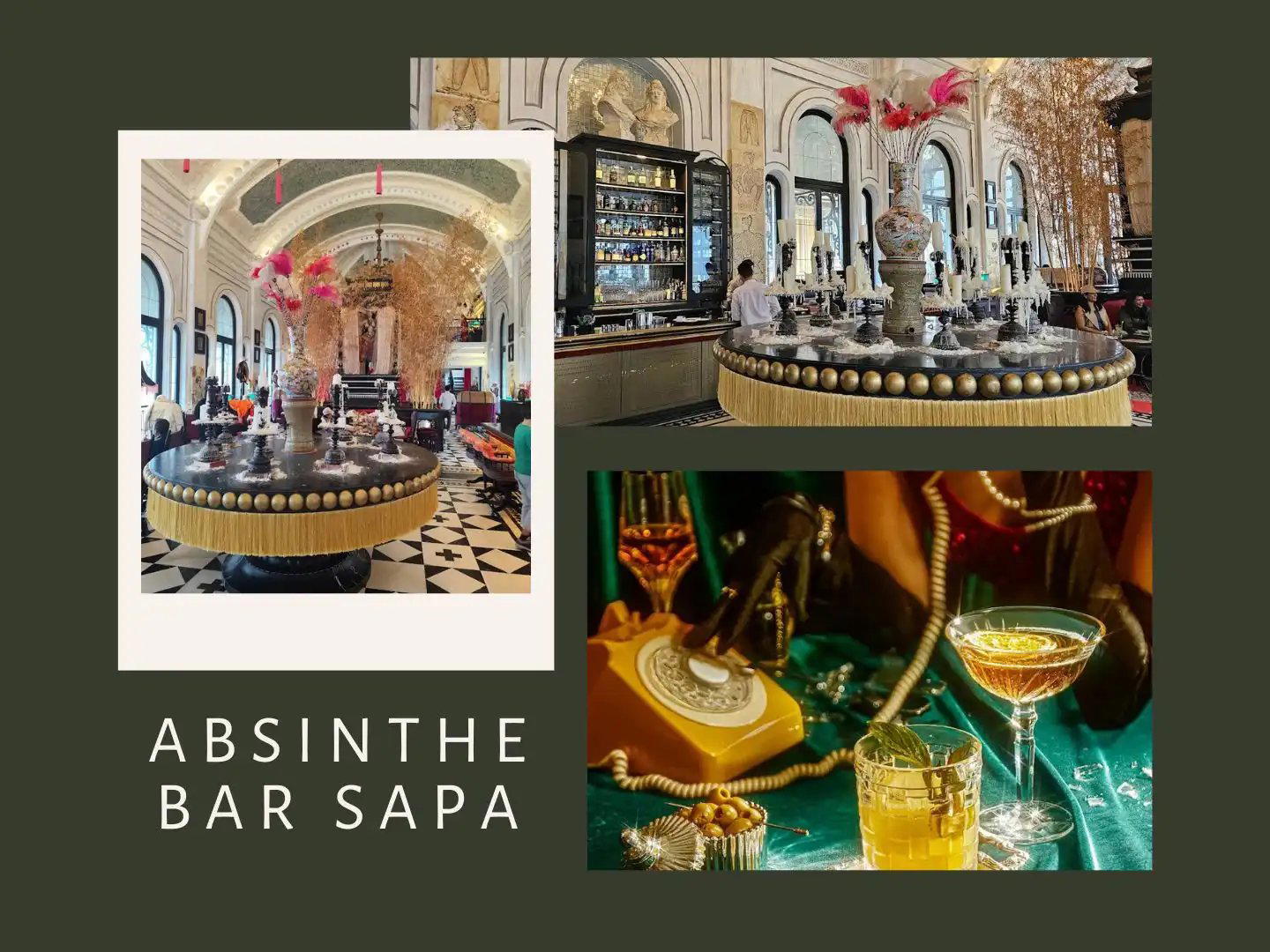
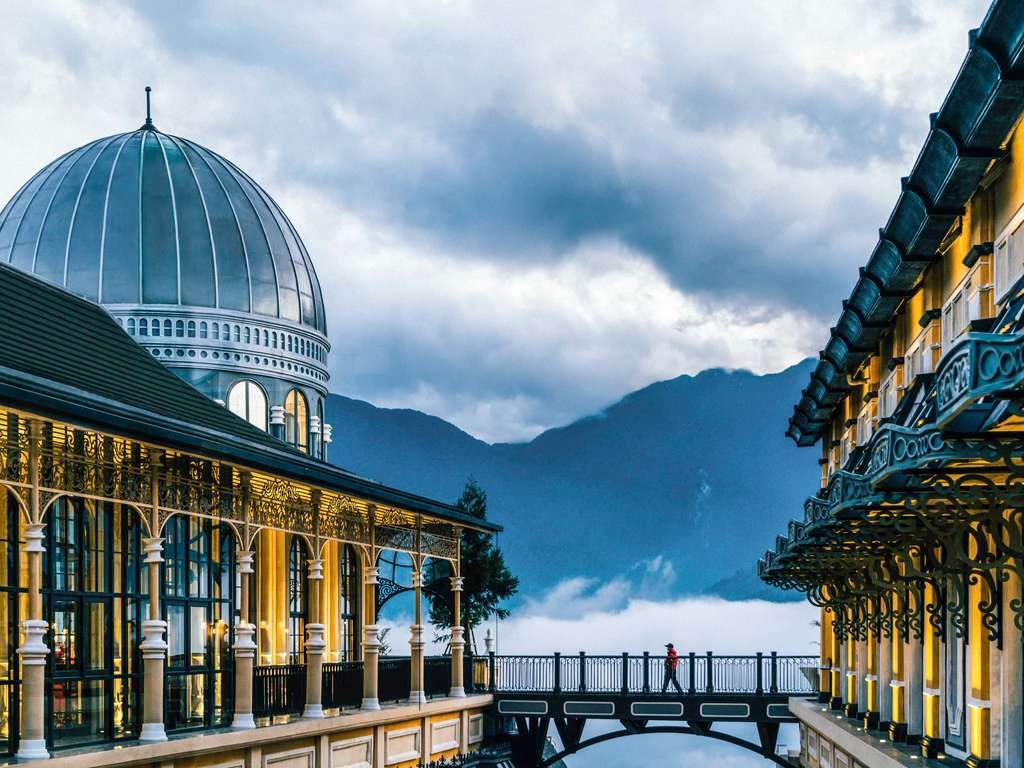
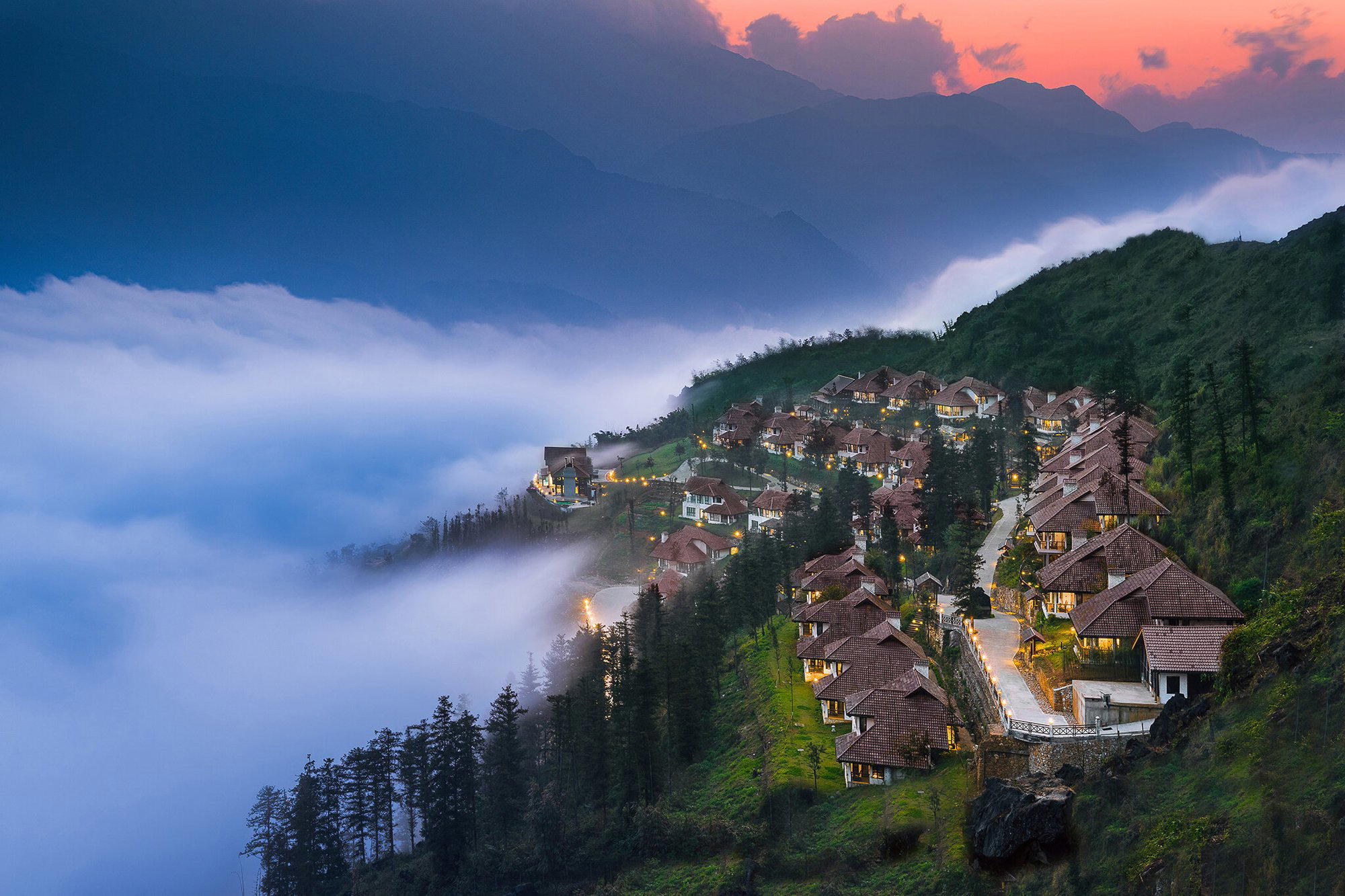
Grand yet intimate French dining with ambient lantern lighting, a raised catwalk, and panoramic mountain-and-valley views from the outdoor balcony.