Chez Jean - La Métairie Dupont

Michelin Plate
Our verdict
Chez Jean - La Métairie Dupont reads as a rural Occitan table rather than a city-format restaurant: the point is the Magnoac setting, the family-domain signal, and a food culture tied to nearby farms, markets, and Pyrenean routes. In Castelnau-Magnoac, it belongs to a small local dining scene where ingredient provenance matters more than metropolitan spectacle.

Pearl is the En Primeur Club membership app — saves, bookings, and concierge access live there. Same editors, same standards.
- Address
- 12 route des Pyrénées, Castelnau-Magnoac, Occitanie, 65230, FRA
- Phone
- +33 6 88 05 43 21
- Website
- guide.michelin.com
- Directions
- Get directions
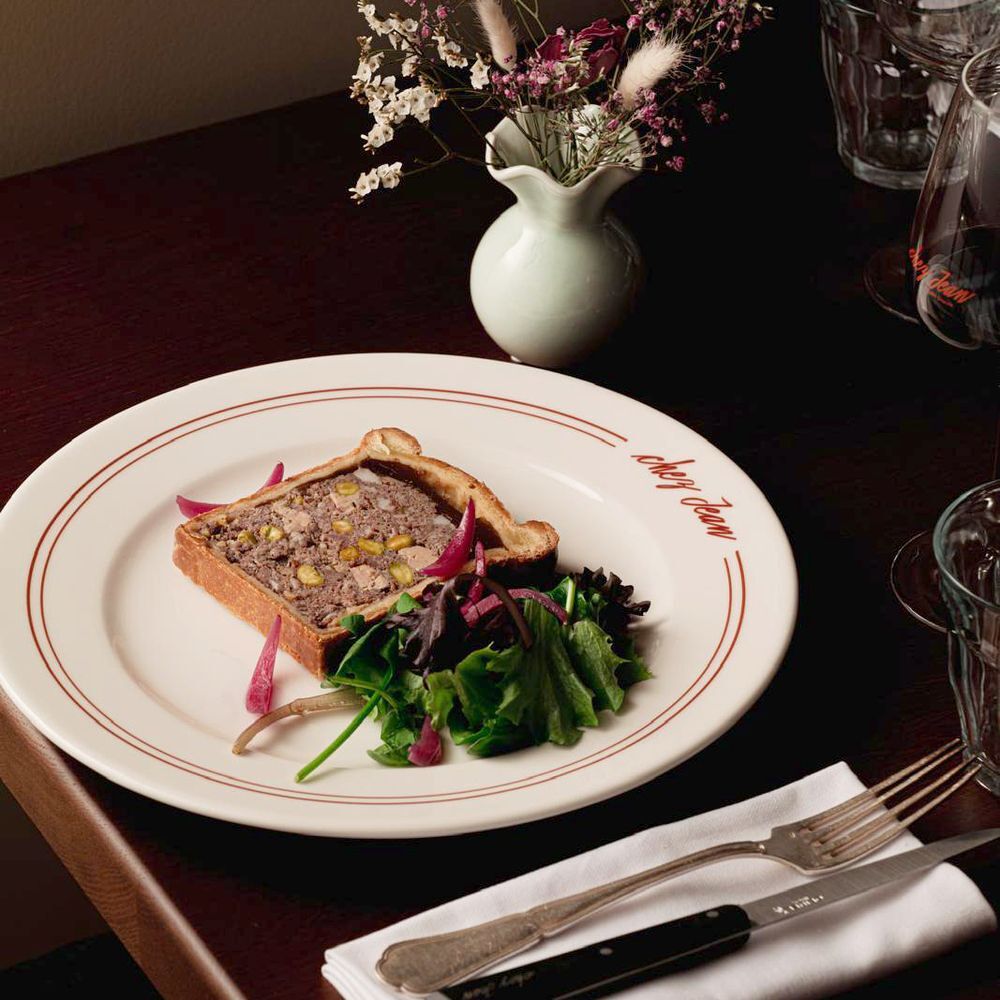
The menu
What to order
- Cassolette de magret
- Magret cocotte
- Tartare de boeuf mirandais
- Échine de Porc Noir de Bigorre
- Assiettes de charcuteries de la Métairie Dupont
Approaching Castelnau-Magnoac, the dining mood changes before any menu appears. Roads run through rural Occitanie, with the wider countryside setting the rhythm of eating. Chez Jean - La Métairie Dupont sits inside that context: a Castelnau-Magnoac address where the appeal is less about urban polish than about how a local restaurant can translate place, hospitality, and season into a meal.
Magnoac cooking is judged by supply, not theatre
In this part of southern France, restaurants operate under a different pressure from Paris, Lyon, or the Riviera. The sharper question is not how many luxury signals a dining room can display, but how convincingly it connects to its surroundings. Local context and seasonal rhythm carry more weight here than imported status signals. A table that understands that economy does not need to over-explain provenance; it needs to feel rooted rather than decorative.
The useful clue is the venue’s own full name: Chez Jean - La Métairie Dupont. It points toward a rural identity rather than a purely metropolitan restaurant concept, and that distinction matters in small-town French dining. A place can read through continuity, setting, and inherited structures being brought into active use. Reinvention often belongs to the metropolitan restaurant cycle, where concepts are designed, launched, and replaced. In Castelnau-Magnoac, the stronger editorial read is continuity: a place-oriented table working within a rural frame.
That makes Chez Jean - La Métairie Dupont a different proposition from La Taulada, a useful local comparison for readers mapping the town’s restaurant choices. La Taulada gives travellers another named point of reference; Chez Jean reads more through estate identity and rural setting. The contrast is useful because Castelnau-Magnoac is not a large enough market for dozens of narrowly differentiated formats. Small differences in room character, local emphasis, and hospitality posture carry disproportionate weight.
A rural Occitan table in a small-town restaurant scene
Castelnau-Magnoac’s dining scene is compact, so context matters. A restaurant here is part of a broader stay: a lunch after crossing the surrounding countryside, a dinner built around the slower pace of the area, or a stop that makes sense when the route itself is part of the pleasure. Readers planning around the area should use our full Castelnau-Magnoac restaurants guide for the local table set, then widen the trip with our full Castelnau-Magnoac hotels guide, our full Castelnau-Magnoac bars guide, our full Castelnau-Magnoac wineries guide, and our full Castelnau-Magnoac experiences guide.
The relevant comparison is not only local. Across France, rural and small-town restaurants increasingly divide into two camps: polished destination dining with a formal tasting-menu posture, and grounded houses that draw credibility from setting, property, and regional continuity. The second camp can be harder to read from afar because it rarely announces itself with the same vocabulary as city restaurants. Chez Jean - La Métairie Dupont belongs to that quieter register.
That absence of metropolitan signalling should not be mistaken for a lack of editorial interest. In France, some of the more revealing meals happen where the restaurant is embedded in a local context rather than placed above it. The Castelnau-Magnoac position matters: rural enough to make a strong sense of place plausible, and small enough that a restaurant’s relationship with its surroundings is immediately legible. This is the kind of address where the reader should expect the meal’s logic to come from region and season, not from imported luxury grammar.
How to place it against broader French dining choices
For travellers building a France itinerary, the useful distinction is scale. Capital-city restaurants operate in one hospitality economy, while countryside and resort dining can answer to a different clientele. Other regional restaurants show how varied the national field becomes once the capital is no longer the default measure, but those comparisons should remain broad rather than over-specific. Chez Jean - La Métairie Dupont is best read through Castelnau-Magnoac itself, not through the expectations attached to larger-city dining rooms or resort addresses.
Against that spread, Castelnau-Magnoac offers a smaller, more place-dependent decision. The reader is not choosing a trophy dining room; the reader is choosing a rural Occitan meal whose credibility rests on setting and local logic, alongside the restaurant’s MICHELIN Plate recognition. That is also why international comparisons have limited use here. Urban specialist formats can be excellent within their own categories, but they belong to a different kind of restaurant culture. The Castelnau-Magnoac proposition is slower and more territorial.
The practical editorial stance is simple: choose this address when the trip is already oriented toward the countryside and a table tied to place. If the priority is a fully declared tasting-menu structure, published chef authorship, or a more elaborate award hierarchy, a different restaurant category will read more clearly. If the priority is understanding how small-town Occitan dining connects local identity, setting, and regional appetite, Chez Jean gives Castelnau-Magnoac a grounded point of reference.
Frequently asked questions
Is Chez Jean - La Métairie Dupont suitable for children?
No specific children’s policy is provided in the venue details. As with any restaurant in Castelnau-Magnoac, travellers should check directly with Chez Jean - La Métairie Dupont before booking if they need high chairs, children’s portions, or a particular seating arrangement.
What kind of setting is Chez Jean - La Métairie Dupont?
It is in Castelnau-Magnoac, which places it in rural Occitanie rather than a city-centre restaurant strip. The venue reads as a countryside table best understood through its Castelnau-Magnoac setting.
Does Chez Jean - La Métairie Dupont have a Michelin star or similar recognition?
Chez Jean - La Métairie Dupont is listed by the MICHELIN Guide with MICHELIN Plate recognition.
Where do I go for Chez Jean - La Métairie Dupont?
Castelnau-Magnoac.
Is Chez Jean - La Métairie Dupont reservation-only?
No reservation-only policy is stated in the venue details. Given the Castelnau-Magnoac setting, it is still sensible to check directly with the restaurant before making a special trip.
What's the defining dish or idea at Chez Jean - La Métairie Dupont?
No named dish is provided, so the clearest idea is the restaurant’s Castelnau-Magnoac setting and its identity as Chez Jean - La Métairie Dupont rather than a chef-led signature plate.
Side-by-Side Snapshot
Comparable venues by cuisine and price in the same metro.
| Venue | Cuisine | Price | Awards | Notes |
|---|---|---|---|---|
| Chez Jean - La Métairie DupontThis venue — the venue you are viewing | Traditional South-West French farmhouse cooking | $30–50 | Michelin Plate | Not listed |
| La Taulada | Regional French Bistro | $50–100 | Michelin Plate | Modern Cuisine |
| Sandikala | Modern Cuisine | Not listed | Not listed | Not listed |
| Relais du Castéra | Traditional Cuisine | Not listed | Not listed | Not listed |
Recognition history
Dated appearances from independent guides and award organizations, with the underlying list record or original source where available.
Michelin Plate
Michelin
Continue exploring
More in Castelnau-Magnoac
Restaurants in Castelnau-Magnoac
Browse all →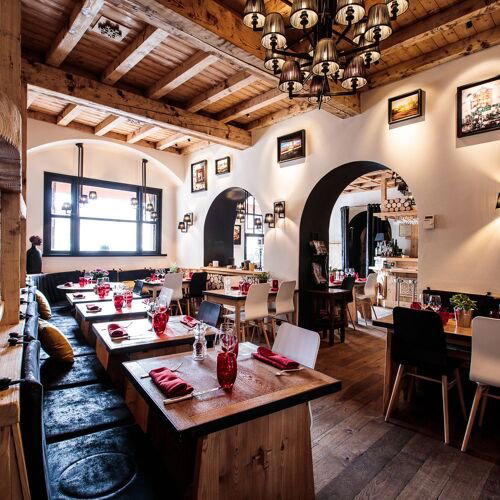
Hotels in Castelnau-Magnoac
Browse all →
Details
- Rustic
- Cozy
- Classic
- Family
- Group Dining
- Date Night
- Casual Hangout
- Special Occasion
- Standalone
- Historic Building
- Extensive Wine List
- Local Sourcing
- Farm To Table
- A La Carte
- Wine
- Beer
- Vegetarian Friendly
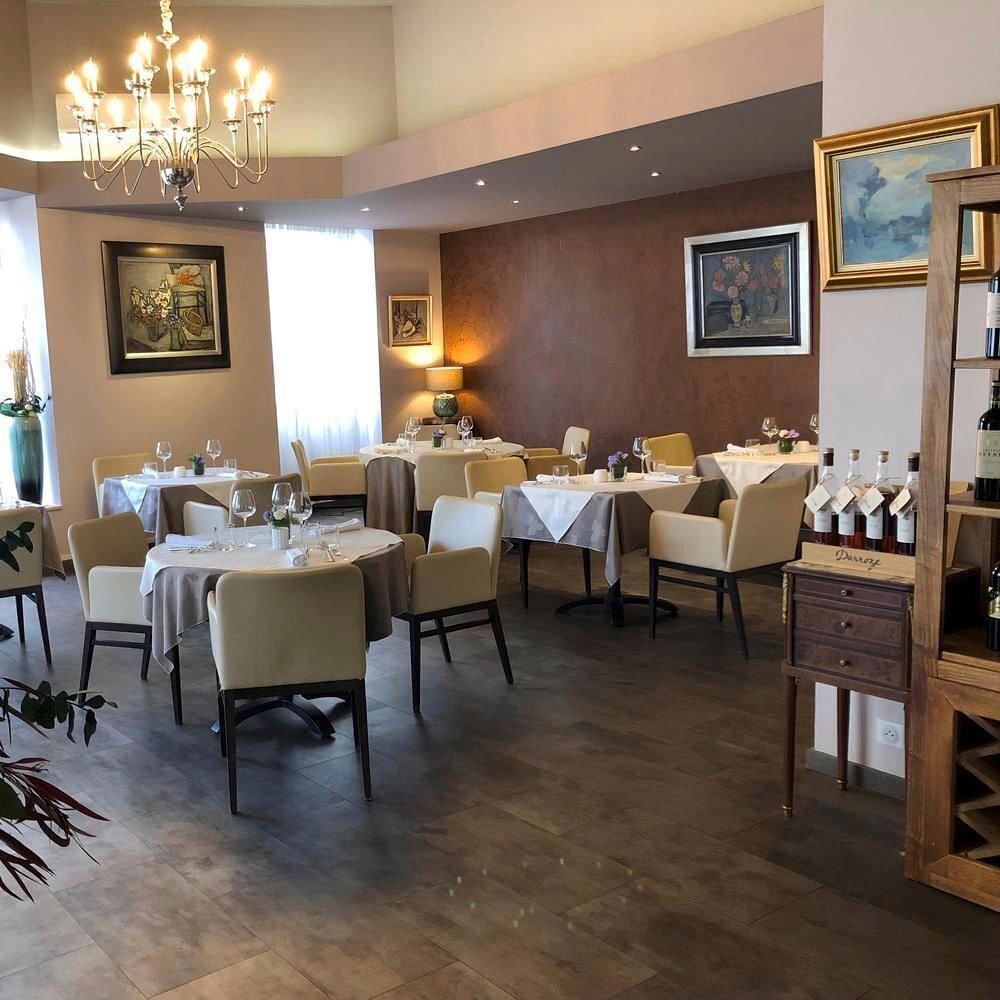
Warm and rustic farmhouse setting with simple decor, convivial dining room energy and a relaxed, family-spirit atmosphere that highlights authenticity and local roots rather than formality.