

Guía Repsol 1 Sol · Macarfi 7.5 Food Rating
Our verdict
Casa Pilar belongs to Asturias’ ingredient-led dining culture, where coastal supply, dairy country and mountain cooking shape the table before technique takes over. Its 1 Sol recognition from Guía Repsol 2026 places it in a selective Spanish guide tier, useful for travellers comparing Llanes dining with more polished regional addresses.

Pearl is the En Primeur Club membership app, where members save venues, book tables and use the concierge.
The menu
What to order
- Caldereta de marisco
- Arroz con bogavante
- Fabes con almejas
- Arroz con almejas
- Pixin (monkfish)
The approach to Llanes carries eastern Asturias’ quiet logic: low stone, green pasture, Atlantic weather and a coastline close enough to shape the way visitors think about eating. Around Llanes, restaurants operate in a setting where local context matters and where the town itself is part of the appeal. Casa Pilar reads best as part of that Llanes dining map, not as a standalone name detached from its place.
Llanes sits between coast and countryside, and that geography shapes expectations for any serious meal in town. It is not only a beach base with casual restaurants, nor only a rural Asturian stopover. The area’s more interesting tables are best understood through setting, consistency and a clear sense of place rather than through imported glamour or over-specific labels.
Asturias' sea-and-pasture cooking, without the city gloss
The location question matters because eastern Asturias is not a region where luxury posturing automatically improves a meal. Its advantage is the closeness between town, coast and hinterland, and the ease with which a restaurant can feel connected to its surroundings. A restaurant in Llanes earns attention by making that relationship convincing, not by disguising it.
Casa Pilar’s 1 Sol from Guía Repsol 2026 is the useful credential. In Spain, Repsol’s Soles reward restaurants that carry enough consistency and identity to matter beyond their immediate neighbourhood. A single Sol does not need to imply the formal choreography of a high-end tasting-menu house; it points to a table with a defined presence and execution worth planning around. For travellers, that distinction separates a serious regional stop from a casual choice made only because it is nearby.
The Llanes area offers several ways to read the local dining scene. Other local dining rooms give direct town-by-town contrast, while more composed tables point to a broader contemporary register. Married Cocina adds another Llanes reference for diners mapping the town beyond the most obvious options. Casa Pilar belongs within that spread: not a generic country stop, but part of a coastal Asturian scene where restraint, locality and guide recognition carry more weight than decorative claims.
Why Llanes rewards ingredient-first dining
Llanes has an advantage over larger Spanish dining cities: product, setting and plate can remain close without becoming a performance. In bigger dining cities, regional identity often arrives as translation. On the Asturian coast, less translation is needed. Diners choosing between a polished urban room and a Llanes table should understand the trade-off. The city may offer deeper wine lists, longer menus and sharper service rituals; eastern Asturias offers a clearer relationship between place and the meal.
Rusticity is not the measure of quality. Stronger regional addresses now meet guide-level expectations: consistency, edited decision-making, dependable pacing and enough discipline to keep the experience focused. Repsol recognition matters because it suggests the restaurant has moved beyond local affection into national evaluation. In a small coastal municipality, that changes the traveller’s decision. A meal becomes part of the itinerary rather than a fallback between beaches and hotel check-in.
For a broader Llanes plan, the dining circuit works better when split by mood rather than by a rigid cuisine label. Other Llanes dining rooms give useful local contrast, while our full Llanes restaurants guide is the cleaner way to compare formats across town. Travellers building a weekend should also think beyond the table: our full Llanes hotels guide, our full Llanes bars guide, our full Llanes wineries guide and our full Llanes experiences guide frame the area as a compact coastal base rather than a single-meal detour.
How Casa Pilar compares with nearby Asturian dining
Within the wider Asturias orbit, comparison clarifies the category. Ayalga works in a more contemporary lane, La Huertona sits closer to a coastal Asturian reference point, and El Molín de Mingo represents another regional name to know. Asturias can mislead outsiders into treating every serious restaurant as the same hearty northern meal. The better reading is granular: coast, countryside, modern technique and village hospitality can overlap, but they do not produce the same evening.
Casa Pilar appeals most to diners who want a Llanes meal with recognised standing rather than a venue built mainly around spectacle. The absence of a necessary public chef narrative is not a weakness here; for many place-led restaurants, authorship can sit in judgement, seasonality and restraint rather than biography. Value comes from how clearly the restaurant’s role in the local map is expressed.
Travellers extending the Spain map can use Llanes as a counterpoint to urban and destination dining elsewhere. Larger city restaurants and island addresses sit in different tourism economies, where setting and demand can shape the meal as much as the kitchen. Regional Spanish dining also shows how local identity changes from coast to interior, island to wine country. Even outside Spain, concise specialist formats underline the same editorial point: narrow focus can be more persuasive than breadth when the product logic is clear.
The right expectation is a serious Llanes meal grounded in place, not a venue built for spectacle. For Llanes, that is often the smarter luxury: fewer gestures, clearer context and enough guide recognition to justify making room in the schedule.
Frequently asked questions
Is Casa Pilar a family-friendly restaurant?
Casa Pilar reads as practical rather than showy, so it can work for diners who want a straightforward meal in Llanes. As with any guide-recognised restaurant, families should confirm current availability and suitability when booking.
Is Casa Pilar better for a quiet night or a lively one?
It is best approached as a focused meal in Llanes rather than a high-energy night out. The appeal is the setting, the sense of place and the confidence signalled by its Guía Repsol recognition.
What days is Casa Pilar closed?
Opening days and hours can change, so check directly with Casa Pilar before planning a visit. The important fixed reference is its 1 Sol in Guía Repsol 2026.
Where exactly is Casa Pilar?
Llanes.
What's the defining dish or idea at Casa Pilar?
The defining idea is a guide-recognised restaurant in Llanes, backed by Casa Pilar’s 1 Sol from Guía Repsol 2026. The restaurant’s value lies in that recognised local presence rather than in a named signature dish.
Side-by-Side Snapshot
Comparable venues by cuisine and price in the same metro.
| Venue | Cuisine | Price | Awards | Notes |
|---|---|---|---|---|
| Casa PilarThis venue (the venue you are viewing) | Traditional Asturian seafood restaurant | $30–50 | Guía Repsol 1 Sol · Macarfi 7.5 Food Rating | Not listed |
| Married Cocina | Contemporary Asturian and French-influenced fine dining | $50–100 | Guía Repsol 1 Sol · Macarfi 8.2 Food Rating | Not listed |
| Ayalga | Modern Asturian Fine Dining | $100–150 | 1 Michelin Star · Macarfi 8.5 Food Rating | Modern Cuisine |
| La Huertona | Grilled Asturian Seafood | $100–150 | Michelin Plate · Macarfi 9.2 Food Rating | Asturian, Seafood |
| El Molín de Mingo | Traditional Asturian | $50–100 | Michelin Plate · Guía Repsol 1 Sol | Regional Cuisine |
Recognition history
Dated appearances from independent guides and award organizations, with the underlying list record or original source where available.
Guía Repsol 1 Sol
Guía Repsol
Macarfi 7.5 Food Rating
Macarfi
Continue exploring
More in Llanes
Restaurants in Llanes
All restaurants in Llanes →
Bars in Llanes
Browse all →
Details
- Classic
- Cozy
- Rustic
- Intimate
- Date Night
- Group Dining
- Family
- Celebration
- Casual Hangout
- Standalone
- A La Carte
- Wine
- Beer
- Pescatarian Friendly
Current opening hours
- Monday
- 12–4 PM, 9–11:30 PM
- Tuesday
- 12–4 PM, 9–11:30 PM
- Wednesday
- Closed
- Thursday
- 12–4 PM, 9–11:30 PM
- Friday
- 12–4 PM, 9–11:30 PM
- Saturday
- 12–4 PM, 9–11:30 PM
- Sunday
- 12–4 PM, 9–11:30 PM
Hours can change for holidays and private events. Hours as of .
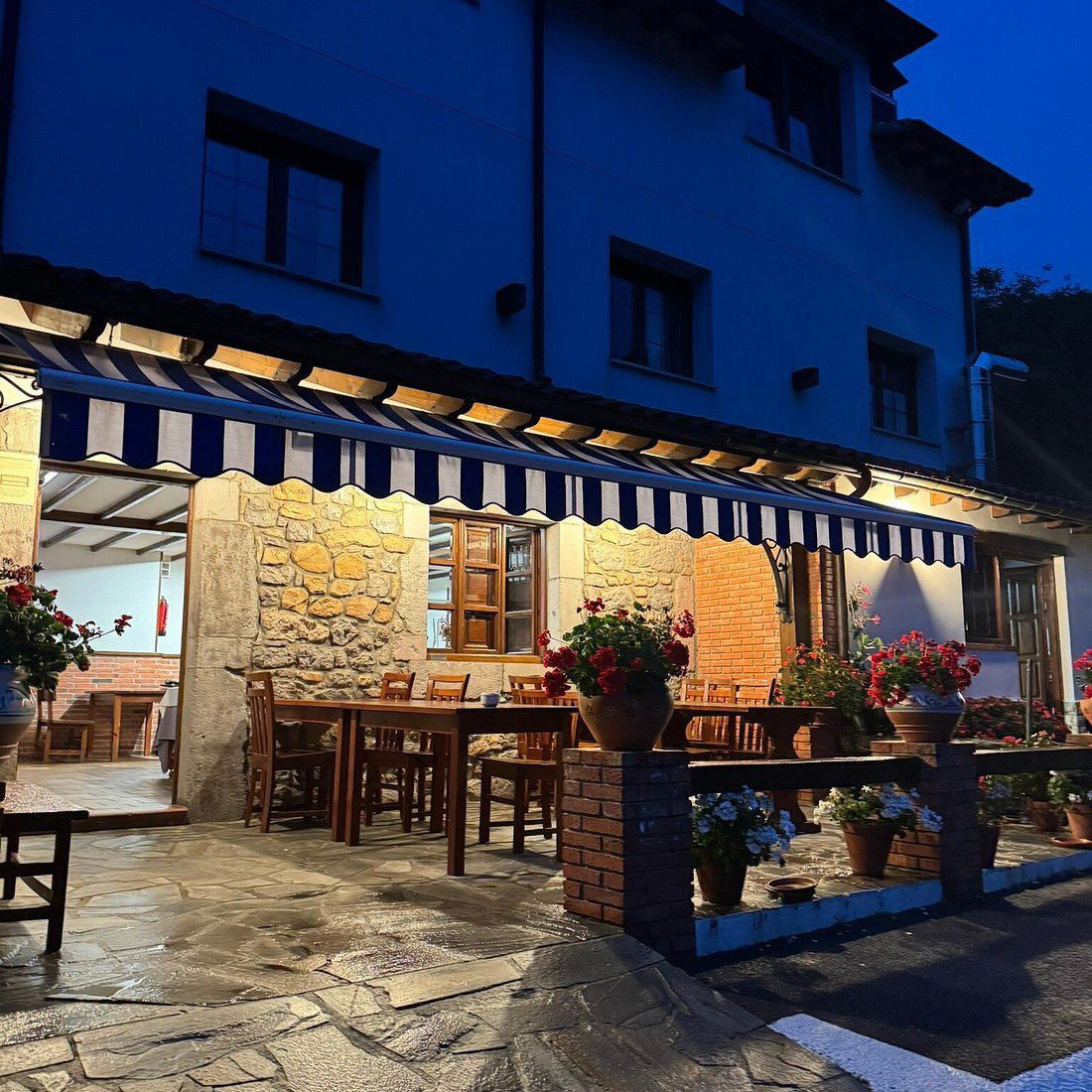
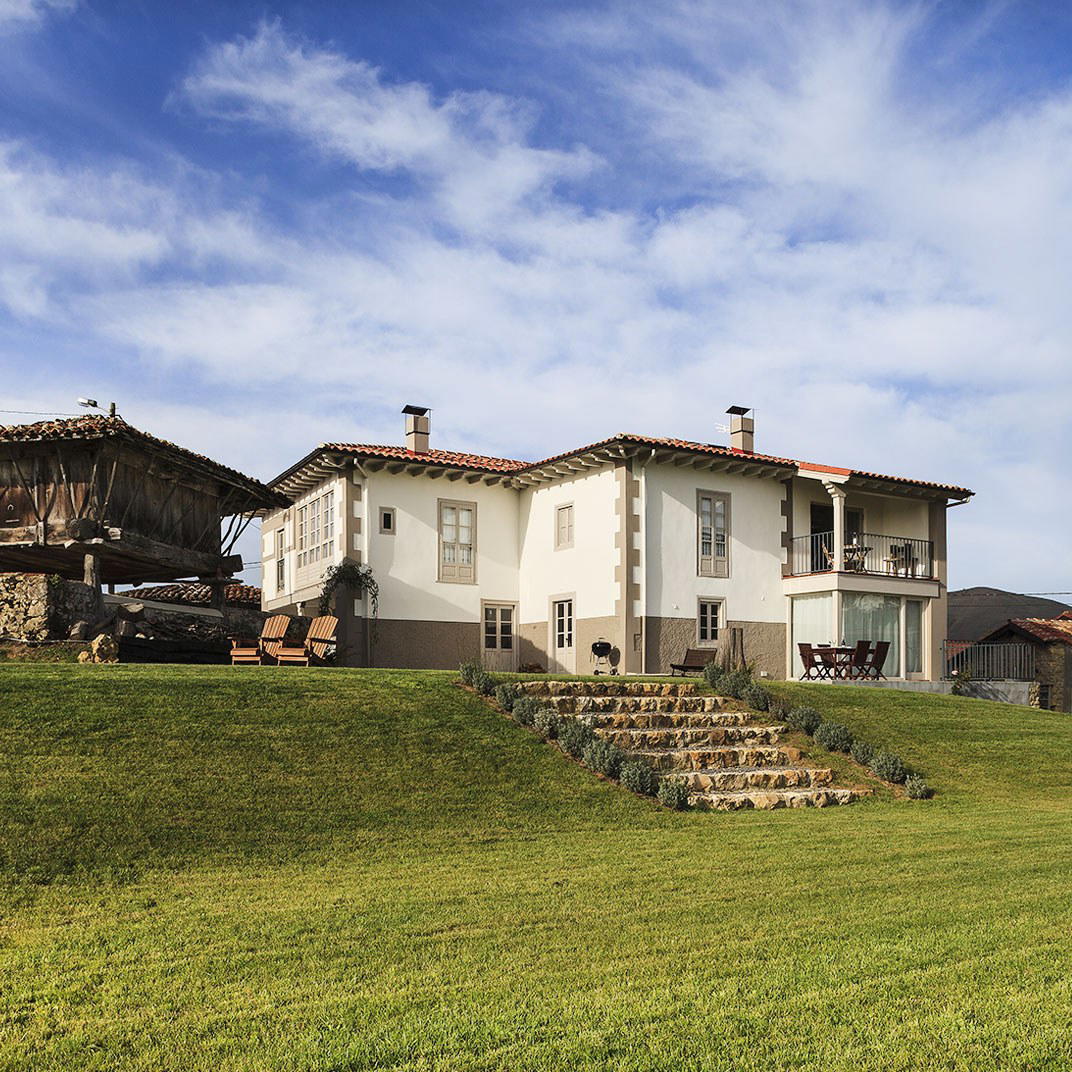
Warm and traditional with a classic village-restaurant feel; guests highlight a cozy, unpretentious dining room where the focus is on hearty Asturian cooking and fresh seafood rather than design flourishes.