CANVAS
Our verdict
CANVAS sits outside Dubai’s central restaurant circuits, which changes the terms of the meal before the menu begins. With no public awards, chef attribution, or price band attached, the useful reading is contextual: a restaurant to assess through format, pacing, and how its menu communicates intent rather than through trophy shorthand.

Pearl is the En Primeur Club membership app, where members save venues, book tables and use the concierge.
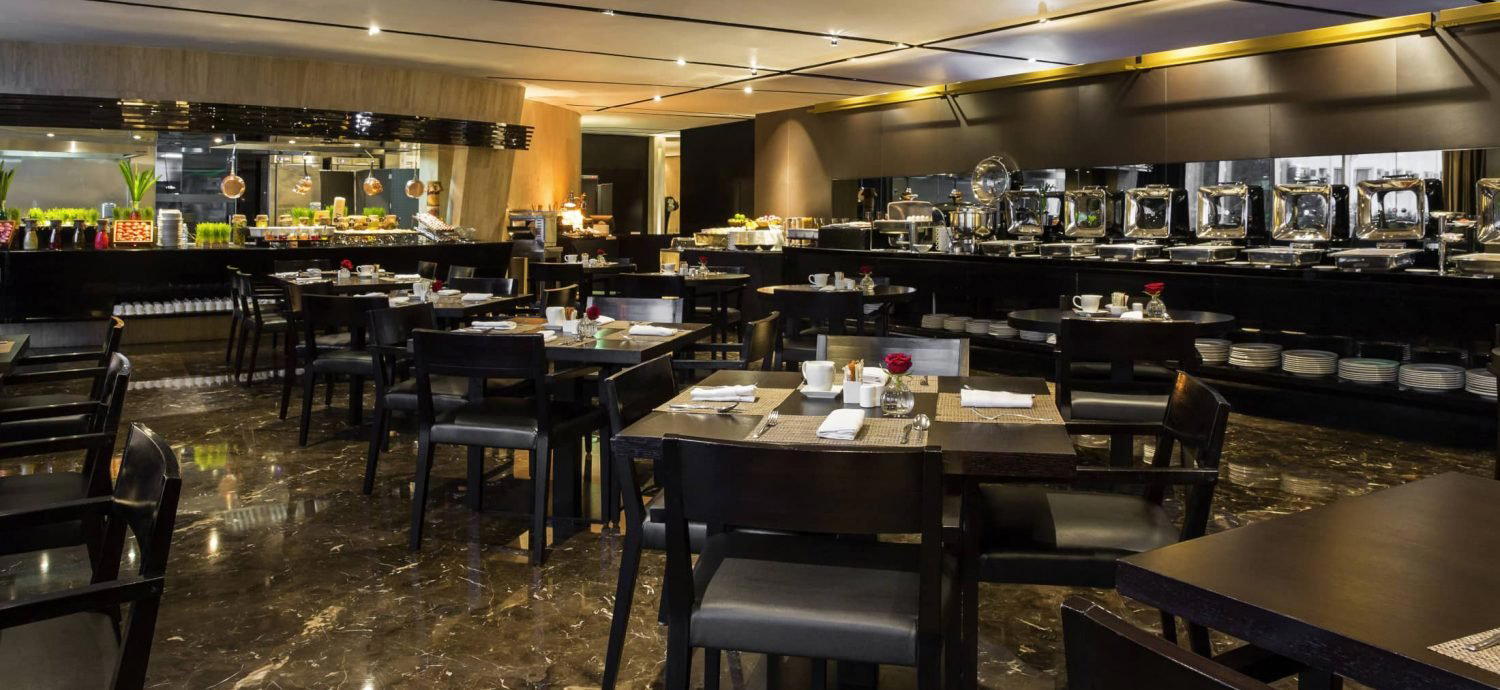
Approach matters here. CANVAS is a Dubai venue, a setting that should be read on its own terms rather than through the hotel-dense dining corridors usually associated with Dubai restaurant planning. The useful question is not whether it competes with the city’s heavily documented tasting-menu rooms, but how a meal in Dubai frames itself: through the current menu, the setting, and the degree to which the venue gives diners a clear route through the evening.
A menu has to do the explaining when the usual signals are absent
Dubai dining often announces hierarchy through familiar markers: named chefs, award badges, fixed formats, cellar depth, and reservation friction. CANVAS has limited verified public detail attached here, so the menu carries more editorial weight. In restaurants like this, structure matters more than adjectives. A clear sequence suggests a venue with a point of view; a broad, unfocused spread suggests a room trying to cover too many occasions at once. The serious diner should read the menu for architecture first: how starters lead into mains, whether sharing is encouraged, how much space is given to regional references, and whether vegetarian cooking is treated as a full path or an afterthought.
That distinction is especially relevant in Dubai, where restaurant culture splits between high-production dining rooms, hotel-led international concepts, and quieter destination venues that depend on setting and repeat local use. In the first category, recognition often arrives before the meal. In the second, branding can overexplain the proposition. In the third, the plate and the room have to carry the argument. CANVAS belongs to that last reading until firmer public details say otherwise.
Outside the central Dubai circuit, comparison gets sharper
Distance from the city’s most familiar dining clusters changes a restaurant’s burden of proof. Central Dubai can sustain speculative bookings because diners often build a night around several nearby options. A less immediately familiar Dubai plan asks for more deliberate checking, so the menu needs to justify the trip with clarity rather than range for its own sake. That is where CANVAS becomes an interesting page in the Dubai dining map: not as a trophy room, but as a test of whether a restaurant outside the most obvious circuits can create enough structure to feel intentional.
The comparison should stay disciplined. The Copper Lobster in Dubai, Mezzeria, Sense on the Edge, Spice Market, and Summer House each sit in a different hospitality frame, and none supplies a direct like-for-like measure without more detail. What they do clarify is the range of restaurant identities operating around the city: polished dining rooms, hotel settings, destination meals, market-minded formats, and resort-style occasions. CANVAS is better judged against that spectrum than against a narrow downtown tasting-menu benchmark.
For broader context across the city, EP Club’s Dubai restaurant coverage ranges from hotel and independent formats across other Dubai dining rooms, long-running city restaurants, neighborhood favorites, and compact counter-style formats. The wider city pages are useful for placing a meal within a fuller trip: Our full Dubai restaurants guide, Our full Dubai hotels guide, Our full Dubai bars guide, Our full Dubai wineries guide, and Our full Dubai experiences guide.
How to read the meal before committing a night to it
The practical decision is simple: treat CANVAS as a planned meal rather than a casual add-on. With limited verified public detail attached here, value has to be assessed through the menu’s logic, the suitability of the setting for the occasion, and the amount of time required to reach it from wherever the trip is based. Diners who care about chef-led authorship may prefer venues where that information is explicit. Diners more interested in place, pacing, and a restaurant’s ability to make a Dubai dining room feel coherent will find the more relevant test here.
Families should make the same kind of occasion-based assessment: the Dubai setting and atmosphere may suit a slower meal, but child-friendly service should be confirmed through current channels. For contrast outside the UAE, the same rule applies: use other dining rooms as context, not as direct substitutes for CANVAS.
Frequently asked questions
Where is CANVAS in Dubai?
CANVAS is in Dubai.
What's the best way to book CANVAS?
Use the current booking channel tied to CANVAS in Dubai before making the trip. Check the venue's official channels for the latest details.
What makes CANVAS worth seeking out?
Its Dubai setting gives it a destination feel within the city’s wider dining map. That makes CANVAS a planned stop rather than something to treat as an easy walk-in without checking current details first.
Is CANVAS good for vegetarians?
For CANVAS in Dubai, the firm detail here is the venue’s city, which means the current menu needs checking before planning around plant-based dining. Check the venue's official channels for the latest details.
Is CANVAS child-friendly?
Confirm the current family policy with CANVAS before booking. Dubai is the useful anchor when checking access and logistics.
What should I expect atmosphere-wise at CANVAS?
Expect a Dubai dining-room mood rather than assuming a specific service format. The city and the current menu are the clearest clues to the tone. Check the venue's official channels for the latest details.
Credentials Lens
Comparable options at the same price tier.
| Venue | Cuisine | Price |
|---|---|---|
| CANVASThis venue (the venue you are viewing) | International All-Day Dining | $30–50 |
| The Copper Lobster | Seafood Grill | Not listed |
Continue exploring
More in Dubai
Restaurants in Dubai
All restaurants in Dubai →
Bars in Dubai
All bars in Dubai →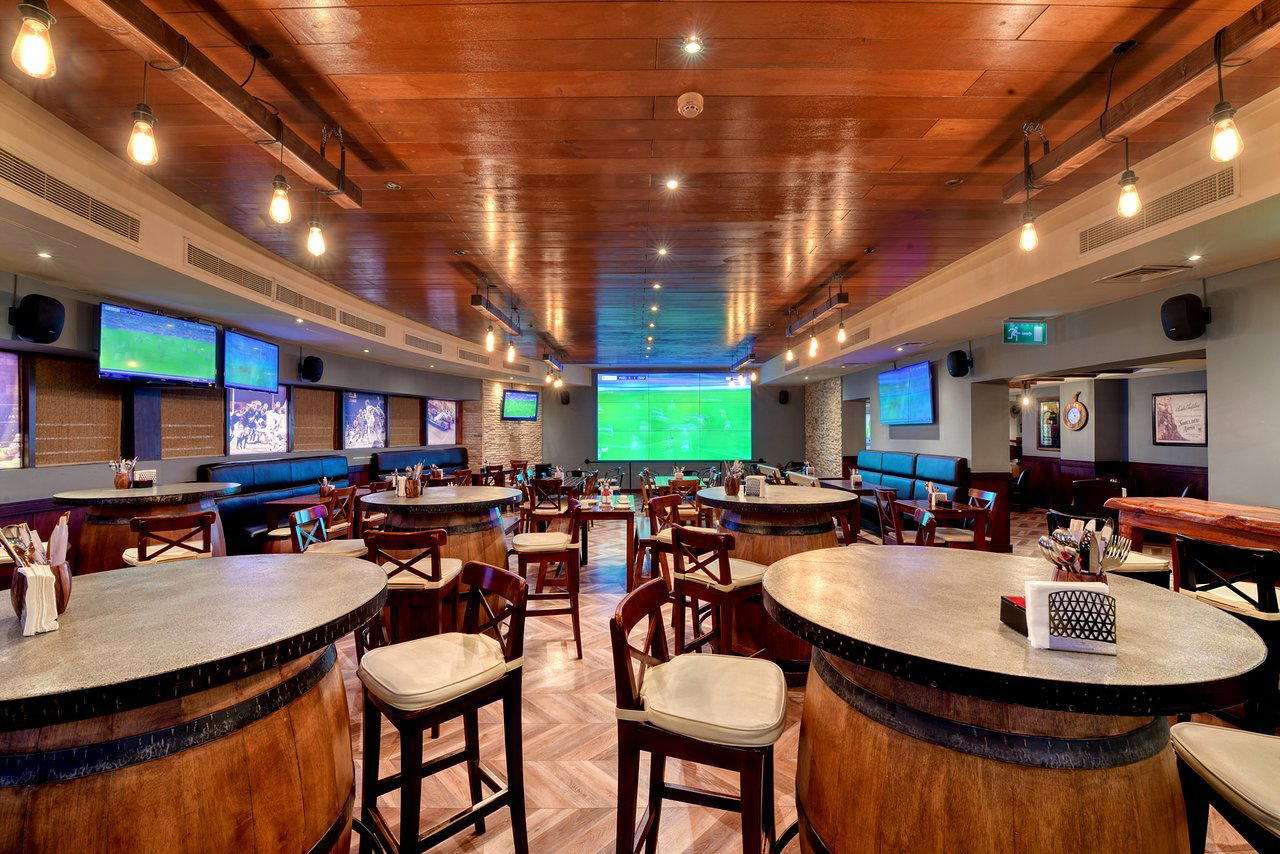


Details
- Modern
- Elegant
- Bohemian
- Business Dinner
- Group Dining
- Family
- Casual Hangout
- Brunch
- Hotel Restaurant
- Standalone
- Beer Program
- Buffet
- A La Carte
- Beer
- Cocktails
- Vegetarian Friendly
Contemporary hotel-restaurant setting with a clean, modern design and relaxed, business-friendly atmosphere suitable for both hotel guests and casual diners.