Canneli Restaurant
Our verdict
Canneli Restaurant sits on the beach at Hurawalhi Island in Lhaviyani Atoll, where the appeal is less about urban restaurant theater than about the Maldives’ resort-dining equation: seafood proximity, open-air ease, and a kitchen shaped by island logistics. It suits readers comparing casual beachfront meals with the atoll’s more staged formats, from undersea dining to bar-led resort restaurants.

Pearl is the En Primeur Club membership app — saves, bookings, and concierge access live there. Same editors, same standards.
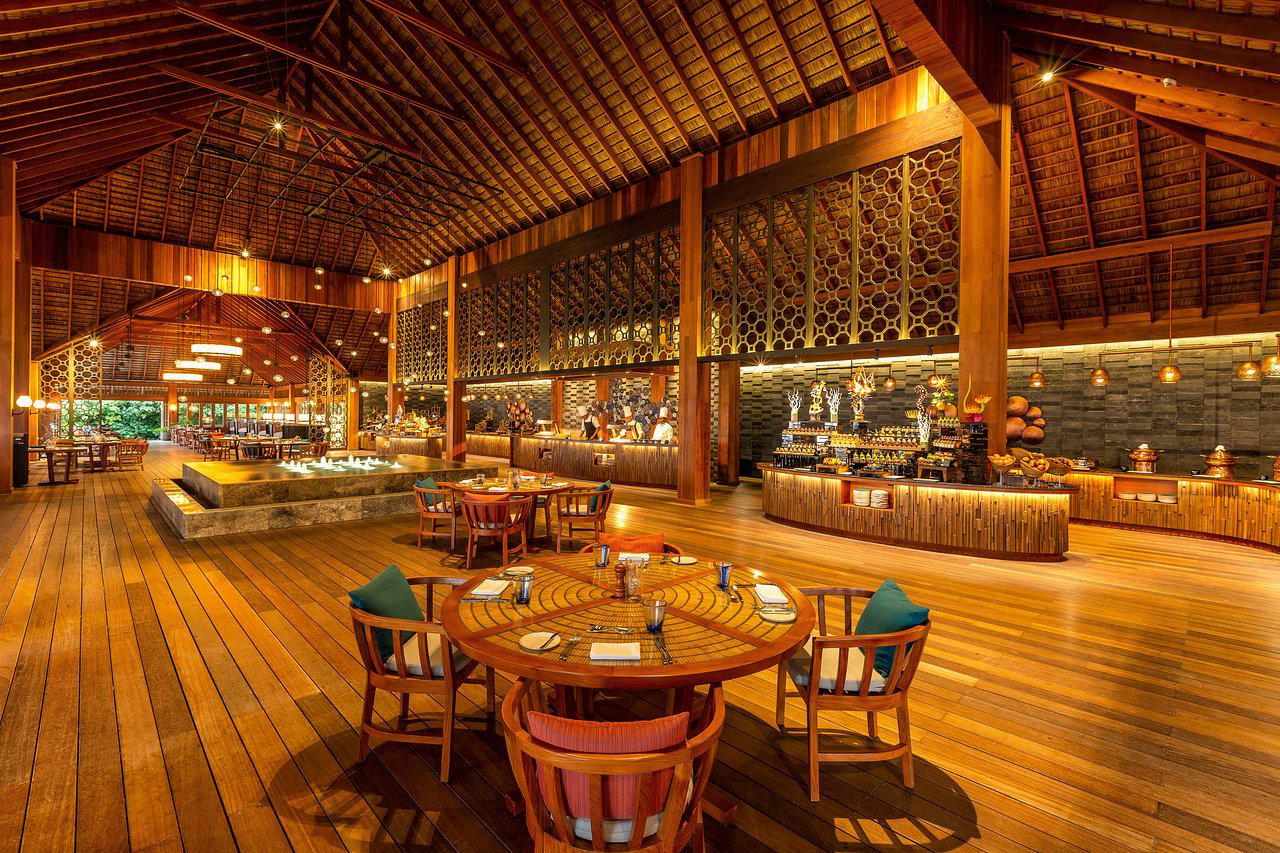
The menu
What to order
- Live cooking stations
- Themed international evenings
- White snapper crudo
- Steamed catch of the day
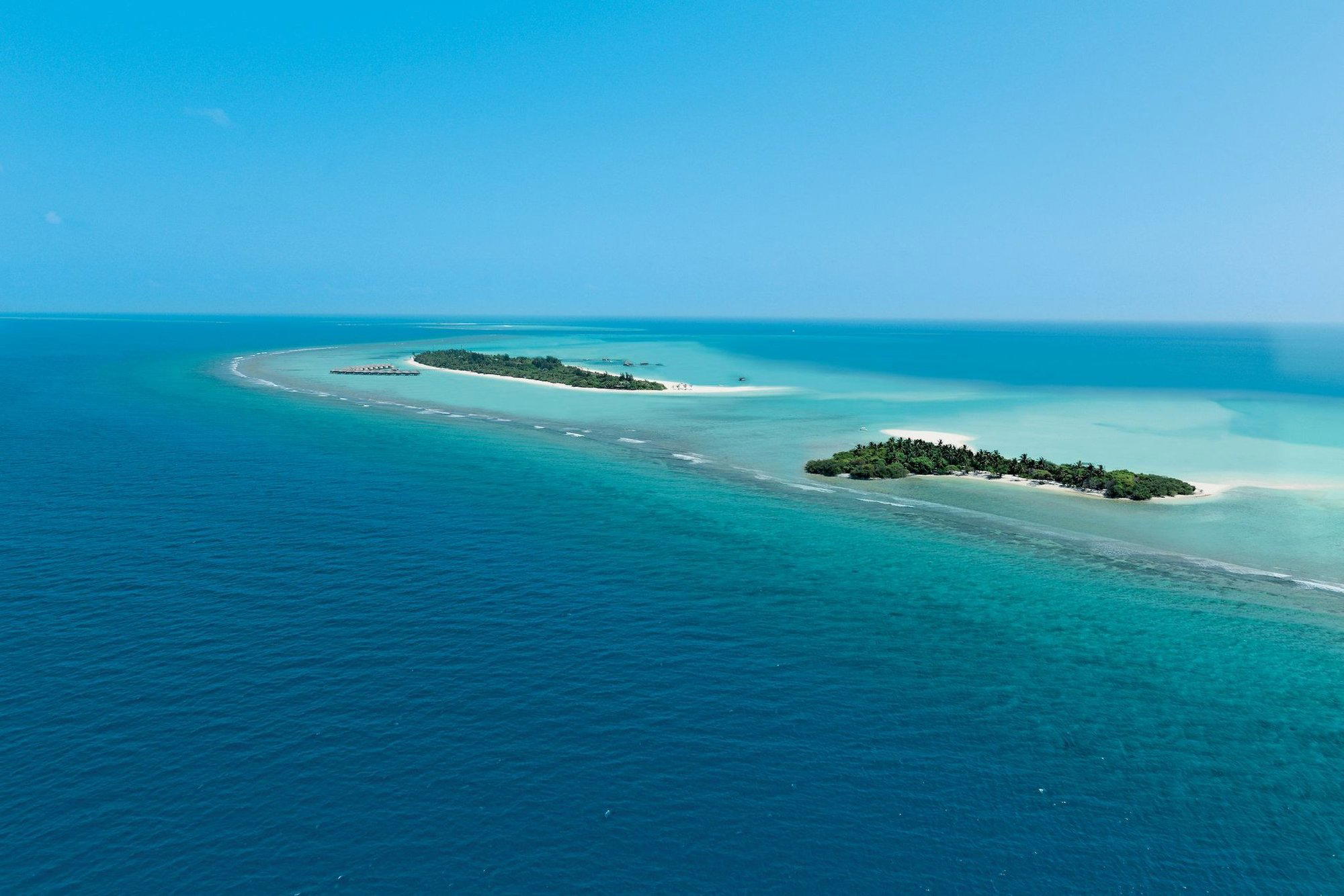
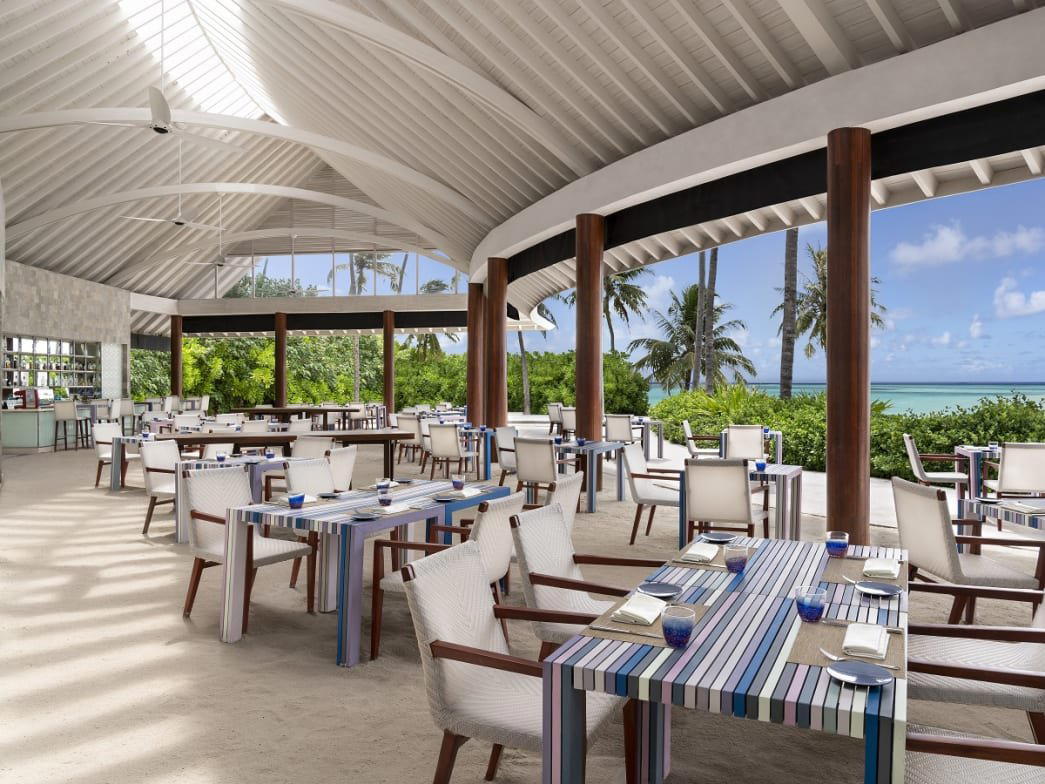
Approaching a beach restaurant in Lhaviyani Atoll changes the usual dining cues. There is no street frontage, no city queue, no theatre of arrival beyond sand, lagoon light, and the sound of water close enough to reset the pace of the meal. Canneli Restaurant belongs to that resort-island category, where the room is part dining space and part weather report: humidity, breeze, tide, and daylight all shape the experience before the first order is placed.
That setting matters because Maldivian resort dining has to solve a different problem from restaurants in dense cities. Ingredient sourcing, storage, staff movement, and guest expectations all run through island logistics. A beachfront setting in Lhaviyani Atoll gives Canneli Restaurant a natural advantage in atmosphere, but the sharper editorial question is how it fits within Lhaviyani Atoll’s broader food map, where restaurants often split between relaxed all-day formats, destination dining, and resort bars that double as social anchors.
Beachfront dining in Lhaviyani is defined by supply, timing, and setting
In the Maldives, proximity to the sea is not a decorative detail. It shapes what guests expect from a meal: lighter cooking, chilled drinks, fruit, rice, spice, and food that can work in heat without collapsing into heaviness. The strongest island restaurants tend to understand that rhythm. They avoid forcing a city tasting-menu tempo onto a beach setting, and instead let service feel elastic enough for a swim, a sunset, or a longer evening at the table.
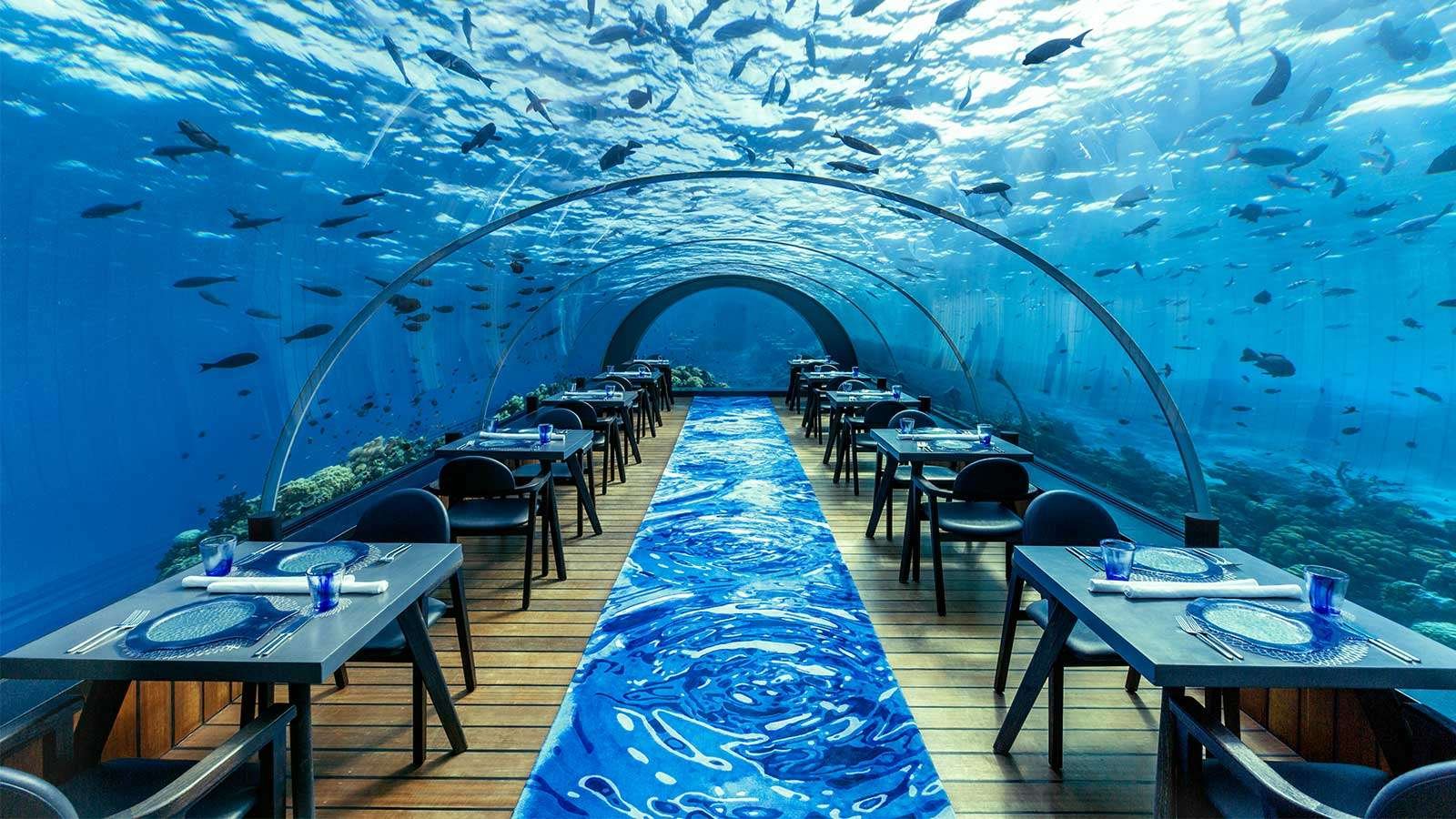
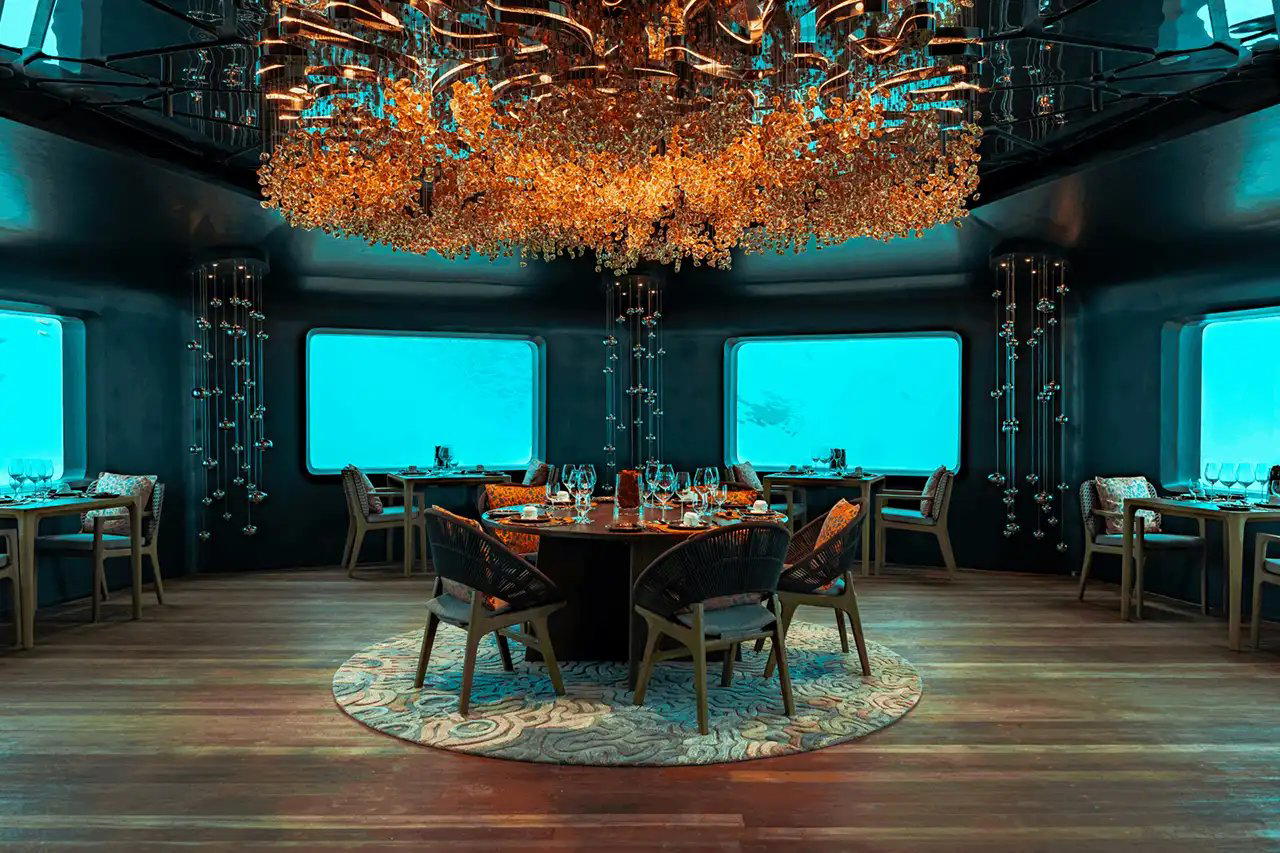
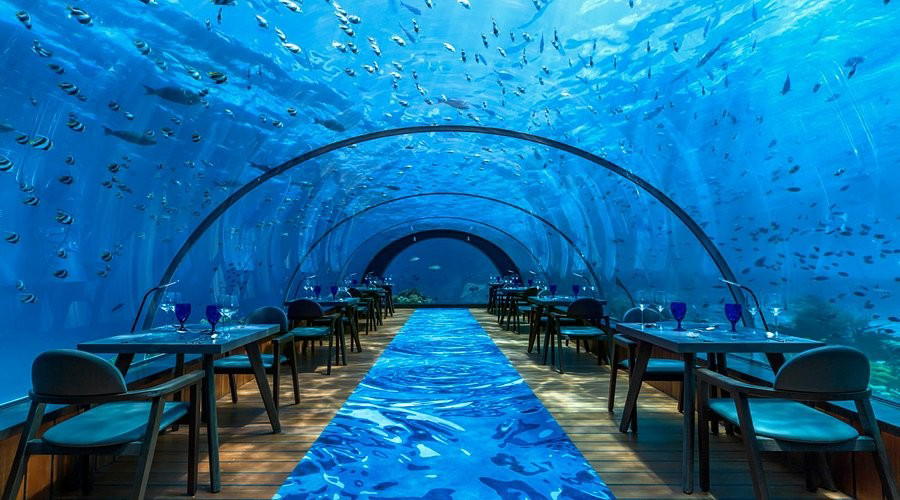
Canneli Restaurant’s position in Lhaviyani Atoll places it in the casual end of that spectrum rather than the theatrical one occupied by 5.8 Undersea Restaurant, also in Lhaviyani Atoll. That comparison is useful: one format makes architecture and submersion the headline; the other depends on the everyday intelligence of resort cooking, where the kitchen has to satisfy repeat guests across multiple meals without leaning only on spectacle.
The atoll’s dining scene is also more varied than a single luxury-resort stereotype suggests. Junk Food Kitchen points toward comfort-food informality, Kashibo Restaurant and Bar shows how bar and restaurant roles often overlap in island resorts, and Scoops covers the lighter, between-meal side of holiday eating. Canneli Restaurant sits in the part of that field where beach access and mealtime flexibility carry as much weight as culinary ambition.
The ingredient question is the real test in a resort atoll
Maldivian resort kitchens operate with a constant sourcing tension. The ocean is immediate, but not every ingredient can be local; imported produce, dairy, specialty pantry items, and wines move through planned supply chains. That makes menu discipline more important than menu length. A kitchen that works well in this context usually reads the climate, uses lighter ingredients without overcomplication, and avoids dishes that feel transplanted from a colder, denser dining culture.
For a beach restaurant, the better measure is not how many cuisines are represented, but whether the meal fits the island’s tempo. Long-haul guests often arrive with hotel-dining fatigue: too many international menus, too many safe luxury signifiers, not enough sense of place. Canneli Restaurant has the advantage of location, which gives the meal an immediate Maldivian frame even when the cuisine itself is not publicly defined by a single category.
That is where Lhaviyani Atoll rewards comparison. A guest planning several meals can treat Canneli Restaurant as the beach-setting counterpoint to higher-concept dining, bar-led evenings, and casual stops. For wider planning, Our full Lhaviyani Atoll restaurants guide gives the restaurant context within the local dining mix, while Our full Lhaviyani Atoll hotels guide, Our full Lhaviyani Atoll bars guide, Our full Lhaviyani Atoll wineries guide, and Our full Lhaviyani Atoll experiences guide help map meals against the rest of an island itinerary.
How to place it within Maldives resort dining
Across the Maldives, resort restaurants tend to fall into a few clear lanes: all-day hotel dining, beach grills, specialty rooms, destination concepts, and casual outlets built around drinks, snacks, or dessert. Canneli Restaurant reads as part of the beach-dining lane, where the main decision is less about chasing awards and more about matching the meal to the moment of the day. Lunch asks for shade and ease; dinner asks for breeze, lighting, and a kitchen that does not fight the setting.
Travelers comparing beyond Lhaviyani can see similar resort-dining questions across the country: other Maldivian dining rooms sit inside the broader pattern of restaurant experiences shaped by resort geography rather than city neighborhoods.
For readers used to urban formats, the contrast shows how different the island model is. City restaurants often depend on street-level access, local repeat traffic, and neighborhood competition. Canneli Restaurant operates in the opposite condition: a contained island audience, a beachfront setting, and a meal whose success depends on fit, freshness, and timing rather than metropolitan scarcity.
The editorial read is simple: use Canneli Restaurant when the point of the meal is to stay close to the beach and let the atoll set the pace. In Lhaviyani, that is not a secondary pleasure. It is one of the defining pleasures of eating on a resort island.
Frequently asked questions
Is Canneli Restaurant a family-friendly restaurant?
Canneli Restaurant is in Lhaviyani Atoll, which makes it a natural fit for resort-style dining. The beachside setting is more relaxed than formal dining rooms, so guests looking for an easygoing format may find it workable.
What's the overall feel of Canneli Restaurant?
The location says it plainly: Lhaviyani Atoll. Expect a resort dining room shaped by the shoreline rather than a city restaurant, with the mood defined by the Maldives setting.
What's the address for Canneli Restaurant?
Lhaviyani Atoll.
Should I book Canneli Restaurant in advance?
Advance booking is sensible for Canneli Restaurant because it is a beach venue in Lhaviyani Atoll, where resort dining can fill around popular meal periods. Planning ahead matters more when public booking details are limited.
What's the standout thing about Canneli Restaurant?
The setting is the draw: Canneli Restaurant is on the beach in Lhaviyani Atoll, which gives it a stronger sense of place than an inland resort room. That location, rather than a named chef, is the clearest credential here.
What if I have allergies at Canneli Restaurant?
State any allergies clearly before dining at Canneli Restaurant in Lhaviyani Atoll, and confirm the ingredients with the staff again on arrival. In a resort setting, direct communication is the safest approach when the menu details are not published.
In Context: Similar Options
Comparable venues by cuisine and price in the same metro.
| Venue | Cuisine | Price |
|---|---|---|
| Canneli RestaurantThis venue — the venue you are viewing | International Buffet | Not listed |
| 5.8 Undersea Restaurant | Modern Seafood Fine Dining | $200–300 |
| Junk Food Kitchen | Upscale Vegan-Friendly Street Food & Gourmet Junk Food | $30–50 |
| Kashibo Restaurant and Bar | Overwater Asian Fusion and Seafood | Not listed |
| The Retreat | International Fine Dining | Not listed |
| Scoops | Ice Cream Bar / Desserts | Not listed |
Continue exploring
More in Lhaviyani Atoll
Restaurants in Lhaviyani Atoll
All restaurants in Lhaviyani Atoll →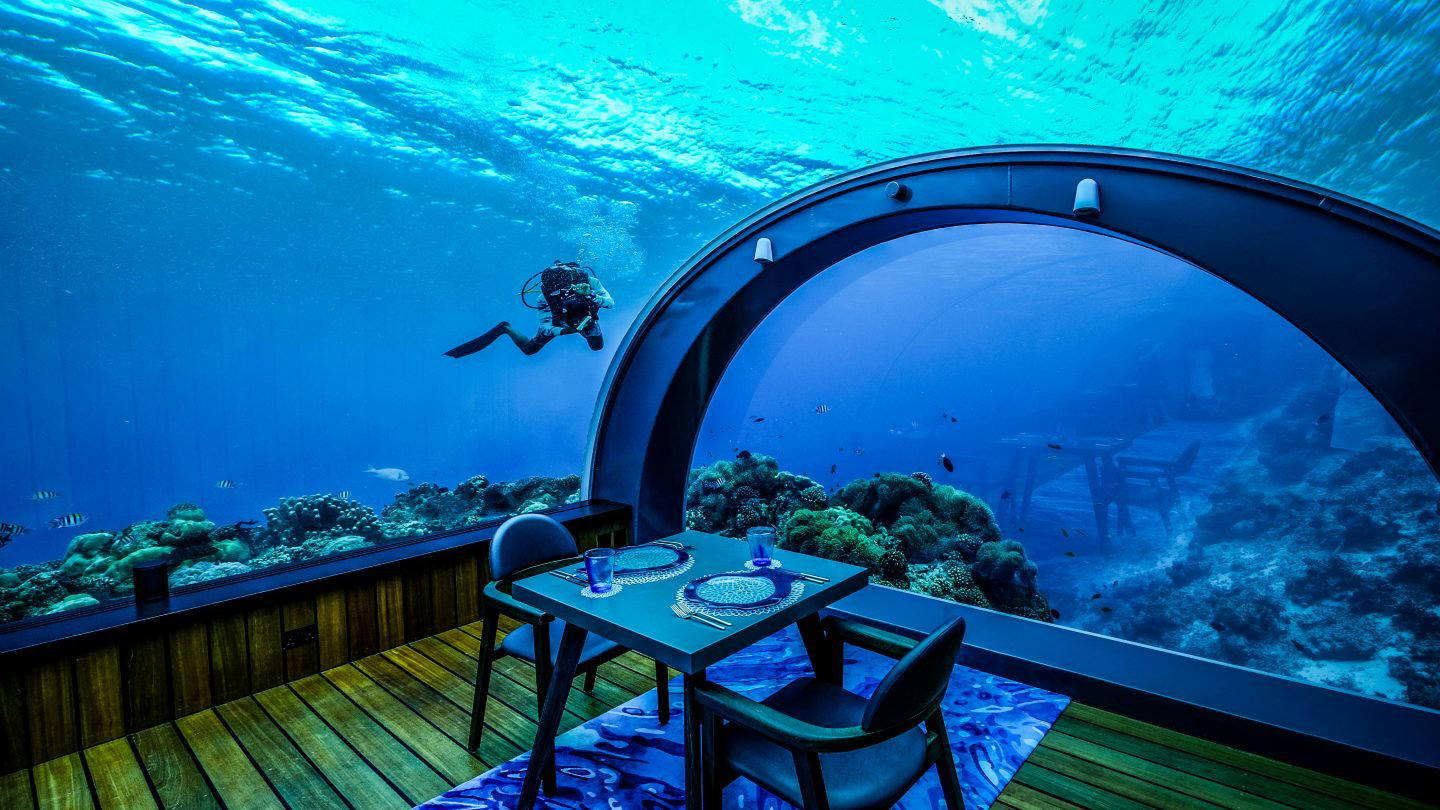
Bars in Lhaviyani Atoll
Browse all →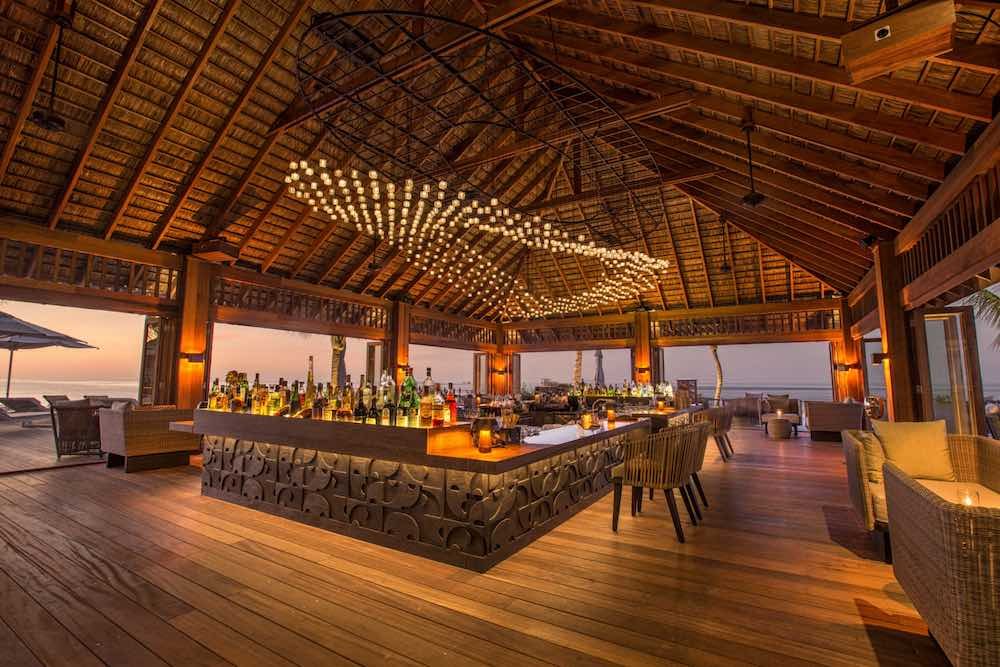
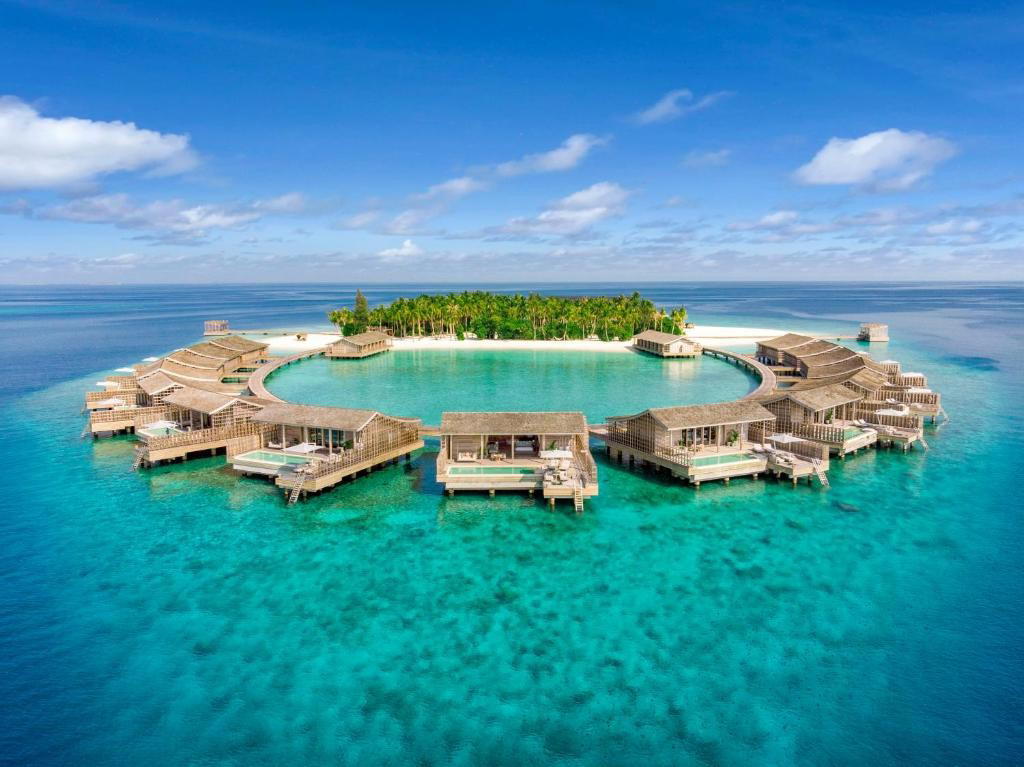

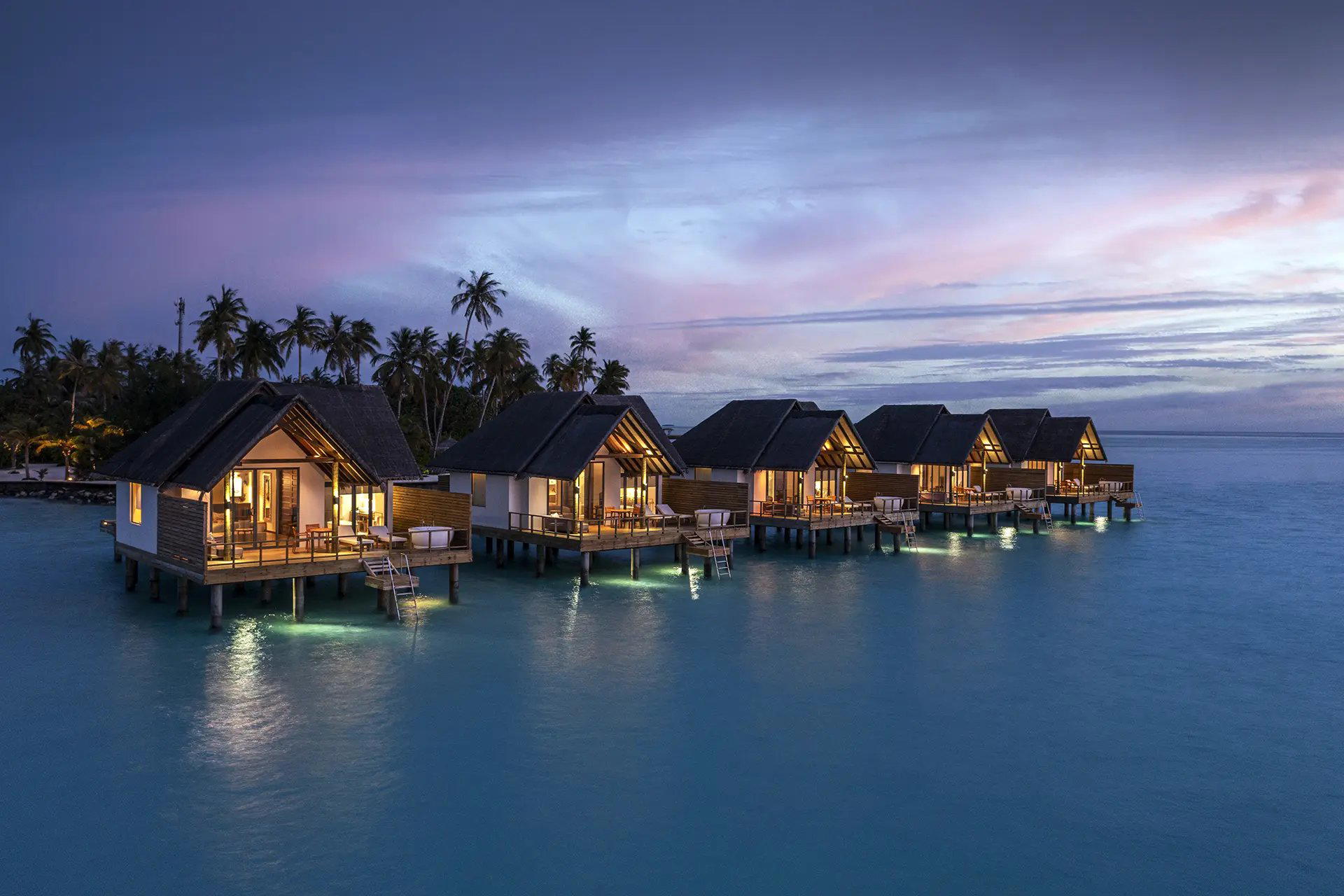
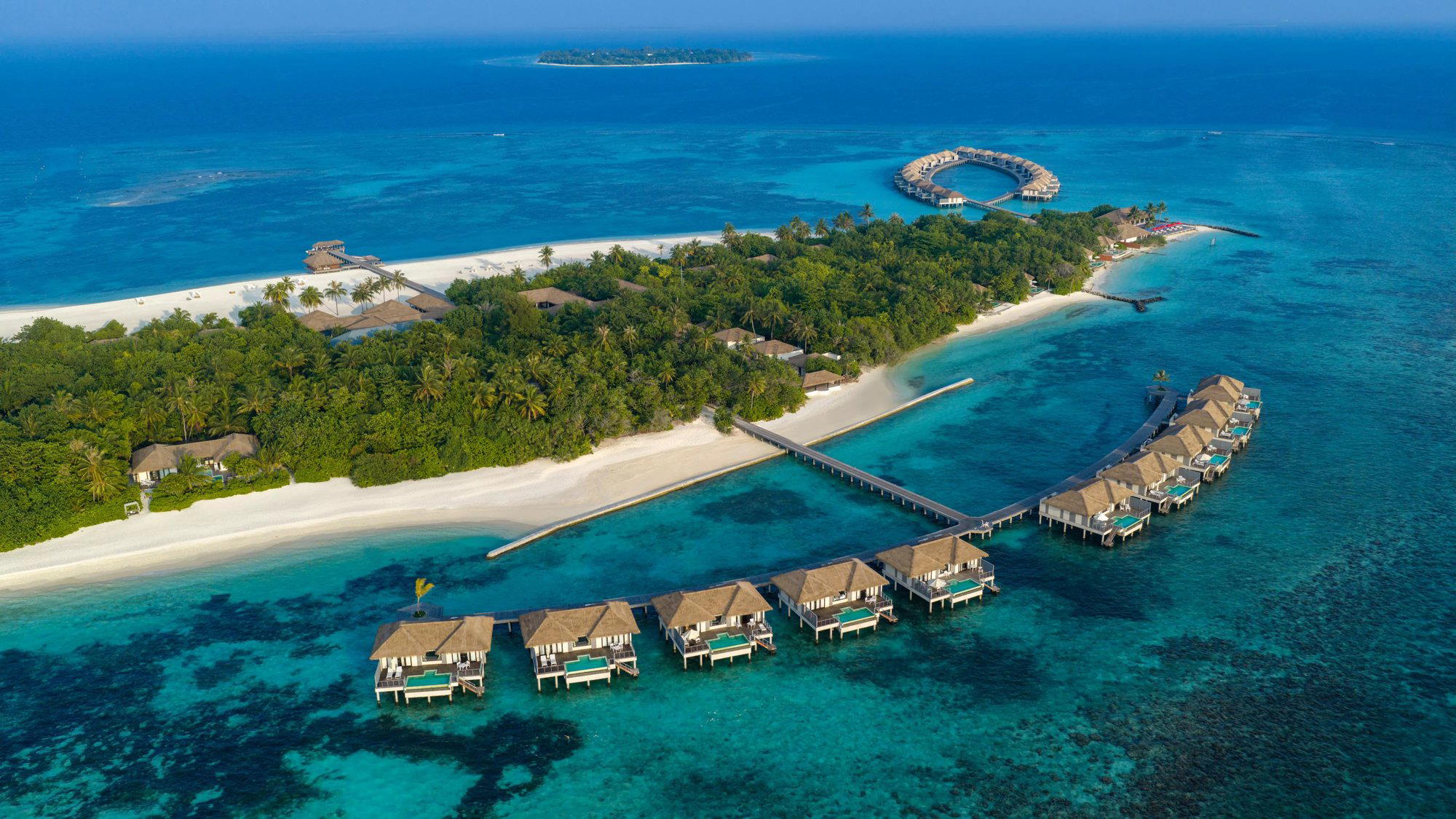
Canneli Restaurant
The wine
- Wine program
- Deep wine list
- Extensive wine list
- Sommelier-led
Details
- Scenic
- Lively
- Elegant
- Group Dining
- Family
- Celebration
- Casual Hangout
- Waterfront
- Open Kitchen
- Terrace
- Hotel Restaurant
- Extensive Wine List
- Sommelier Led
- Sustainable Seafood
- Waterfront
- Buffet
- A La Carte
- Wine
- Vegetarian Friendly
- Vegan Options
- Gluten Free Options
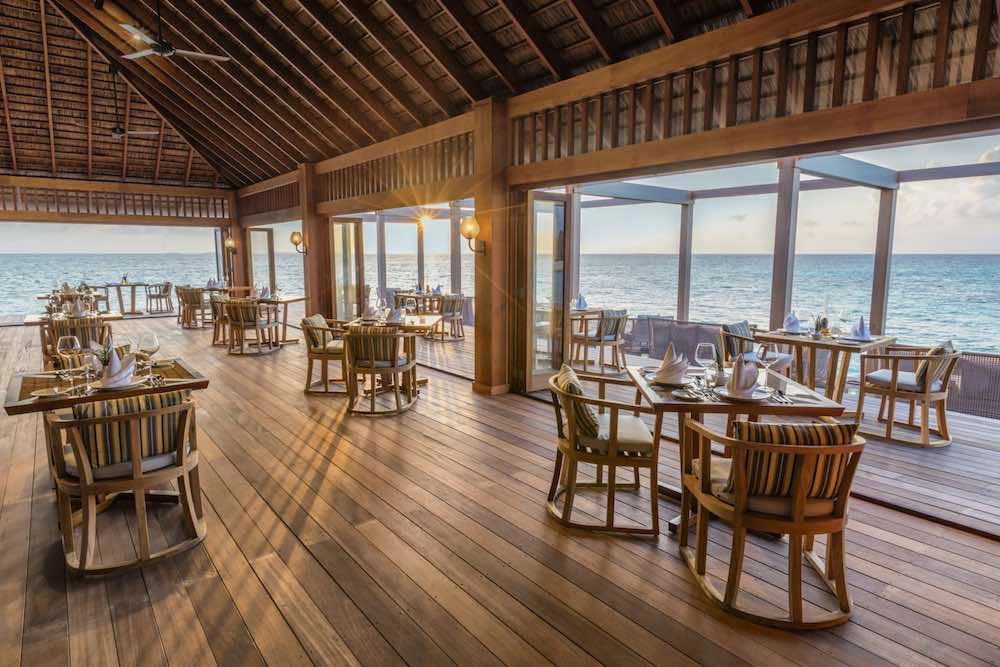
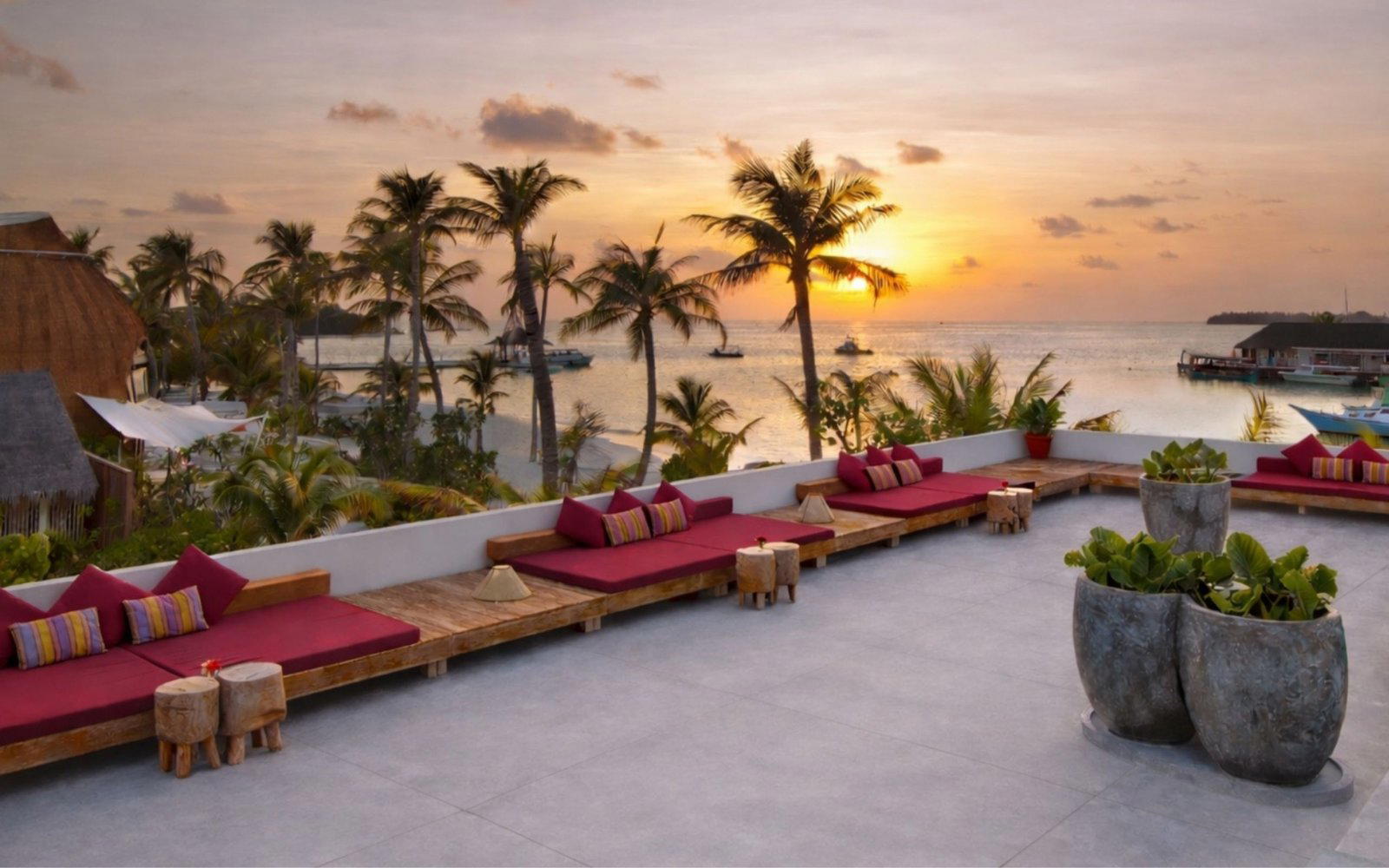
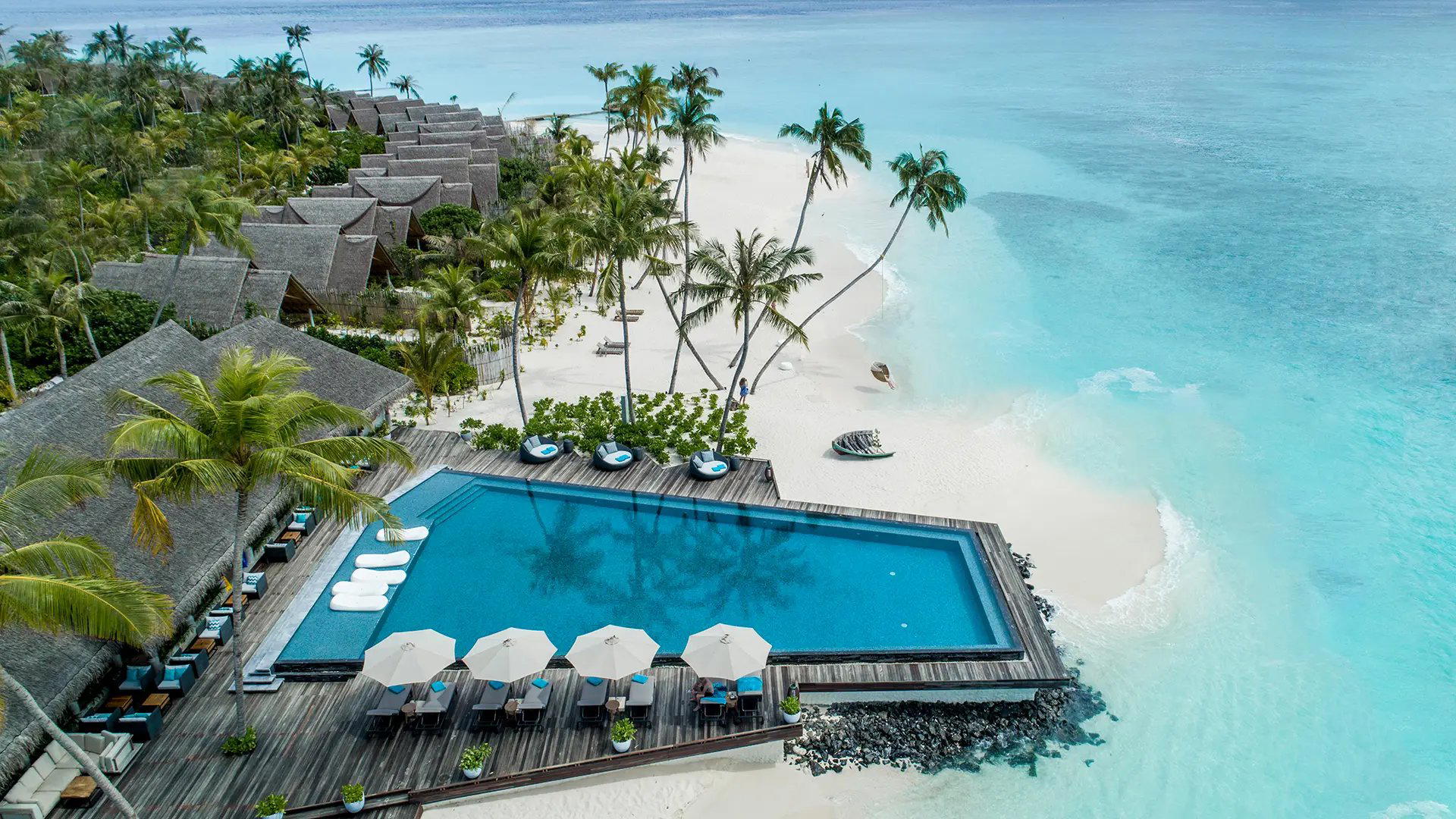
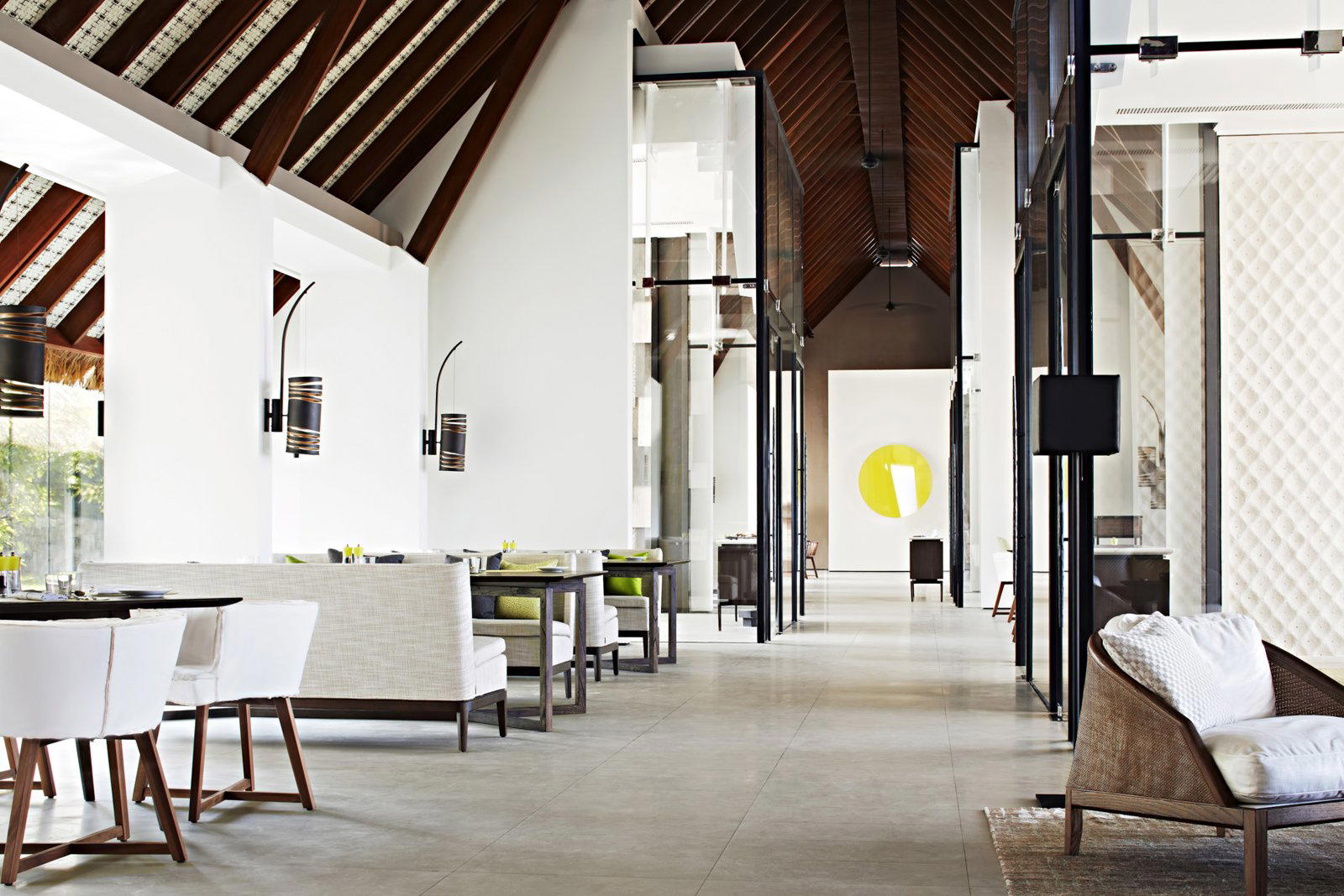
Beachfront, airy indoor-and-ocean-deck setting with themed evenings and live cooking stations; the dining experience is described as lively and scenic, with occasional dolphins visible from outdoor seating.