Our verdict
Boma sits inside the Lake Manyara safari circuit, where dining is shaped less by urban restaurant culture than by proximity to park rhythms, lodge logistics, and regional supply. Its interest lies in the way a meal becomes part of a northern Tanzania travel day: close to wildlife viewing, dependent on seasonal produce routes, and judged against safari-country dining rather than city restaurants.

Pearl is the En Primeur Club membership app — saves, bookings, and concierge access live there. Same editors, same standards.
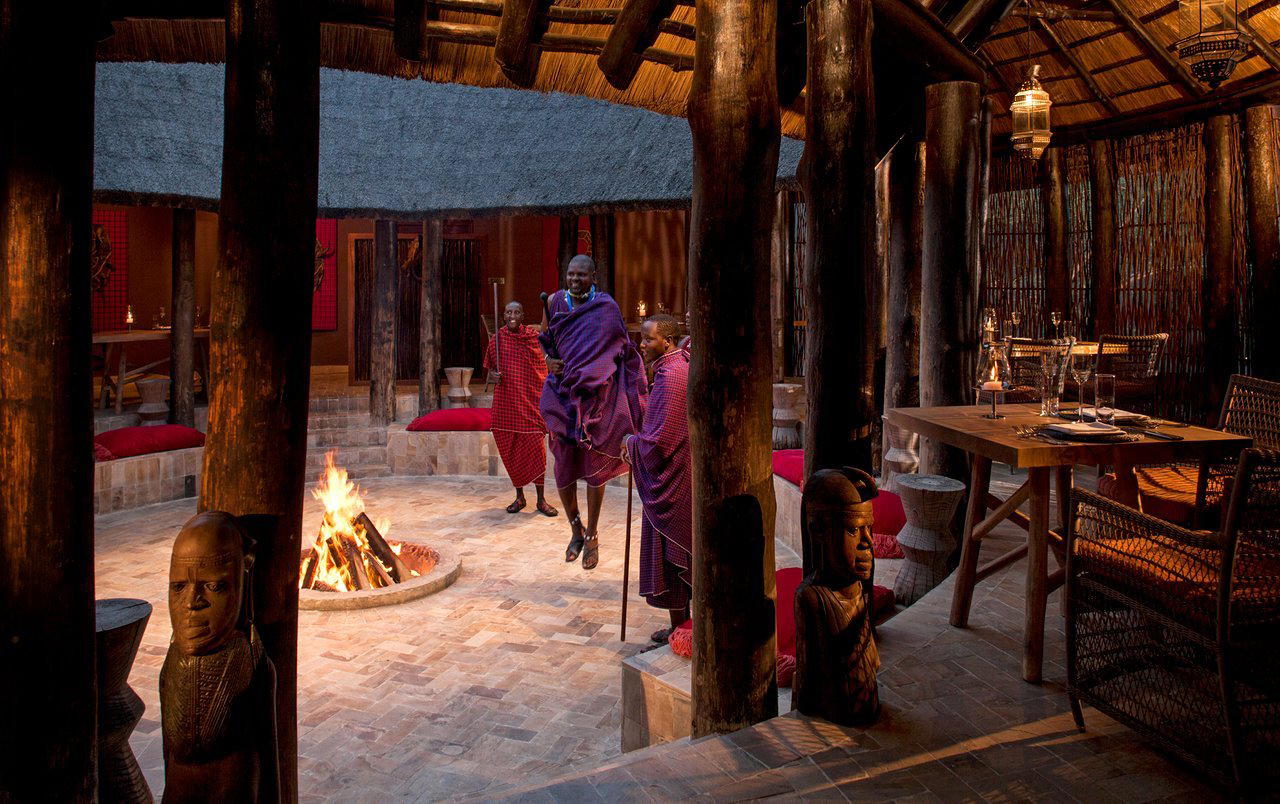
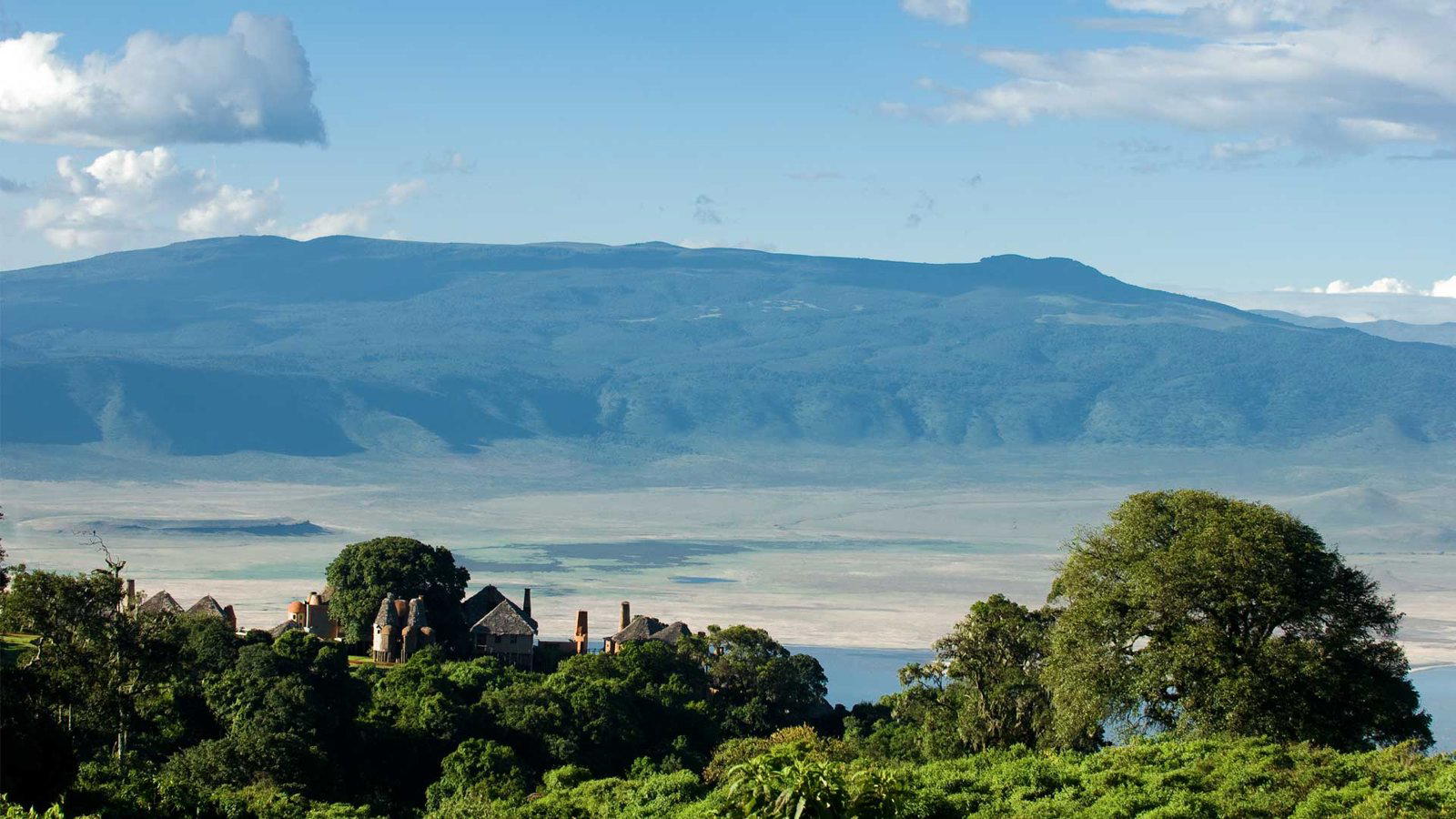
Approaching a meal in Magara changes the usual restaurant calculus. The room is not separated from the travel day; it belongs to a safari-side setting, so the measure of the experience begins with place before menu language or chef narrative. In northern Tanzania, safari dining has to answer a harder question than polish: how does a kitchen feed travellers in a protected-landscape rhythm without pretending it is a city dining room?
That is the useful way to read Boma. Magara is not Dar es Salaam, Zanzibar, or Arusha, and the restaurant context here is shaped by movement between park schedules, lodge routines, and supply routes. Ingredient sourcing matters because distance matters. Fresh produce, grains, meat, and pantry staples in this part of Tanzania travel through a different system from coastal hotel restaurants or urban dining rooms, and menus tend to reflect what can be procured reliably rather than what photographs well on a tasting-menu page.
Lake Manyara dining is about sourcing discipline, not urban theatrics
The stronger safari kitchens in northern Tanzania tend to work within constraints: protected land, variable road logistics, guest itineraries built around game drives, and a clientele that often arrives after hours outdoors. That pushes the food culture toward clarity and dependability. A meal has to be grounded enough to suit the setting, but composed enough to feel intentional. Boma belongs in that category, closer in spirit to park-country dining than to the coastal seafood-and-view template found around island resort areas.
This distinction matters when comparing Tanzania tables. City restaurants operate in metropolitan supply networks, while island venues are often shaped by coastal tourism, spice routes, and seafood demand. Around the northern circuit, the comparison set changes. Garden Buffet Luncheon, Lake Magadi in Ngorongoro, and Boma sit closer to the safari-dining conversation, where timing, provisioning, and format carry as much weight as culinary ambition.
The value is the park context, not a chef-led mythology
Many premium travel restaurants now trade on named chefs, awards, and tightly scripted menus. Boma is better read through a simpler and more honest lens: the draw is context. Magara gives the meal its frame, and that frame changes expectations. Diners should look for a kitchen that understands where it is, uses regional supply intelligently, and avoids importing a city-restaurant performance that would feel out of place beside a safari itinerary.
There is a broader trend here. Luxury travel dining in remote areas has become more serious about locality, but locality is not just a decorative reference to nearby farms or spices. In safari country it means procurement that works over distance, dishes that tolerate variable timing, and service calibrated to travellers whose day may have begun before sunrise. The better meals in this category do not try to outshine the landscape. They make the day feel coherent.
For readers mapping a Tanzania route, Boma fits the Magara portion rather than a standalone detour. Use Our full Magara restaurants guide for the wider dining picture, then cross-check the rest of the trip through Our full Magara hotels guide, Our full Magara bars guide, Our full Magara wineries guide, and Our full Magara experiences guide. The city guides matter because dining decisions here are rarely isolated; they sit inside transfers, park access, and overnight planning.
How to place it inside a Tanzania food itinerary
The sensible comparison is not with urban specialist counters or highly technical city formats, although those references show how different the category is. Boma should be judged through a different lens: a meal attached to place, timing, and a safari corridor. In that context, polish matters less than whether the dining experience feels aligned with the day around it.
That makes it useful for travellers who want the food to support the landscape rather than compete with it. Rather than relying on chef mythology, fixed ranking language, or published price cues, the decision should rest on itinerary fit and appetite for place-led dining. In Magara, that is often the correct hierarchy. The setting sets the tempo; the restaurant succeeds when the sourcing, format, and room understand that the surroundings are not background decoration but the main context.
Frequently asked questions
Is Boma a family-friendly restaurant?
Boma’s setting in Magara suits mixed-age safari groups more naturally than a formal city dining room. The safari-side context makes it a practical stop for families moving through the area.
What is the atmosphere like at Boma?
The atmosphere is shaped by Magara rather than urban theatrics. That usually means a practical, day-to-day dining setting tied to safari movement and the local rhythm.
What's Boma's location?
Magara.
Should I book Boma in advance?
Advance planning makes sense for Boma because it is in Magara, where dining often follows safari schedules. Treat it as part of a planned day rather than a casual city walk-in.
At-a-Glance Comparison
Comparable venues by cuisine and price in the same metro.
| Venue | Cuisine |
|---|---|
| BomaThis venue — the venue you are viewing | Traditional African Boma Dining |
Continue exploring
More in Magara
Restaurants in Magara
All restaurants in Magara →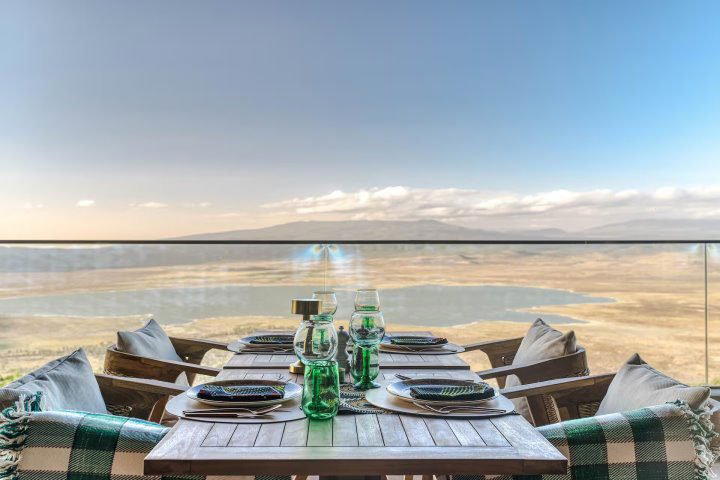
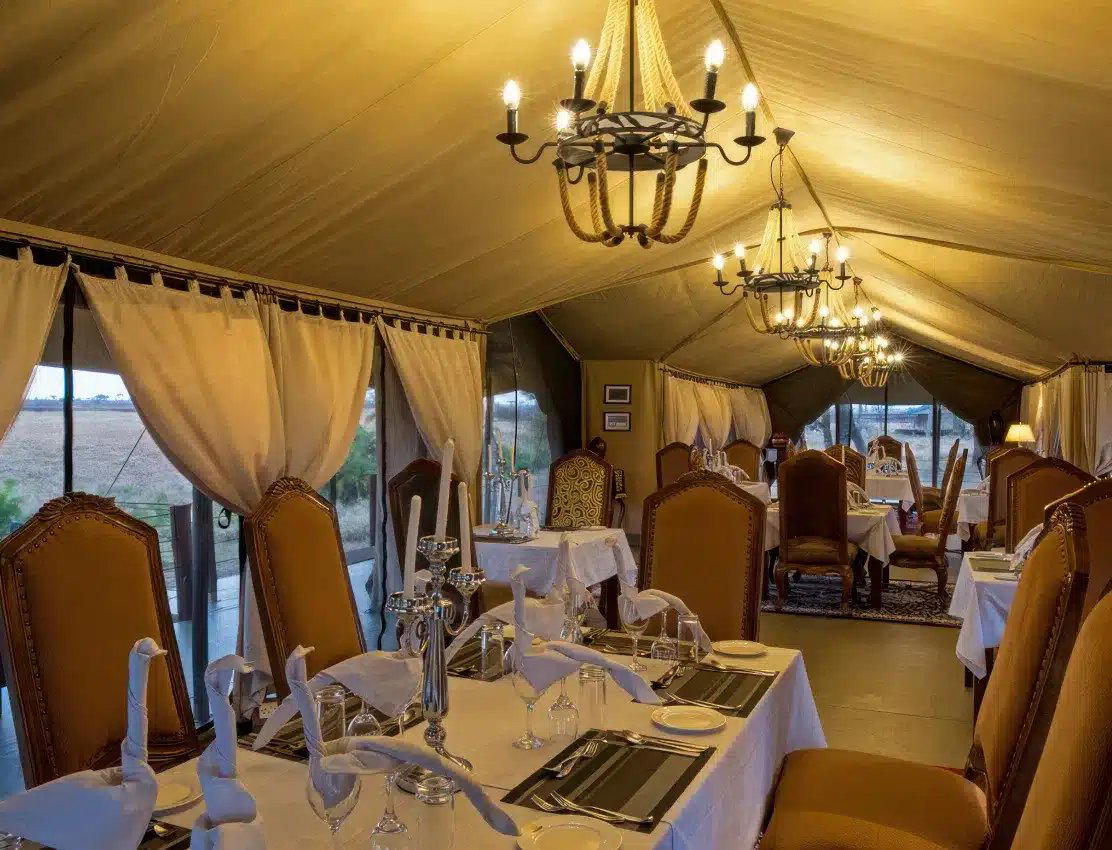
Details
- Rustic
- Scenic
- Cozy
- Group Dining
- Celebration
- Special Occasion
- Design Destination
- Standalone
- Set Menu
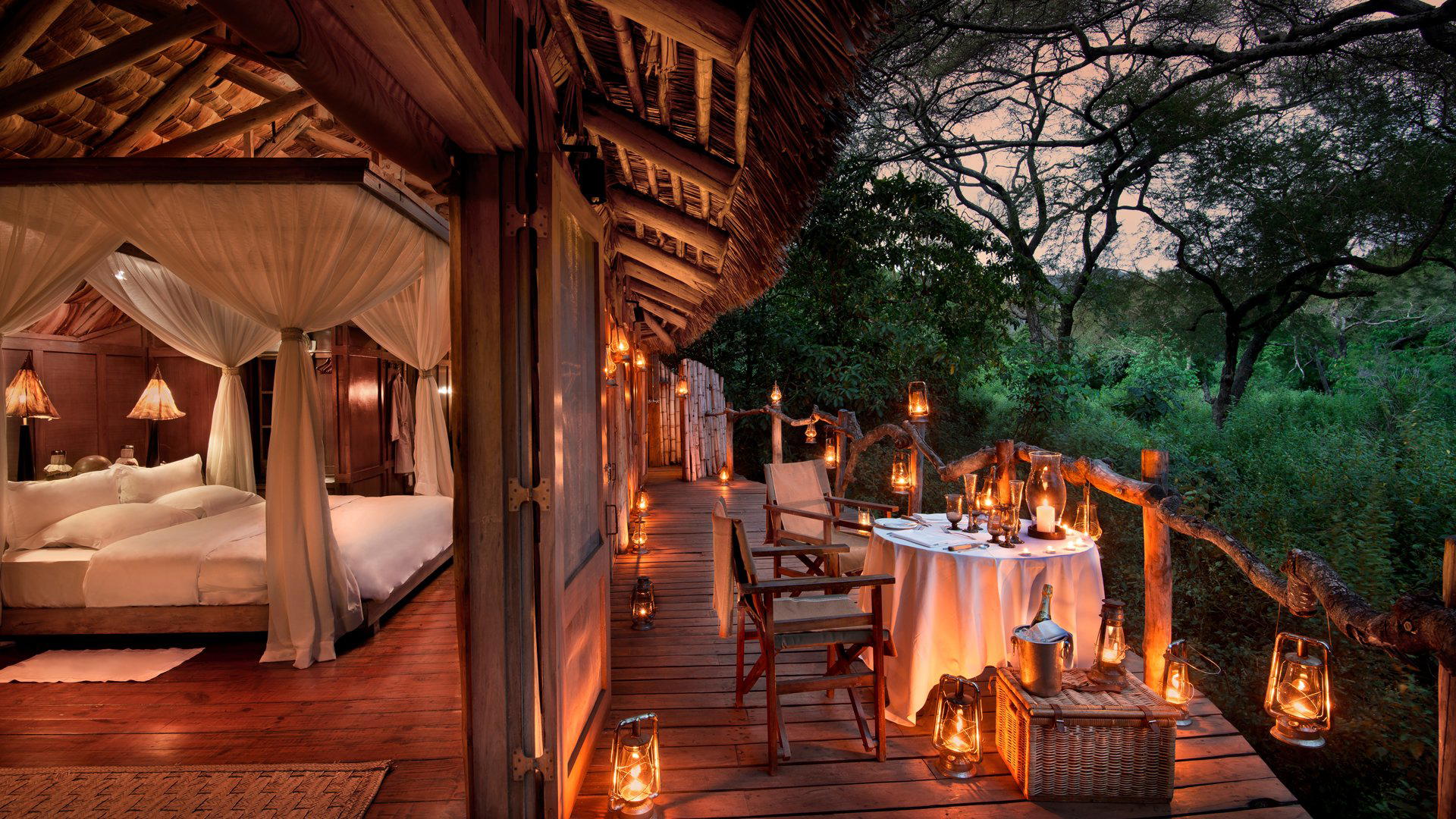
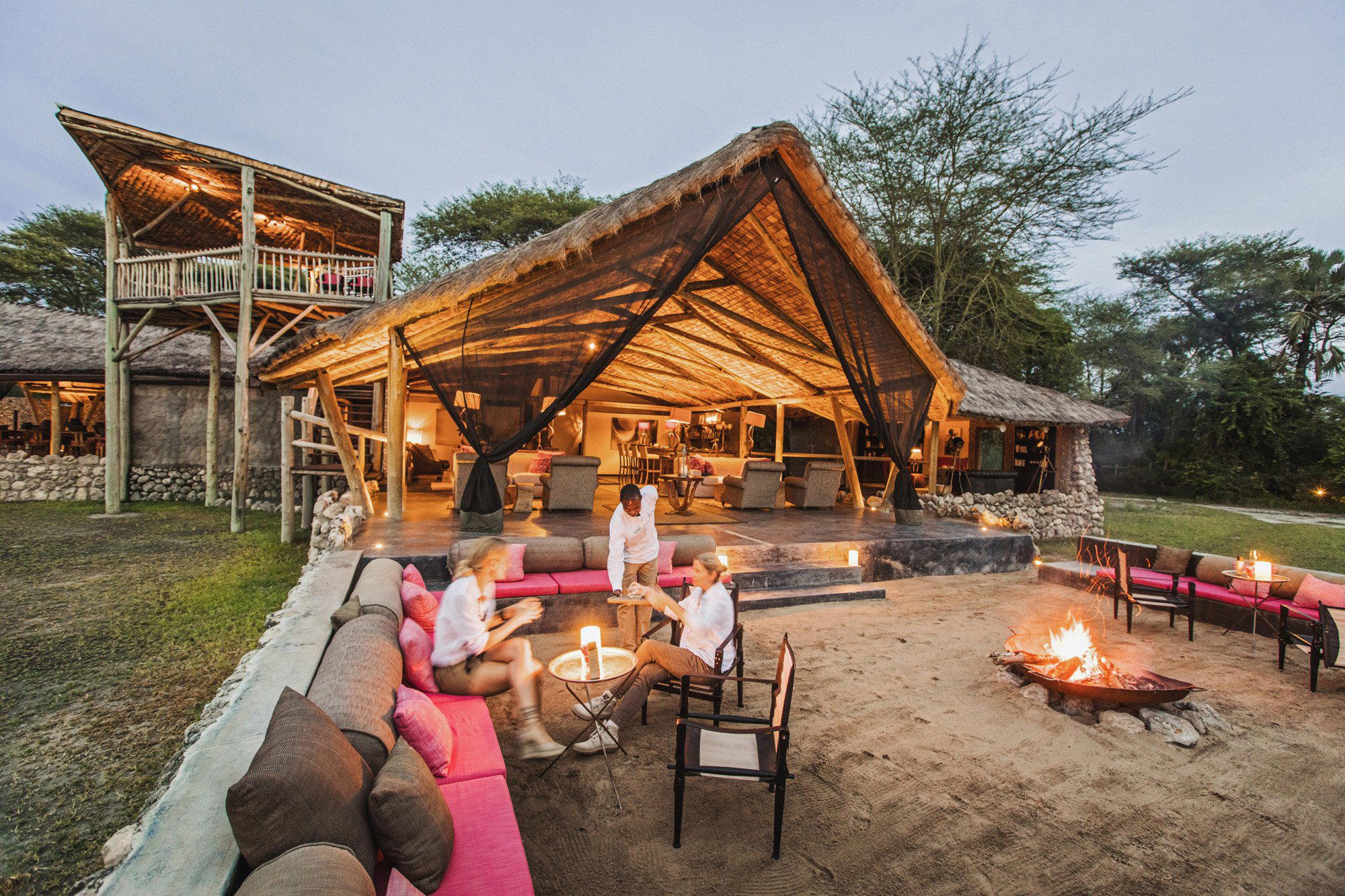
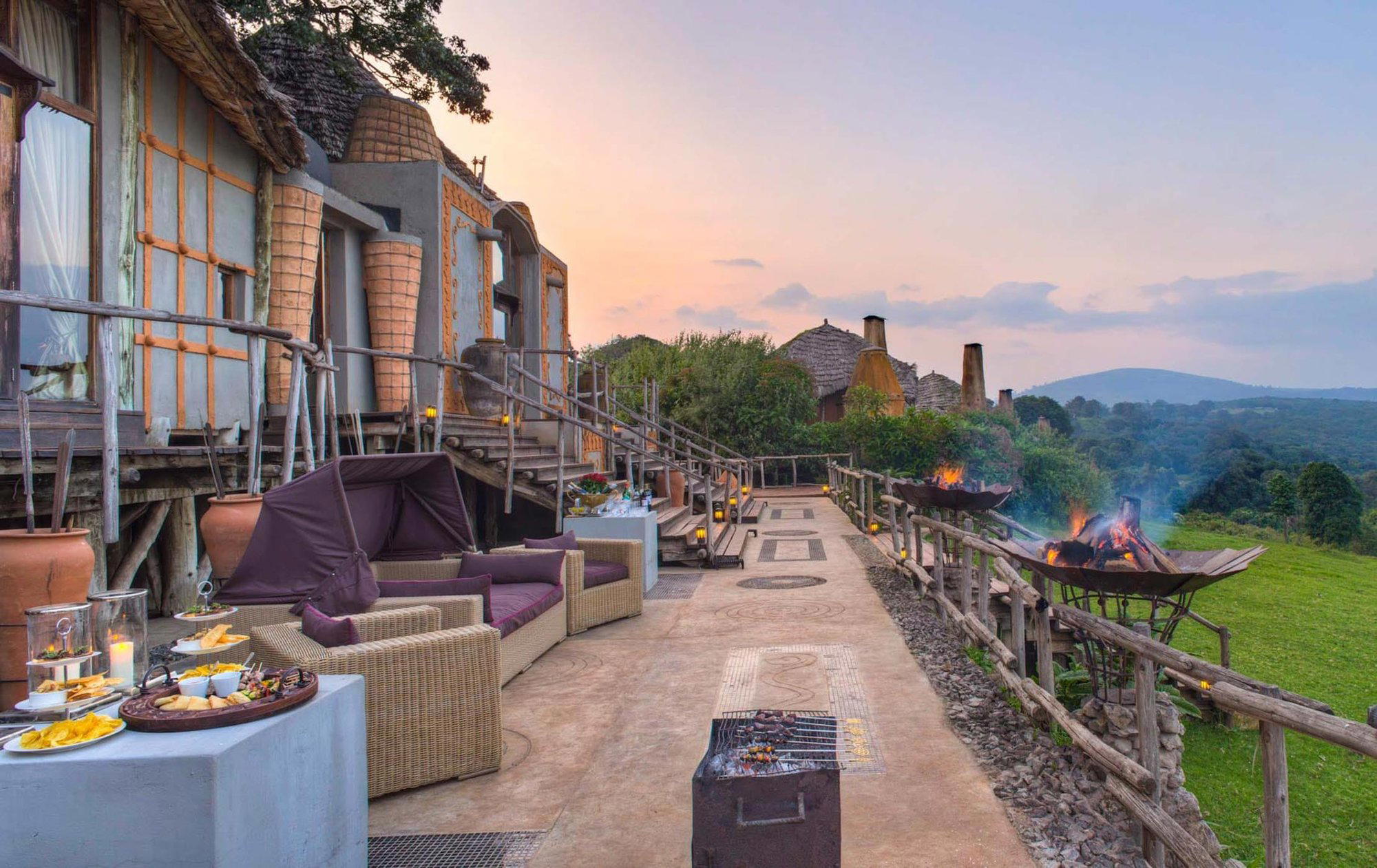
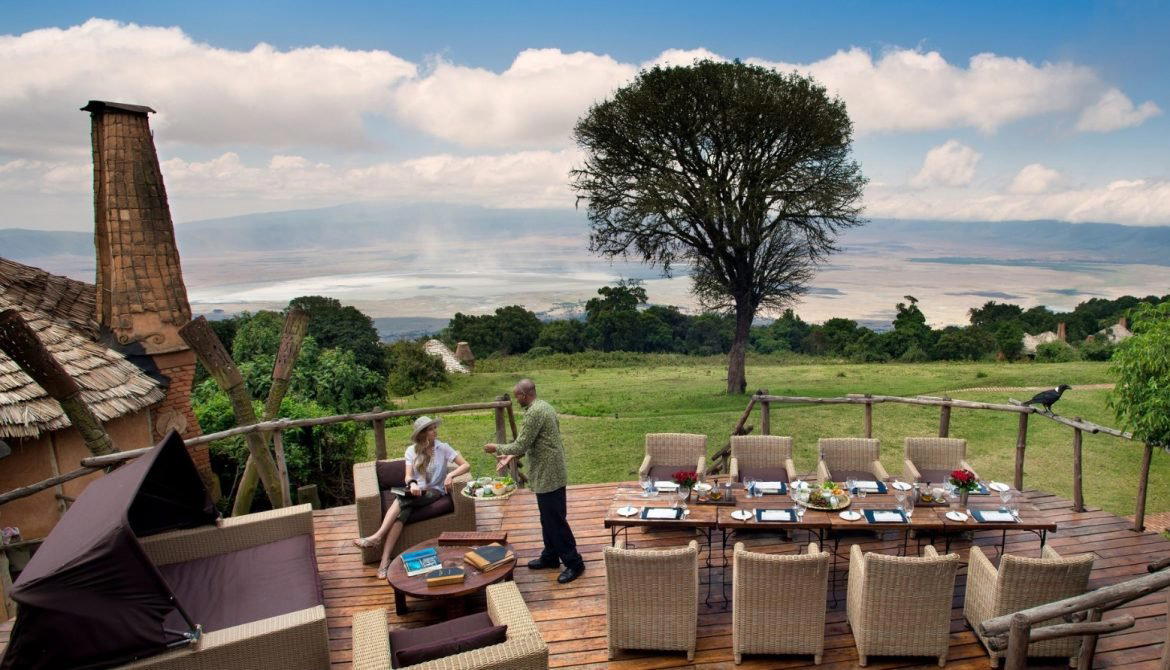
Rustic and atmospheric, centered on an open-air boma with firelight and a starry-night dinner setting.