Bev’s Steak
Bev’s Steak brings a Japanese inflection to the small-town steakhouse format in Black Mountain, with koji-marinated beef and local wagyu shaping the identity more than old-school steakhouse ceremony. The draw is the cut selection: ribeye for fat, strip for structure, filet for softness, and larger-format beef for the table that wants dinner to revolve around the grill.
Pearl is the En Primeur Club membership app — saves, bookings, and concierge access live there. Same editors, same standards.
- Address
- Black Mountain, United States
- Directions
- Get directions
 Saves & bookings on Pearl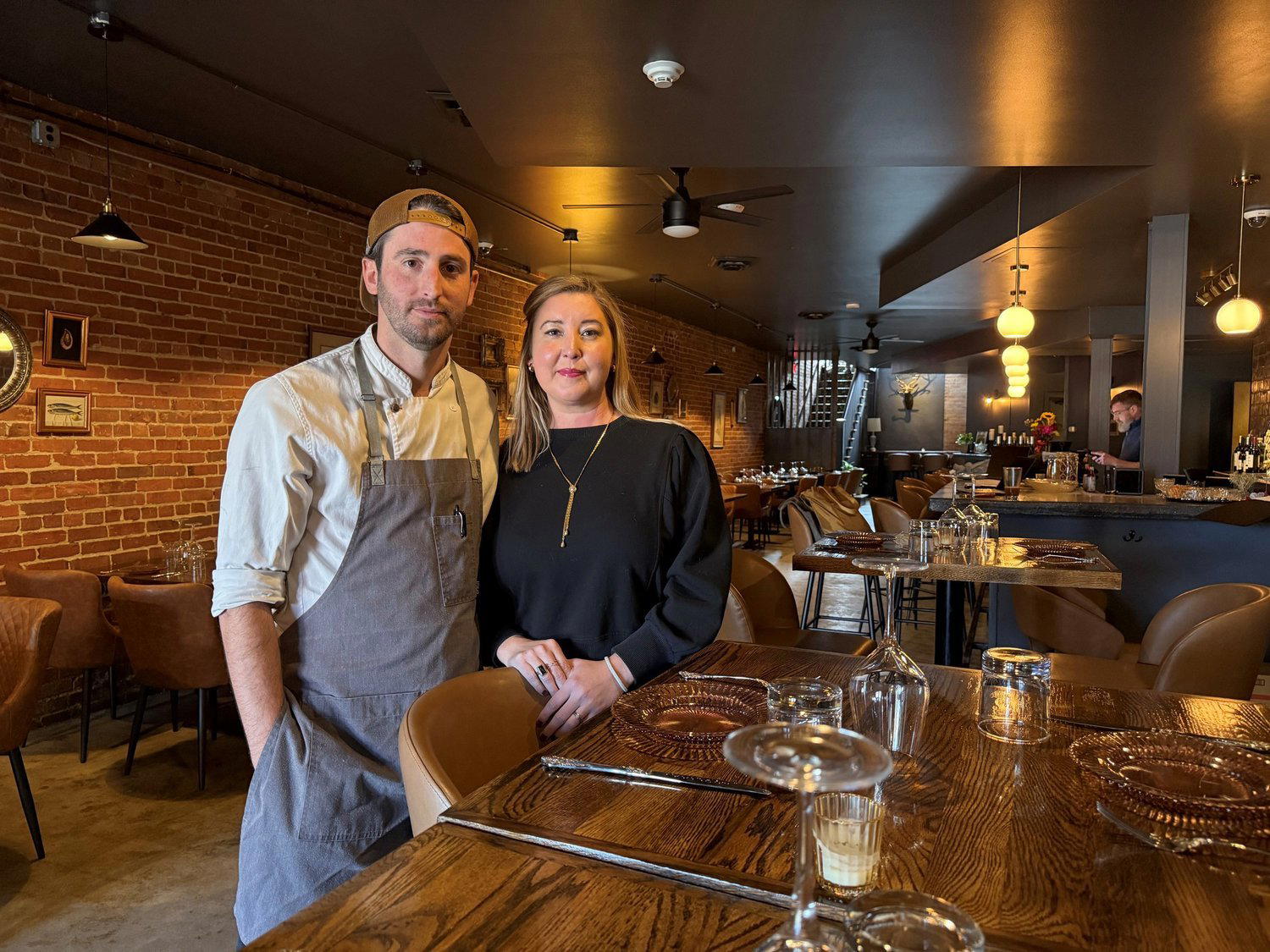
Black Mountain gives a steakhouse a smaller-town frame: dinner can feel more focused, more personal, and less tied to a larger-city playbook. Bev’s Steak reads as a steakhouse with a Japanese bent, where beef remains central and technique changes the conversation. Koji-marinated cuts and local wagyu move attention from the familiar steakhouse script of size, char, and heavy sides toward texture, seasoning, and how fat behaves over heat.
That matters because the modern steakhouse is no longer one format. In larger markets, the category often splits between clubby occasion rooms and chef-led restaurants using steak as one part of a wider menu. Black Mountain gives the idea a different scale: a steak dinner has to work in the rhythm of the town rather than announce itself as a grand urban production. Bev’s Steak sits in that middle ground: recognizably a steakhouse, but not defined only by the heavy visual language of old-school beef temples.
Koji-marinated beef changes how the classic cuts read
Read this kitchen through the premise, not nostalgia. A steakhouse built around koji-marinated beef and local wagyu asks diners to pay attention to fat, seasoning, browning, and texture rather than only portion size. A Japanese bent makes sense in that context: koji can deepen savoriness and tenderize the surface without turning dinner into fusion. With local wagyu in the conversation, the clearest expression of the idea is fat quality rather than brute scale.
Leaner steakhouse cuts, when they appear on a menu, occupy another lane: less cushion, more chew, and a cleaner beef profile, making them a better test of seasoning discipline. In a conventional steakhouse, that kind of order can feel safe. In a kitchen using koji, it is more revealing: too much intervention flattens the mineral snap that makes beef appealing; restraint lets marinade and grill work register without turning the plate sweet or soft.
Tender cuts create the opposite problem. They offer softness before flavor, which is why classic steakhouses often surround them with sauces or luxury garnishes. A Japanese-leaning steakhouse has a better route: use umami, salt, and controlled char to give the beef definition without burying its texture. Tenderness remains a practical preference for diners who want softness, though it is not always the choice that says the most about a beef program.
Large-format cuts, when offered, belong to steakhouse dining’s social side. They suit a table that wants the meal to orbit one shared piece of beef rather than individual plates. The tradeoff is precision: thicker cuts reward patience and a kitchen that understands resting time. They also reveal whether the restaurant is selling theater or technique. In Black Mountain, where the scale is smaller than a corporate steakhouse circuit, technique matters more.
A small-town steakhouse with a Japanese accent, not a costume
The phrase “Japanese bent” can be misused in American restaurants, reduced to a decorative flourish or a familiar label. Here, the relevant signal is koji. Koji is not decoration; it is a fermentation tool central to miso, soy sauce, sake, and mirin. Applied to beef, it can change browning, tenderness, and savoriness. That places Bev’s Steak closer to the national shift toward ingredient-specific technique than the older steakhouse habit of treating beef as a status object.
Local wagyu adds another layer. In the United States, wagyu can mean many things, from full-blood Japanese genetics to domestic crossbreeds raised for higher marbling. Without turning dinner into a breed seminar, the diner’s point is simple: wagyu needs different handling than leaner commodity beef. Its fat melts at lower temperatures and can make oversized portions feel excessive. An intelligent kitchen lets richness carry the plate rather than chasing the largest possible cut.
Black Mountain’s setting helps. The town is not trying to match a larger-city dining scale and does not need to behave like a destination steakhouse district. A steakhouse here can be specific: beef, fermentation, local wagyu, and enough restraint to avoid theme-restaurant drift. For readers mapping a wider trip, broader Black Mountain dining, lodging, drinks, wine, and experience guides can place dinner inside a larger mountain itinerary.
How to order when beef is the point
The ordering logic is simple. Choose richer, well-marbled beef when the point is depth and softness. Choose leaner beef when the priority is a cleaner read on the meat itself. Choose the most tender style when texture matters more than intensity. Choose a larger-format option, if available, when the evening is communal and the table is comfortable letting one piece of meat set the pace. The Japanese influence should not distract from those basics; it should sharpen them.
Vegetable sides and non-beef dishes matter because they decide whether the restaurant functions as a full dinner or only a steak stop. A steakhouse with Japanese technique has room for acidity, pickles, greens, rice, mushrooms, and broths to cut through fat, but the menu should be read on the night rather than assumed in advance. The safest expectation is beef first, supporting plates second.
For broader editorial context, Bev’s Steak fits into a national moment in which new steakhouses are being discussed beyond the old expense-account template. Its specific Black Mountain angle is the combination of steakhouse format, Japanese bent, koji-marinated beef, and local wagyu. For contrast, other dining in Black Mountain can be approached more generally: some rooms will lean casual, some will be more seasonal, and some will serve a different role in a mountain itinerary.
- Koji-marinated steaks
- Caesar salad with tatsoi and aged sheep’s cheese
- French onion soup with soy and 14‑month Comté
- Oysters on the half shell
- Hamachi crudo
- Beef marrow toast with grass‑fed tartare
- Rabbit pie
Comparable venues nearby, for context on price, style, and recognition.
| Venue | Cuisine | Price | Notes |
|---|---|---|---|
| Bev’s SteakThis venue — the venue you are viewing | Japanese-influenced fine dining steakhouse | $$$ | Not listed |
| Dressler's | Contemporary American Steakhouse | $$$ | Cherry |
| Mike Dianna's Grillroom | Coastal Steakhouse & Seafood Grill | $$$ | Timbuck II Shopping Center |
| Asheville Proper | Live-Fire American Steakhouse | $$$ | Downtown Asheville |
| Red Stag Grill | Game-Driven Steakhouse with Appalachian Influences | $$$$ | Biltmore Village |
| Epic Chophouse Raleigh | Premium Steakhouse | $$$ | Leesville Hollow |
Continue exploring
More in Black Mountain
Restaurants in Black Mountain
Browse all →
Bars in Black Mountain
Browse all →





At a Glance
- Cozy
- Elegant
- Intimate
- Sophisticated
- Rustic
- Date Night
- Special Occasion
- Business Dinner
- Wine Cellar
- Historic Building
- Standalone
- Extensive Wine List
- Local Sourcing
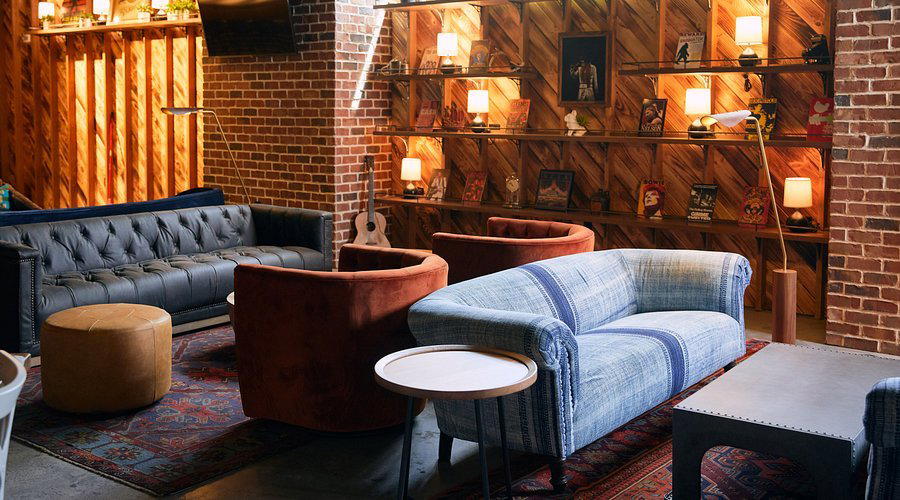
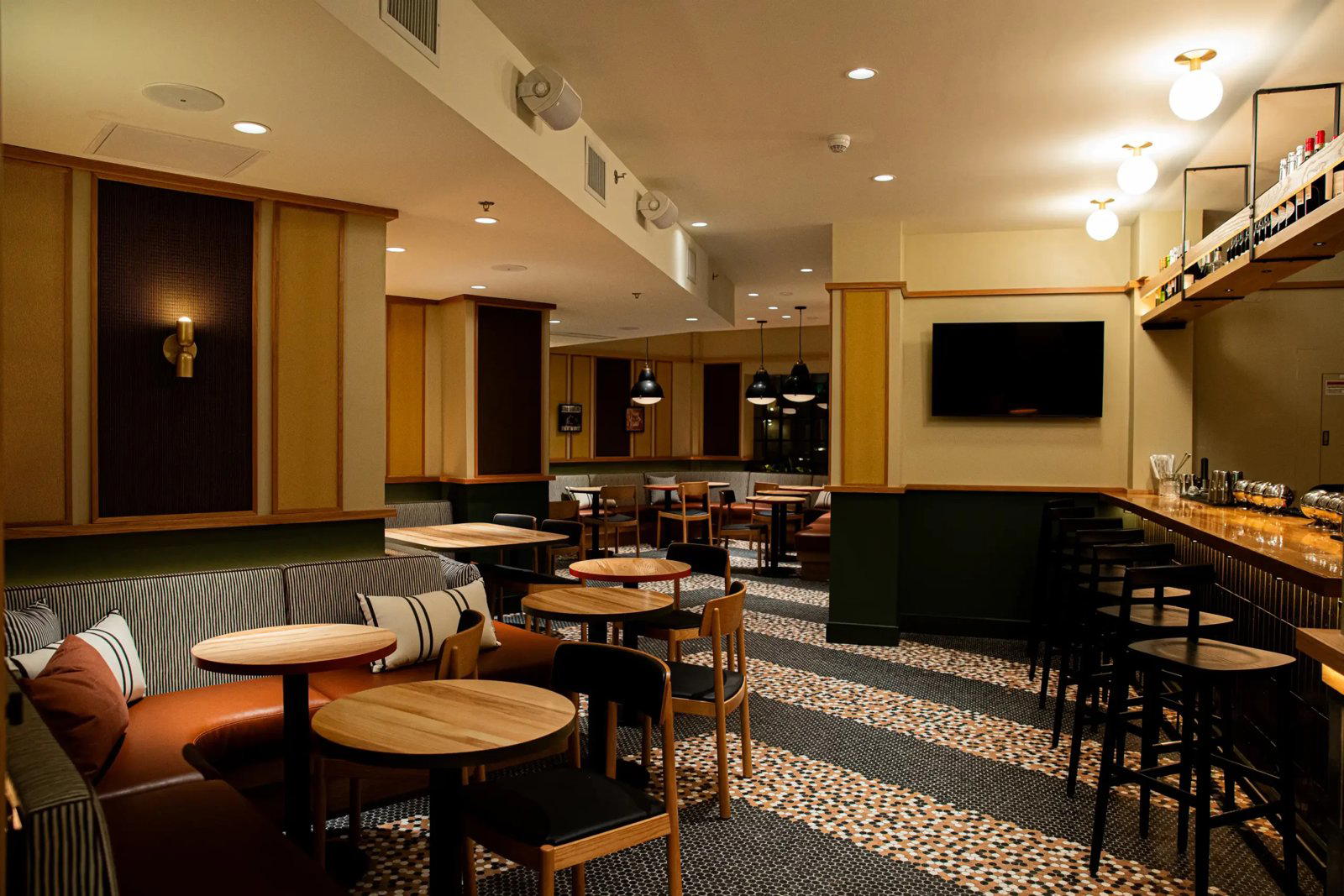
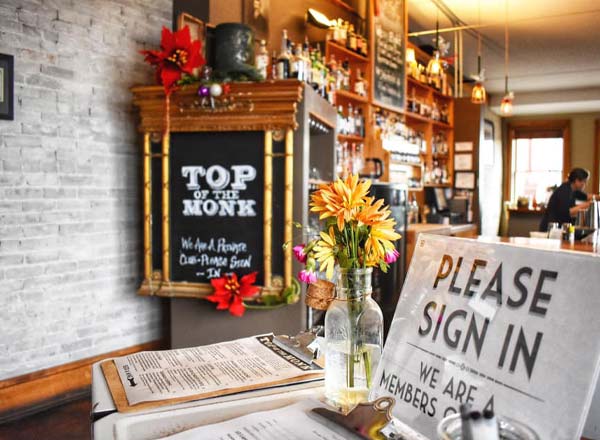
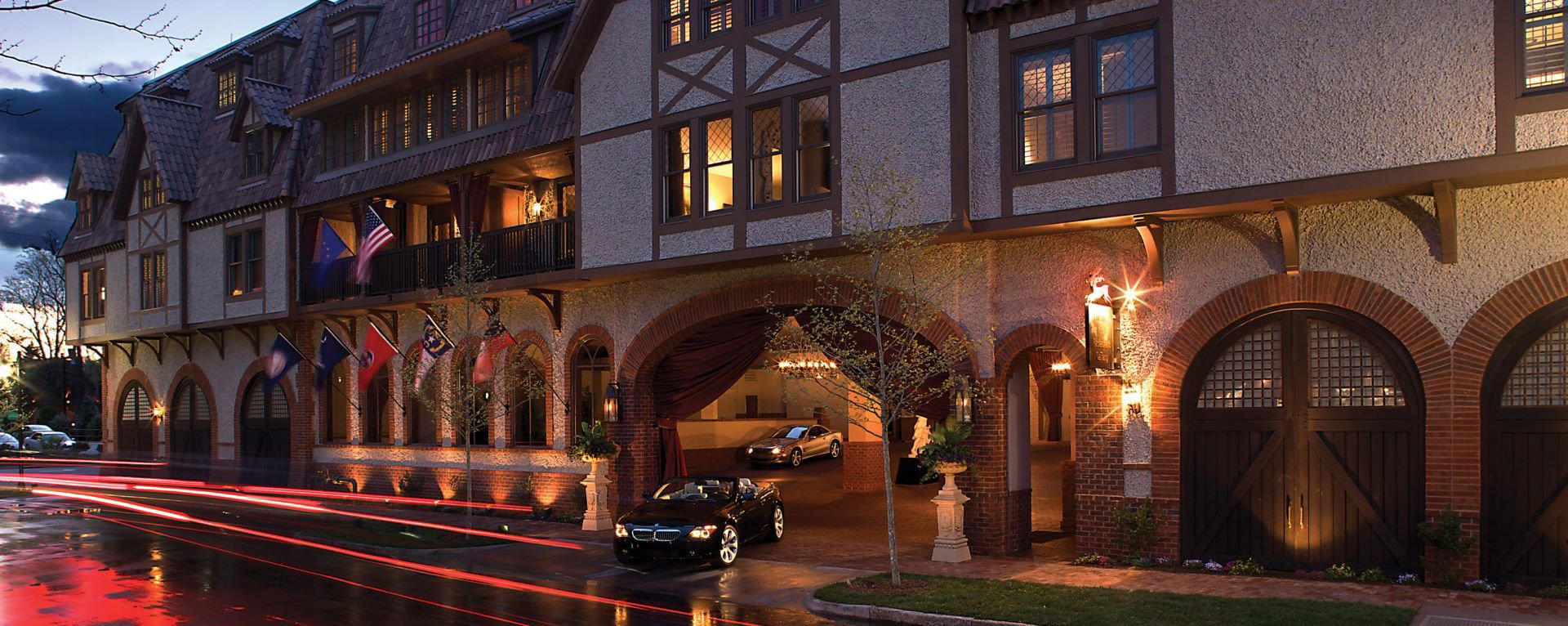
Warm, low, wine-cellar-style lighting against exposed brick with dark wood and leather creates a cozy but refined fine dining atmosphere that feels elegant without being stuffy.
Know Before You Go
- Reservations
- Recommended
- Dress code
- Smart casual