Baiyun sits in Chongqing’s Qijiang District, away from the central dining circuits that shape much of the city’s restaurant conversation. Its value is less about trophy signals and more about how an outer-district address can connect a meal to Chongqing’s market habits, local produce flows, and the region’s appetite for direct, ingredient-led cooking.
Pearl is the En Primeur Club membership app — saves, bookings, and concierge access live there. Same editors, same standards.
- Address
- China, Chong Qing Shi, Qijiang District, Xian Dao, 29号C29中国邮政西北 邮政编码: 401458
- Phone
- +86 23 4820 8022
- Directions
- Get directions
 Saves & bookings on Pearl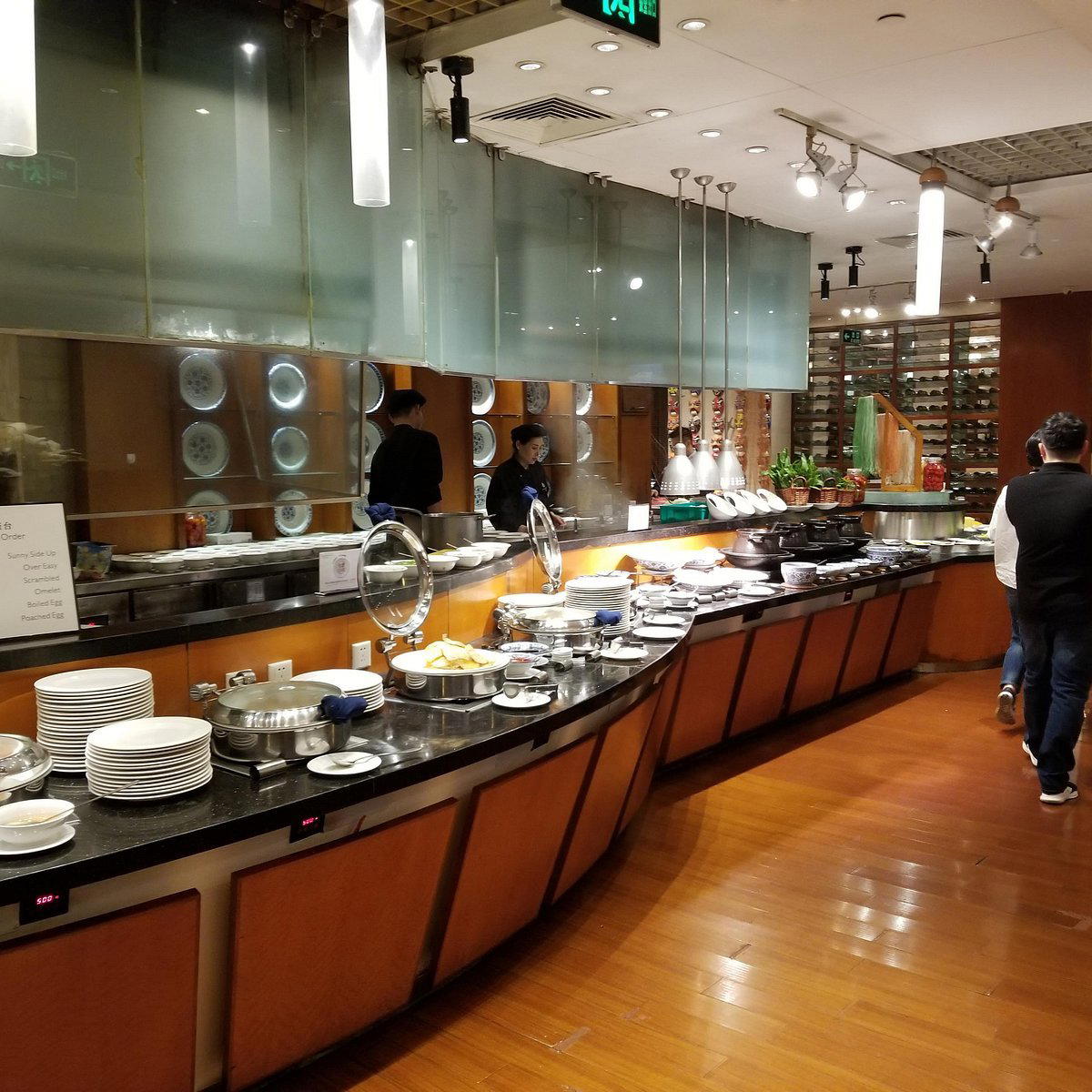
Approaching Chongqing from beyond its most familiar visitor routes, the city changes register. The dense central-city rhythm gives way to a more workaday edge, where meals are often read through proximity: to local habits, to everyday demand, and to the food culture that supports a wide urban appetite. Baiyun belongs to that less polished side of the city’s dining map, a useful counterpoint to the hotel dining rooms, hot-pot addresses, and central restaurants that usually frame Chongqing for visitors.
That matters because Chongqing dining is not only a question of chilli heat. The city’s table is built on movement between local preference, appetite, and the kitchens that interpret them. In the central districts, those traditions are often translated into high-turnover hot pot or banquet formats. Away from the most familiar visitor circuit, the sourcing conversation can feel more direct. The editorial reason to pay attention here is not a public status signal, but the way place changes the likely vocabulary of the meal.
Chongqing gives local cooking a different centre of gravity
Chongqing’s restaurant scene is commonly judged through intensity: red oil, numbing spice, late-night tables, and communal pots. That shorthand is useful, but incomplete. The municipality’s food culture also depends on everyday local preferences, especially outside the core visitor map. A Chongqing setting places Baiyun in a part of the city’s restaurant conversation where the relationship between kitchen and table can feel less mediated by luxury dining codes.
That distinction separates it from better-signposted urban choices. Camellia Seasons and JING · Chinese Restaurant point toward the more composed end of Chongqing dining, while other unnamed dining rooms help show how varied the city’s restaurant category has become. Baiyun’s interest lies in the other direction: a locally rooted lens on Chongqing eating, where the broader question is how the restaurant reads the city around it.
Ingredient-led dining in Chongqing rarely announces itself with the language used in European farm restaurants. It appears through texture, heat management, preservation, and the decision to let a table feel particular rather than merely generic. That is where a less central Chongqing meal can be instructive. The setting makes the restaurant less useful as a status reservation and more useful as a reading of how Chongqing eats beyond its most familiar urban image.
Read it against the city, not against a hotel dining room
The mistake would be to judge Baiyun only by the criteria applied to a polished city-centre room: formal service choreography, a documented biography, or a public hierarchy. Those signals matter when they exist, but they are not the only way to understand a restaurant in Chongqing. Here, the stronger comparison is with the municipality’s habit of building meals around immediacy, appetite, and local rhythm rather than around a tasting-menu script.
For travellers mapping a wider eating route, the smarter move is to treat this as one stop in a broader Chongqing study. The city rewards range: a composed dining room one day, a hot-pot table the next, then a meal away from the most obvious commercial centre that shows how the city reads in another register. The wider directory in our full Chongqing restaurants guide is useful for that triangulation, while our full Chongqing hotels guide, our full Chongqing bars guide, our full Chongqing wineries guide, and our full Chongqing experiences guide help separate central convenience from more local interest.
China’s regional dining map also makes the point. Different cities reward different forms of attention, from polished dining rooms to everyday local tables and more specialised formats. For cross-city context, compare the regional spread through other dining rooms across China rather than treating any one Chongqing address as the whole story. Even farther afield, diaspora formats show how place, supply, and format can reshape Asian dining without erasing its source logic.
Who should make the trip
Baiyun makes sense for travellers who want Chongqing beyond the shorthand: not only heat, spectacle, and central addresses, but the local food culture that gives those clichés their base. It is a stronger fit for curious eaters than for diners seeking a documented fine-dining hierarchy. The reason to go is contextual rather than trophy-driven.
The practical decision is simple. If a Chongqing itinerary is built around central hotels, tight transfers, and a short restaurant list, Baiyun requires intent. If the trip has room for a wider read of the municipality, the restaurant becomes part of the argument. Baiyun is not the whole story of Chongqing dining, but it points to the part that many visitors miss when they stay only with the most familiar city-centre routes.
At a Glance
- Modern
- Quiet
- Classic
- Business Dinner
- Family
- Group Dining
- Hotel Restaurant
Hotel-restaurant atmosphere with a practical, service-oriented feel rather than a destination-dining setting.
Know Before You Go
- Reservations
- Walk in friendly
- Getting there
- China, Chong Qing Shi, Qijiang District, Xian Dao, 29号C29中国邮政西北 邮政编码: 401458