Our verdict
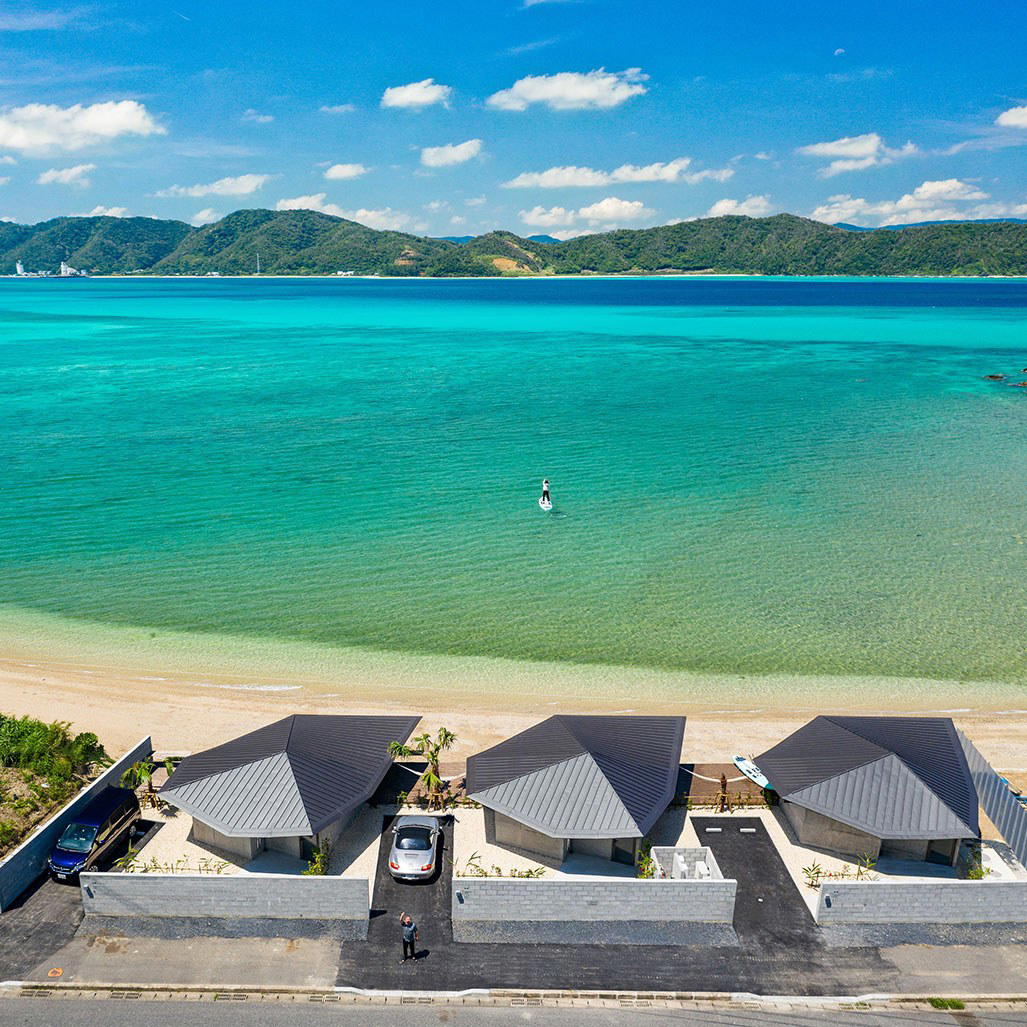
Amanari belongs to the quieter side of Tatsugo dining, where island context matters more than metropolitan performance. The draw is its position on Amami Oshima’s coast: a meal here should be read through local sourcing, small-community rhythms, and the contrast between resort demand and everyday island cooking.

Pearl is the En Primeur Club membership app, where members save venues, book tables and use the concierge.
The menu
What to order
- Creative omakase-style modern Japanese dinner course
- Kagoshima black beef sirloin
- Local Amami seafood preparations
That context matters because sourcing on Japan’s outer islands is never decorative. Supply chains are shorter in some places and harder in others. Seafood may be local, while specialist produce, wine, dairy, and imported pantry goods can depend on ferries, air freight, and price sensitivity. The island sits closer in spirit to the Ryukyu arc than to central Honshu’s polished restaurant corridors. A restaurant here does not need to be read through a mainland celebrity model to be useful; it needs to show how the island eats when distance is part of the pantry.
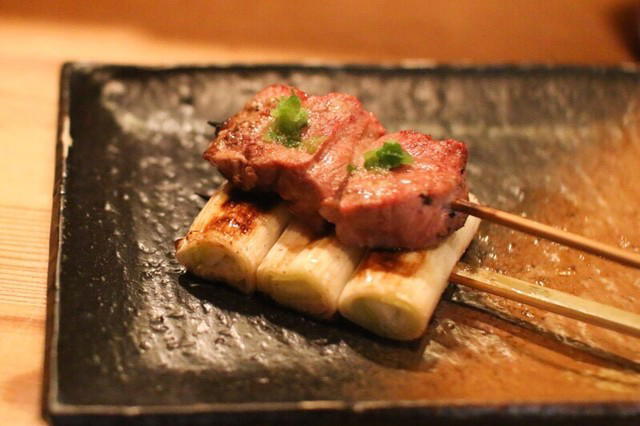
Amanari’s value is not measured against a different category such as okas. Nor is it chasing the same function as La Fonte or Tori Shige. Those comparisons show how broad Japan’s dining map becomes beyond large cities: casual meals, locally rooted rooms, resort-adjacent restaurants, and island kitchens answer different needs.enprimeurclub. In island restaurants, sourcing and season often matter more than a branded plate. Amami’s subtropical climate gives the kitchen different inputs from mainland Japan, while the surrounding sea can shape what feels natural on the table even when an exact menu is not public. That uncertainty is part of the region’s practical food culture. Menus on smaller islands follow what can be obtained well, not what photographs cleanly for a national audience. Michelin-style attention and international lists cluster around large cities, major resort zones, and restaurants with public-facing tasting formats.
Travelers comparing Amanari with mainland or international Japanese dining should keep category discipline. Mainland specialty rooms belong to traditions with different expectations. Urban counters and city restaurants often define themselves by format, ingredient, or cuisine label. Casual cafes and concept-led rooms in larger markets can be easier to summarize because the category is the brand. This is not for stacking three venues in one night. It is for choosing one dinner after a beach day, coastal drive, or low-key afternoon around the island’s natural sites.
That distinction matters against destination dining elsewhere in Japan. Some restaurants are built around a specialist identity; others sit where design, seasonality, and reservation culture shape expectations; still others answer more direct cravings. Island dining is less about category satisfaction and more about reading the place accurately.
For international travelers, separate Japanese food abroad from food in a remote Japanese region. Overseas interpretations of Japanese drinking and casual eating serve a different audience and context. In Amami, the frame reverses: the traveler adapts to local scale, local access, and the fact that not every worthwhile restaurant announces itself through chef biography, awards, or elaborate menu language.
The practical judgment is simple. Travelers chasing a named tasting-menu format may find the island’s quieter cues understated. Travelers interested in how geography shapes what arrives at the table will understand the appeal.
For wider Japan planning, the contrast with urban, mountain, and island restaurants is instructive: each asks a different question of the traveler.
Frequently asked questions
Is Amanari good for families?
Amanari can be workable for family schedules when the day is already centered on Tatsugo. The Tatsugo location also suits travelers staying in Tatsugo.
How would you describe the vibe at Amanari?
Amanari reads as a practical island dining stop in Tatsugo rather than a formal city room. The rhythm points to a relaxed pace anchored in local travel rather than a set tasting-menu format.
Is Amanari open every day?
Check Amanari’s current schedule before going, especially when planning around island travel, ferries, weather, or a longer Amami Oshima itinerary.
Where do I go for Amanari?
Tatsugo.
What makes Amanari worth seeking out?
Amanari gives diners a fixed point in Tatsugo, Japan, on Amami Oshima, where location matters as much as the meal. Its Tatsugo setting makes it a useful choice for exploring the island on a flexible schedule.
Quick Comparison
Comparable venues by cuisine and price in the same metro.
| Venue | Cuisine | Price | Notes |
|---|---|---|---|
| AmanariThis venue (the venue you are viewing) | Modern Japanese with Seasonal Amami Ingredients | $50–100 | Not listed |
| La Fonte | Not listed | Not listed | JPY 999 |
| Tori Shige | Not listed | Not listed | JPY 6,000 - JPY 7,999 |
| okas | Not listed | Not listed | JPY 20,000 - JPY 29,999 View spending breakdown |
Continue exploring
More in Tatsugo
Restaurants in Tatsugo
All restaurants in Tatsugo →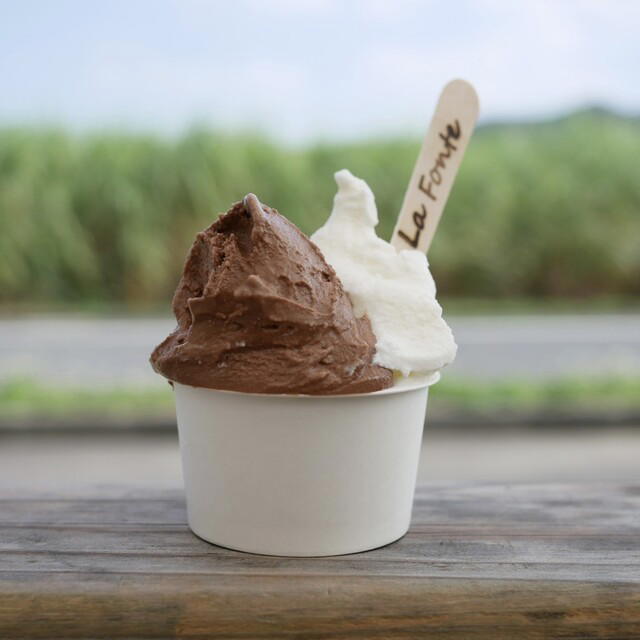
Details
- Elegant
- Modern
- Scenic
- Romantic
- Intimate
- Date Night
- Special Occasion
- Celebration
- Group Dining
- Family
- Business Dinner
- Waterfront
- Design Destination
- Hotel Restaurant
- Local Sourcing
- Farm To Table
- Sustainable Seafood
- Waterfront
- Set Menu
- Buffet
- Tasting Menu
- Sake
- Wine
- Beer
- Pescatarian Friendly
Current opening hours
- Monday
- 11:30 AM–2 PM, 6–10 PM
- Tuesday
- 11:30 AM–2 PM, 6–10 PM
- Wednesday
- 11:30 AM–2 PM, 6–10 PM
- Thursday
- 11:30 AM–2 PM, 6–10 PM
- Friday
- 11:30 AM–2 PM, 6–10 PM
- Saturday
- 11:30 AM–2 PM, 6–10 PM
- Sunday
- 11:30 AM–2 PM, 6–10 PM
Hours can change for holidays and private events. Hours as of .
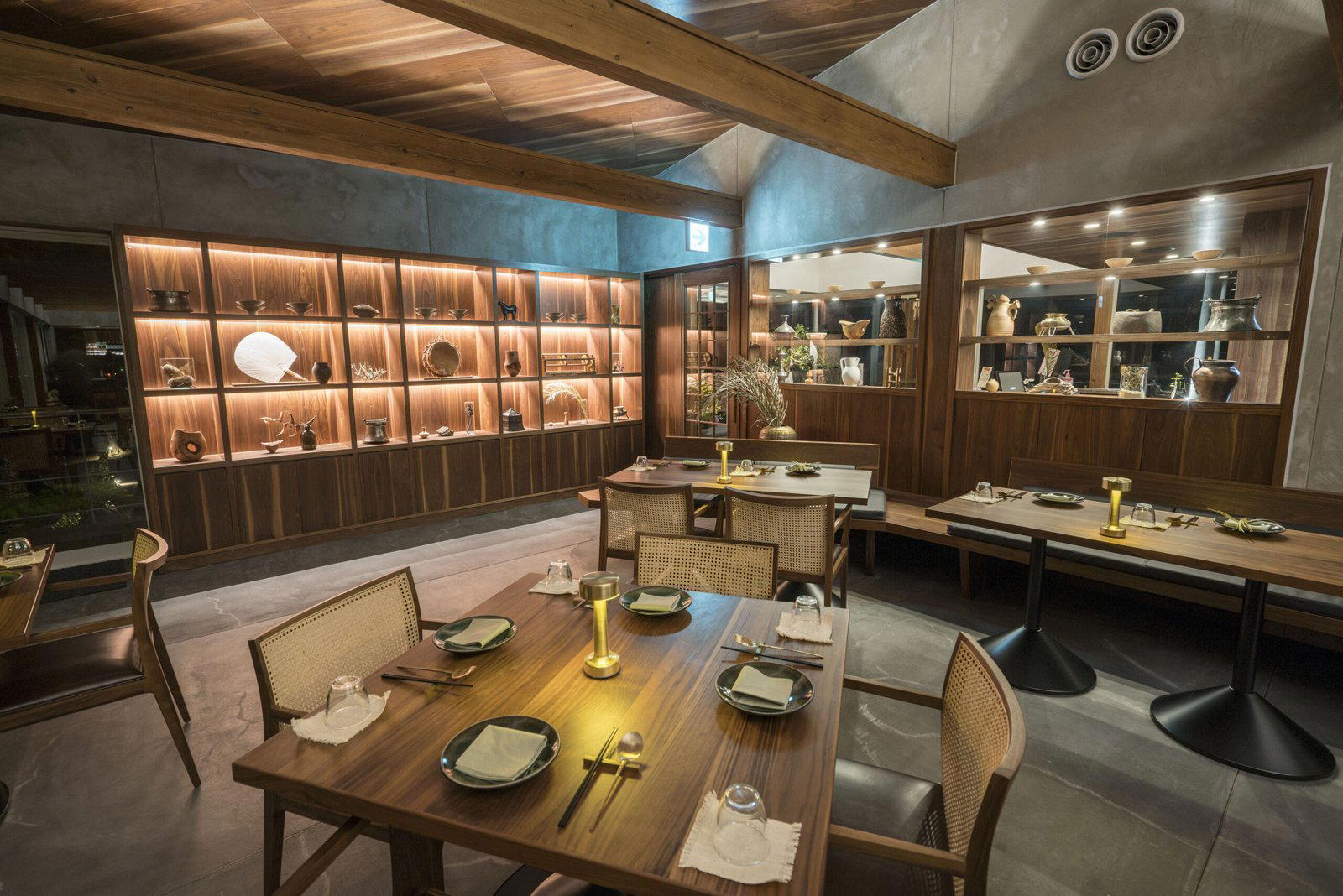
Calm, refined resort dining room with clean modern design, soft lighting, and large windows framing the sea, creating a relaxed yet special-occasion feel.