Our verdict
Alto Las Leñas Restaurant belongs to a Cachapoal dining context shaped by foothill agriculture, vineyard traffic, and Chile’s central-valley larder rather than metropolitan tasting-menu theater. The draw is the setting: Machalí sits close to mountain terrain and wine country, so the meal reads through place, produce, and route planning as much as through any formal culinary label.

Pearl is the En Primeur Club membership app, where members save venues, book tables and use the concierge.
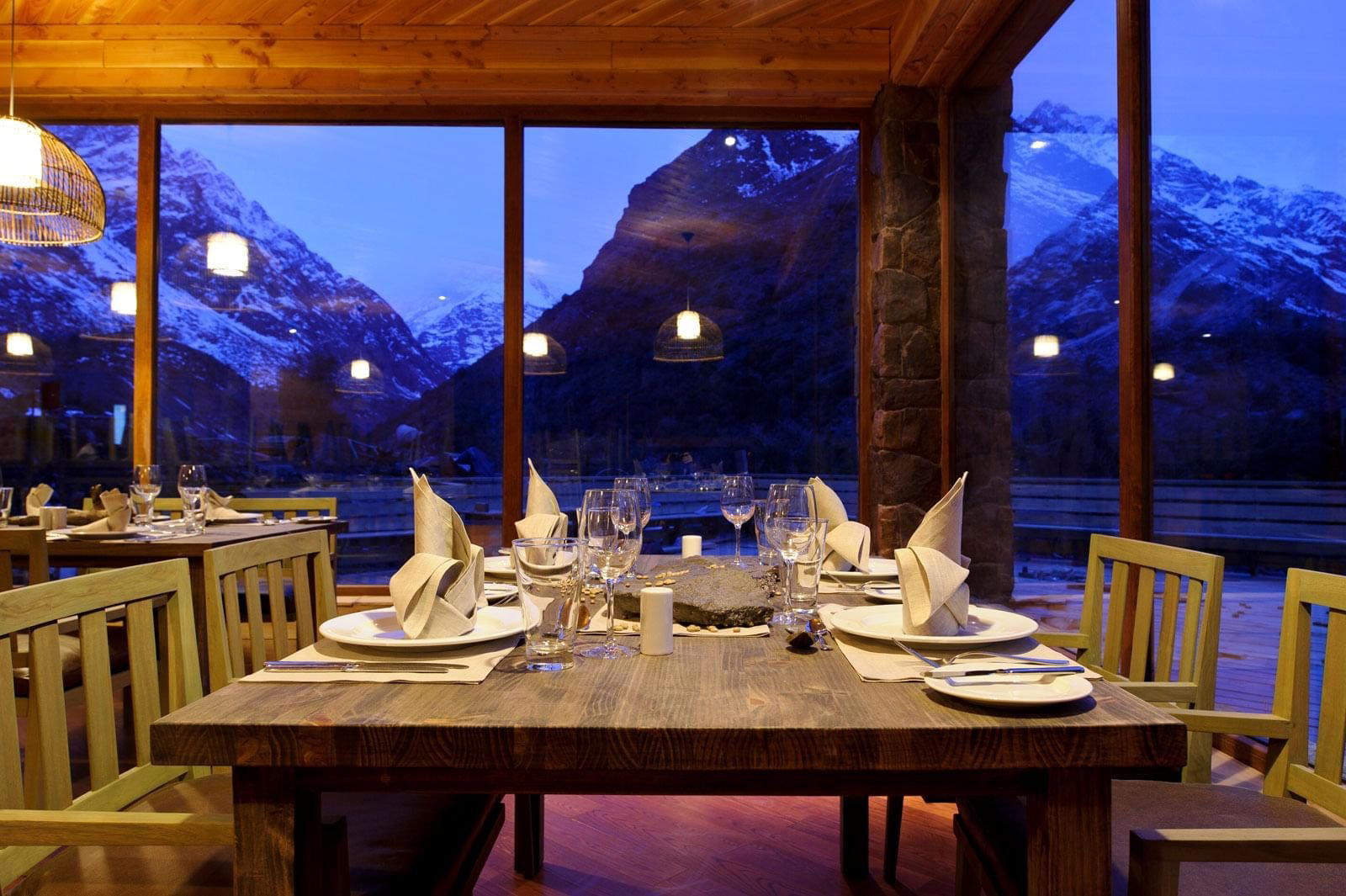
Approaching Cachapoal changes the expectations around a meal. The valley floor is agricultural, the roads begin to lean toward rural country, and the dining conversation shifts away from city polish toward what central Chile grows, grills, ferments, and pours. Alto Las Leñas Restaurant sits in that frame: not as a city-style room transplanted into the countryside, but as part of the quieter food culture that forms where vineyards, ranch land, orchards, and regional routes overlap.
Cachapoal rewards diners who think about origin before plating. This is one of Chile’s key wine-country corridors, particularly associated with structured reds from the broader Rapel Valley, and restaurants here are judged differently from urban dining rooms. Ingredient sourcing matters because the geography is legible: meat, seasonal vegetables, fruit, herbs, and local bottles do not need a heavy concept to make sense. The stronger country restaurants in this part of Chile tend to work when they respect that directness rather than disguising it.
Foothill dining in a valley built around farms and vineyards
The central-valley table has always been practical before it is decorative. Fire, bread, salads, stews, preserved elements, and generous wine service form a regional grammar that predates the current interest in provenance. Around Cachapoal, that grammar gains a rural edge: the landscape is not scenery alone, it helps define temperature, growing conditions, and the way visitors move through the area. Alto Las Leñas Restaurant is useful to read through that wider pattern, especially for travellers pairing a meal with Cachapoal’s wineries rather than treating lunch or dinner as a separate event.
That distinction matters. In major cities, a restaurant often competes through chef identity, design, and reservation pressure. In Cachapoal, the stronger question is whether the meal feels grounded in the valley. A room can be ambitious without importing a metropolitan script. The region’s advantage is proximity to raw material: vineyards within reach, rural producers nearby, and a dining culture comfortable with the weight of grilled or slow-cooked food. When a restaurant in this setting succeeds, it usually does so by letting those conditions stay visible.
For a nearby point of comparison within the Cachapoal edit, Quincho sits in the same broader regional conversation: country dining where setting, fire, and local rhythm carry as much editorial weight as formal cuisine labels. The useful comparison is not a ranking but a category cue. This is a part of Chile where the restaurant decision often belongs inside a day built around driving distances, cellar visits, and changing light across the valley.
Why sourcing carries more weight here than menu language
Alto Las Leñas Restaurant does not need a declared cuisine type to be understood. In Cachapoal, the context supplies much of the vocabulary. Central Chile’s agricultural belt gives restaurants access to produce and protein that travel poorly as ideas but read clearly on the table: seasonal vegetables, orchard fruit, pulses, grilled or slow-cooked dishes, and wines with enough structure for smoke, fat, and salt. The point is not novelty. The point is whether the kitchen’s choices feel aligned with the territory.
This is where rural Chilean dining can be more persuasive than a formal tasting format. A vineyard-adjacent restaurant that overcomplicates itself risks losing the valley. A grounded one can make sourcing feel obvious without turning it into a slogan. For travellers used to destination restaurants built around awards, Cachapoal asks for a different measure: place coherence, produce logic, and whether the meal fits the pace of a wine-country day.
That also explains why planning around the wider region is sensible. The restaurant is in Cachapoal, and the surrounding circuit is better treated as a regional itinerary than a single stop. Use our full Cachapoal restaurants guide for nearby dining context, then build the rest of the trip through our full Cachapoal wineries guide, our full Cachapoal hotels guide, our full Cachapoal bars guide, and our full Cachapoal experiences guide.
How it fits into a Chile itinerary
Chile’s dining map changes sharply by region. Major cities support compact, chef-led rooms, while coastal dining often pulls the conversation toward seafood and Pacific supply. Farther north, the restaurant context can reflect desert logistics and altitude; southbound, the emphasis often moves into lake, forest, and expedition territory.
Cachapoal occupies a different lane: accessible wine country with a rural food culture that benefits from restraint. Alto Las Leñas Restaurant is therefore a stronger fit for travellers who want the meal to belong to the valley rather than interrupt it. International add-ons and city dining serve a different purpose; here, the better lens is Chilean central-valley appetite, wine-country pacing, and the pleasure of food that does not need to announce itself too loudly.
Frequently asked questions
Would Alto Las Leñas Restaurant be comfortable with kids?
Those details are not published. For families, that usually works better for older children and slower-paced meals. Check the venue's official channels for the latest details.
What kind of setting is Alto Las Leñas Restaurant?
Alto Las Leñas Restaurant sits in Cachapoal, which places it in a valley context rather than a dense urban dining strip. That location usually means a more landscape-led meal, with the setting doing part of the work.
Where do I go for Alto Las Leñas Restaurant?
Cachapoal.
How hard is it to get a table at Alto Las Leñas Restaurant?
No booking policy is listed in the public record, so the safest read is to treat Alto Las Leñas Restaurant as a place that merits advance planning. Its location in Cachapoal points to a destination meal, not a spontaneous walk-in. Check the venue's official channels for the latest details.
What do critics highlight about Alto Las Leñas Restaurant?
Critics would focus first on the Cachapoal context: Alto Las Leñas Restaurant sits in a region where local produce and valley cooking carry more weight than menu slogans. Its Cachapoal setting gives it a clear sense of place.
How does Alto Las Leñas Restaurant handle allergies?
Those details are not published. Its Cachapoal location helps identify the specific venue when communicating requirements. Check the venue's official channels for the latest details.
Quick Comparison
Comparable venues by cuisine and price in the same metro.
| Venue | Cuisine | Price |
|---|---|---|
| Alto Las Leñas RestaurantThis venue (the venue you are viewing) | Chilean and international lodge cuisine | $30–50 |
| Quincho | Chilean Barbecue | Not listed |
Continue exploring
More in Cachapoal
Hotels in Cachapoal
All hotels in Cachapoal →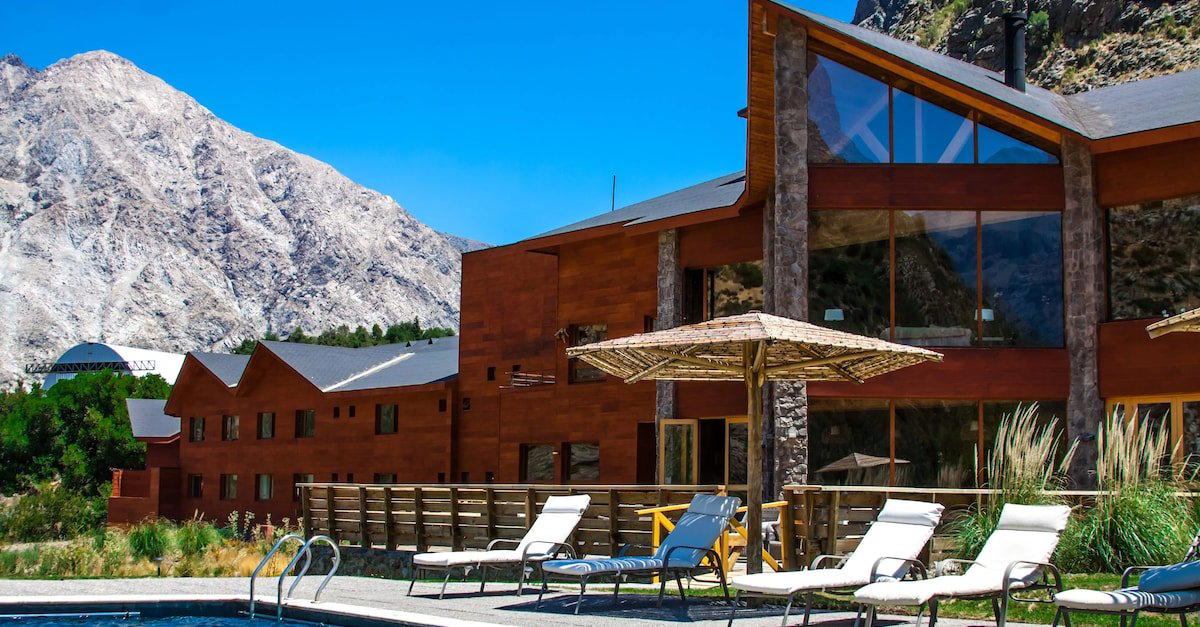
Details
- Scenic
- Rustic
- Elegant
- Romantic
- Cozy
- Date Night
- Special Occasion
- Group Dining
- Celebration
- Panoramic View
- Hotel Restaurant
- Terrace
- Extensive Wine List
- Local Sourcing
- Mountain
- A La Carte
- Wine
Rustic yet elegant mountain-lodge setting beside a terrace, with warm service and a relaxed, cozy atmosphere ideal after a day of outdoor activities.