Al Falaj
Our verdict
Al Falaj belongs to the Liwa Desert’s resort-dining circuit, where the meal is shaped as much by remoteness, heat, and supply lines as by the kitchen. Its position at Qasr Al Sarab places it inside a small desert hospitality cluster where regional ingredients, grilled formats, dates, spices, and shared-table habits carry more weight than urban restaurant theatrics.

Pearl is the En Primeur Club membership app, where members save venues, book tables and use the concierge.
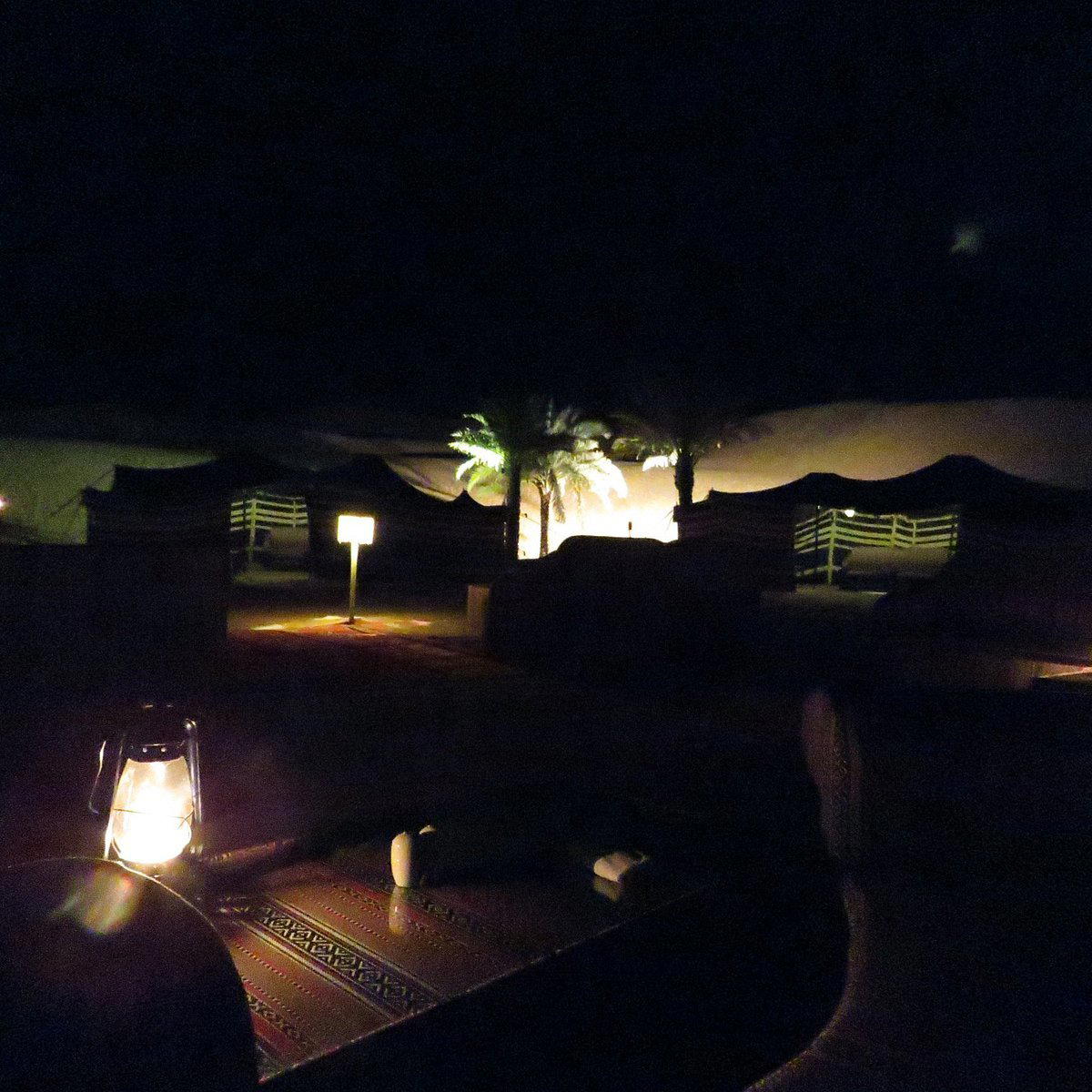
The approach to dining in the Liwa Desert begins before a menu appears. Sand, distance, and the long geometry of the desert change the way a restaurant reads: food has to answer the climate, the stay rhythm, and the practical fact that every ingredient has travelled with intent. Al Falaj sits in Liwa Desert, a setting where the dining question is not only what is served, but how a kitchen interprets hospitality far from the coast and city supply routes.
That context matters. Desert restaurants in the UAE often lean on abundance, but the more interesting reading is sourcing discipline: ingredients, spice, smoke, shared dishes, and slow service all carry a regional logic because they suit heat, storage, and communal meals. Rather than leaning on a named chef, price point, or awards narrative, Al Falaj belongs to a category where credibility comes from how convincingly the room connects desert dining to local food habits rather than importing a generic luxury template.
Desert dining works when sourcing feels rooted rather than decorative
Liwa is not a city dining scene with dunes attached. The area has its own pace, tied to desert memory, agricultural rhythms, and the logistics of feeding guests in a remote environment. In that frame, ingredients become part of the editorial test. A desert table earns attention when seasoning, smoke, preserved elements, and shared formats feel functional rather than ornamental. The useful comparison is not with a city tasting menu, but with formats that understand climate and place.
Within the local circuit, Desert Barbecue signals the open-fire end of the spectrum, while Spice Spoons points toward instruction and participation. Suhail and Designer Dining occupy other Liwa-led registers, and AMANIE adds another reference point for how the desert packages regional hospitality. Al Falaj is better understood inside that compact ecosystem than as an isolated restaurant listing.
The broader UAE comparison is also useful. Urban dining rooms elsewhere operate with different pressures: footfall, neighbourhood identity, and repeat local traffic. A Liwa Desert restaurant has a narrower but more demanding brief. It must feed travellers who may have crossed hours of desert road and still make the meal feel connected to its setting.
The room should be read as part of the desert hospitality format
Atmosphere in Liwa is inseparable from scale. The desert does not need theatrical excess; it already supplies the drama. A restaurant here works when the room gives guests a composed landing point after heat, glare, and long travel. The strongest desert dining experiences tend to control tempo: slower meals, shared plates, and a service style that suits evening rather than lunch-hour turnover. Al Falaj’s Liwa Desert location supports that mode, especially for travellers using the area as a base rather than passing through.
This is also where expectation needs calibration. The case for going rests on context rather than borrowed prestige signals: the value is in how the meal fits the desert setting, not in city-restaurant shorthand. For a traveller mapping the area, Our full Liwa Desert restaurants guide is the practical starting point, with adjacent planning in Our full Liwa Desert hotels guide, Our full Liwa Desert bars guide, Our full Liwa Desert wineries guide, and Our full Liwa Desert experiences guide. Those categories matter because Liwa is planned as a stay, not a spontaneous dining detour.
The editorial verdict is therefore situational. Choose Al Falaj when the point of dinner is to stay inside the desert rhythm and let regional sourcing, shared-table habits, and measured service carry the evening. Travellers chasing chef-name dining, dense wine culture, or the competitive energy of a city dining room will read the experience differently. For contrast outside the Liwa context, urban specialist formats depend on density and repeat traffic; Liwa’s appeal is the opposite, with distance shaping the meal from the first decision.
Frequently asked questions
Is Al Falaj suitable for children?
Yes, it can suit families staying in Liwa Desert. Its desert setting makes it a practical choice for children when the meal is planned as part of a wider stay rather than as a late-night standalone dining room.
What should I expect atmosphere-wise at Al Falaj?
Expect a dining room shaped by the Liwa Desert setting. The mood should track the pace of the desert rather than a city restaurant: calm, contained, and oriented around guests who have planned the journey.
Where exactly is Al Falaj?
Liwa Desert.
Can I walk in to Al Falaj?
A walk-in is possible in principle, but Al Falaj is in Liwa Desert, so availability will follow demand in the area. For a room in this setting, advance planning is the safer assumption.
Comparison Snapshot
Comparable venues by cuisine and price in the same metro.
| Venue | Cuisine | Price |
|---|---|---|
| Al FalajThis venue (the venue you are viewing) | Levantine Middle Eastern | Not listed |
| AMANIE | Mediterranean | $100–150 |
| Designer Dining | Private Desert Dining | Not listed |
| Spice Spoons | Arabic cooking experience | Not listed |
| Suhail | Middle Eastern Fine Dining | Not listed |
Continue exploring
More in Liwa Desert
Restaurants in Liwa Desert
All restaurants in Liwa Desert →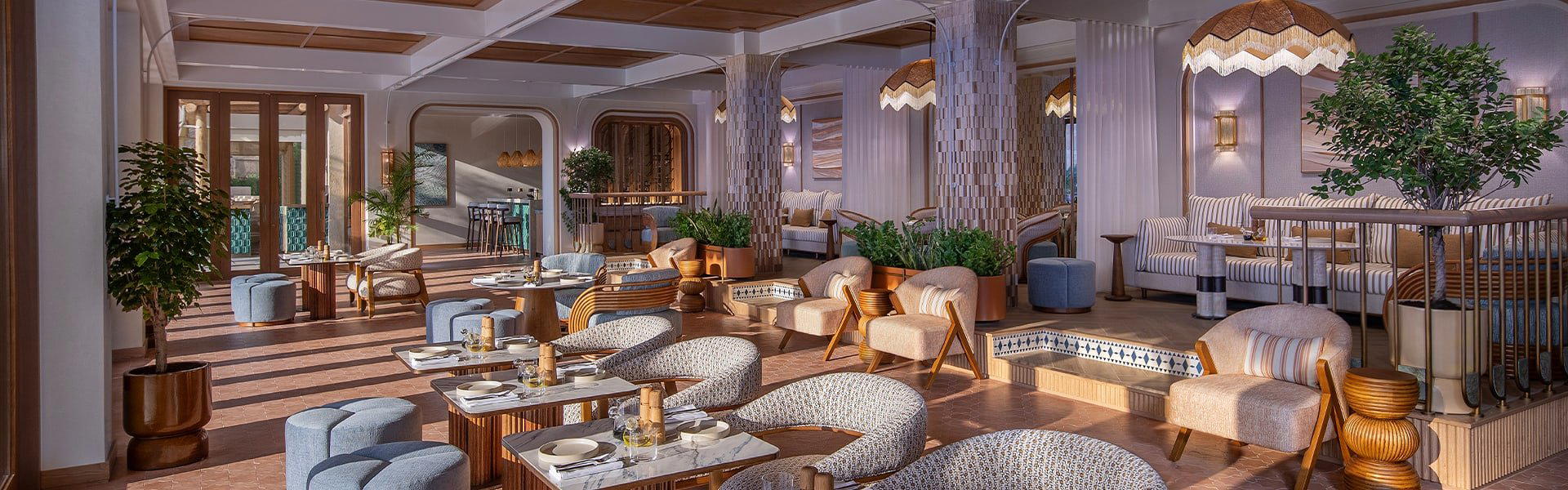
Hotels in Liwa Desert
All hotels in Liwa Desert →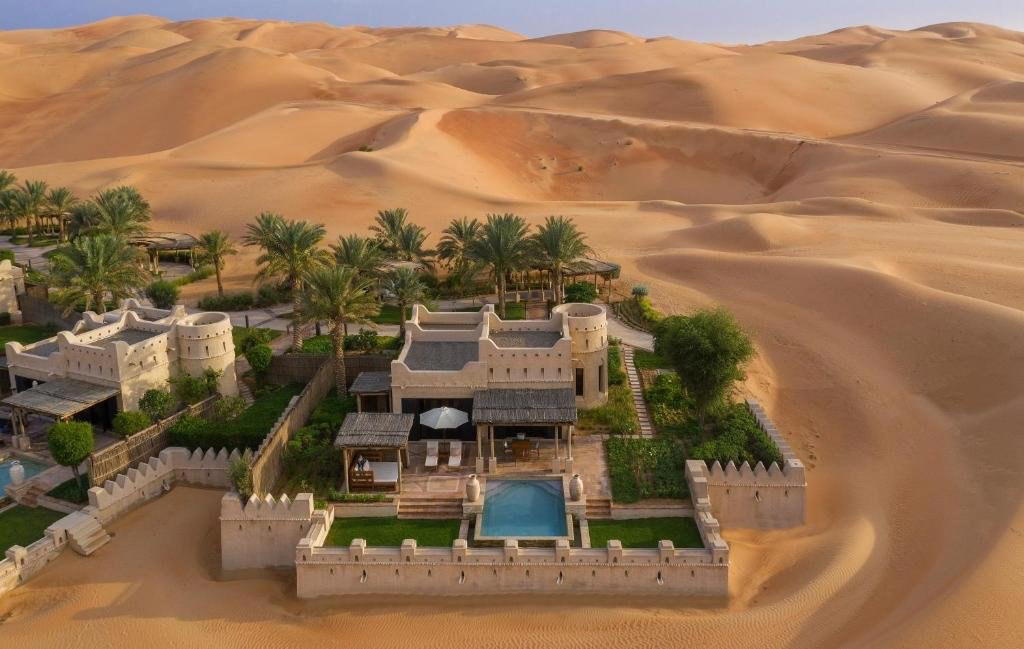
Details
- Romantic
- Scenic
- Intimate
- Ornate
- Elegant
- Sophisticated
- Date Night
- Celebration
- Special Occasion
- Group Dining
- Terrace
- Panoramic View
- Hotel Restaurant
- A La Carte
- Vegetarian Friendly
- Vegan Options
- Allergy Accommodating
Secluded, romantic, and scenic, with an upscale desert atmosphere and open-air dining by the dunes.