Pacific Point Resort
Where the Central Coast Meets the Cliffs Pismo Beach occupies a position on the California Central Coast that few comparable stretches of coastline can claim: close enough to San Luis Obispo and the wine valleys of Edna and Arroyo Grande to anchor a longer trip, yet distinct enough in character to warrant a stay on its own terms. The town sits on a low bluff system above a broad, open beach, and the properties that take full advantage of that geography are the ones oriented to take full advantage of the Pacific-facing exposure. Pacific Point Resort is one of those properties, positioned within the Pismo Beach coastal corridor where the interface between built environment and open water is the primary design challenge any architect or developer faces. California's coastal hotel stock splits broadly into two tiers: the large resort complexes, often set back from the bluff edge and built around amenity volume, and the smaller, more position-specific properties that trade square footage for sightline quality. Pacific Point Resort operates in Pismo Beach, a market where that split is visible across a relatively compact stretch of coastline. Comparable Central Coast properties — including The Cliffs Hotel and Spa, which sits on the same bluff system — have made the oceanfront position central to their identity rather than incidental to it. The logic is direct: when the Pacific is your primary amenity, the architecture either frames it or competes with it. The Physical Logic of a Coastal Position Designing for a coastal bluff in Central California involves a specific set of constraints and opportunities. The salt air, the wind patterns coming off the water, the quality of light in the late afternoon when the sun drops toward the horizon: these are not atmospheric flourishes but actual architectural inputs. Properties that handle them well tend toward materials that age with exposure rather than degrade under it, and toward orientations that place the primary guest spaces, lobby approaches, room outlooks, dining terraces, on the water side of the building mass rather than the street side. This kind of placement logic is what separates the better-performing coastal properties from those that could be anywhere. At the premium end of the California coast, properties like Post Ranch Inn in Big Sur have made the relationship between structure and landscape so central that the architecture is inseparable from the experience of staying there. Pacific Point Resort operates in a different register, Pismo Beach is a more accessible, less austere destination than Big Sur, but the underlying principle applies: does the building earn its position, or just occupy it? Pismo Beach as a Destination Context Pismo Beach has historically attracted a broad visitor base, from ATV riders on the dunes at Oceano to wine-focused travelers heading to the Edna Valley appellation a few miles inland. That breadth can work against a resort's ability to position clearly, but it also means the town supports a wider range of price points and travel motivations than a more narrowly defined destination. The Central Coast wine corridor, anchored by producers in Edna Valley, Arroyo Grande, and the broader Paso Robles area to the north, gives Pismo Beach a credible food and beverage context that properties in the area can draw on if they choose to. Compared to the heavily programmed resort markets of Southern California, where properties like The Beverly Hills Hotel in Los Angeles operate within a dense luxury ecosystem, Pismo Beach remains relatively low-density in its premium offering. That scarcity has value for travelers who want coastal California without the infrastructure pressure of Santa Barbara or Malibu. For a broader look at what the destination currently offers across dining and lodging, our full Pismo Beach restaurants guide maps the current options with more granularity. How Pacific Point Sits in the California Coastal Tier Within the spectrum of California coastal stays, Pacific Point Resort occupies the Pismo Beach market at a point where the competition is defined more by position and access than by brand affiliation or programmatic depth. This is a different competitive context from, say, Four Seasons at The Surf Club in Surfside or Kona Village, A Rosewood Resort in Kailua Kona, where the brand architecture does significant work in signaling quality tier. In smaller coastal markets, the property itself carries that burden entirely. For travelers calibrating across the broader California coastal range, properties like 1 Hotel San Francisco in San Francisco and The Stavrand in Guerneville represent different points on the spectrum, urban versus rural, large-footprint versus intimate, but all share the California coastal and near-coastal logic of making the natural environment the primary justification for the property's existence. Pacific Point Resort's location in Pismo Beach places it in the accessible-coastal segment, where value is measured in direct ocean access and the quality of the view corridor rather than in programming complexity. Planning a Stay Pismo Beach draws its strongest visitor numbers from late spring through early fall, when Central Coast fog patterns are lighter and afternoon temperatures along the bluff are reliably warm. Winter stays are quieter and often less expensive, though the surf and dramatic light conditions in the off-season have their own appeal for travelers who prioritize atmosphere over beach weather. Travelers combining Pismo Beach with a wine-focused itinerary through Paso Robles or Edna Valley will find the property a practical base, given the driving distances involved. Those approaching from Los Angeles should factor in Highway 101 traffic, particularly on Friday afternoons when the coastal highway toward San Luis Obispo carries significant weekend volume. For a useful peer-set reference across premium American resort stays, properties worth considering alongside the hotel include Meadowood Napa Valley in Napa, SingleThread Farm Inn in Healdsburg, and Sage Lodge in Pray, each of which applies a similar logic of anchoring a stay to a specific natural or agricultural context. Further afield, Amangiri in Canyon Point and Dunton Hot Springs in Dunton represent the extreme end of landscape-integrated design, where the environment essentially dictates the architectural response. Frequently Asked Questions What's the atmosphere like at the hotel?The hotel sits within the Pismo Beach coastal corridor, a destination that combines accessible beach access with proximity to the Central Coast wine region. The atmosphere reflects the town's character: less manicured than Southern California resort markets, with the Pacific-facing position doing most of the heavy lifting. Pismo Beach operates at a lower intensity than comparable California coastal destinations, which tends to produce a more relaxed register at properties in the area.What room should I choose at the hotel?In coastal bluff properties generally, rooms on the water-facing side command a premium because the view corridor is the primary differentiator. The general principle applies: in a destination where the ocean is the main draw, a room that faces it is the point of the stay.Why do people go to the hotel?Pismo Beach draws travelers who want Central Coast California, access to wine country, open beaches, and a quieter pace than Santa Barbara or the Monterey Peninsula, without the pricing pressure of those more established markets. The hotel's position in that market makes it a practical choice for travelers building a Central Coast itinerary that includes both the coast and the inland wine valleys. The combination of beach access and wine-region proximity is the core appeal of the destination.How far ahead should I plan for the hotel?Summer weekends and holiday weekends in Pismo Beach tend to book out earlier than midweek or off-season stays, consistent with California coastal demand patterns. If your travel window falls between Memorial Day and Labor Day, earlier planning is prudent. Off-season and midweek availability is generally more flexible, and winter rates at Central Coast properties often reflect the reduced demand without a corresponding reduction in the quality of the coastal experience itself.Any planning tips for the hotel?Pismo Beach is most efficiently reached by car, which also gives you the flexibility to access Edna Valley and Arroyo Grande wine producers, the Oceano Dunes, and the broader San Luis Obispo area. Combining a stay here with a night or two further up the California coast is a common itinerary structure; properties like Post Ranch Inn in Big Sur sit further north on the same coastal highway. For a comprehensive view of what Pismo Beach currently offers beyond the resort, our full Pismo Beach guide covers dining and local context in more detail.Is the hotel a good base for exploring Central Coast wine country?Pismo Beach sits at the southern edge of a wine corridor that runs through Edna Valley and Arroyo Grande before extending north toward Paso Robles, one of California's most active appellation zones for Rhone varieties and Cabernet. Driving distances to Edna Valley producers are short, making the hotel a practical overnight base for a wine-focused itinerary that does not require committing to a dedicated wine-country property. Travelers who want to combine ocean access with cellar-door visits will find the geography works in their favor here in a way it does not at purely coastal destinations further south.

Pearl is the En Primeur Club membership app — saves, bookings, and concierge access live there. Same editors, same standards.
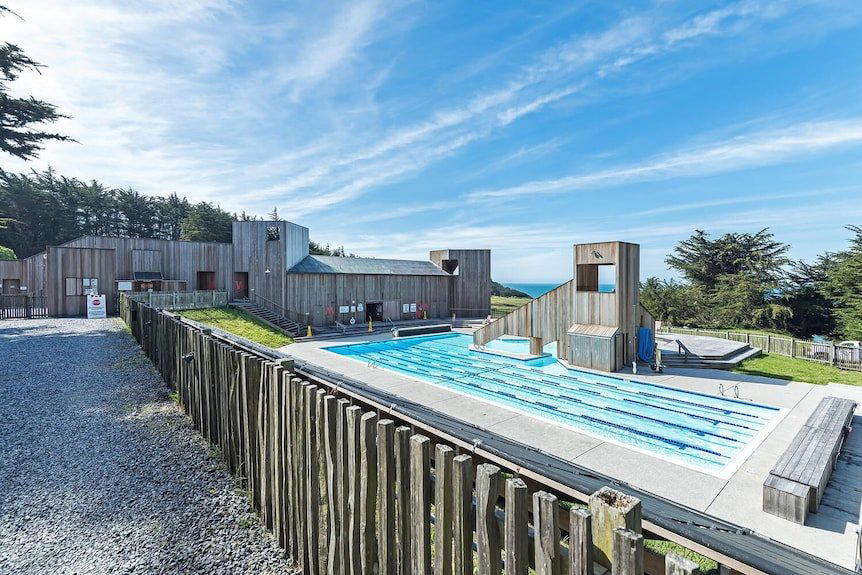
Where the Central Coast Meets the Cliffs
Pismo Beach occupies a position on the California Central Coast that few comparable stretches of coastline can claim: close enough to San Luis Obispo and the wine valleys of Edna and Arroyo Grande to anchor a longer trip, yet distinct enough in character to warrant a stay on its own terms. The town sits on a low bluff system above a broad, open beach, and the properties that take full advantage of that geography are the ones oriented to take full advantage of the Pacific-facing exposure. Pacific Point Resort is one of those properties, positioned within the Pismo Beach coastal corridor where the interface between built environment and open water is the primary design challenge any architect or developer faces.
California's coastal hotel stock splits broadly into two tiers: the large resort complexes, often set back from the bluff edge and built around amenity volume, and the smaller, more position-specific properties that trade square footage for sightline quality. Pacific Point Resort operates in Pismo Beach, a market where that split is visible across a relatively compact stretch of coastline. Comparable Central Coast properties — including The Cliffs Hotel and Spa, which sits on the same bluff system — have made the oceanfront position central to their identity rather than incidental to it. The logic is direct: when the Pacific is your primary amenity, the architecture either frames it or competes with it.
The Physical Logic of a Coastal Position
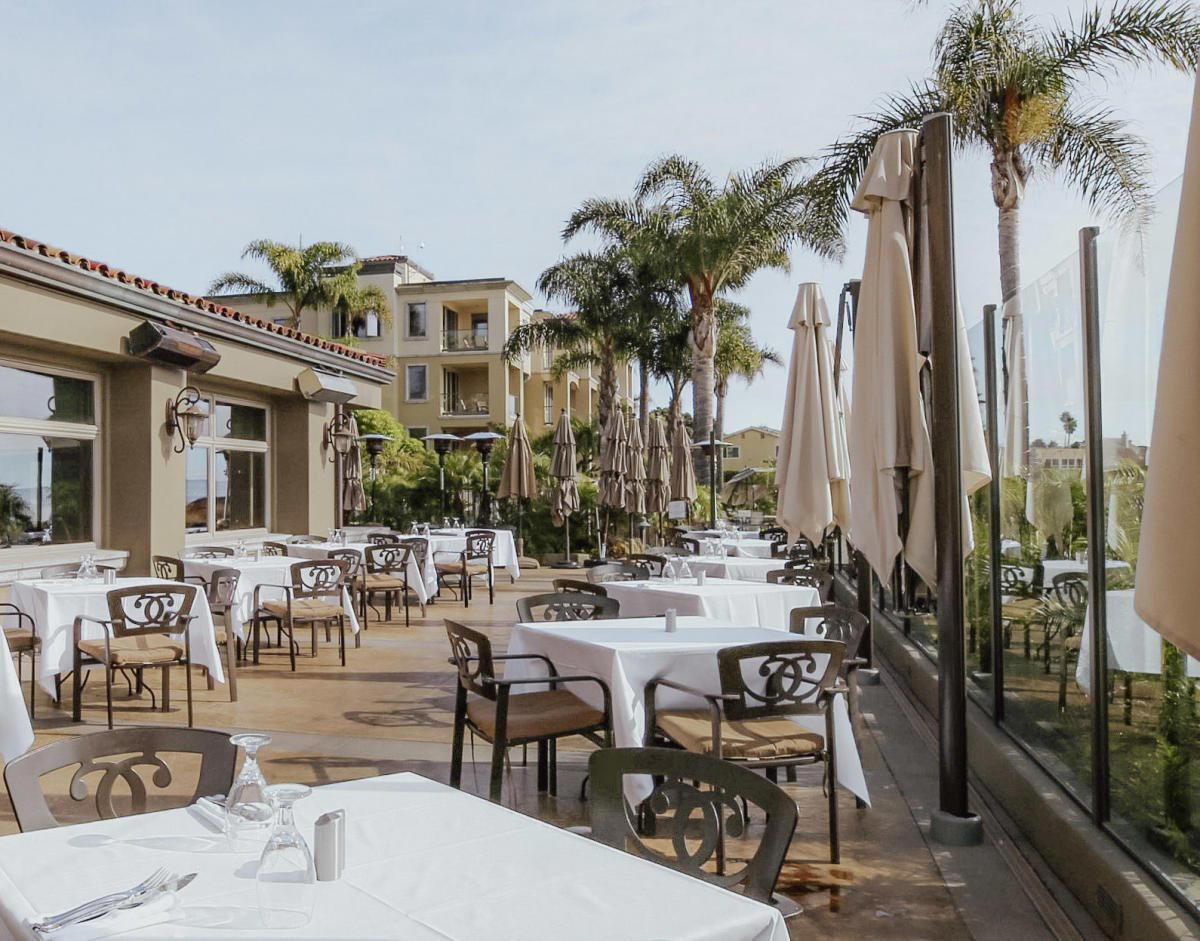
Designing for a coastal bluff in Central California involves a specific set of constraints and opportunities. The salt air, the wind patterns coming off the water, the quality of light in the late afternoon when the sun drops toward the horizon: these are not atmospheric flourishes but actual architectural inputs. Properties that handle them well tend toward materials that age with exposure rather than degrade under it, and toward orientations that place the primary guest spaces, lobby approaches, room outlooks, dining terraces, on the water side of the building mass rather than the street side.
This kind of placement logic is what separates the better-performing coastal properties from those that could be anywhere. At the premium end of the California coast, properties like Post Ranch Inn in Big Sur have made the relationship between structure and landscape so central that the architecture is inseparable from the experience of staying there. Pacific Point Resort operates in a different register, Pismo Beach is a more accessible, less austere destination than Big Sur, but the underlying principle applies: does the building earn its position, or just occupy it?
Pismo Beach as a Destination Context
Pismo Beach has historically attracted a broad visitor base, from ATV riders on the dunes at Oceano to wine-focused travelers heading to the Edna Valley appellation a few miles inland. That breadth can work against a resort's ability to position clearly, but it also means the town supports a wider range of price points and travel motivations than a more narrowly defined destination. The Central Coast wine corridor, anchored by producers in Edna Valley, Arroyo Grande, and the broader Paso Robles area to the north, gives Pismo Beach a credible food and beverage context that properties in the area can draw on if they choose to.
Compared to the heavily programmed resort markets of Southern California, where properties like The Beverly Hills Hotel in Los Angeles operate within a dense luxury ecosystem, Pismo Beach remains relatively low-density in its premium offering. That scarcity has value for travelers who want coastal California without the infrastructure pressure of Santa Barbara or Malibu. For a broader look at what the destination currently offers across dining and lodging, our full Pismo Beach restaurants guide maps the current options with more granularity.
How Pacific Point Sits in the California Coastal Tier
Within the spectrum of California coastal stays, Pacific Point Resort occupies the Pismo Beach market at a point where the competition is defined more by position and access than by brand affiliation or programmatic depth. This is a different competitive context from, say, Four Seasons at The Surf Club in Surfside or Kona Village, A Rosewood Resort in Kailua Kona, where the brand architecture does significant work in signaling quality tier. In smaller coastal markets, the property itself carries that burden entirely.
For travelers calibrating across the broader California coastal range, properties like 1 Hotel San Francisco in San Francisco and The Stavrand in Guerneville represent different points on the spectrum, urban versus rural, large-footprint versus intimate, but all share the California coastal and near-coastal logic of making the natural environment the primary justification for the property's existence. Pacific Point Resort's location in Pismo Beach places it in the accessible-coastal segment, where value is measured in direct ocean access and the quality of the view corridor rather than in programming complexity.
Planning a Stay
Pismo Beach draws its strongest visitor numbers from late spring through early fall, when Central Coast fog patterns are lighter and afternoon temperatures along the bluff are reliably warm. Winter stays are quieter and often less expensive, though the surf and dramatic light conditions in the off-season have their own appeal for travelers who prioritize atmosphere over beach weather. Travelers combining Pismo Beach with a wine-focused itinerary through Paso Robles or Edna Valley will find the property a practical base, given the driving distances involved. Those approaching from Los Angeles should factor in Highway 101 traffic, particularly on Friday afternoons when the coastal highway toward San Luis Obispo carries significant weekend volume.
For a useful peer-set reference across premium American resort stays, properties worth considering alongside the hotel include Meadowood Napa Valley in Napa, SingleThread Farm Inn in Healdsburg, and Sage Lodge in Pray, each of which applies a similar logic of anchoring a stay to a specific natural or agricultural context. Further afield, Amangiri in Canyon Point and Dunton Hot Springs in Dunton represent the extreme end of landscape-integrated design, where the environment essentially dictates the architectural response.
Side-by-Side Snapshot
| Venue | Cuisine |
|---|---|
| Pacific Point Resort | This venue |
| Aman New York | Michelin 3 Key, World's 50 Best |
| The Beverly Hills Hotel | Michelin 3 Key, World's 50 Best |
| Amangiri | Michelin 3 Key, World's 50 Best |
| Hotel Bel-Air | Michelin 3 Key, World's 50 Best |
| The Carlyle, A Rosewood Hotel | Michelin 2 Key, World's 50 Best |
Continue exploring
More in Pismo Beach
Hotels in Pismo Beach
Browse all →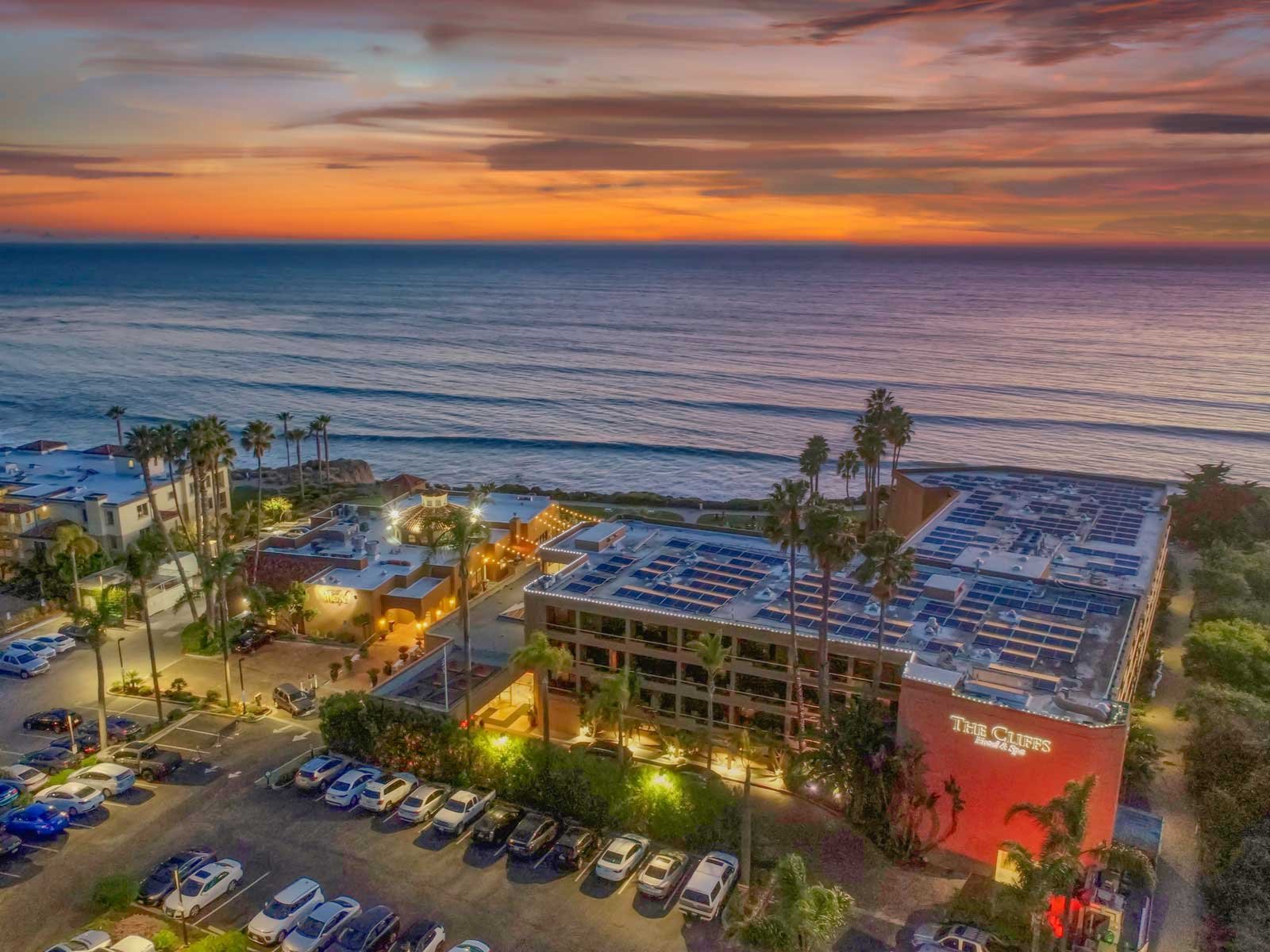
At a Glance
- Scenic
- Romantic
- Elegant
- Intimate
- Romantic Getaway
- Weekend Escape
- Beachfront
- Panoramic View
- Waterfront
- Terrace
- Design Destination
- Pool
- Wi Fi
- Room Service
- Concierge
- Beach Access
- Waterfront
- Pool
- Wi Fi
- Room Service
- Concierge
- Beach Access
Serene coastal atmosphere blending East Coast nautical charm with West Coast ease, featuring deep blues and golden accents with natural wood and woven textures throughout.