Mazama Village Campground & Cabins
Mazama Village sits inside Crater Lake National Park in Oregon's Klamath County, offering campground sites and cabin accommodations at one of the American West's most geologically dramatic settings. The village functions as a self-contained base for exploring the park, with the caldera rim within reach and the surrounding Cascade wilderness defining the stay as much as any built amenity.

Pearl is the En Primeur Club membership app, where members save venues, book tables and use the concierge.
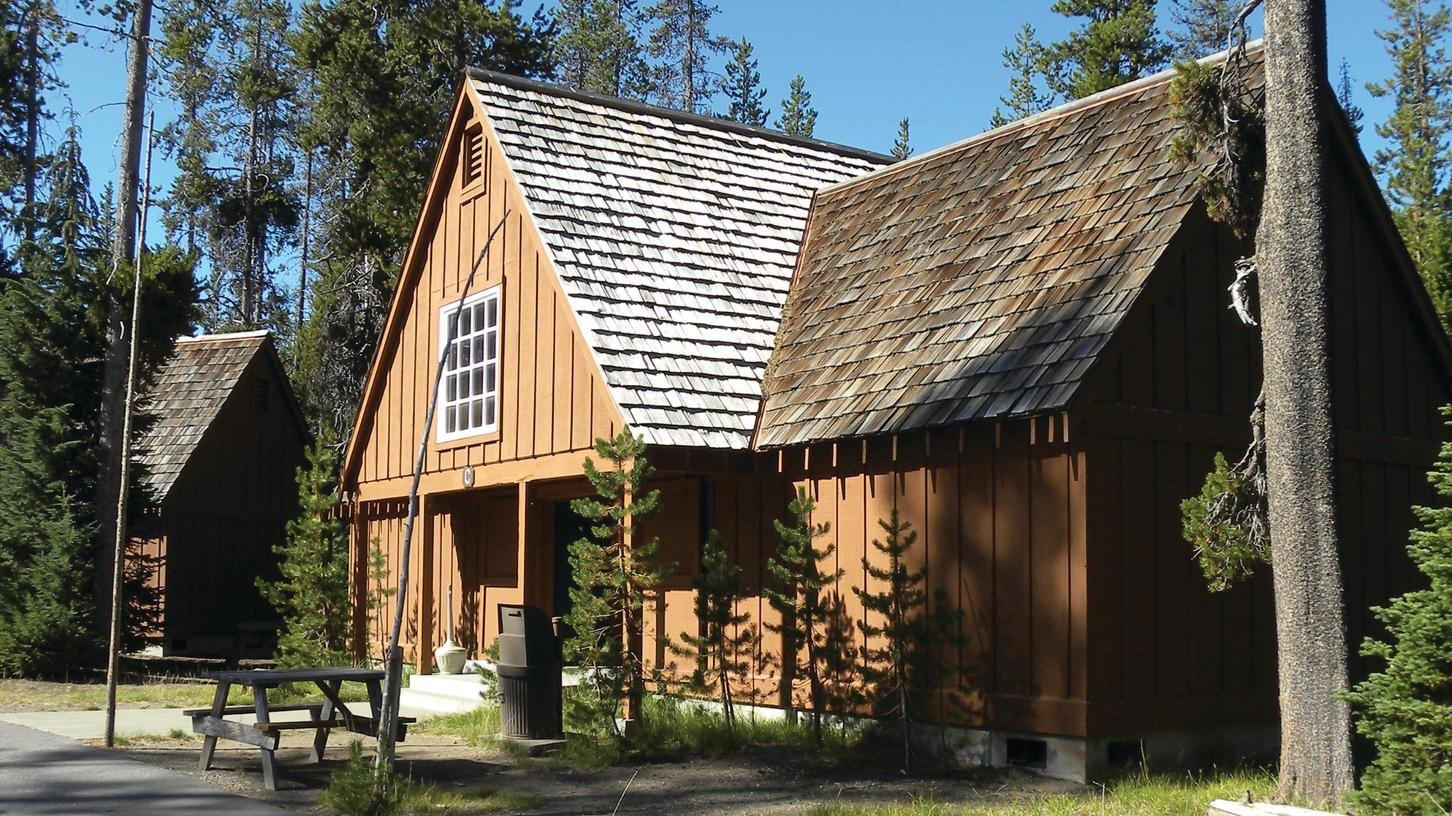
Where Volcanic Geography Sets the Terms
There is a particular logic to how lodging works inside national parks, and Mazama Village Campground and Cabins follows it without apology. Situated within Crater Lake National Park in Oregon's Klamath County, the property exists on geology's terms rather than hospitality's. The caldera that defines this landscape was formed roughly 7,700 years ago when Mount Mazama collapsed following a massive eruption, leaving behind a basin that eventually filled with what is now one of the deepest lakes in North America, reaching approximately 1,943 feet at its lowest measured point. Any stay here is organized around that fact. The built environment is subordinate to the natural one, and that inversion of the usual resort logic is precisely the point.
For readers who regularly reference properties such as Amangiri in Canyon Point or Ambiente, A Landscape Hotel in Sedona when thinking about landscape-integrated accommodation in the American West, Mazama Village occupies a different tier entirely, but shares a foundational premise: the terrain is the amenity. At Amangiri, architectural language responds to Utah canyon country through considered materiality and sightline engineering. At Mazama Village, the response is more elemental, cabins and tent sites arranged within a mixed conifer forest where the built structures make no claim to compete with what surrounds them.
The Physical Character of the Camp
The campground and cabin cluster sits on the southwestern edge of the park, below the caldera rim and within the Pumice Desert transition zone that gives this corner of the Cascades its spare, almost lunar quality. Approaching along Oregon Route 62 or the park's internal road network, visitors pass through stands of lodgepole pine recovering from historic fire cycles, a visible record of ecological disturbance that the park makes no attempt to conceal. The vegetation thins as elevation increases, opening sightlines that prepare the eye for the caldera's scale before it arrives.
The cabins themselves function as shelter in the most direct sense: structures suited to the seasons and the altitude rather than to any particular design ambition. Southern Oregon's Cascade high country sits at elevations that bring snow as early as October and as late as June, and the park typically closes most road access outside the late spring through early fall window. That seasonal constraint shapes the entire experience of staying here. The operative travel logic is compressed, with peak access running roughly from late June through early October depending on snowpack in any given year.
This seasonal architecture is worth comparing to how other wilderness-adjacent properties handle the access question. Sage Lodge in Pray, Montana manages year-round operations near Yellowstone through a built program strong enough to carry a stay in off-peak months. Alpine Falls Ranch in Superior similarly maintains winter programming as a distinct offer. Mazama Village does not attempt this. The park's winter closure is a structural feature of the experience, not a gap in programming, and visitors who plan around it will find the compressed summer season correspondingly focused.
Position Within the Park Ecosystem
Mazama Village is one of two primary overnight options inside the national park boundary, with Crater Lake Lodge on the rim offering a higher-elevation position and direct caldera views. The two serve different travel intentions. The lodge on the rim places guests as close as any built structure gets to the water's surface far below, with the psychological weight that proximity carries. Mazama Village, lower and more sheltered, functions as a camp in the traditional sense, a logistical base from which the park's trail network and overlooks are accessed rather than observed from the bedroom window.
For readers accustomed to properties where the view from the room is the primary architectural argument, that distinction matters. The caldera rim is a short drive or a moderate hike from Mazama, not a framed rectangle of blue visible from the pillow. The experience requires leaving the accommodation, which in turn requires a certain disposition toward camping culture that the property assumes rather than creates.
Planning a Stay: Practical Orientation
The address at 569 Mazama Village Drive, Crater Lake, Oregon places the property firmly within the national park's administrative boundary, which means park entry fees apply regardless of accommodation type. Visitors arriving from the south via Medford and the Rogue Valley gain access through the park's south entrance, while the north entrance via Highway 138 from Roseburg or Diamond Lake offers an alternative approach through denser old-growth forest corridor.
Booking for both campground sites and cabins runs through the park's concessionaire system, and summer reservations at Mazama fill well in advance of the season. Travelers accustomed to the reservation dynamics at properties like Post Ranch Inn in Big Sur or Blackberry Farm in Walland, where lead times run months ahead for peak dates, will recognize the pattern even if the price tier is categorically different. High demand for a constrained inventory of sites during a short access window produces the same booking pressure regardless of accommodation category.
The village itself includes a camp store, gas station, and laundry facilities, services oriented toward self-sufficient travel rather than curated amenity. This is consistent with how the National Park Service approaches in-park concessions broadly: functional infrastructure that keeps visitors in the park rather than routing them to gateway towns for supplies. For a fuller survey of what Klamath County's wider travel context offers beyond the park boundary, see our full Klamath County restaurants guide.
For those building a broader Pacific Northwest or mountain West itinerary, Mazama Village connects naturally to properties that share a landscape-first orientation. Kona Village, A Rosewood Resort in Kailua Kona occupies a comparable position in Hawaiian volcanic terrain, where geology rather than architecture carries the experiential weight. Further afield, Amangani in Jackson Hole represents the premium end of the mountain West landscape-lodging spectrum, where architectural investment matches the terrain's drama. Mazama Village operates without that investment and makes no claim to it. What it offers instead is direct, unmediated proximity to one of the Pacific Northwest's most consequential geological formations, at a price point and in a format that the other properties in that category cannot replicate.
In Context: Similar Options
| Venue | Price | Awards |
|---|---|---|
| Mazama Village Campground & CabinsThis venue (the venue you are viewing) | Not listed | Not listed |
| Aman New York | Not listed | 3 Michelin Keys · World's 50 Best #87 |
| Amangiri | $1,000–1,500 | 3 Michelin Keys · World's 50 Best #45 |
| Hotel Bel-Air | $750–1,000 | 3 Michelin Keys · World's 50 Best #57 |
| The Beverly Hills Hotel | Not listed | 3 Michelin Keys · World's 50 Best #65 |
| The Carlyle, A Rosewood Hotel | $1,500–2,500 | 2 Michelin Keys · World's 50 Best #64 |
Details
- Rustic
- Scenic
- Quiet
- Cozy
- Family Vacation
- Weekend Escape
- Wi Fi
- Laundry Service
- Restaurant
- Mountain
- Wheelchair Accessible
Peaceful and tranquil forest setting with natural lighting filtering through towering pines, providing a relaxing and private retreat amid nature.