La Quinta Resort & Club

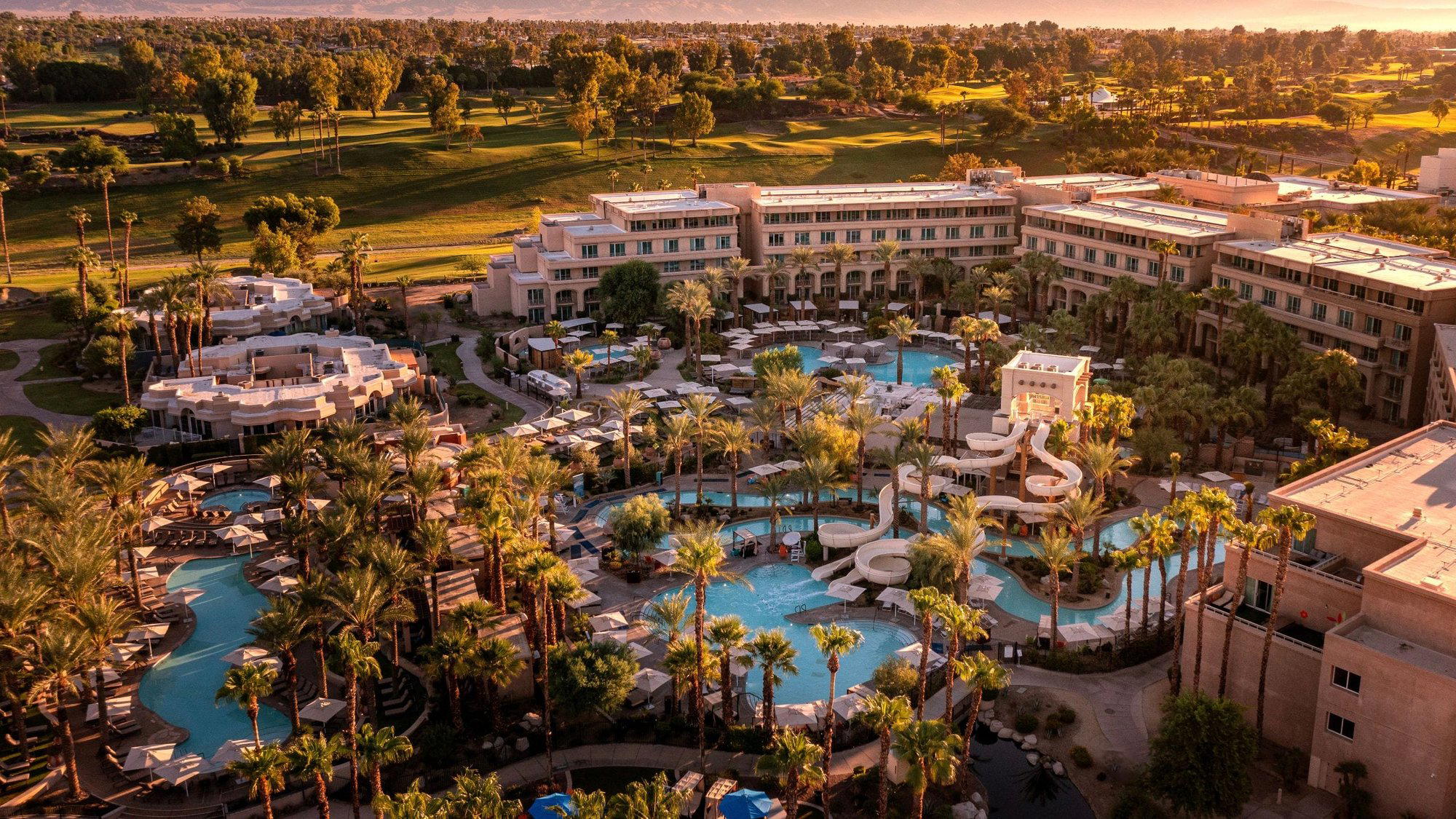
Spread across 45 acres at the base of the Santa Rosa Mountains, La Quinta Resort & Club is Greater Palm Springs' most architecturally complete desert retreat. Spanish hacienda design, five championship golf courses, 41 pools, and four distinct dining venues make it the reference point for large-scale resort stays in the Coachella Valley. Five miles from the Empire Polo Club, it sits at the centre of the region's event calendar.
Pearl is the En Primeur Club membership app — saves, bookings, and concierge access live there. Same editors, same standards.
- Address
- 49499 Eisenhower Dr
- Phone
- +1 760-564-4111
- Website
- laquintaresort.com
- Directions
- Get directions
 Saves & bookings on Pearl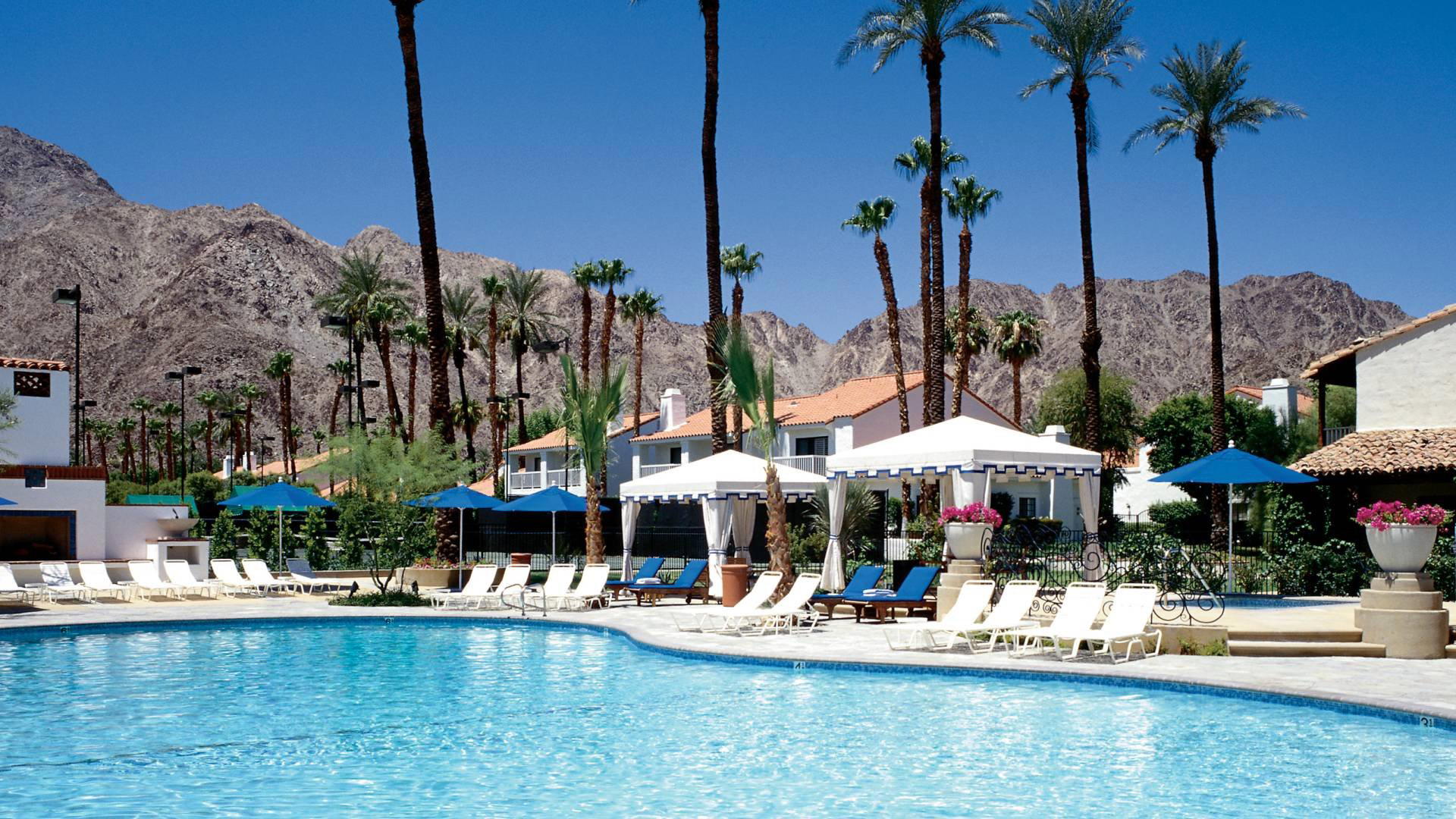
A Desert Architecture Built for Scale
The approach to La Quinta Resort & Club along Eisenhower Drive gives the first indication of what kind of property this is: a resort conceived not as a boutique retreat but as a self-contained desert settlement. Spanish hacienda architecture runs throughout the 45-acre site, with low-slung structures, terracotta tones, and arched colonnades that pull from the region's colonial vernacular rather than the glass-and-steel minimalism that defines newer desert properties. Where places like Amangiri in Canyon Point use architecture to disappear into the landscape, La Quinta uses it to anchor a community within one.
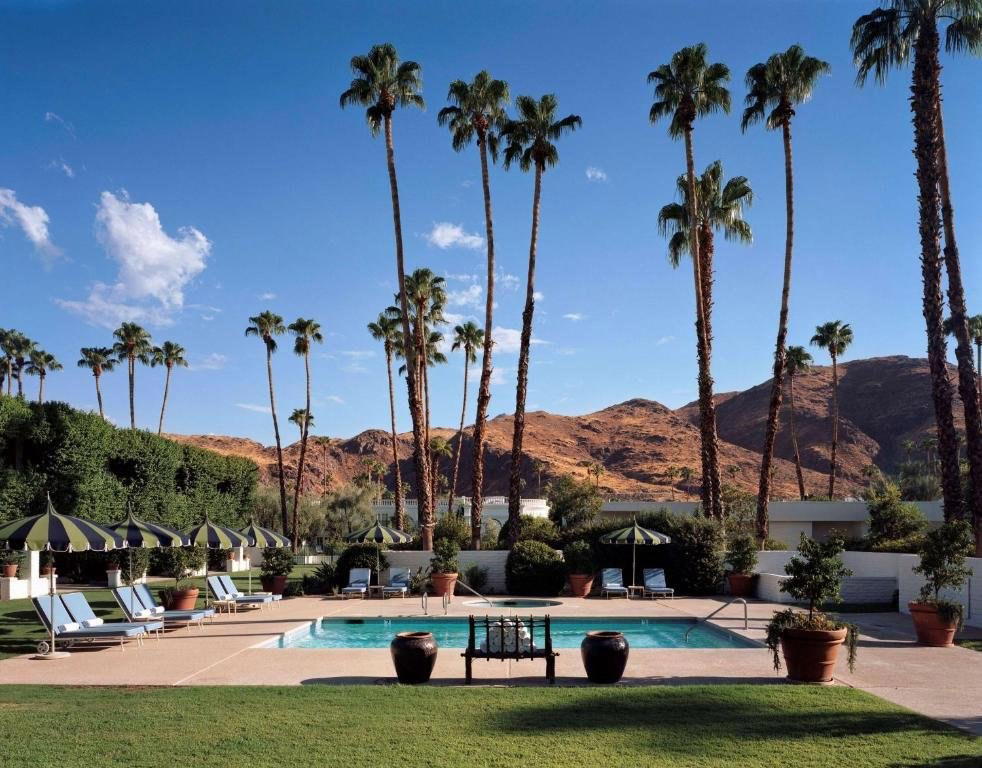
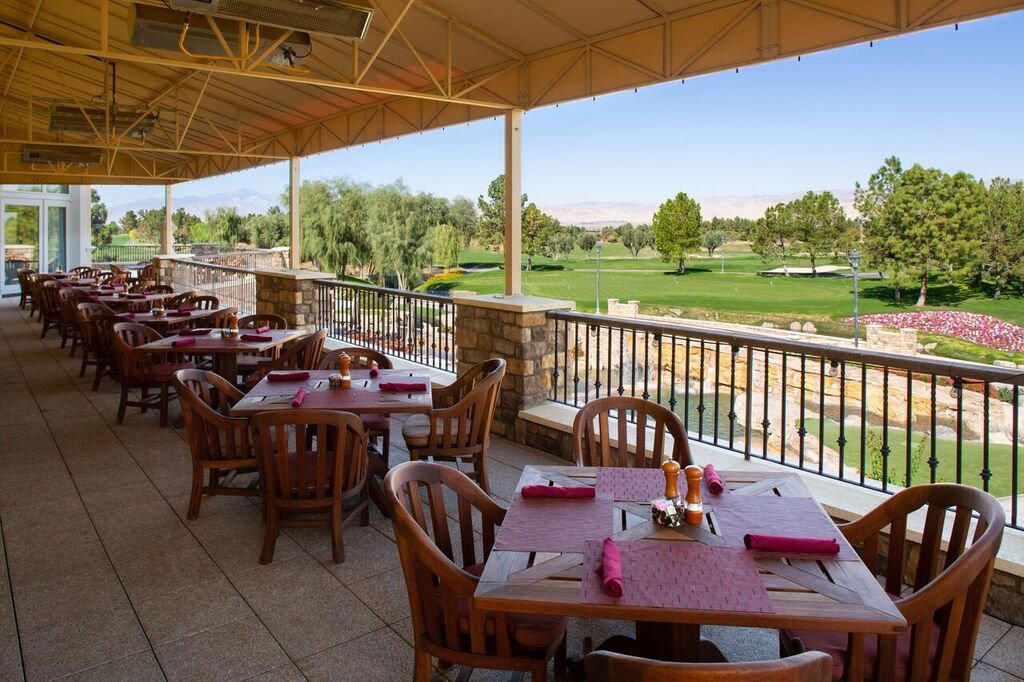
The Santa Rosa Mountains form an uninterrupted backdrop along the property's southern and western edges, and the site plan takes deliberate advantage of this. Guest accommodations are clustered in villa groupings rather than stacked in a central tower, which keeps sightlines open and gives even standard rooms a relationship to the sky and terrain that high-rise desert hotels cannot replicate. That spatial generosity is the design's most consequential decision: 620 guest rooms and 98 villas spread across 45 acres produces a density closer to a village than a convention hotel.
The Villa and Room Structure
Resort properties in the American Southwest have broadly split between large-format hotels with centralised amenities and smaller design-led properties with fewer keys and higher per-room investment. La Quinta operates in neither camp cleanly. Its 98 one-, two-, and three-bedroom villas and suites function as the resort's upper tier, each clustered around one of the 41 pools and oriented toward mountain views. The Spanish hacienda design language carries into interiors through desert decor that references regional craft traditions without tipping into theme-park literalism.
For travellers weighing options across California's premium resort corridor, the villa configuration positions La Quinta differently from properties like Hotel Bel-Air in Los Angeles or Auberge du Soleil in Napa, which prioritise intimacy through limited inventory. Here, scale is the offer: the 53 hot spas distributed across the grounds mean that access to private soaking water is available to most guests regardless of room category. Families travelling with children and groups requiring interconnecting accommodation find options that boutique properties structurally cannot provide. Comparable large-format resort logic appears at Four Seasons at The Surf Club in Surfside, where the residential villa model similarly extends the resort's demographic range.
Golf as Infrastructure, Not Amenity
Five championship golf courses on a single resort property represents a commitment to golf that functions less as an amenity and more as the resort's structural identity. The courses were designed by Jack Nicklaus, Greg Norman, and Pete Dye, three figures whose design philosophies differ substantially: Nicklaus favours strategic risk-reward architecture, Norman tends toward theatricality and length, and Dye is associated with severe conditioning challenges and forced carries. Having all three represented at one property gives golfers a genuine range of experiences rather than minor variations on a house style.
La Quinta Resort and PGA WEST markets itself as the Western Home of Golf in America, a designation anchored by a tournament history that stretches across decades of professional play. Instruction programs run at all skill levels, with specialist clinics for juniors and women. For comparison, destination golf resorts like Bernardus Lodge & Spa in Carmel Valley or Blackberry Farm in Walland treat sport as secondary to their food and land identity. At La Quinta, the relationship inverts: golf is primary, and everything else orbits it.
Tennis, Pickleball, and the Resort's Athletic Tradition
The 21 tennis courts and eight pickleball courts place La Quinta among a small group of American resorts where racquet sport infrastructure is comparable to golf in seriousness. The sunken tournament-style center court draws comparisons to professional facilities; former players including Novak Djokovic and Maria Sharapova have played on the property. Instruction is led by USPTA-certified staff, meaning the teaching credentials meet the same professional standard as dedicated tennis academies. Canyon Ranch Tucson in Tucson operates with a similar philosophy of treating fitness infrastructure as a primary offering rather than a hospitality supplement, though its approach is wellness-led rather than competition-led.
Dining: Coachella Valley Sourcing Across Four Formats
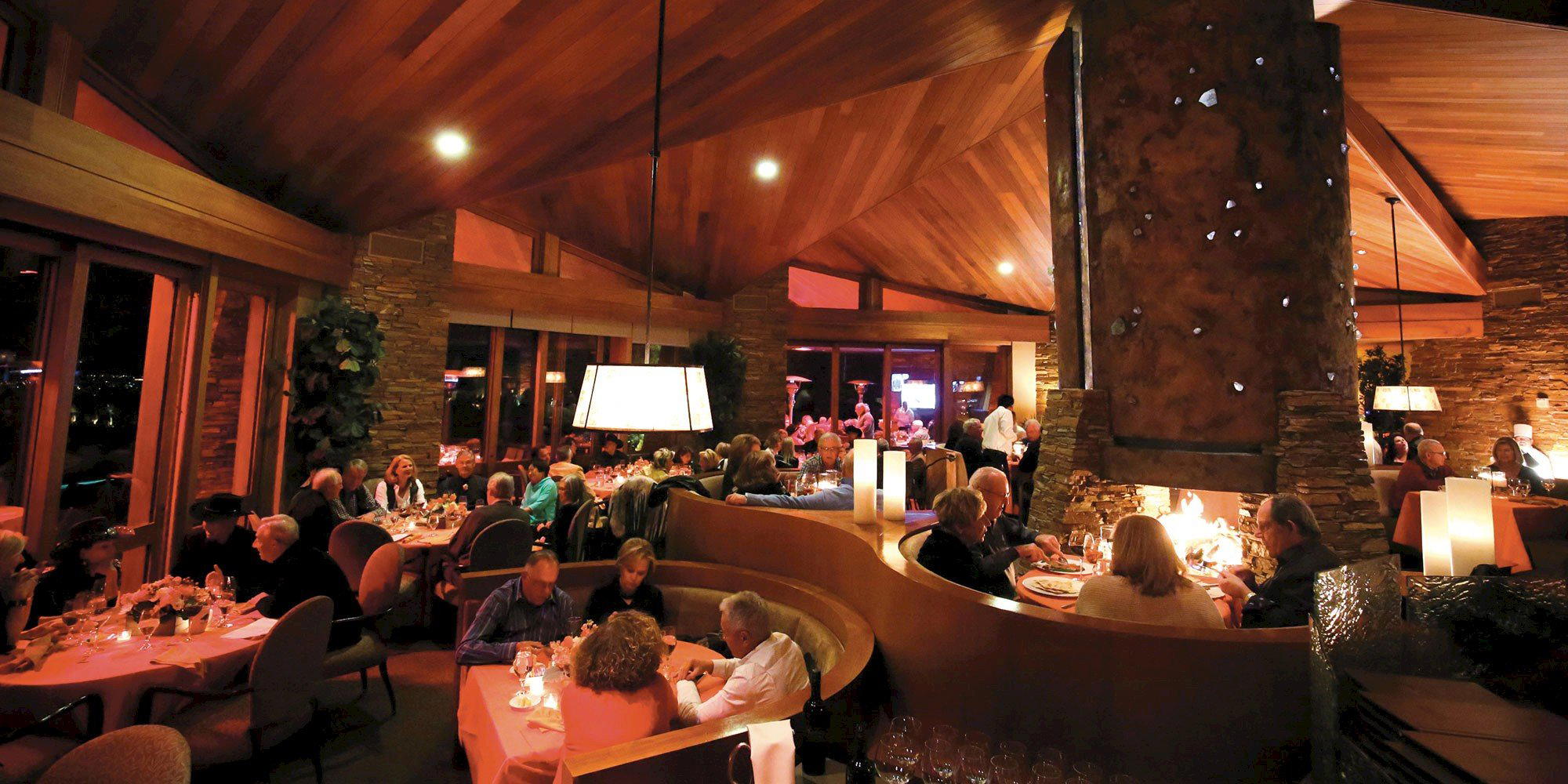
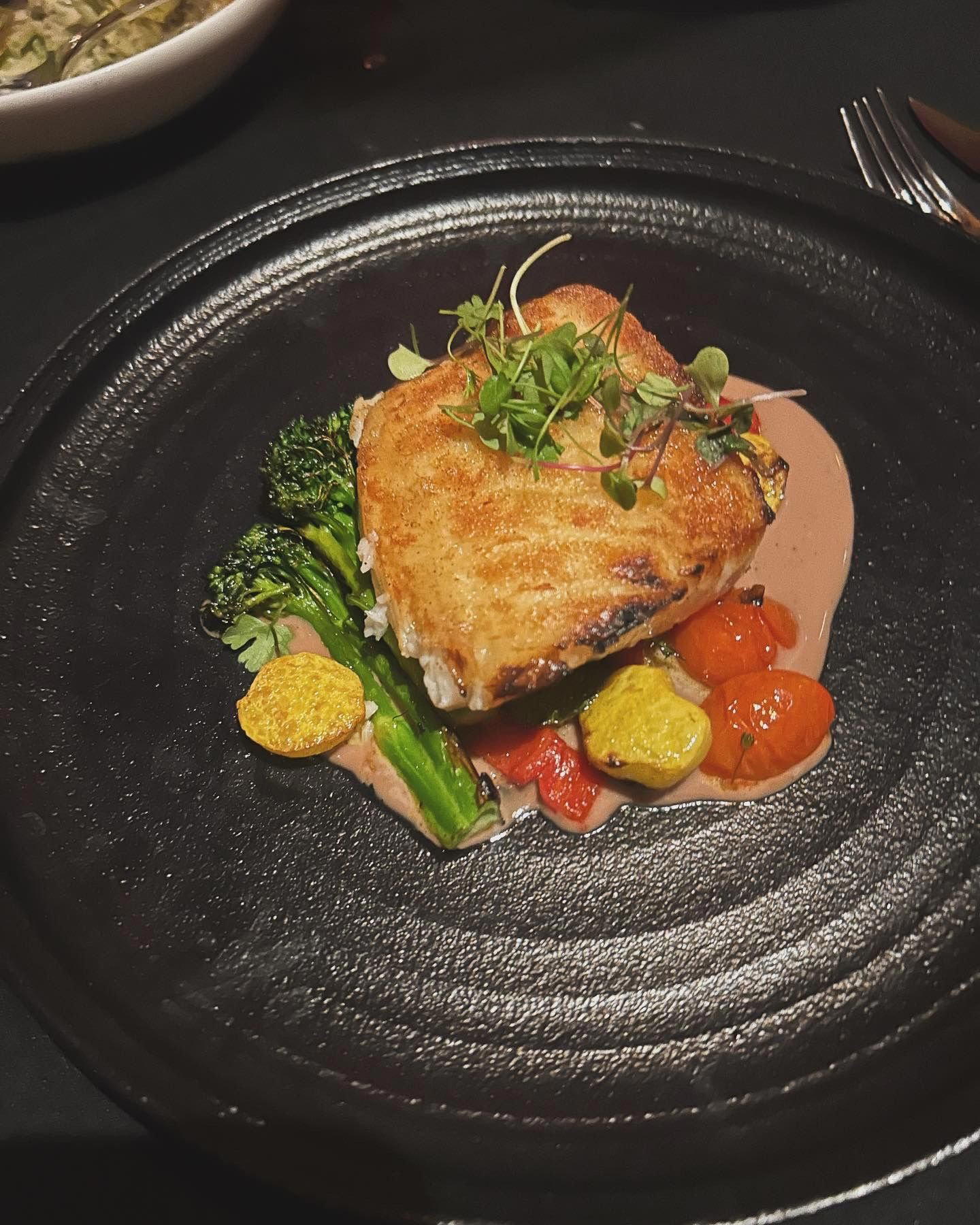
Four distinct dining venues across a single resort is a common configuration in large-format American resort hospitality, but the range of formats here covers more ground than most. Morgan's in the Desert operates as the signature restaurant, with contemporary American cooking tied to Coachella Valley sourcing and regional ingredients. Adobe Grill runs a Mexican program anchored by tamales that have received award recognition, alongside a tequila list of more than 100 expressions. Twenty6 functions as an all-day American bistro with locally sourced, seasonal ingredients served across breakfast, lunch, and dinner. Centre Court Café provides poolside casual fare.
The sourcing emphasis across Morgan's and Twenty6 connects La Quinta to a broader California resort trend of treating the surrounding agricultural region as a culinary asset. The Coachella Valley produces dates, citrus, and a range of specialty crops, and positioning those ingredients at the centre of the signature restaurant's identity is a choice that distinguishes it from generic resort dining. For readers interested in how California properties use terroir-to-table sourcing as a differentiator, SingleThread Farm Inn in Healdsburg represents the most committed end of that approach. La Quinta operates at a more accessible register while still articulating a regional food identity. Our full La Quinta restaurants guide covers the wider dining scene beyond the resort perimeter.
Spa and the Coachella Festival Position
Spa La Quinta holds award recognition and operates with 38 treatment rooms, including couples rooms and outdoor treatment areas. The scope of the spa facility, in proportion to the resort's overall size, is consistent with properties where wellness infrastructure is treated as a revenue centre rather than a guest service supplement. Outdoor treatment areas in the desert climate allow year-round use across much of the calendar, with the dry heat of the Coachella Valley providing conditions suited to certain bodywork modalities.
The resort's proximity to the Empire Polo Club, five miles away, places it directly inside the geography of Coachella and Stagecoach Music Festivals each spring. This gives La Quinta a festival-season profile that few comparable properties share, drawing a guest mix during April that differs substantially from the winter golf demographic. Properties that operate as both serious sports destinations and festival-adjacent accommodations occupy an unusual position in American resort hospitality. Post Ranch Inn in Big Sur and Amangani in Jackson Hole demonstrate how resort identity can shift by season; at La Quinta, the shift is more pronounced because it spans categories rather than simply adjusting pace.
Planning Your Stay
La Quinta Resort & Club sits at 49499 Eisenhower Drive in La Quinta, California, within the Greater Palm Springs metropolitan area. The resort's scale means that guests arriving for golf, festivals, tennis, or family stays will find the experience calibrated differently depending on timing. Spring festival weekends require advance planning; winter golf season runs from approximately November through April, when desert temperatures stay below the summer threshold. The concierge team arranges offsite activities including jeep tours, hot air balloon excursions, polo events, and mountain biking. For travellers building a longer Southwest itinerary, nearby comparators include Ambiente, A Landscape Hotel in Sedona and Canyon Ranch Tucson in Tucson, both of which take a more architecture-forward approach at smaller scale.
How La Quinta Resort & Club Review: La Quinta Stay Guide compares with similar nearby venues.
| Venue | Awards |
|---|---|
| La Quinta Resort & Club | Virtuoso Luxury Hotel Partner (2026) |
Recognition history
Dated appearances from independent guides and award organizations, with the underlying list record or original source where available.
Virtuoso Luxury Hotel Partner
Virtuoso

At a Glance
- Scenic
- Elegant
- Classic
- Sophisticated
- Romantic Getaway
- Family Vacation
- Wellness Retreat
- Weekend Escape
- Group Retreat
- Infinity Pool
- Golf Course
- Destination Spa
- Panoramic View
- Pool
- Spa
- Fitness Center
- Room Service
- Concierge
- Wi Fi
- Golf Course
- Tennis
- Valet Parking
- Mountain
- Garden
- Pool
- Spa
- Fitness Center
- Room Service
- Concierge
- Wi Fi
- Golf Course
- Tennis
- Valet Parking
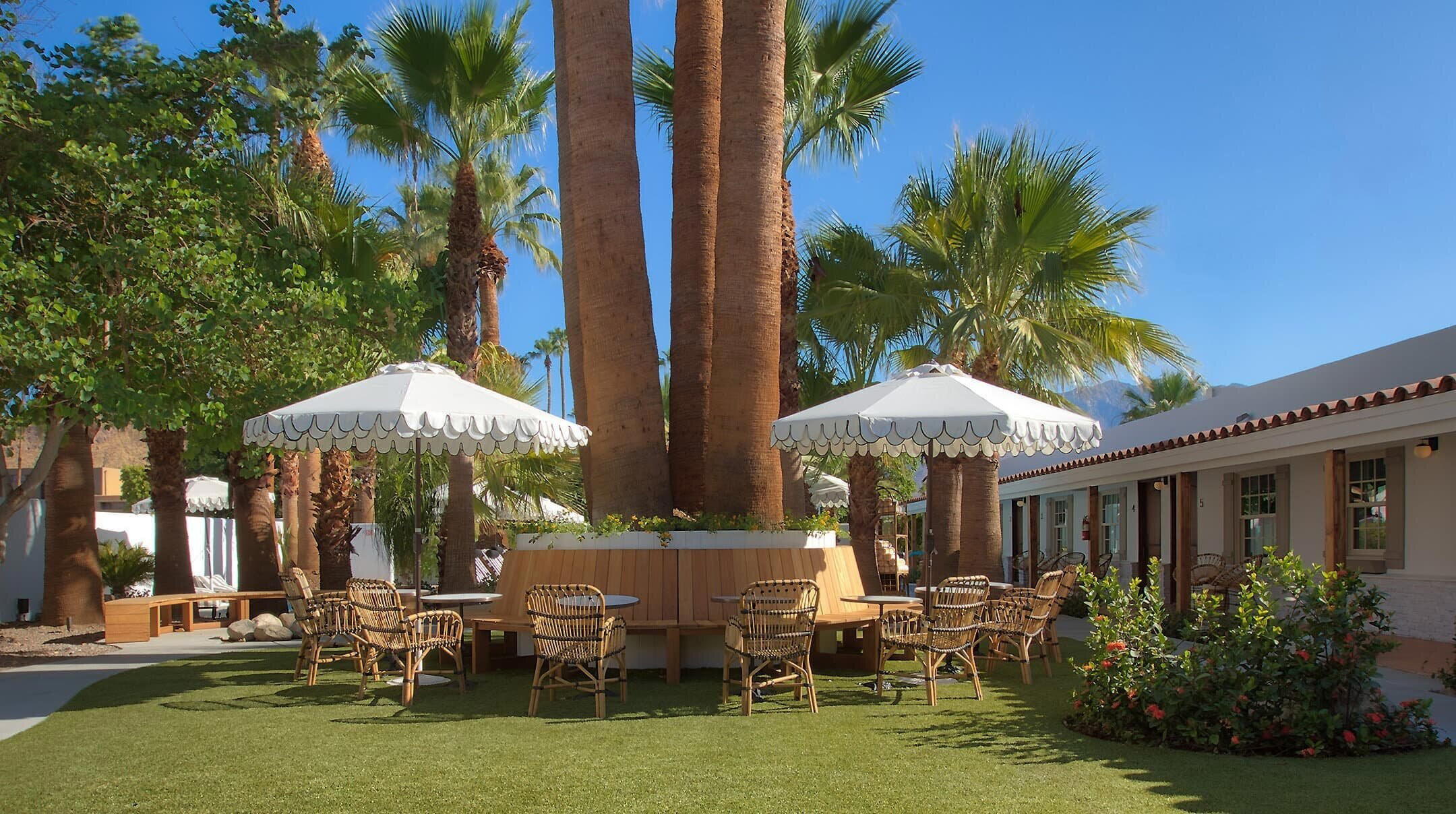
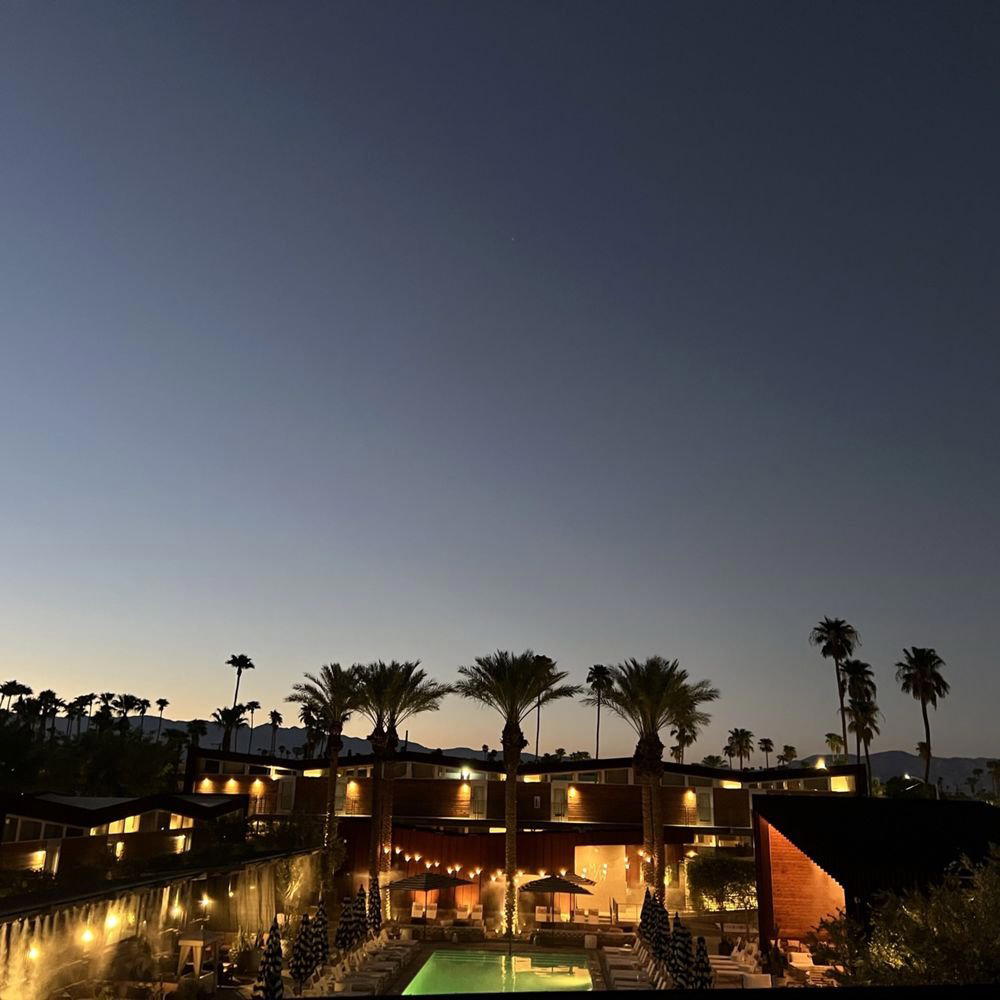
Lush gardens, mountain views, and relaxed oasis atmosphere with poolside cabanas and outdoor fireplaces.
Know Before You Go
- Getting there
- 49499 Eisenhower Dr