← Guides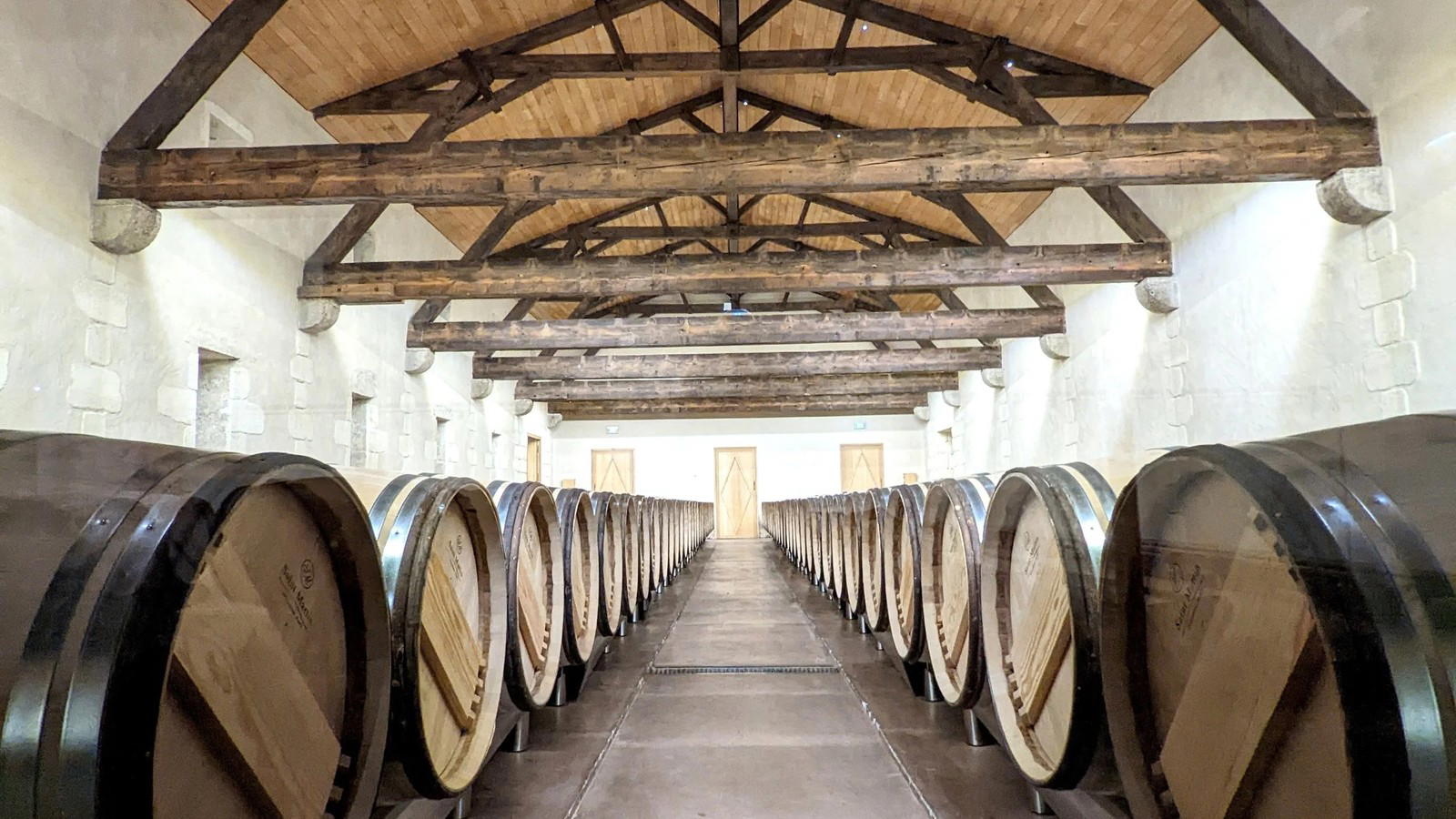
What a Visit to Château d'Yquem Actually Involves The confirmation email arrives, and for a moment you read it twice.
What a Visit to Château d'Yquem Actually Involves The confirmation email arrives, and for a moment you read it twice.
The confirmation email arrives, and for a moment you read it twice. Château d'Yquem, the only Premier Cru Supérieur in the 1855 Sauternes classification, the estate that has produced sweet wine on this single hill in Graves since the seventeenth century, has said yes. Getting to that email is the real work. Visits to d'Yquem are possible, but they are not casual: the château operates a structured, appointment-only tasting program with limited capacity, and demand from collectors, trade professionals, and serious wine travelers consistently outpaces availability. The single best route for most readers is a direct request submitted through the château's official contact page, ideally several weeks in advance and with a clear statement of purpose.
Château d'Yquem produces, in a good vintage, a fraction of what a comparable Médoc estate releases. In difficult years, the estate declassifies entirely: the château does not publish a complete historical record of non-production years, so confirm specific vintage availability directly with the estate or your négociant.
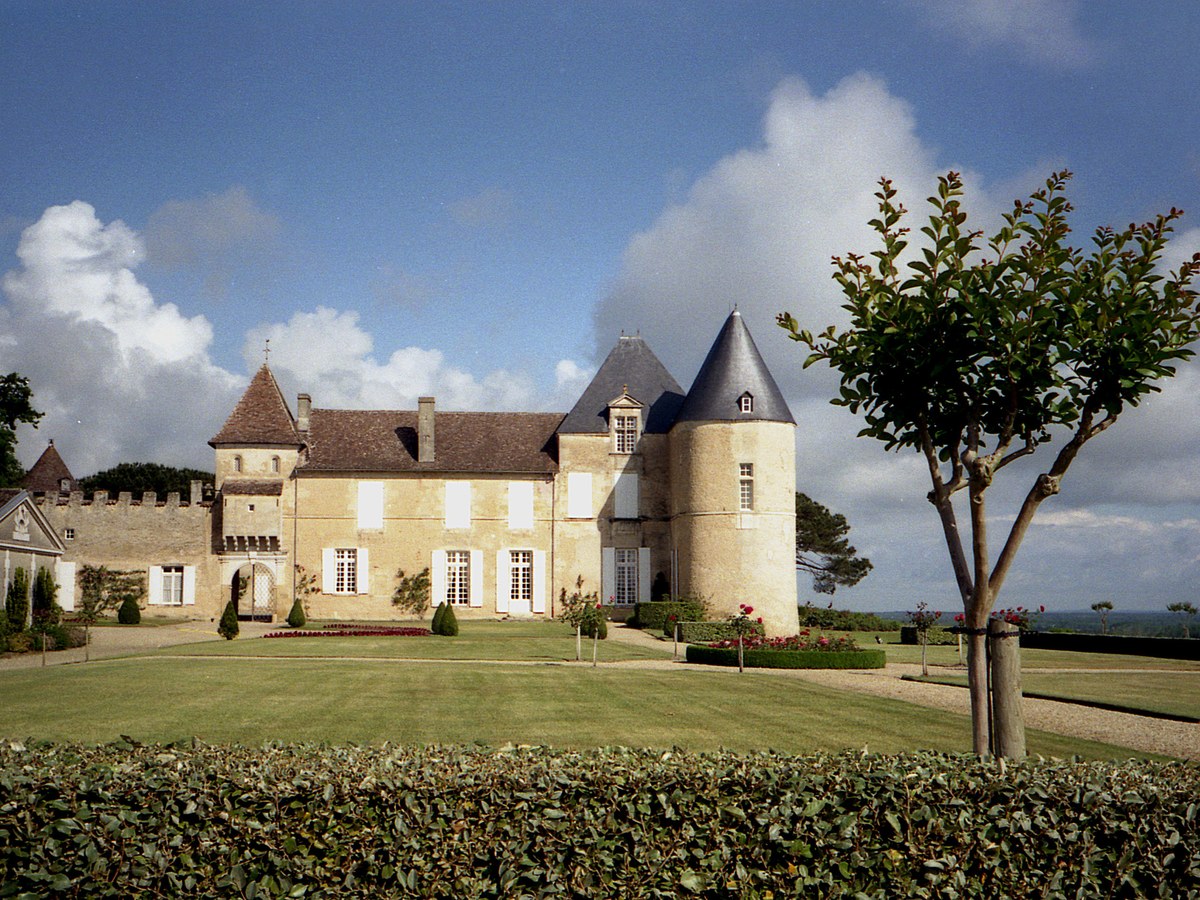
The property is owned by LVMH, which acquired a controlling stake in the late 1990s (full control by 1999), and the estate is managed with the brand discipline you would expect from that house. Visits are not a revenue line; they are a controlled extension of the d'Yquem story. The tasting room is not a public cellar door.
There is no walk-in option, no tasting bar open to passing tourists, and no harvest-season open day on the public calendar. Every visit is pre-arranged, and the number of groups received on any given day is deliberately small. Daily and weekly capacity figures are kept private, so confirm seat counts directly with the estate.
Competition for slots comes from three directions: the international trade (négociants, importers, sommeliers building relationships ahead of en primeur campaigns), serious private collectors who have existing relationships with the estate or with LVMH Wines & Spirits, and wine-focused travelers who have done the research to find the contact channel. You are competing with all three.
The château's own website is the starting point. Reservations are booked online via the official website,1 and submitting a request there is the baseline route for private visitors. The form asks for your preferred dates, the size of your group, and the nature of your interest. Be specific: "private collector, cellar of approximately 400 bottles, particular interest in the 2001 and 2009 vintages" will land differently than a generic tourism inquiry.
Trade and professional visitors, sommeliers, buyers, journalists, typically approach through their importer or négociant relationship with the estate. If your wine merchant has a direct line to d'Yquem's export team, that introduction carries weight. The château does not publish a separate trade-visit portal; the same contact channel applies, but the framing of your request shifts.
Luxury travel concierges and specialist wine-tour operators occasionally hold pre-arranged access, particularly those with established LVMH relationships. This is the expensive-but-faster route: a high-end Bordeaux wine tour operator may be able to confirm a d'Yquem visit as part of a broader itinerary, sometimes with shorter lead times than a cold direct request. Pricing for private visits is not made public, so costs at each step are best confirmed directly.
Money vs. time tradeoff, plainly stated: the direct-contact route costs nothing beyond your time and patience, but lead times are unpublished and can stretch considerably during peak Bordeaux travel season (April, June, September, October). The specialist-operator route compresses the wait but adds tour-package costs. Neither route guarantees access, the château can and does decline requests that don't fit its schedule or profile.
The château does not publish a release schedule or a specific window when visit slots open. There is no equivalent of a platform drop on a set day, the booking mechanics are not publicly documented, and you should confirm the current lead time directly with the estate before planning travel around a specific date.
What wine travelers and trade visitors broadly report is that requests submitted well in advance, several weeks at minimum, and ideally two to three months ahead for peak-season dates, have better outcomes than last-minute inquiries. The Bordeaux en primeur week in spring draws heavy trade traffic to the region, and slots around that period are particularly constrained. If your travel dates are flexible, the quieter winter months (January, March, excluding the en primeur rush) may yield faster responses.
Mistakes that cost people the visit:
A visit to the château and access to d'Yquem allocations are related but separate problems. The estate sells primarily through the Bordeaux négociant system, Place de Bordeaux, and en primeur releases are the primary window for acquiring the wine at release price.
Building a relationship with a négociant or a UK/US merchant who holds a d'Yquem allocation is one reliable route to bottles.
The secondary market (Christie's, Sotheby's, Acker) is the fallback for back vintages; prices for celebrated recent releases reflect their reputation, though secondary-market data is not something the estate releases, so confirm current pricing with your auction house or merchant.
The château does not operate a public mailing list or direct-to-consumer allocation program in the way that, say, a Napa cult producer does. Your merchant relationship is the allocation channel. A visit to the estate, if you secure one, may deepen that relationship, but it does not itself unlock a direct allocation.
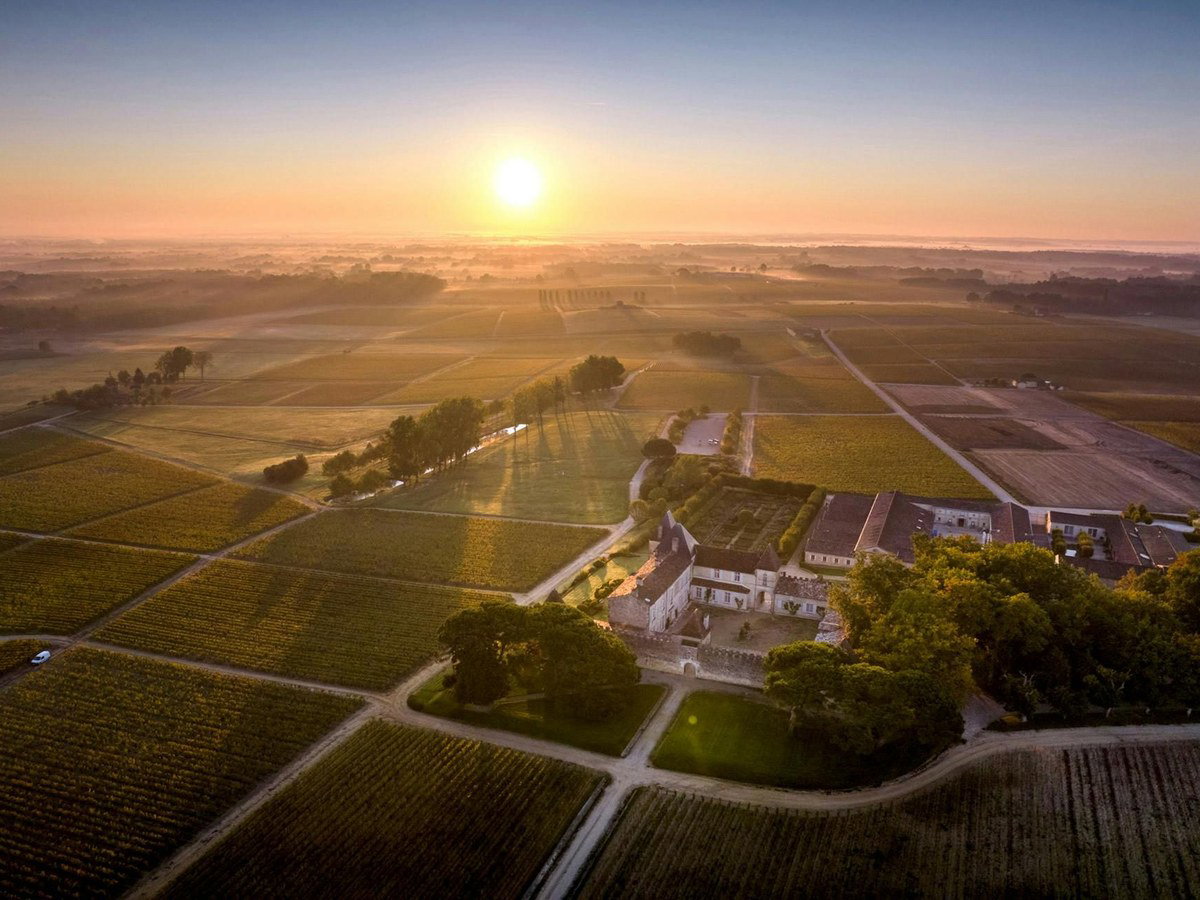
The château sits on the highest point of the Sauternes appellation, visible from the surrounding flatlands, its pale stone tower a fixed point in a landscape of low vines. The approach through the estate's own vineyards gives you a sense of the scale before you reach the courtyard.
Personalised 90-minute tours of Yquem, including a tasting, take place every day of the week, and reservations are essential.2 The cellar tour covers the barrel aging program, d'Yquem ages its wine for an extended period in new oak before bottling, a regime longer than virtually any other Sauternes producer and one that accounts for part of the wine's structural density. The scale of the barrel hall, with its rows of new 225-litre barriques, is one of those details that photographs don't quite capture.
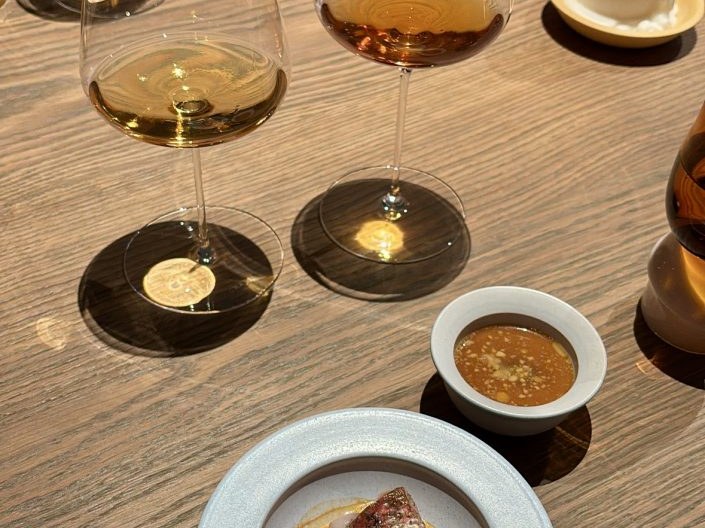
The tasting itself focuses on current and recent vintages of the grand vin. The number of wines poured and the specific vintages shown vary by visit and by the estate's discretion, the château does not publish a fixed tasting menu. Some visits include a vertical element, particularly for trade or collector groups with a documented interest in specific years. "Y" (Ygrec), the estate's dry white wine from Sauvignon Blanc and Sémillon, produced every year since 2004 (it was historically made only in certain years), is occasionally included.
The format is guided rather than self-directed. Visitors can buy wine at the end of the visit at the boutique.3 The atmosphere is formal but not stiff, the estate takes its history seriously without performing it. The tasting room looks out over the vineyard. Private appointments can be booked at the estate.4
What you will not get: an open-ended cellar exploration, access to the private library of older vintages, or a meal on the estate. The château does not operate a restaurant. If you want to pair a d'Yquem tasting with a serious lunch, the village of Langon and the broader Graves region have options worth planning around.
| Route | Difficulty | Estimated Cost | Lead Time | How to Access |
|---|---|---|---|---|
| Direct château visit (private) | High | Typically complimentary (visit); travel costs separate | Unpublished, several weeks to months reported | Contact form at yquem.fr |
| Specialist wine tour operator | Medium | Tour package premium; château visit may be included | Shorter than direct, varies by operator | Bordeaux-specialist operators with LVMH relationships |
| Fine dining restaurant (by-the-glass or bottle) | Low, Medium | By-the-glass pricing varies widely; bottle list prices reflect secondary market | Standard reservation lead time | Restaurants with deep Sauternes lists (La Tupina, Bordeaux; Le Chapon Fin, Bordeaux) |
| Auction / secondary market | Low (to buy); high (to taste) | Market price; celebrated vintages command significant premiums | Next auction date | Christie's, Sotheby's, Acker, iDealwine |
| En primeur via négociant | Medium | Release price (varies by vintage); négociant margin applies | Annual primeur campaign (spring) | Bordeaux négociant or allocated UK/US merchant |
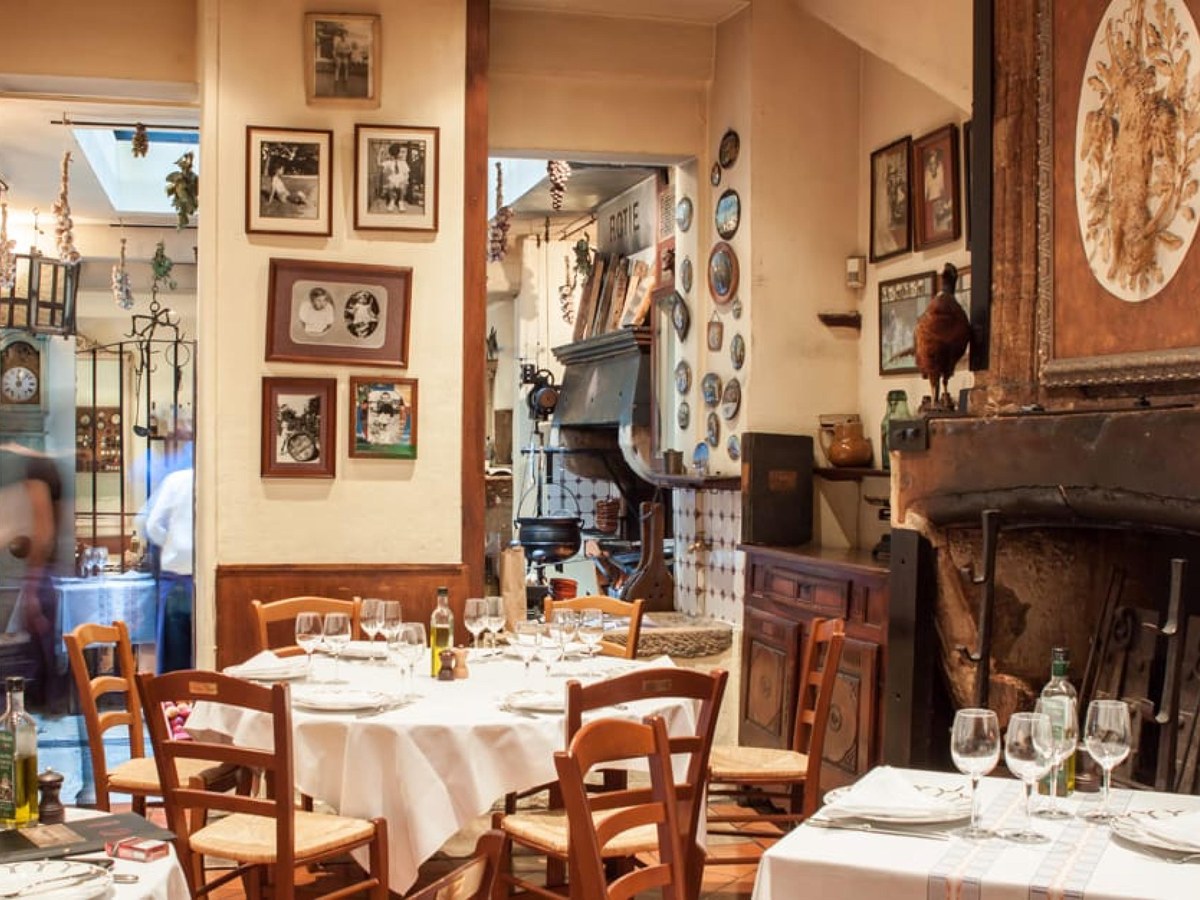
If the château visit doesn't come together, the alternatives are genuinely worth pursuing on their own terms. La Tupina in Bordeaux city keeps one of the region's most serious Sauternes lists and pours d'Yquem by the glass in certain vintages, confirm current availability directly with the restaurant, as the selection varies by season. Le Chapon Fin, also in Bordeaux, has a cellar that runs deep into older d'Yquem vintages. For a Sauternes-focused tasting without the d'Yquem name, Château Rieussec (owned by Domaines Barons de Rothschild (Lafite), also in the 1855 classification as a Premier Cru) and Château Suduiraut are more accessible for visits and give you the botrytis-driven Sémillon experience in a comparable terroir context.
The d'Yquem château visit rewards a specific kind of wine traveler: someone who already knows the wine, collects it or intends to, and wants the context that only the estate can provide, the vineyard scale, the barrel program, the conversation with the team. If you're new to Sauternes and curious about sweet wine, start with a restaurant pour or a visit to a more accessible estate; the d'Yquem visit will mean more once you have the reference points.
The stronger occasions: a dedicated Bordeaux wine trip with several days in the region, a milestone birthday or anniversary for a collector, or a trade visit timed to deepen a négociant relationship ahead of an en primeur campaign. It is not the right choice for a casual afternoon detour from a broader Dordogne holiday.
Yes, but only if you approach it correctly. Château d'Yquem does receive private visitors, the contact channel is public, and the visit itself delivers something that no restaurant pour or auction lot can replicate: the vineyard, the cellar, the barrel hall, and the wine in the place it was made. The barrier is not money. It is patience, specificity, and lead time.
Submit your request through the official contact form at yquem.fr with a clear statement of who you are and what you collect. Be flexible on dates. Keep your group small, the tour accommodates a maximum of 6 persons,1 and smaller parties move through the process more easily. Avoid the en primeur rush in April and May unless you've booked months ahead. If the château declines or doesn't respond in time for your trip, La Tupina's Sauternes list and a visit to Rieussec are not second-best options, they are genuinely good ones.
For the allocation itself, the en primeur channel through a négociant or allocated merchant remains one reliable route to bottles at release price; the château visit is a relationship-builder, not an allocation shortcut. The two pursuits are worth running in parallel, not sequentially.
D'Yquem's position at the summit of the 1855 classification was not a courtesy, it was a recognition that no other estate in Sauternes was doing what this hill produces. A visit confirms that judgment in a way that no tasting note quite does, and for the collector who has followed the wine across vintages, that confirmation is its own reward.
No. The estate is private property and does not operate a walk-in cellar door. All visits are by appointment only, arranged in advance through the château's official contact channel at yquem.fr. Arriving without a confirmed booking will result in a refusal at the gate.
The château does not publish a specific booking window or lead time. Based on what wine travelers and trade visitors report, submitting your request several weeks to two or three months ahead, particularly for peak Bordeaux travel season (April, June and September, October), improves your chances. Confirm current availability directly with the estate when you submit your request.
Private visits typically include a guided tasting of current and recent vintages of the grand vin, alongside a cellar and winery tour. The specific wines poured and the number of vintages shown are at the estate's discretion and are not published in advance. Some visits for trade or collector groups include a vertical element. The château does not publish a fixed tasting menu.
The château does not publish pricing for private visits. Some visits are reported to be complimentary, particularly for trade and serious collector groups. Costs for visits arranged through specialist wine tour operators are absorbed into the tour package price. Confirm the current policy directly with the estate or your operator when booking.
Several Bordeaux restaurants maintain serious d'Yquem stocks. La Tupina and Le Chapon Fin in Bordeaux city are among the more documented options for tasting the wine by the glass or bottle in a dining context. For a Sauternes estate visit that is more accessible than d'Yquem, Château Rieussec (Domaines Barons de Rothschild (Lafite), Premier Cru 1855) and Château Suduiraut offer comparable terroir context with more approachable visit logistics.
Get the App
Take the shortlist into the En Primeur Club app for concierge access, saved places, and the next step after discovery.
Get Exclusive AccessMore from the editors