
Widum Baumann is a high-altitude South Tyrolean mountain farm and winery in Jenesien, working at about 1,048 meters with organic fruit, cider, and still wines. Its appeal is not polished cellar theatre but altitude-led agriculture: a small vineyard footprint, apple-and-vine farming, and a portfolio that ties Pinot Blanc, Pinot Noir, Lagrein, and field-blend styles to Alpine conditions.
Pearl is the En Primeur Club membership app — saves, bookings, and concierge access live there. Same editors, same standards.
- Address
- Jenesien, Alto Adige, Italien
 Saves & bookings on Pearl
Widum Baumann in Jenesien is best approached as a quiet, scenic mountain-farm venue rather than as a place that should be defined by an elaborate list of services or technical claims. The picture is intentionally simple: a rustic, cozy, high-altitude atmosphere, a traditional and biodynamic feel, and an Alpine setting that shapes the mood of the visit from the outset. For readers planning around Jenesien, that is one reliable frame, because the strength of the listing lies in atmosphere and setting rather than in a long inventory of confirmed operational details.
The appeal is not built on a confirmed menu format, a named cuisine, a published seat count, or a documented tasting program. It reads as a hidden-gem kind of place: quiet, scenic, sun-kissed, and closely tied to the surrounding mountain landscape. In other words, useful expectation is not precision about what will be served, but a sense of the rural Alpine character that defines the venue.
Altitude is the main ingredient, not a backdrop
Widum Baumann’s strongest identity is atmospheric. The venue is described through high-altitude mountain-farm language, with a setting shaped by Alpine scenery and a slower rural rhythm. That matters because it gives travelers a useful expectation before they arrive: this is not presented as a flashy urban dining room or a high-energy social venue, but as a calmer place where the surrounding landscape does much of the work.
The setting is quiet and rustic, with a cozy quality that suits visitors looking for a more secluded experience in Jenesien. The description also points to a traditional, biodynamic feel. That should be understood as part of the venue’s character and atmosphere, rather than as a license to infer production details, certifications, menus, or beverage programs. The language is evocative, but it should still be read carefully and kept within its confirmed limits.
For practical planning, particularly grounded takeaway is that Widum Baumann belongs on a Jenesien itinerary when mood and place matter as much as any specific offering. It is the kind of venue to consider if you want a scenic, calmer stop in the mountains, especially if your preference is for rustic charm over polished spectacle. The appeal is therefore less about a checklist and more about whether that quiet mountain-farm mood fits the day you are trying to build.
The portfolio reads like a farm, not a showroom
What can be said is that the venue’s identity is farm-like and traditional in feel. The language around the winery points toward a place where the landscape and rural atmosphere are central to the experience. That makes the venue feel more rooted than staged, at least in the way it is presented, and it helps explain why the description leans on scenery, quietness, and rustic comfort.
That distinction is important. A page can easily overreach by turning a scenic mountain-farm setting into unsupported claims about menus, wines, guided tastings, production methods, or awards. Here, the reliable information is narrower but still useful: the winery is a quiet, cozy, rustic venue in Jenesien with a scenic Alpine character and a biodynamic, traditional feel. Keeping the description focused on those points gives travelers a clearer and more accurate basis for deciding whether it belongs in their plans.
Pricing is listed as $$, which gives a broad planning signal without implying a specific spend, menu structure, or service style. Travelers should treat that as a general price category only. It does not confirm lunch, dinner, tasting fees, set menus, or any particular food-and-drink format, and it should not be read as a substitute for direct confirmation before visiting.
How to place it in a Jenesien wine day
For a Jenesien day, the winery works well as a place to keep in mind for its atmosphere: quiet, rustic, scenic, and tucked into a mountain-farm context. If your itinerary is built around slower Alpine stops rather than crowded venues, it fits that mood well. It may be most appealing when you want the day to feel unhurried and landscape-led, with the mountain setting playing a central role in the experience.
Those details should be checked directly before making plans. That caution is part of using the listing well: enjoy the strong atmospheric cues, but avoid assuming specifics that have not been documented here.
Within the local context, the winery is distinctive for its hidden-gem feel and the way its setting is described: sun-kissed, scenic, quiet, and shaped by the surrounding Alpine landscape. For travelers comparing options in Jenesien, it is a grounded choice to consider when the priority is a calm mountain-farm atmosphere rather than a highly specified restaurant or bar format. Read that way, it has a clear role: a scenic, low-key possibility for people drawn to rustic Alpine character.
Recognition history
Dated appearances from independent guides and award organizations, with the underlying list record or original source where available.
Falstaff Winery - 2 Stars
Falstaff
Continue exploring
More in Jenesien
Restaurants in Jenesien
Browse all →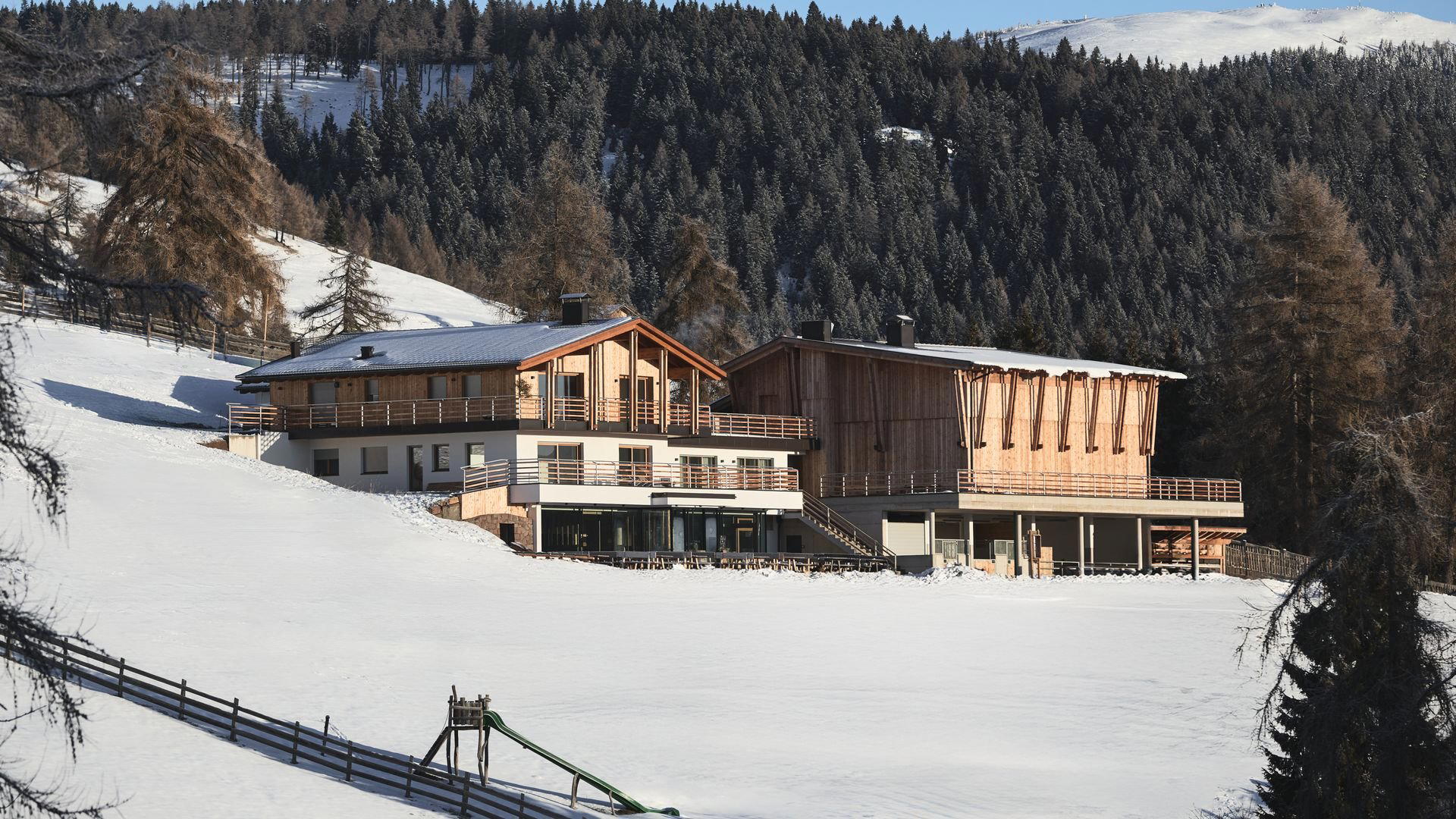
At a Glance
- Scenic
- Quiet
- Rustic
- Cozy
- Solo Exploration
- Group Outing
- Special Occasion
- Wine Education
- Historic Building
- Estate Grounds
- Private Tasting
- Organic
- Biodynamic
- Sustainable
- Mountain
- Vineyard
Quiet, high-altitude mountain-farm atmosphere with a biodynamic, traditional feel; the setting is described as sun-kissed, scenic, and shaped by the surrounding Alpine landscape.