
Weingut Sepp Moser is a biodynamic Austrian estate rooted in the Moser family’s long viticultural line, with vineyard work split between Kremstal and the warm gravel soils of Apetlon near Lake Neusiedl. The interest here is terroir translation: Grüner Veltliner and Riesling from one side, Zweigelt and other reds from the other, shaped by hand harvesting, spontaneous fermentation, and a restrained cellar approach.
Pearl is the En Primeur Club membership app — saves, bookings, and concierge access live there. Same editors, same standards.
- Address
- Apetlon, Lake Neusiedl, Burgenland, Österreich
 Saves & bookings on Pearl
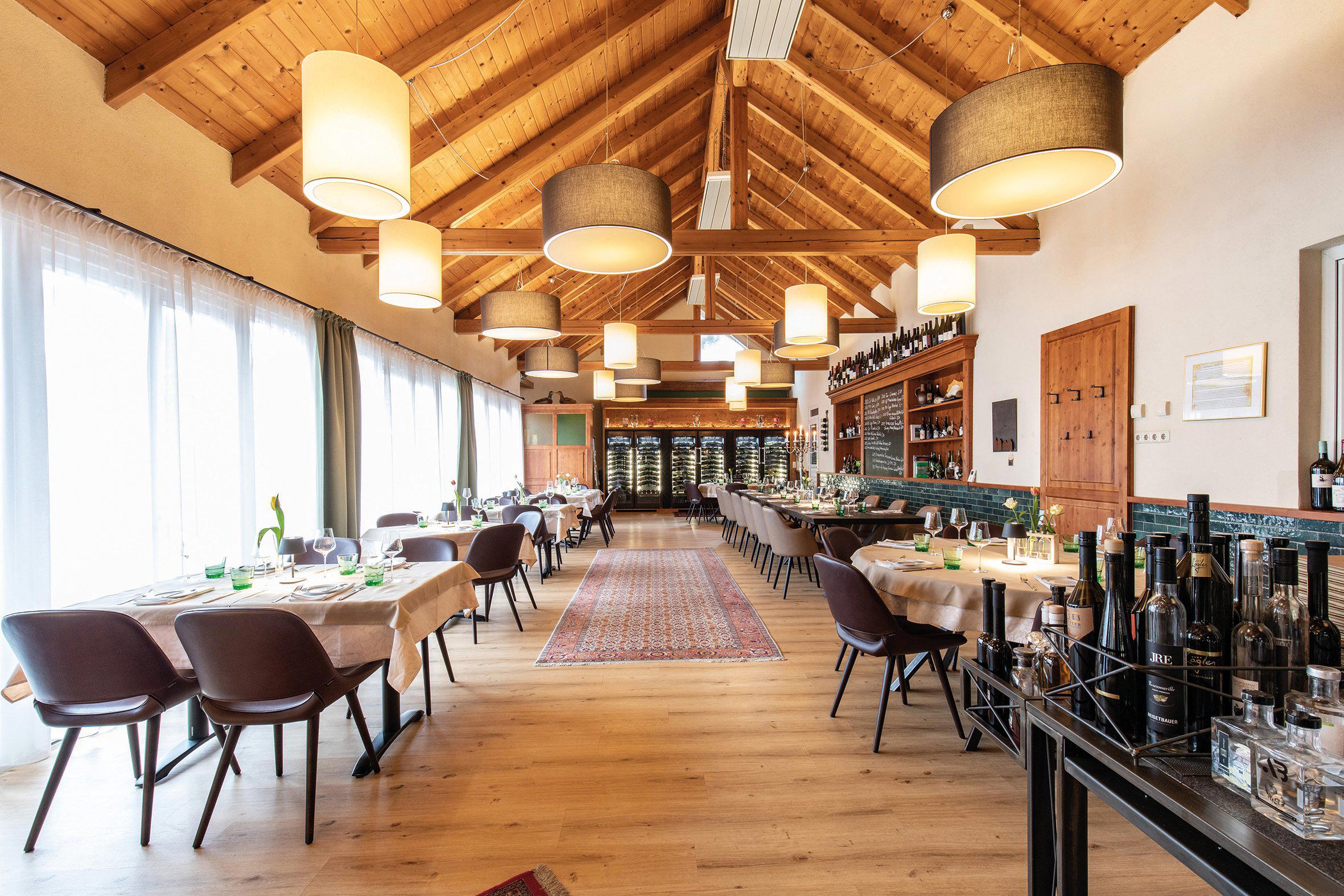
Weingut Sepp Moser in Apetlon is best approached as a winery page with a narrow but useful set of details. The confirmed picture is not a restaurant-style dossier with menus, opening hours, chef names, seat counts, or a long list of services. What is is the character of the place: an organic, biodynamic winery atmosphere, a hands-on and minimal-intervention philosophy, and a special conservatory tasting room noted for tastings. The setting is described as quiet, rustic, classic, and scenic, which gives visitors a clear expectation without overstating what is publicly confirmed.
That restraint matters. Many winery profiles become inflated with unsupported claims about vineyard sites, grape varieties, production history, awards, appointment rules, or exact tasting formats. For Weingut Sepp Moser, the reliable guide is simpler: this is a biodynamic winery in Apetlon where the experience is framed by a practical, hands-on approach rather than by spectacle. The appeal is in the tone of the visit and the atmosphere of the tasting environment, not in a list of specific bottles, technical cellar details, or hospitality add-ons.
Apetlon winery context
Apetlon gives the venue its confirmed location and should be the anchor for planning. That also keeps the guide honest: it avoids implying proximity to particular sights, regions, or named neighboring venues.
Particularly useful confirmed description is atmospheric. Weingut Sepp Moser is presented as quiet, rustic, classic, and scenic. Those words suggest a winery visit with a grounded sense of place rather than a high-design hospitality concept. The special conservatory tasting room is the clearest feature of the guest experience, and it gives the visit a concrete setting without requiring unsupported claims about group size, duration, reservation rules, tasting sequence, or service style.
The winery’s identity centers on biodynamic practice, an organic atmosphere, and a hands-on, minimal-intervention philosophy. Anything more specific, such as exact grape varieties, vintage highlights, awards, or detailed tasting packages, should be checked directly before planning around it.
Biodynamics here is part of the identity
The strongest claim about the winery is that it carries an organic, biodynamic winery atmosphere. That does not, by itself, verify every farming or cellar practice sometimes associated with biodynamic estates. It does, however, support a clear reading of the venue’s public character: the winery is not being presented as a purely commercial tasting stop, but as a place where farming philosophy and low-intervention thinking are central to the experience.
The hands-on, minimal-intervention philosophy is also important because it sets expectations for the kind of story visitors are likely to encounter. The guide should not invent technical details about fermentation, oak use, yields, vineyard parcels, or specific bottlings. Instead, the grounded point is broader and still meaningful: the winery is described through a working-winery mindset, where the atmosphere and philosophy matter as much as the polished hospitality layer.
Price is listed as $$, which places the venue in a moderate price category. The $$ marker should therefore be read only as a general price signal, not as a promise about any particular tasting cost or purchase minimum.
What the visit is about
The visit experience is quiet and scenic, with rustic and classic notes. That makes the winery a good fit for travelers who prefer a calmer winery atmosphere over a heavily staged or nightlife-oriented setting. The conservatory tasting room is the one specific hospitality feature that can be stated confidently. It gives the venue a distinctive tasting-room image while keeping the description within confirmed facts.
Visitors who need any of those details should confirm them directly with the winery before making firm plans.
The critical read on the winery is direct: its value lies in a biodynamic, organic winery atmosphere in Apetlon, a hands-on minimal-intervention philosophy, and a conservatory tasting room suited to tastings. It is a restrained profile, but that restraint is useful. Rather than building the venue around awards, grape lists, founder stories, or service claims, particularly reliable recommendation is to treat it as a quiet, rustic, scenic Apetlon winery with a clear biodynamic identity.
Recognition history
Dated appearances from independent guides and award organizations, with the underlying list record or original source where available.
Falstaff Winery - 3 Stars
Falstaff
At a Glance
- Quiet
- Rustic
- Classic
- Scenic
- Wine Education
- Group Outing
- Special Occasion
- Estate Grounds
- Private Tasting
- Historic Building
- Organic
- Biodynamic
- Vineyard
- Kremstal Dac; Neusiedlersee DAC
- Zweigelt
- Grüner Veltliner
- Riesling
- Merlot
- Cabernet Sauvignon
- Still Red
- Still White
- Dessert
- Private Tasting
- Walk Around Tasting
Organic, biodynamic winery atmosphere with a hands-on, minimal-intervention philosophy and a special conservatory tasting room noted for tastings.