
Falstaff Winery - 2 Stars
Weingut Kastler Friedland is a small Saxon winery in Radebeul, set in a historic estate atmosphere with a quiet tasting-room format. The draw is Elbtal wine in a compact, regional register: Scheurebe, Müller-Thurgau, Weißburgunder, Dornfelder, Bacchus and Kerner, with a focus on still white and red wines rather than spectacle.

Pearl is the En Primeur Club membership app, where members save venues, book tables and use the concierge.

Radebeul’s wine country is best understood through its local scale: historic settings, estate-house atmosphere and wines tied to the Elbe Valley rather than to a generic international template. In that context, Weingut Kastler Friedland belongs to the quieter side of the city’s wine culture, where the setting and the regional focus matter as much as formal grandeur. Its appeal rests on a sense of place, not on spectacle, and that makes the venue easier to appreciate when approached as part of Radebeul’s own wine landscape.
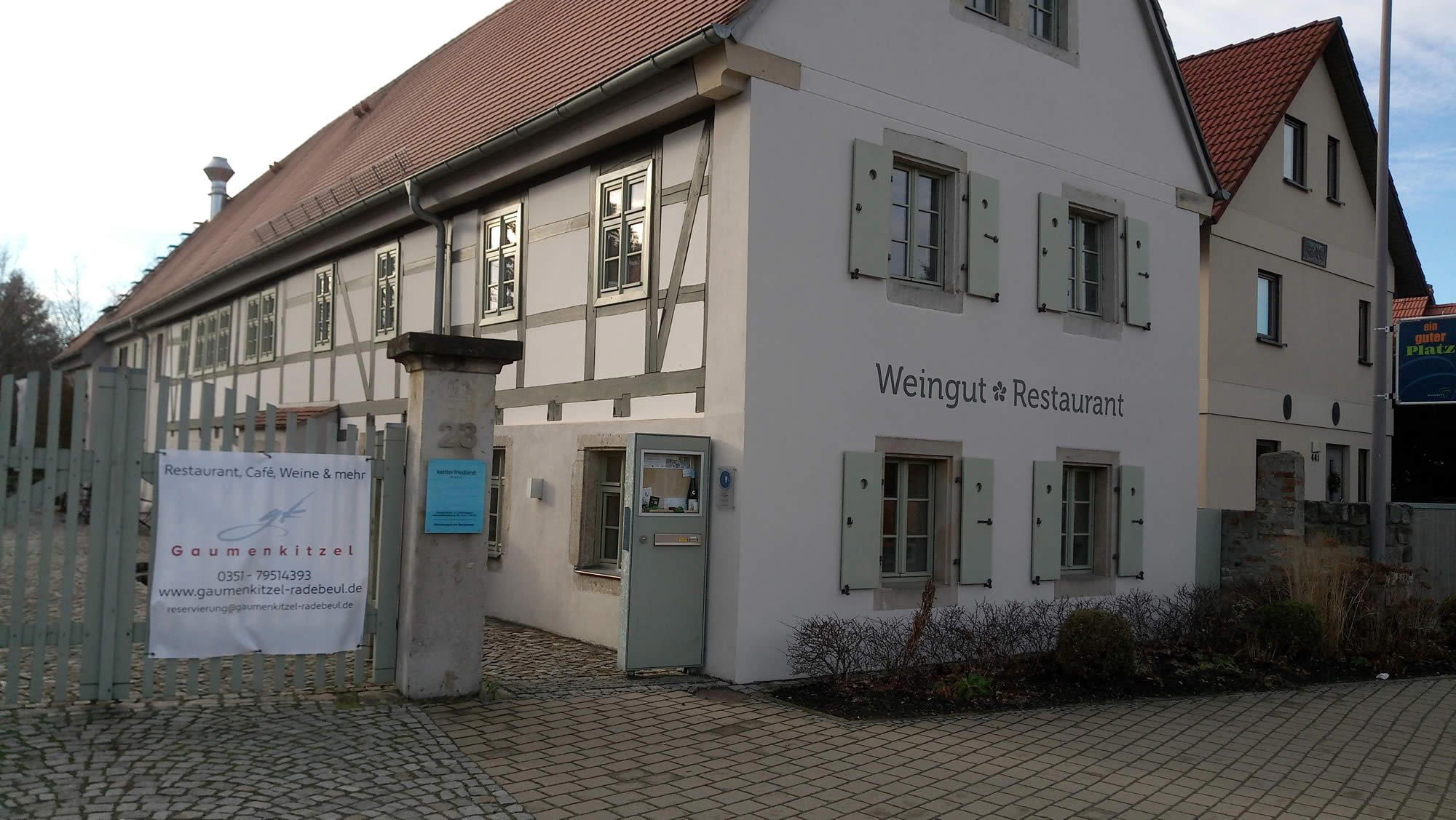
The picture of Weingut Kastler Friedland is deliberately compact. It is a Radebeul winery with an old estate-house feel, an emphasis on Elbtal wines and classic Saxon grape varieties, and a rustic, quiet mood. The value of that compact description is its clarity: it points to a modest, regionally rooted wine address rather than a destination that needs to be framed through grand claims.
Elbtal wines in a compact Saxon register
The most useful way to read Weingut Kastler Friedland is through its regional emphasis. The draw is not a claimed international tasting format, a documented restaurant program or a published ranking, but the connection to Elbtal wines and classic Saxon grape varieties. For travelers who are used to larger German wine regions, that local register is part of the appeal. It suggests a narrower, more place-specific experience, where the interest lies in how Saxon wine culture expresses itself in Radebeul rather than in comparison with more famous wine destinations.
Experience should be understood as local and atmospheric rather than described through unsupported technical detail. The useful expectation is therefore not a checklist of formal features, but a tone: regional, restrained and tied to the setting.
That restraint is important. What can be said confidently is that Weingut Kastler Friedland is positioned around regional Saxon wine culture, with an estate-house character that makes the visit feel more intimate than showy. In editorial terms, the safest reading is also the most persuasive one: this is a winery whose identity comes from its locality, its quietness and its relationship to the Elbtal, rather than from any promise of scale or polish.
A historic estate mood without the big-tour rhythm
The atmosphere is described as rustic, quiet, classic and slightly hidden-gem in character. The old estate-house feel gives Weingut Kastler Friedland much of its identity. This is the kind of Radebeul address to consider when the setting matters: historic winery mood, local wine reference points and a calm frame for understanding the Elbtal. The phrase hidden-gem should be read softly here, as a description of mood rather than a claim of discovery; it points to a venue that feels somewhat from louder forms of wine tourism.
What should not be assumed is equally important. Those may be common questions for travelers, but they are not confirmed here. The cleanest expectation is simply a quiet Saxon winery setting focused on wine rather than a full dining or entertainment brief. That distinction helps prevent overplanning around services that are not stated, while still leaving room to value the venue for what is clearly present: a calm, rustic wine atmosphere.
Price sits in the $$ range, which places the venue in an accessible middle bracket rather than at the most expensive end of wine travel. That price note is one of the few confirmed practical details, so it should be used carefully: it indicates cost level, not a specific tasting fee, bottle price, menu price or package. In practice, it is best treated as a broad signal for planning rather than as a detailed cost guide.
How to place it within a Radebeul wine day
Radebeul works well when treated as a wine town rather than a single-stop destination. Weingut Kastler Friedland’s role in that picture is quiet and regional: a historic-feeling winery estate with an emphasis on Elbtal wines and classic Saxon grape varieties. It is best understood as part of the city’s broader wine character, not as a venue defined by awards, rankings or hospitality claims. That makes it especially coherent as one piece of a day shaped around atmosphere, landscape and local wine identity.
Within Radebeul, other dining and wine options can be considered generically depending on the day’s priorities. Some travelers will want a fuller meal elsewhere before or after a wine-focused stop; others may prefer to keep the visit centered on the winery setting itself. The key is to avoid treating Weingut Kastler Friedland as a restaurant unless a specific food program is confirmed. Framing it this way keeps expectations fair and lets the estate-house mood and regional wine focus remain the main reasons to go.
For planning, keep the confirmed facts simple: the venue is in Radebeul, the price level is $$, and the appeal is the historic winery setting with an old estate-house feel, quiet rustic mood, Elbtal wines and classic Saxon grape varieties. That makes Weingut Kastler Friedland a grounded choice for travelers seeking a local Saxon wine atmosphere rather than a heavily packaged experience. It is most compelling when approached with patience and proportion: as a modest, place-led winery that reflects Radebeul’s quieter wine culture.
Recognition history
Dated appearances from independent guides and award organizations, with the underlying list record or original source where available.
Falstaff Winery - 2 Stars
Falstaff
Continue exploring
More in Radebeul
Wineries in Radebeul
All wineries in Radebeul →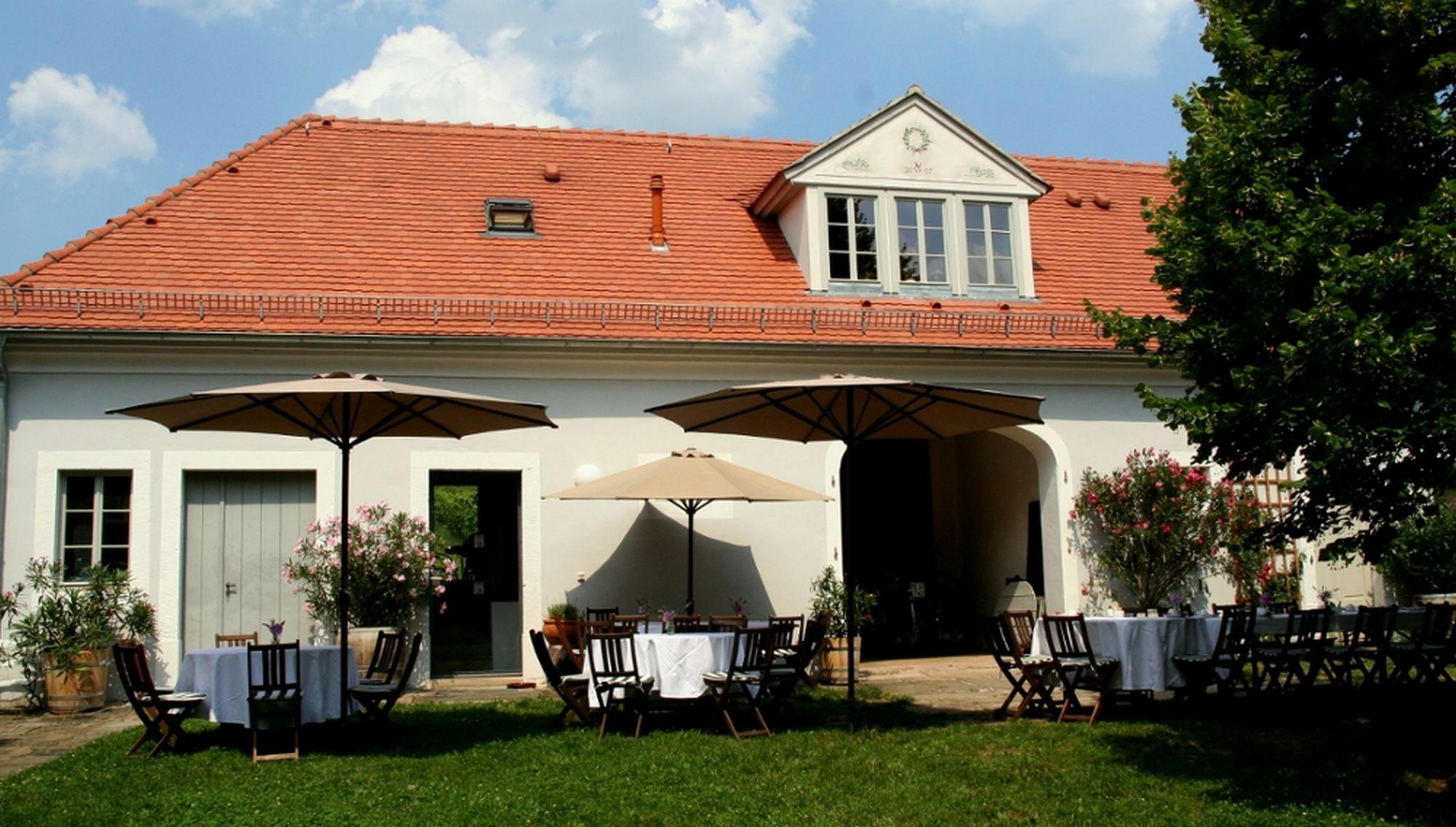
Restaurants in Radebeul
All restaurants in Radebeul →
Details
- Rustic
- Quiet
- Classic
- Solo Exploration
- Wine Education
- Special Occasion
- Historic Building
- Estate Grounds
- Private Tasting
- Vineyard
- Scheurebe
- Müller Thurgau
- Weißburgunder
- Dornfelder
- Bacchus
- Kerner
- Still White
- Still Red
- Tasting Room
Historic winery setting with an old estate-house feel and an emphasis on Elbtal wines and classic Saxon grape varieties.