Weingut Darting

Weingut Darting is a long-rooted Pfalz estate in Bad Dürkheim, with family winegrowing history traced to 1780 and a modern reputation built around restrained cellar work. The interest here is terroir expression rather than spectacle: 24 hectares of vineyards, minimal-intervention production, and a portfolio where Pinot Meunier, Spätburgunder, Riesling, and Schwarzriesling carry the argument.
Pearl is the En Primeur Club membership app — saves, bookings, and concierge access live there. Same editors, same standards.
- Address
- Bad Dürkheim, Pfalz (Palatinate), Rhineland-Palatinate, Deutschland
 Saves & bookings on Pearl
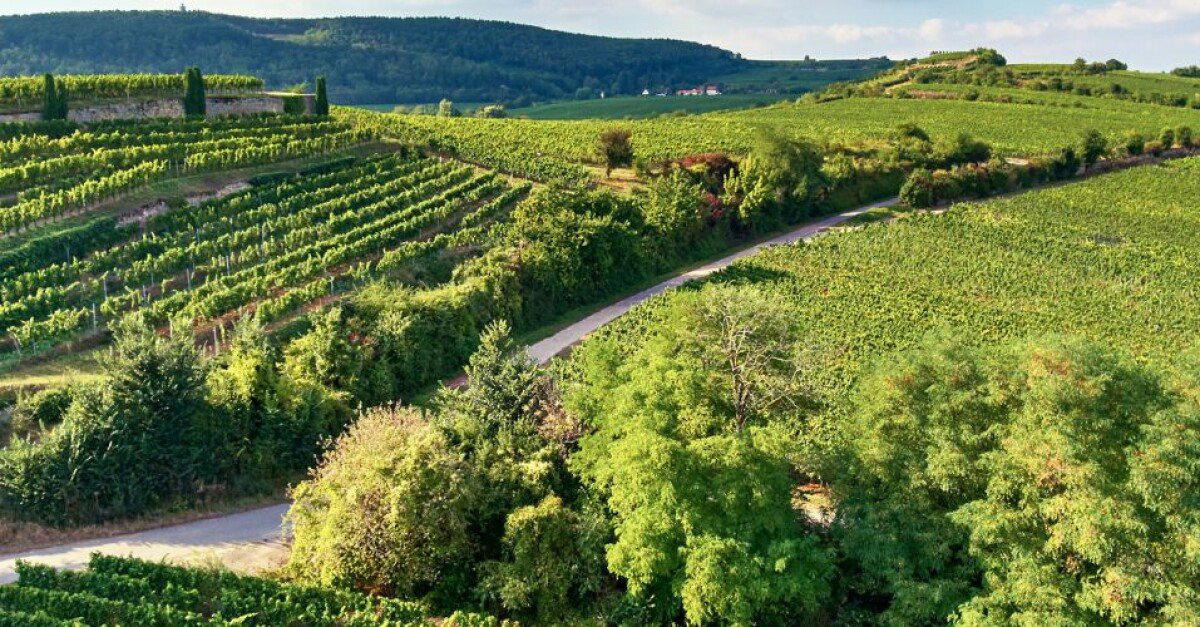
Bad Dürkheim wine country reads differently from the colder German stereotype: broader light, a Mediterranean tilt to the growing season, and a Pfalz setting where ripeness and freshness can sit side by side. In that context, Weingut Darting is best understood as a traditional, family-run winery rather than as a venue built around spectacle. Its history dates to 1780, and the picture is one of a classic, rustic, slightly hidden-gem estate whose identity is tied to terroir-driven wines and restrained cellar work.
Because the confirmed information for Weingut Darting is deliberately limited, the safest way to frame the estate is not through invented vineyard lists, grape rosters, tasting formats, or hospitality details. The grounded story is simpler and more useful: this is a long-running Pfalz winery in Bad Dürkheim, operating in a warm, Mediterranean-influenced climate and emphasizing wines that aim to express place with minimal intervention. That combination is the core reason to pay attention to it.
Terroir expression without cellar noise
The important idea behind Weingut Darting is its commitment to terroir-driven, minimal-intervention wines. That does not require overstating the case with unconfirmed techniques, named vineyard parcels, or cellar specifications. It means the estate is presented as one where the vineyard and the regional setting matter more than a glossy, highly manipulated style. For readers using EP Club as a planning tool, that distinction is helpful: the appeal is not a big-production winery narrative, but a quieter, more traditional Pfalz profile.
Bad Dürkheim’s setting matters to that profile. The Mediterranean-climate character of the area gives the wines a different frame from the shorthand many drinkers still attach to Germany. The region can offer warmth and generosity, yet the leading examples remain interesting when they keep definition and do not blur into heaviness. The winery’s emphasis on terroir and minimal intervention fits that balance: it suggests a winery concerned with place, restraint, and continuity rather than fashion.
The estate’s long history is also part of the appeal. A date of 1780 places the winery inside a deep local tradition, and the family-run character keeps the focus on continuity rather than branding. That does not tell you every detail of the cellar, the current portfolio, or the visitor experience, and those specifics should not be invented. It does, however, support a clear reading of the venue as classic, rustic, and rooted in Bad Dürkheim’s wine culture.
Why the Pfalz context matters
For many travelers, the Pfalz is most rewarding when approached through estates that make the region feel specific rather than generic. The winery belongs in that conversation because the facts point toward a producer shaped by local climate, family continuity, and terroir-led thinking. The draw is not an award list, a named chef, a restaurant-style menu, or a set tasting format. It is the chance to understand a Bad Dürkheim winery whose identity is built around place.
That is why the word “” is useful here, provided it is kept modest. It should not be read as a claim of exclusivity, secret access, or a hard-to-book private program.
The price indicator is listed as $$, which places the estate in a moderate bracket for EP Club purposes. The same caution applies to grape varieties, individual bottlings, awards, and exact service arrangements: they may exist, but they are not part of the confirmed data.
A Bad Dürkheim estate for drinkers who like context
The winery is well suited to drinkers who want a grounded Pfalz reference point rather than a heavily packaged destination. The estate’s character is traditional, rustic, family-run, and historically deep. In practical terms, that makes it appealing for people who enjoy understanding how a winery’s place and philosophy shape the glass, especially in a region where warm climate, local history, and restrained winemaking can work together.
For first-time visitors to Bad Dürkheim, the estate offers an honest way into the area’s wine identity: not through a long list of unconfirmed amenities, but through a clear set of signals. It is in Bad Dürkheim, it belongs to the Pfalz, its roots go back to 1780, and it emphasizes terroir-driven wines with a minimal-intervention approach. Those facts are enough to establish the venue’s reason for inclusion without adding unsupported claims.
Readers mapping a wider Bad Dürkheim itinerary should treat the winery as a wine-focused stop and compare it with other dining, drinking, hotel, winery, and experience options in Bad Dürkheim generically. If exact visit conditions, opening times, tastings, food availability, accessibility, or current releases matter to the plan, confirm them directly with the estate before going. The strongest case for the winery remains its classic Pfalz identity: a family-run winery with roots in 1780, a rustic hidden-gem feel, and a terroir-led, minimal-intervention philosophy.
Recognition history
Dated appearances from independent guides and award organizations, with the underlying list record or original source where available.
Falstaff Winery - Listed
Falstaff
Continue exploring
More in Bad Dürkheim
At a Glance
- Classic
- Rustic
- Wine Education
- Group Outing
- Special Occasion
- Historic Building
- Private Tasting
- Sustainable
- Pfalz
- Pinot Meunier
- Pinot Noir
- Riesling
- Schwarzriesling
- Still Red
- Still White
- Sparkling
- Private Tasting
Traditional family-run Pfalz winery with a long history dating to 1780, emphasizing terroir-driven, minimal-intervention wines in a Mediterranean-climate setting.