Wabi-Sabi Wine

Falstaff Winery - Listed
Wabi-Sabi Wine is a small Krems an der Donau natural-wine project from Franz Hofstätter, opened in 2016 and shaped around low-intervention cellar work. Its frame is compact rather than estate-theatre: Riesling, Grüner Veltliner, Muskateller, Blaufränkisch, Zweigelt and Chardonnay sit alongside orange wine and pét-nat in a cellar-led reading of the Danube wine region.

Pearl is the En Primeur Club membership app — saves, bookings, and concierge access live there. Same editors, same standards.

Wabi-Sabi Wine is best understood through a small set of signals rather than through a long list of public claims. The confirmed profile is concise: Wabi-Sabi Wine is in Krems At The Donau, is listed at a $$ price level, and presents a low-intervention, natural-wine atmosphere. Its own narrative centers on imperfection, terroir expression and a low-tech cellar approach, with an emphasis on clean, bone-dry, fruit-driven wines made with minimal intervention.
Natural wine in Krems At The Donau, framed by imperfection and terroir expression
The most reliable way to read Wabi-Sabi Wine is through its stated natural-wine language. The name points toward an appreciation of imperfection, and the description supports that reading: low intervention, a preference for terroir expression, and a cellar philosophy described as low tech. In wine terms, that means the venue’s identity is not built around polish for its own sake. The appeal is more about restraint, texture, place and the idea that wine can remain expressive without being heavily engineered.
The confirmed style notes are also specific enough to be useful. Wabi-Sabi Wine’s narrative emphasizes clean, bone-dry, fruit-driven wines with minimal intervention. Those phrases matter because “natural wine” can mean many things in practice. Here, the language does not suggest sweetness, luxury service or a broad hospitality program. It suggests wines that aim to stay dry, clear in fruit character and connected to place, while keeping cellar handling deliberately modest.
What should not be added is equally important. It also does not verify a named winemaker, production scale, vineyard location, sustainability certification or award history. Rather than treating those gaps as invitations to speculate, the safer reading is narrower: Wabi-Sabi Wine is a natural-wine project in Krems At The Donau with a quiet, low-intervention identity and a low-tech cellar philosophy.
A quiet, cozy, hidden-feeling natural-wine atmosphere
The atmosphere is one of the stronger confirmed points. Wabi-Sabi Wine is described as quiet, cozy and hidden, with a natural-wine sensibility centered on imperfection and terroir expression. That places it away from a high-volume, high-gloss idea of wine hospitality. The expected mood is more restrained: a setting where the wines and the philosophy around them carry the experience more than spectacle or elaborate service claims.
$$ price marker gives only a broad signal. It does not confirm bottle prices, tasting fees, menu prices or a value ranking against other venues. That distinction matters because wine venues can vary widely depending on whether someone is buying by the glass, tasting, purchasing bottles or attending a hosted experience.
How to place it within a Krems At The Donau wine itinerary
Within Krems At The Donau, Wabi-Sabi Wine makes the most sense for visitors who are specifically interested in low-intervention wine language and a quieter setting. The draw is not a confirmed restaurant program, luxury build-out or award résumé. It is the combination of natural-wine atmosphere, low-tech cellar thinking, bone-dry fruit-driven style and an emphasis on terroir expression.
For a broader day in the city, compare Wabi-Sabi Wine with other dining and drinking options in Krems At The Donau generically rather than assuming they share the same format. Some visitors may want a fuller restaurant experience elsewhere before or after seeking out a wine-focused stop; others may be satisfied with a compact, wine-led visit if that is what the venue is offering at the time. The key is to treat Wabi-Sabi Wine as its own thing, not as a stand-in for every kind of local hospitality.
The honest summary is simple: Wabi-Sabi Wine is a $$ venue in Krems At The Donau with a quiet, cozy, hidden-feeling natural-wine atmosphere. Its identity centers on minimal intervention, imperfection, terroir expression and a low-tech cellar approach, with clean, bone-dry, fruit-driven wines at the heart of the brand narrative. Beyond that, practical details should be confirmed directly before planning a visit.
Recognition history
Dated appearances from independent guides and award organizations, with the underlying list record or original source where available.
Falstaff Winery - Listed
Falstaff
Continue exploring
More in Krems At The Donau
Wineries in Krems At The Donau
All wineries in Krems At The Donau →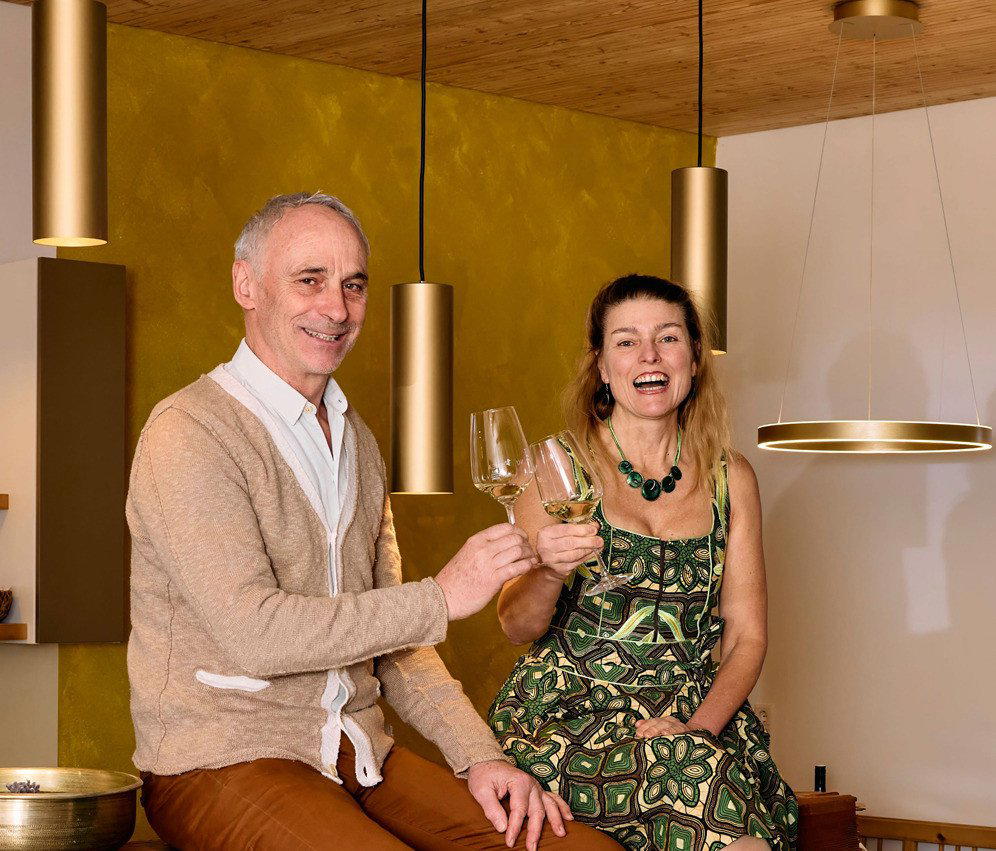
Bars in Krems At The Donau
All bars in Krems At The Donau →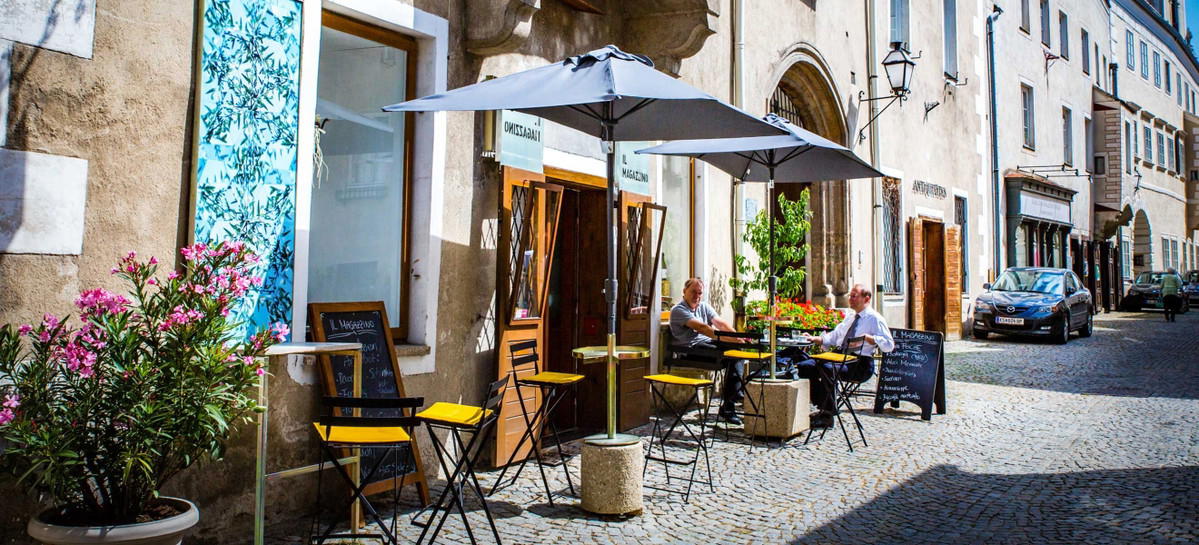
Details
- Quiet
- Cozy
- Rustic
- Minimalist
- Solo Exploration
- Wine Education
- Special Occasion
- Private Tasting
- Sustainable
- Vineyard
Low-intervention, natural-wine atmosphere centered on imperfection, terroir expression, and a "low tech" cellar approach; the brand narrative emphasizes clean, bone-dry, fruit-driven wines with minimal intervention.