Schloss Wachenheim

Falstaff Winery - Listed
Schloss Wachenheim is a historic Sekt house in Wachenheim an der Weinstraße, founded in 1888 and framed around Pfalz sparkling-wine culture rather than a small-estate tasting-room model. Its appeal is the château-and-cellar setting, the guided visitor format, and the unusual combination of regional identity with large-scale sparkling-wine production.

Pearl is the En Primeur Club membership app — saves, bookings, and concierge access live there. Same editors, same standards.

The approach to Schloss Wachenheim is less cellar-door minimalism than old European wine estate theatre: a classic château setting, landscaped park, and an elegant historic atmosphere in Wachenheim an der Weinstraße. The draw is not a restaurant-style promise or a detailed tasting-room checklist, but the sense of a sparkling-wine estate tied to traditional bottle fermentation and visitor experiences. It reads as a place where architecture, grounds, and wine culture work together, giving the visit a more formal and scenic frame than a simple stop for a glass.
For travellers, the useful way to frame Schloss Wachenheim is as a scenic, historic stop rather than a page of particulars. The setting supports a polished estate visit: classic architecture, parkland, and a public identity built around sparkling-wine heritage in Wachenheim an der Weinstraße. That means expectations should be calibrated around atmosphere and context first, with practical details checked separately if they matter to the day’s plan.
Sparkling wine through a château-estate lens
The property’s strongest editorial interest is place as cultural identity. Schloss Wachenheim presents sparkling wine in a setting defined by a château atmosphere and landscaped park, with those elements doing much of the atmospheric work. The estate language is important here: the experience is not reduced to a counter, a menu, or a single hospitality format, but is shaped by the wider visual and historical impression of the property.
This is where the estate setting matters. The visitor experience pulls attention back to Wachenheim an der Weinstraße: not through claims about specific parcels, named releases, tour times, or detailed production scale, but through the broader historic frame of a sparkling-wine estate associated with traditional bottle fermentation. That association gives the venue a clear place in wine travel without needing to overstate the available details. It is enough to understand Schloss Wachenheim as a site where sparkling-wine heritage is presented through a classic estate environment.
Readers should not treat this as a restaurant profile with cuisine, chef, seat count, menu format, or service details. The grounded information is simpler: Schloss Wachenheim is a $$ historic sparkling-wine estate experience in a classic, scenic, elegant château setting. Its appeal depends less on itemised hospitality promises and more on the combined impression of history, setting, and sparkling-wine identity.
The visit is about heritage, setting, and sparkling-wine context
Hospitality at Schloss Wachenheim is best understood through its heritage atmosphere and visitor-experience identity. The tone is more estate visit than casual bar: historic surroundings, a landscaped park, and a château context that gives the place its sense of occasion. For a traveller moving through Wachenheim an der Weinstraße, that sense of occasion is part of the value, because it turns a wine-related stop into a broader encounter with place.
The useful comparison is not with a specific dining format, but with expectations. A conventional restaurant listing often turns on cuisine, chef, menu structure, and service style. Here, the appeal is the historic sparkling-wine estate setting in Wachenheim an der Weinstraße. The venue should therefore be read as a heritage-led wine stop, not as a source of confirmed dining particulars.
That makes Schloss Wachenheim a natural fit for travellers who want a scenic, polished stop connected to sparkling-wine culture. Those are the kinds of details that can change the logistics of a visit, so they should not be inferred from the estate atmosphere alone.
For wider planning, pair Schloss Wachenheim with other dining and hospitality options in Wachenheim an der Weinstraße generically, using the estate as the historic sparkling-wine anchor for the route. In that role, it gives an itinerary a clear focal point: a formal, elegant setting connected to sparkling-wine heritage, around which meals or other local stops can be arranged as needed.
How to read it within wine travel
Schloss Wachenheim is useful because it broadens the usual image of wine travel. Instead of focusing on a restaurant meal, a single chef, or a small tasting counter, it offers a classic château setting connected to sparkling wine, traditional bottle fermentation, and visitor experiences. That makes it especially relevant for readers who value atmosphere as part of the wine experience, not only the liquid in the glass.
That does not require adding claims. The strongest reason to consider Schloss Wachenheim is the combination of Wachenheim an der Weinstraße location, historic estate atmosphere, landscaped park, and elegant sparkling-wine identity. Visitors looking for specific menus, scores, award histories, or detailed service logistics should confirm those separately before planning around them. The safest reading is also the most useful one: Schloss Wachenheim is a scenic estate context for sparkling-wine culture, rather than a fully specified restaurant or tasting-room brief.
For broader wine itineraries beyond this venue, EP Club readers can compare Schloss Wachenheim with other unnamed options in Wachenheim an der Weinstraße and choose according to the kind of visit they want: scenic estate atmosphere, a meal, a hotel stay, or another local experience. Within that mix, Schloss Wachenheim occupies the heritage-estate position, giving the route a polished sparkling-wine reference point without needing to claim more than the available information supports.
Recognition history
Dated appearances from independent guides and award organizations, with the underlying list record or original source where available.
Falstaff Winery - Listed
Falstaff
Continue exploring
More in Wachenheim an der Weinstraße
Wineries in Wachenheim an der Weinstraße
All wineries in Wachenheim an der Weinstraße →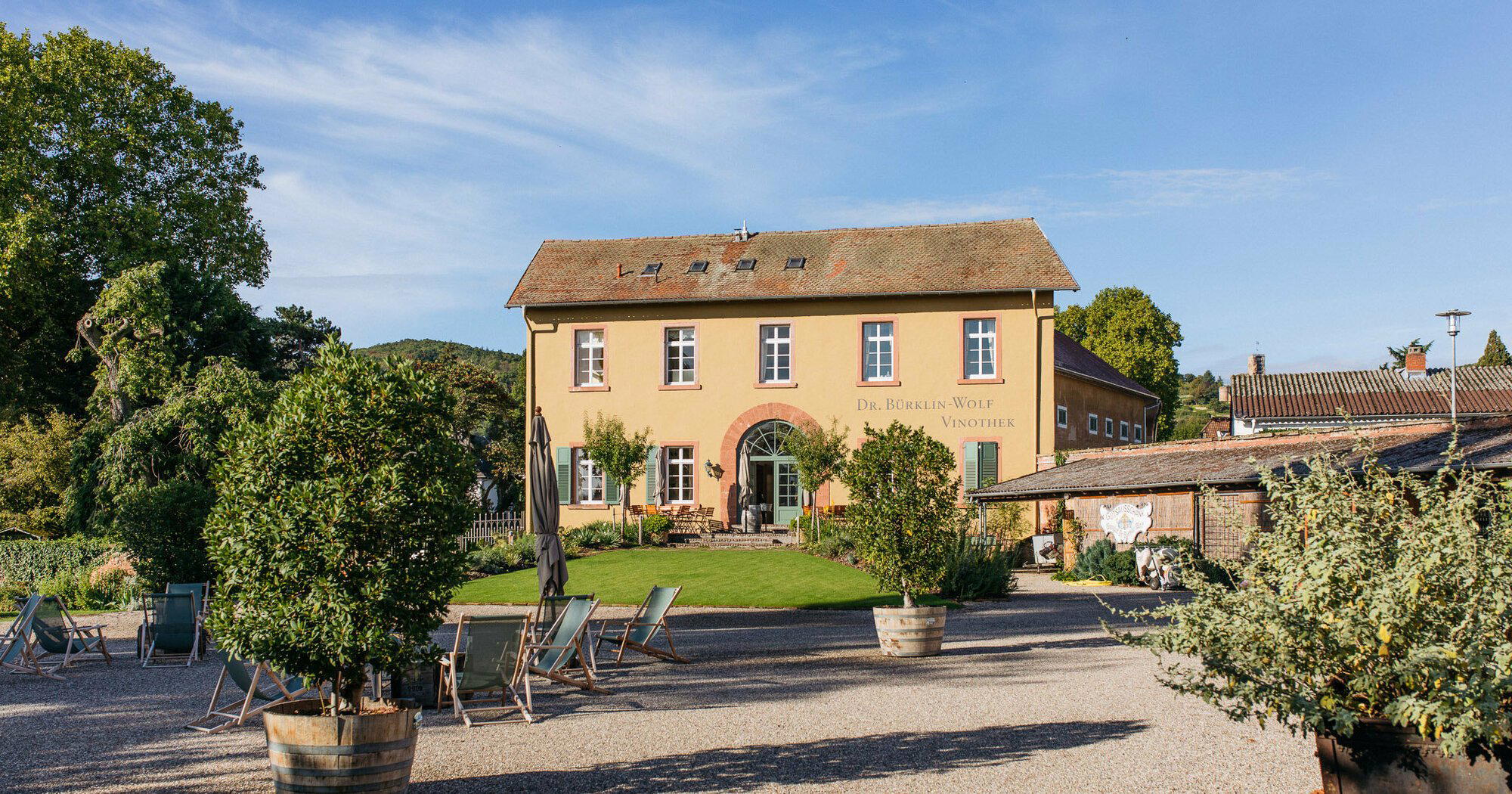
Restaurants in Wachenheim an der Weinstraße
All restaurants in Wachenheim an der Weinstraße →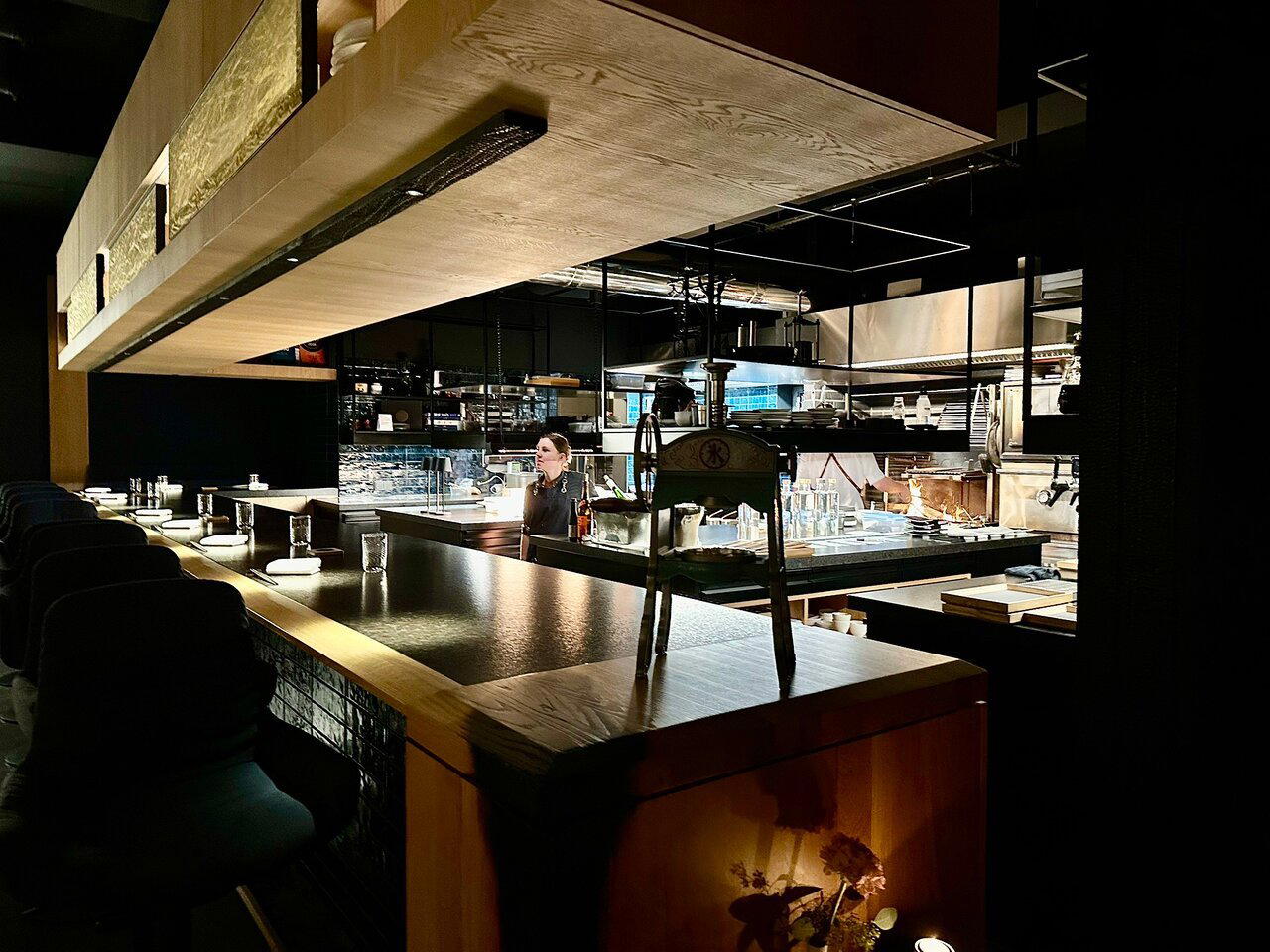
Details
- Classic
- Historic
- Scenic
- Elegant
- Group Outing
- Corporate Event
- Special Occasion
- Celebration
- Historic Building
- Design Destination
- Private Tasting
- Garden
- Sparkling
- Cellar Tasting
- Guided Tasting
- German
- English
Historic sparkling-wine estate atmosphere in a landscaped park, with a classic château setting tied to traditional bottle fermentation and visitor experiences.