Rey Campero Mezcal
Rey Campero Mezcal belongs to Oaxaca’s land-led spirits tradition: family-run, agave-specific, and shaped by the slopes and canyons around Candelaria Yegolé. The palenque’s appeal is less about polished hospitality than about traditional production, long-maturing maguey, and a portfolio that treats species variation as the main event.

Pearl is the En Primeur Club membership app — saves, bookings, and concierge access live there. Same editors, same standards.

Rey Campero Mezcal in Candelaria Yegolé is best understood through its setting: a rural artisanal palenque atmosphere rooted in the culture and tradition of the town. The picture is not a polished urban tasting-room profile, but a production context shaped by a small mountain town, steep slopes, canyons, and traditional mezcal methods. That distinction matters, because it keeps the emphasis on where the mezcal is made and the kind of environment that gives the palenque its character, rather than on a visitor-facing script or a curated hospitality concept.
For EP Club readers, the useful frame is restraint. The available information supports the idea of Rey Campero Mezcal as a place connected to rural craft and traditional production, including the use of earth ovens. More specific claims about bottlings, service format, makers, access, or tasting arrangements should be treated cautiously unless confirmed directly before a visit. In other words, the profile is strongest when it stays close to what can be said with confidence: a rural setting, an artisanal palenque context, and a tradition-led production atmosphere in Candelaria Yegolé.
Rural production context in Candelaria Yegolé
Candelaria Yegolé gives Rey Campero Mezcal its clearest context. The setting is a small mountain town surrounded by steep slopes and canyons, and that geography is central to the atmosphere of the palenque. The details point to a rural production environment rather than a standardized hospitality venue. For readers used to evaluating places through menus, reservations, fixed flights, or designed interiors, this is a different sort of reference point: the value lies in the production setting itself and in the relationship between craft, terrain, and town.
Traditional mezcal production is part of the confirmed identity here, with earth ovens specifically represented in the available information. That detail is important because it anchors the description in a concrete element of process without drifting into unsupported specifics. Beyond that, the page should not overstate particular varieties, flavor notes, batch sizes, or menu-style tasting formats without current confirmation. The absence of those details is not a weakness in the profile; it is a deliberate boundary that keeps the description accurate and useful.
The result is a venue profile that is intentionally modest: the winery is presented here as a rural artisanal palenque in Candelaria Yegolé, not as a place defined by awards, rankings, detailed bottle lists, or invented service details. The strongest reading is therefore atmospheric and contextual. It is about a palenque associated with traditional methods in a mountain-town landscape, where the surrounding slopes and canyons form part of the way the place should be understood.
Culture and tradition without extra claims
The strongest language around the winery is cultural rather than biographical. Its atmosphere is rooted in the culture and tradition of Candelaria Yegolé, with production associated with traditional mezcal methods and a rural mountain-town setting. That cultural framing gives the venue its editorial shape: the point is not to build a mythology around names, dates, or anecdotes that are not supplied, but to recognize the role of place and practice in the palenque’s identity.
That is enough to distinguish it from a generic spirits stop. The appeal is the sense of place: Candelaria Yegolé, the surrounding slopes and canyons, and the artisanal palenque environment. Claims about founders, family lineage, launch dates, or named makers are not included here because they are not part of the public record supplied. Keeping those claims out also avoids turning a grounded rural production profile into a more polished story than the available information can support.
For travelers, the practical takeaway is simple: approach the winery as a traditional rural palenque context. Confirm any visit details, tastings, payments, or bottle availability directly before making plans. That caution is especially relevant because the confirmed description emphasizes production and setting, not a guaranteed public-facing format. Readers should treat the place with the same respect they would bring to any rural craft environment: plan carefully, verify current arrangements, and avoid assuming that the experience will resemble an urban bar, shop, or tasting room.
How to place it in a wider itinerary
The winery is strongest as a Candelaria Yegolé reference point for readers interested in mezcal’s rural production culture. Its identity rests on place, artisanal atmosphere, and traditional methods such as earth ovens, rather than on a confirmed public ranking, fixed tasting format, or detailed hospitality program. That makes it useful in an itinerary not as a checklist attraction, but as a way to understand how mezcal can be tied to a particular rural landscape and local tradition.
Within Candelaria Yegolé, other dining or travel planning should be considered generically unless independently confirmed. The winery remains the central named reference and readers should verify current access and visitor arrangements before relying on any itinerary. The safest approach is to separate what is established from what may change: the rural palenque context and traditional production identity are the core, while the practical details of a visit require direct, current confirmation.
For a wider comparison, keep the focus on production culture rather than claiming direct equivalence. The winery can be read as a rural artisanal palenque shaped by Candelaria Yegolé’s mountain-town setting, steep slopes, canyons, and traditional mezcal methods. That is the cleanest and most accurate way to position it: not as a generalized destination with assumed services, but as a place whose meaning comes from craft, landscape, and the traditions of its town.
Continue exploring
More in Candelaria Yegolé
Wineries in Candelaria Yegolé
Browse all →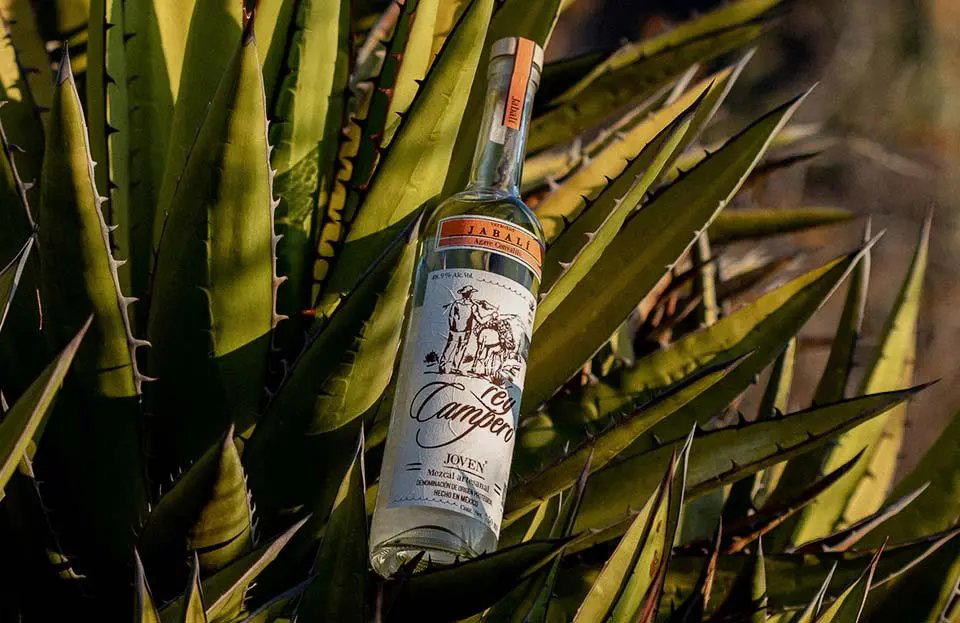
At a Glance
- Rustic
- Well Known
- Solo Exploration
- Group Outing
- Wine Education
- Estate Grounds
- Sustainable
- Mountain
- Oaxaca
- Private Tasting
Rural artisanal palenque atmosphere rooted in the culture and tradition of Candelaria Yegolé, with production taking place in a small mountain town surrounded by steep slopes and canyons and using traditional mezcal methods like earth ovens, tahona milling, open-air fermentation, and copper distillation.