Huis van Chevallerie

Falstaff Winery - Listed
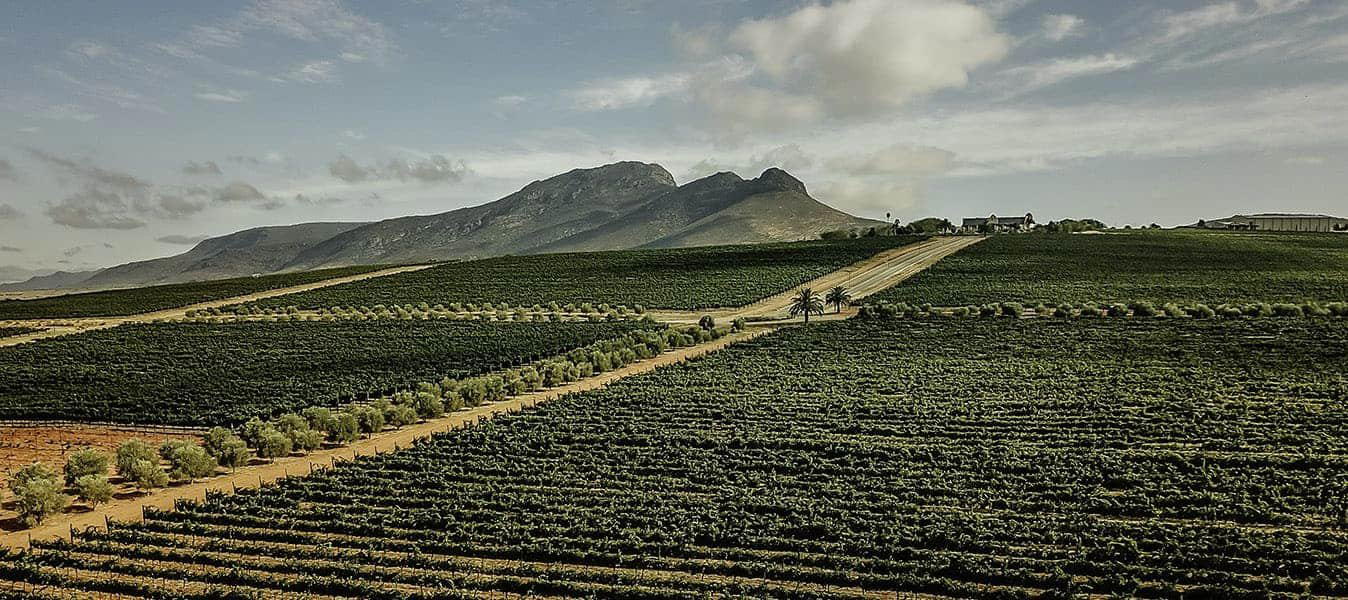
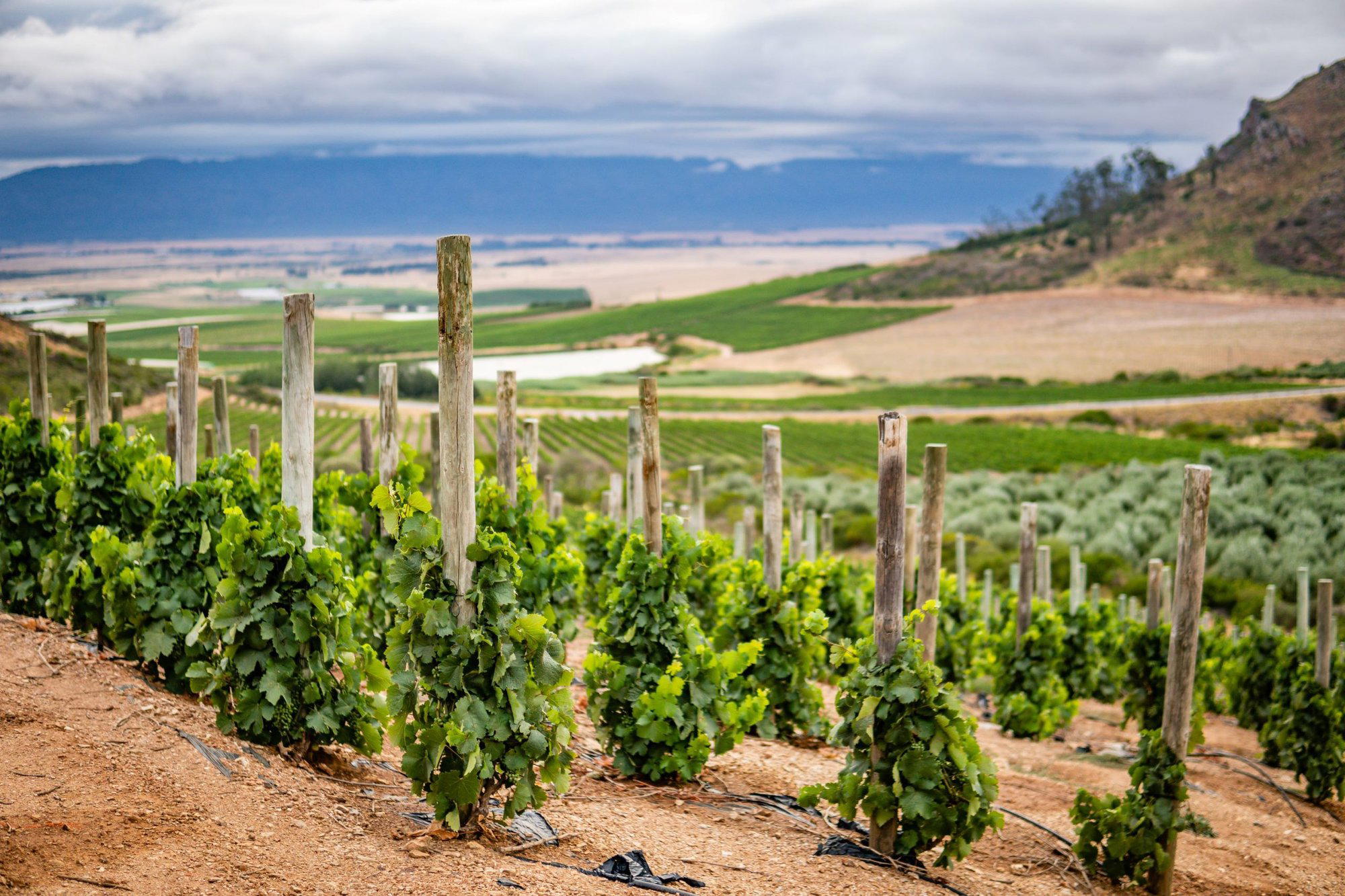
Huis van Chevallerie belongs to the quieter, farm-rooted side of Swartland wine: dry-farmed bush vines, small production and a sparkling Chenin Blanc focus rather than polished cellar-door theatre. Its strongest signal is place, with old Chenin Blanc vines planted in 1976 on Paardeberg slopes and production kept under 1,000 nine-litre cases annually.

Pearl is the En Primeur Club membership app, where members save venues, book tables and use the concierge.

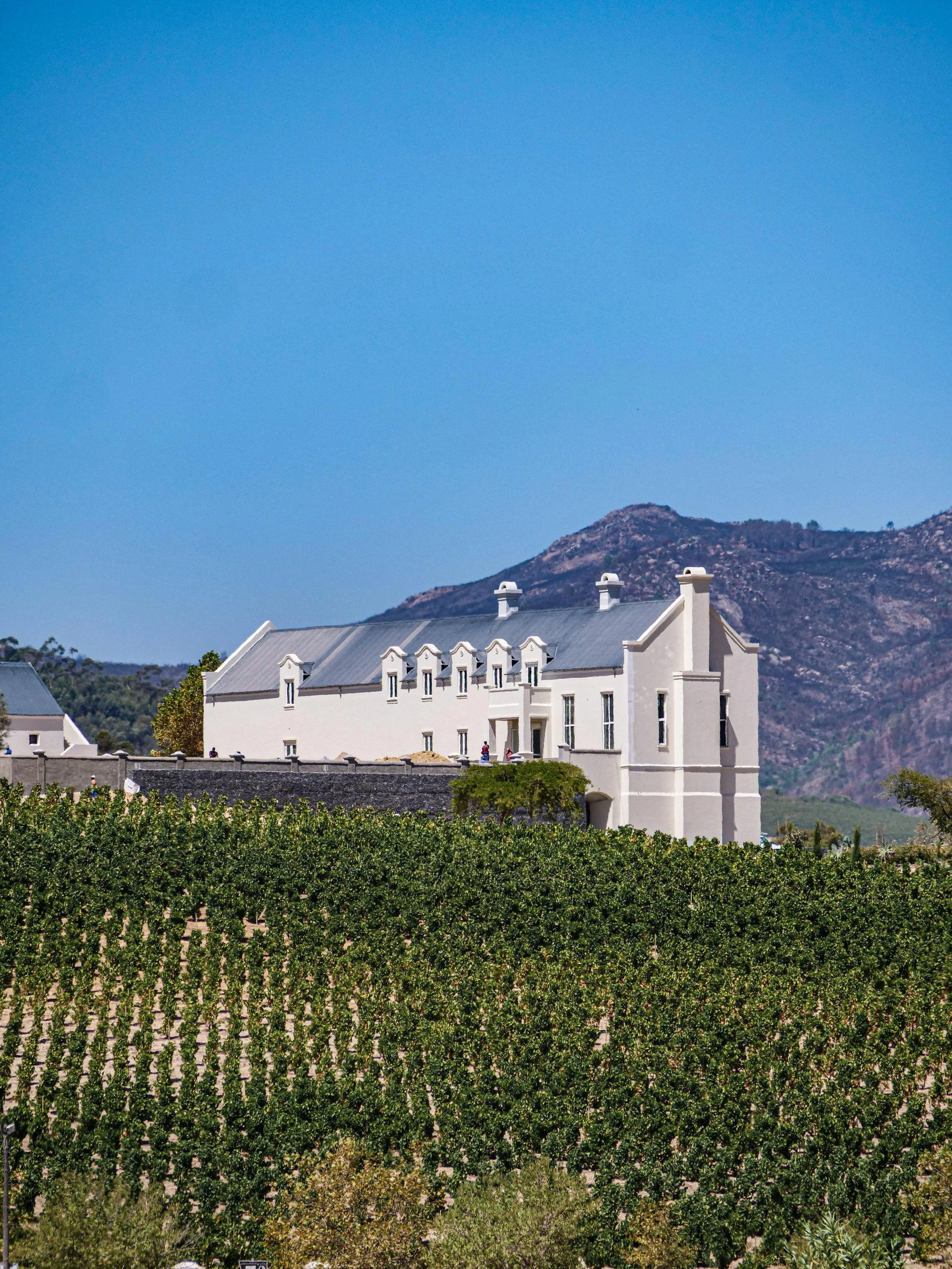
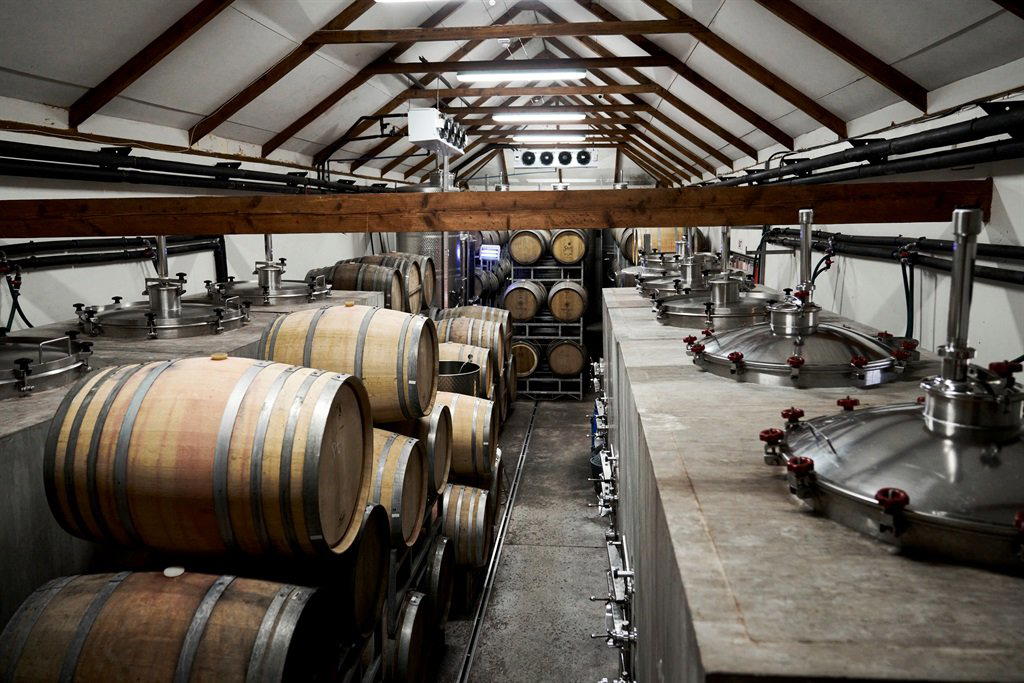
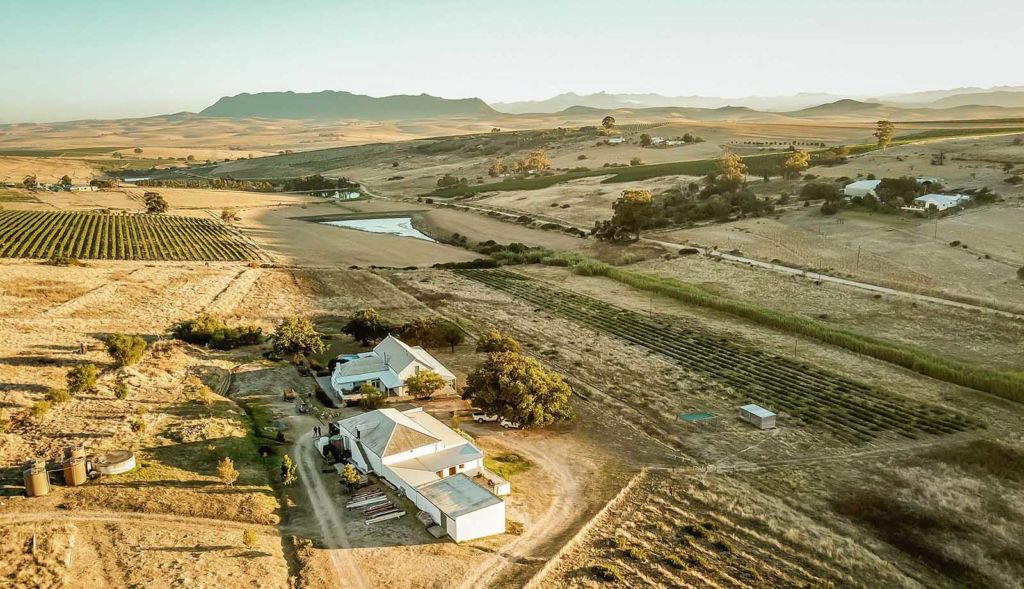
Huis van Chevallerie is a small, family-run farm winery in Swartland with a focus on traditional method sparkling wines from old dry-farmed bush vines. Its appeal is not a polished visitor-centre experience, but a down-to-earth agricultural setting: rustic, scenic, intimate and quiet. In that sense, the venue is best understood on its own terms. It is not trying to be everything to every wine traveller; its interest lies in the connection between farm, vines, landscape and a specific sparkling-wine focus.
For readers interested in Swartland wine, the useful frame is simple: this is a farm-led producer rather than a broad hospitality venue. The draw is the combination of old dry-farmed bush vines, traditional method sparkling wine and a hidden-gem feel in the Swartland landscape. That combination gives the place a more personal, less packaged character, and it will likely resonate most with visitors who enjoy wine experiences that feel close to the land rather than designed around a large-scale tasting-room model.
Old dry-farmed bush vines and traditional method sparkling wine
The most grounded reason to pay attention here is the winery’s focus on traditional method sparkling wines from old dry-farmed bush vines. In Swartland, that description matters because it points to farming, site and vine material rather than a manufactured luxury experience. The emphasis is on where the wine comes from and how the vines are grown, not on a decorative layer of hospitality around the wine.
Old dry-farmed bush vines also give the venue a clear identity within the broader idea of Swartland wine. Without making claims beyond the available information, the phrase itself signals a farming context shaped by established vines and a less interventionist relationship with water. Paired with traditional method sparkling wine, it makes Huis van Chevallerie feel specialist rather than generic: the point is not simply that there is wine on offer, but that the wine focus is narrow, rooted and deliberate.
That restraint suits the venue’s character. The confirmed picture is rustic and intimate rather than glossy, with an agricultural feel that will appeal most to visitors who value farm context and a quieter Swartland wine stop. The experience, as framed here, is more about atmosphere, scale and setting than about spectacle. Visitors looking for polished grandeur may find the description understated; visitors who prefer small producers, rural textures and a slower sense of place are more likely to understand the appeal.
A family-run Swartland farm winery, not a visitor-centre machine
Huis van Chevallerie is a small, family-run Swartland farm winery. The tone is down-to-earth rather than highly polished, making it a better fit for drinkers looking for a classic, scenic and understated farm-wine experience than for those seeking a large commercial visitor centre. That distinction is important: the value here is not described in terms of scale, extra facilities or a broad entertainment offer, but in the more modest language of a working farm environment and a focused wine identity.
Because it is presented as family-run and small in scale, the venue carries a sense of intimacy that sits naturally with the hidden-gem description. This does not require exaggeration. The available picture is enough: a Swartland farm winery with an agricultural setting, a traditional method sparkling-wine focus and a rustic, scenic mood. Those are the details that shape expectations and help define what kind of visit makes sense.
Beyond that, specific claims about founders, owners, winemakers, dates, named farms or formal certifications are not included in the available information. The reliable emphasis should remain on the venue’s family-run scale, agricultural setting and traditional method sparkling-wine focus. Keeping the description disciplined is part of being fair to the venue: it avoids turning a quiet farm winery into something more elaborate than the information supports.
Its listed price level is $$$, which gives a broad expectation of spend without implying a specific tasting fee, bottle price or service format. In practical terms, that marker should be read only as a general price signal. It should not be stretched into assumptions about what is included, how tastings are structured or what a visitor will pay on a particular day.
How it fits into a Swartland wine itinerary
For a Swartland itinerary, Huis van Chevallerie works well as a specialist farm-winery stop: rustic, scenic, intimate and focused on traditional method sparkling wines from old dry-farmed bush vines. It is not presented here as a restaurant, hotel or broad leisure complex. That makes it easier to position in a route: it belongs in the part of a trip dedicated to smaller, farm-led wine experiences rather than in the category of all-day hospitality destinations.
Other dining, wine and travel options in Swartland can be considered generically alongside Huis van Chevallerie, especially if you are building a route around smaller farm-led producers and quieter regional experiences. The most sensible approach is to see it as one focused stop within a wider Swartland day, chosen for its landscape, scale and sparkling-wine emphasis. For travellers who want the region to feel rural, personal and unoverproduced, that is precisely the point of its appeal.
Recognition history
Dated appearances from independent guides and award organizations, with the underlying list record or original source where available.
Falstaff Winery - Listed
Falstaff
Continue exploring
More in Swartland
Details
- Rustic
- Scenic
- Classic
- Intimate
- Solo Exploration
- Wine Education
- Romantic Getaway
- Vineyard Tour
- Estate Grounds
- Dry Farmed
- Sustainable
- Vineyard
- Mountain
- Chenin Blanc
- Pinotage
- Sparkling
- Still White
- Still Red
- Appointment Tasting
- Vineyard Visit
Small, family-run Swartland farm winery focused on traditional method sparkling wines from old dry-farmed bush vines, with a down-to-earth, agricultural feel rather than a polished visitor centre.