Bodegas Valgrande

Falstaff Winery - 2 Stars
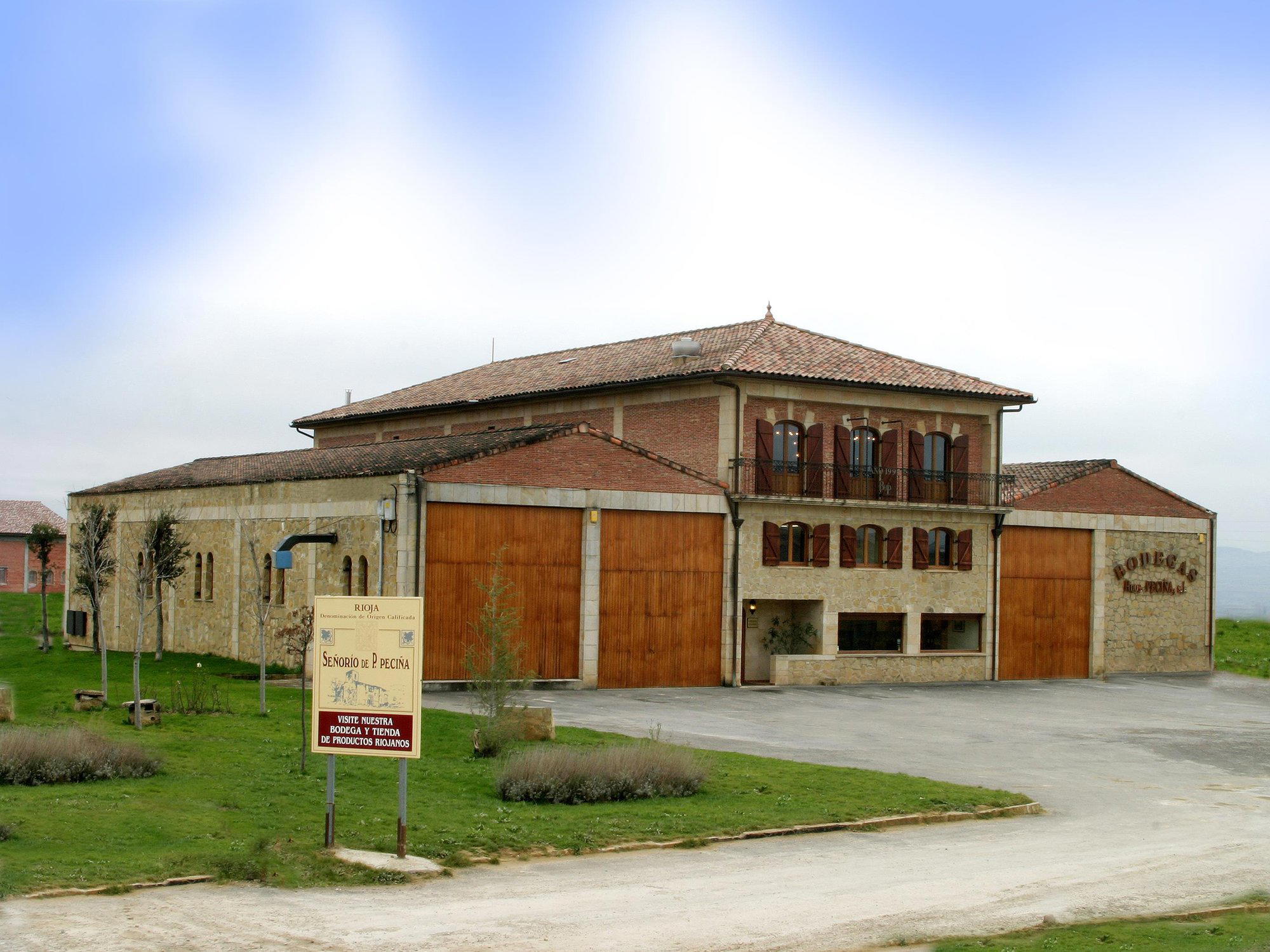
Bodegas Valgrande is a traditional Rioja Alta address in San Vicente de la Sonsierra, built around Tempranillo, barrel ageing, and small-scale production rather than high-volume wine tourism. Its interest lies in the village context: old-vine Rioja, clay-limestone soils, and a quieter, export-aware style that keeps the focus on land and ageing rather than spectacle.
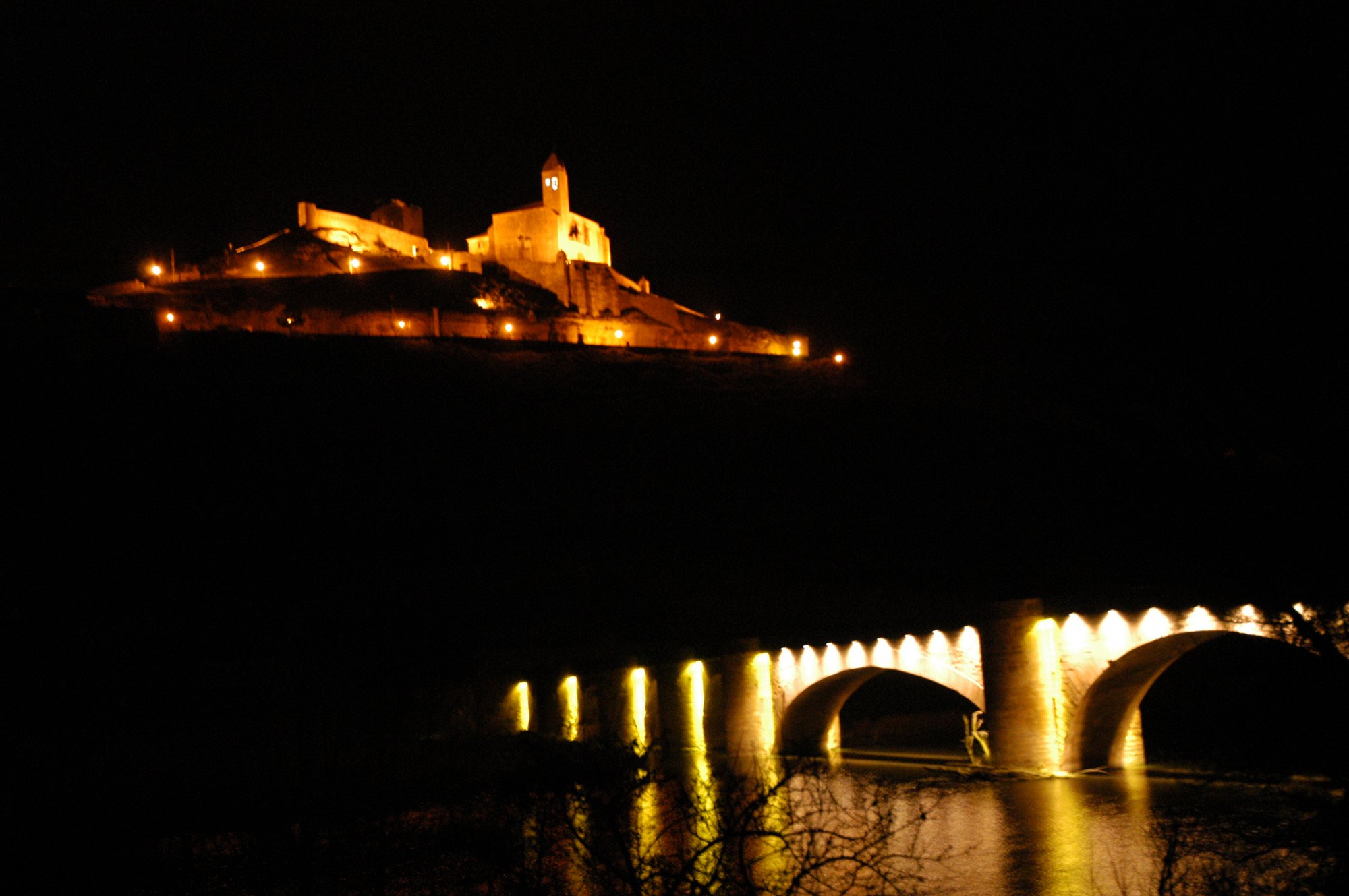
Approaching wine in San Vicente de la Sonsierra means dealing first with the broad language of Rioja Alta: Tempranillo, barrel ageing, and a traditional cellar culture that values restraint over spectacle. Bodegas Valgrande belongs to that quieter register, with a small-scale, artisanal profile and a professional atmosphere aimed more at wine drinkers than at heavily touristic presentation. It is the kind of address that is better introduced through regional context and cellar language than through gloss or overstatement. The interest sits in how familiar Rioja Alta elements are gathered together: a village setting, a classic grape focus, and an approach that foregrounds wine style rather than visitor theatre.
The house identity is rooted in classic Tempranillo-based Rioja. In a market where Rioja can vary widely in style, Valgrande is best understood through fundamentals: traditional Rioja Alta character, barrel ageing, and a rustic, classic sensibility rather than a high-design or novelty-led pitch. That does not make it complicated to read; in fact, the opposite is true. Its appeal is clearest when treated as a direct example of the region’s enduring grammar, where structure, time, and cellar craft matter more than a dramatic concept.
Rioja Alta Tempranillo with a traditional frame
Rioja Alta’s appeal is closely tied to Tempranillo and barrel ageing. For Bodegas Valgrande, the emphasis is not on a named tasting format or a specific bottling list, but on a classic Tempranillo-based approach shaped by barrel ageing and small-scale production. That framing is important because it keeps the focus on what can be said with confidence: the winery belongs to a traditional Rioja Alta context, and its identity is best approached through that lens rather than through unsupported detail.
That makes the winery easier to place for travellers who want a grounded Rioja Alta reference point. The key idea is traditional production rather than theatrical hospitality: a cellar identity built around Tempranillo, time in barrel, and a rustic, classic expression of the region. In practical terms, this means thinking less about novelty and more about continuity. The vocabulary is familiar, but that familiarity is part of the point; it places the winery within a style of Rioja that remains recognizable, direct, and closely linked to the expectations many wine travellers bring to the area.
There is also a useful tension in the estate’s position. The production language is artisanal and village-led, while the atmosphere is professional and export-oriented. That combination explains a particular kind of Rioja producer: not a heavily touristic showpiece, but a working winery whose appeal rests on the clarity of its style. It suggests a place where the central experience is not necessarily spectacle, but the steady presentation of a classic regional identity. For visitors who prefer substance to staging, that can be a meaningful distinction.
What is about the cellar
Some winery pages lean heavily on founding dates, ownership lines, and individual biographies. For Bodegas Valgrande, those details should not be overstated without support. The stronger, safer reading is through what is confirmed: a traditional Rioja Alta winery in San Vicente de la Sonsierra focused on small-scale, artisanal production and classic Tempranillo-based Rioja. That restraint is useful editorially, because it avoids turning a clear profile into an embellished story. The confirmed elements are already enough to define the venue’s place: traditional region, traditional grape focus, barrel ageing, and an artisanal scale.
For travellers, that means the venue should be read less as a hospitality set-piece and more as a professional Rioja Alta producer. Tempranillo, barrel ageing, and the San Vicente de la Sonsierra setting do the heavy lifting. The cellar’s role in a trip is therefore not to promise a scripted experience, but to represent a certain kind of Rioja confidence: grounded, classic, and oriented toward the wine itself. In a region where presentation can range from modest to highly polished, Valgrande sits more naturally in the category of a working, traditional producer.
How to place it in a San Vicente de la Sonsierra wine day
San Vicente de la Sonsierra is best approached with attention to the area’s traditional Rioja character. Valgrande is strongest as a reference for classic, rustic, barrel-shaped Rioja Alta rather than a high-design tasting room experience. It fits especially well into an itinerary built around understanding how the region’s familiar elements still function in practice: Tempranillo as the core reference, barrel ageing as part of the style, and a cellar culture that does not need to announce itself loudly to be legible.
For broader context in the same city, compare Bodegas Valgrande with other San Vicente de la Sonsierra wine and dining options generically, without assuming a specific service format or visitor programme. The practical draw is its position as a traditional Rioja Alta cellar with a professional but not heavily touristic feel. That makes it useful as one point in a wider local picture, particularly for travellers who want to understand contrasts in tone without turning the day into a checklist of fixed claims or ranked experiences.
The editorial value is comparative travel planning rather than scorekeeping: Valgrande’s draw is the clarity of a traditional Rioja Alta winery where Tempranillo and barrel ageing remain the central grammar. Read this way, the venue is not about chasing novelty, but about anchoring a visit in the region’s established language. Its strength lies in being understandable, classic, and regionally grounded, which is often exactly what makes a Rioja Alta stop valuable within a broader San Vicente de la Sonsierra wine day.
Frequently asked questions
Is Bodegas Valgrande more formal or casual?
It reads as a working Rioja Alta winery rather than a heavily touristic address. In San Vicente de la Sonsierra, the focus is on classic Tempranillo-based Rioja, barrel ageing, and a professional cellar atmosphere, with pricing listed as $$.
Where can I find Bodegas Valgrande?
Bodegas Valgrande is in San Vicente de la Sonsierra.
How much does Bodegas Valgrande cost?
Pricing at Bodegas Valgrande is listed as $$.
What's the main draw of Bodegas Valgrande?
The main draw is its traditional Rioja Alta profile: small-scale, artisanal production of classic Tempranillo-based Rioja, with an emphasis on barrel ageing and a professional but not heavily touristic atmosphere.
Recognition history
Dated appearances from independent guides and award organizations, with the underlying list record or original source where available.
Falstaff Winery - 2 Stars
Falstaff
Request a visit to Bodegas Valgrande
Tell us when you would like to go and how many people, and we put the request to the estate and reply to you by email.
Continue exploring
More in San Vicente de la Sonsierra
Wineries in San Vicente de la Sonsierra
All wineries in San Vicente de la Sonsierra →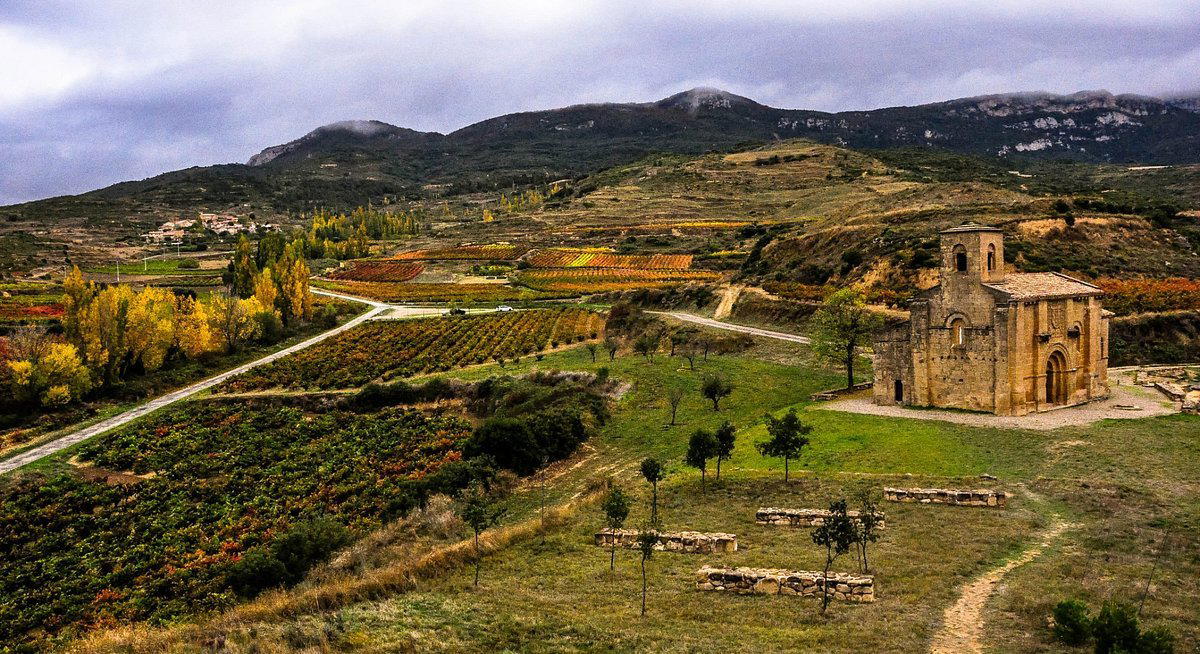
Restaurants in San Vicente de la Sonsierra
All restaurants in San Vicente de la Sonsierra →
Details
- Classic
- Rustic
- Quiet
- Group Outing
- Wine Education
- Solo Exploration
- Vineyard Tour
- Vineyard
- Tempranillo
- Still Red
- Standard Tasting
- Vineyard Visit
- Spanish
Traditional Rioja Alta winery focused on small-scale, artisanal production of classic Tempranillo-based Rioja, with an emphasis on barrel ageing and an export-oriented, professional but not heavily touristic atmosphere.