
Alice Bonaccorsi, also known as Valcerasa, belongs to the small-estate side of Etna wine: family-run, land-led, and focused on native grapes rather than polished cellar-door theatre. The Randazzo setting matters here, with high volcanic vineyards, organic farming, alberello training, and limited annual production shaping wines that speak more clearly of slope and soil than of design gloss.

Pearl is the En Primeur Club membership app — saves, bookings, and concierge access live there. Same editors, same standards.
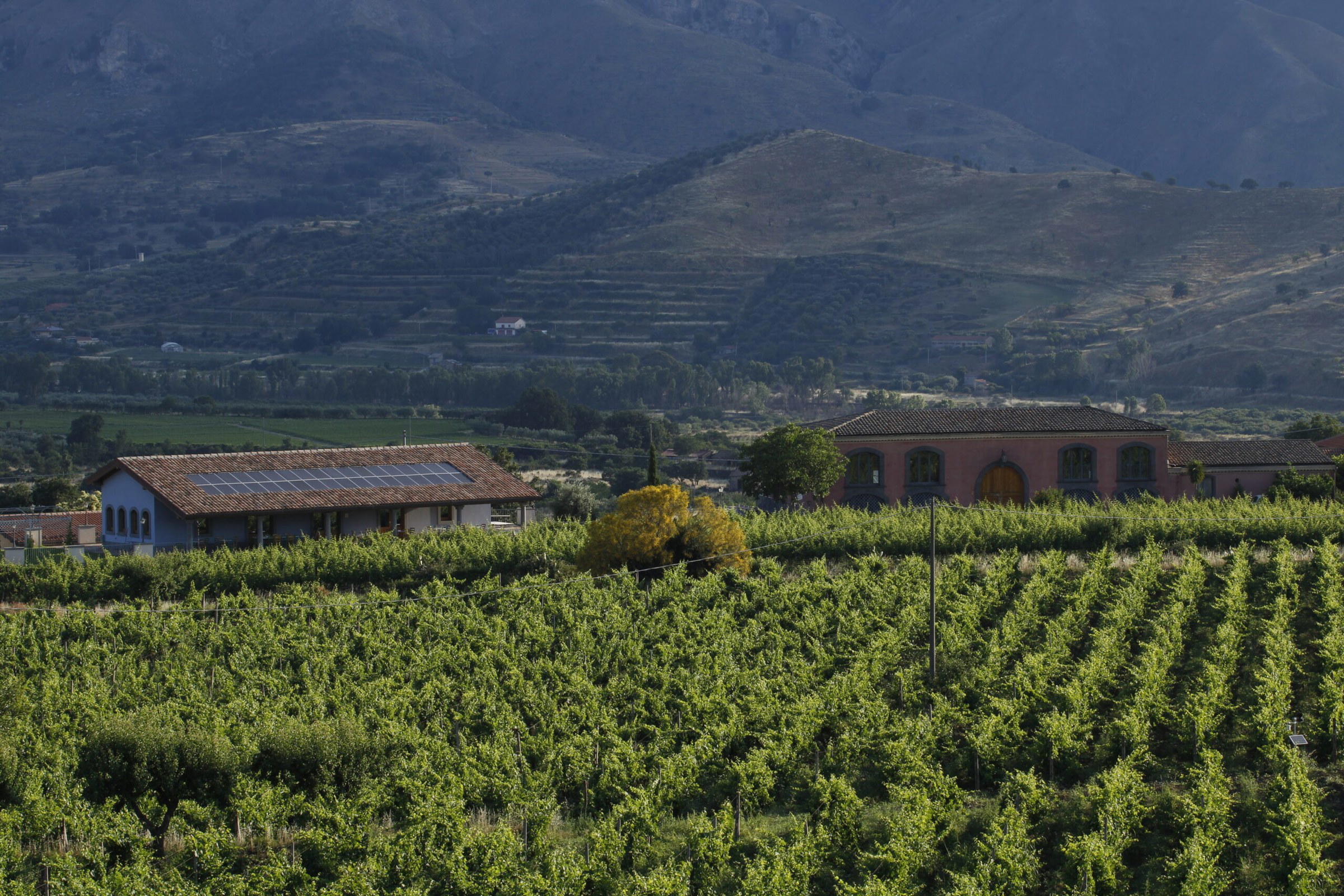
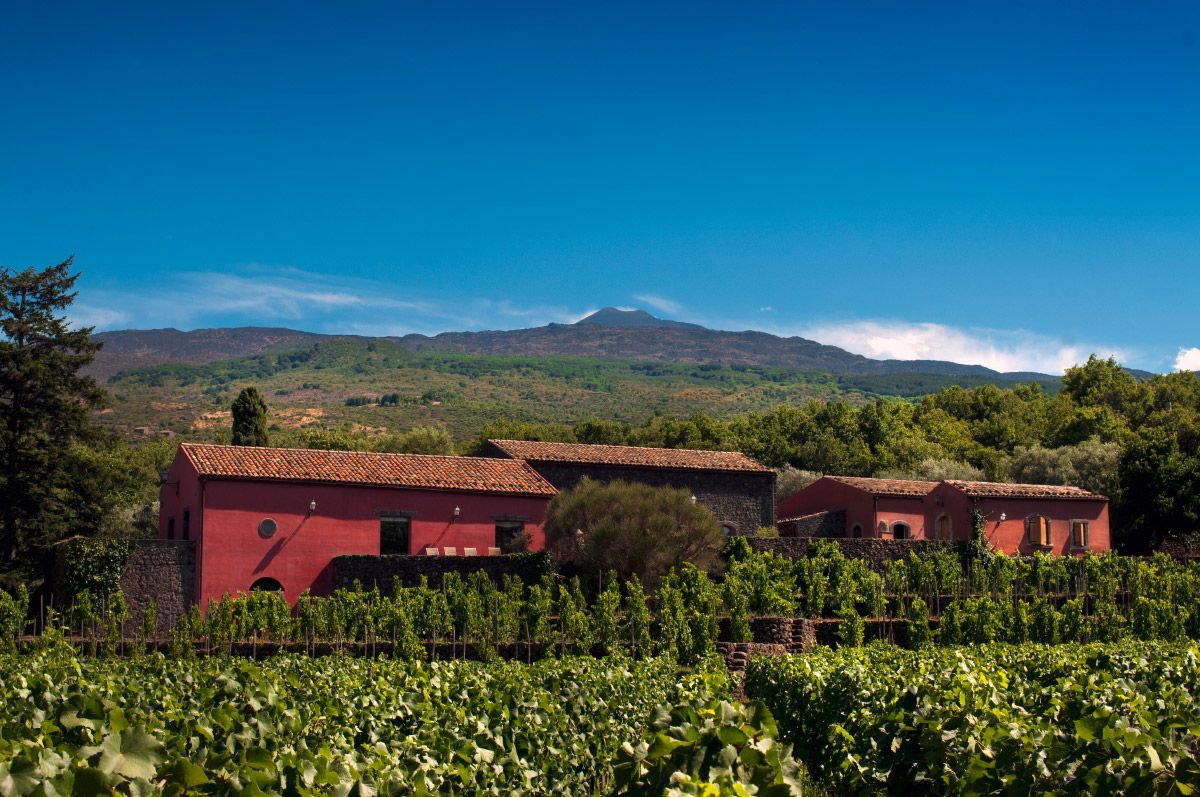
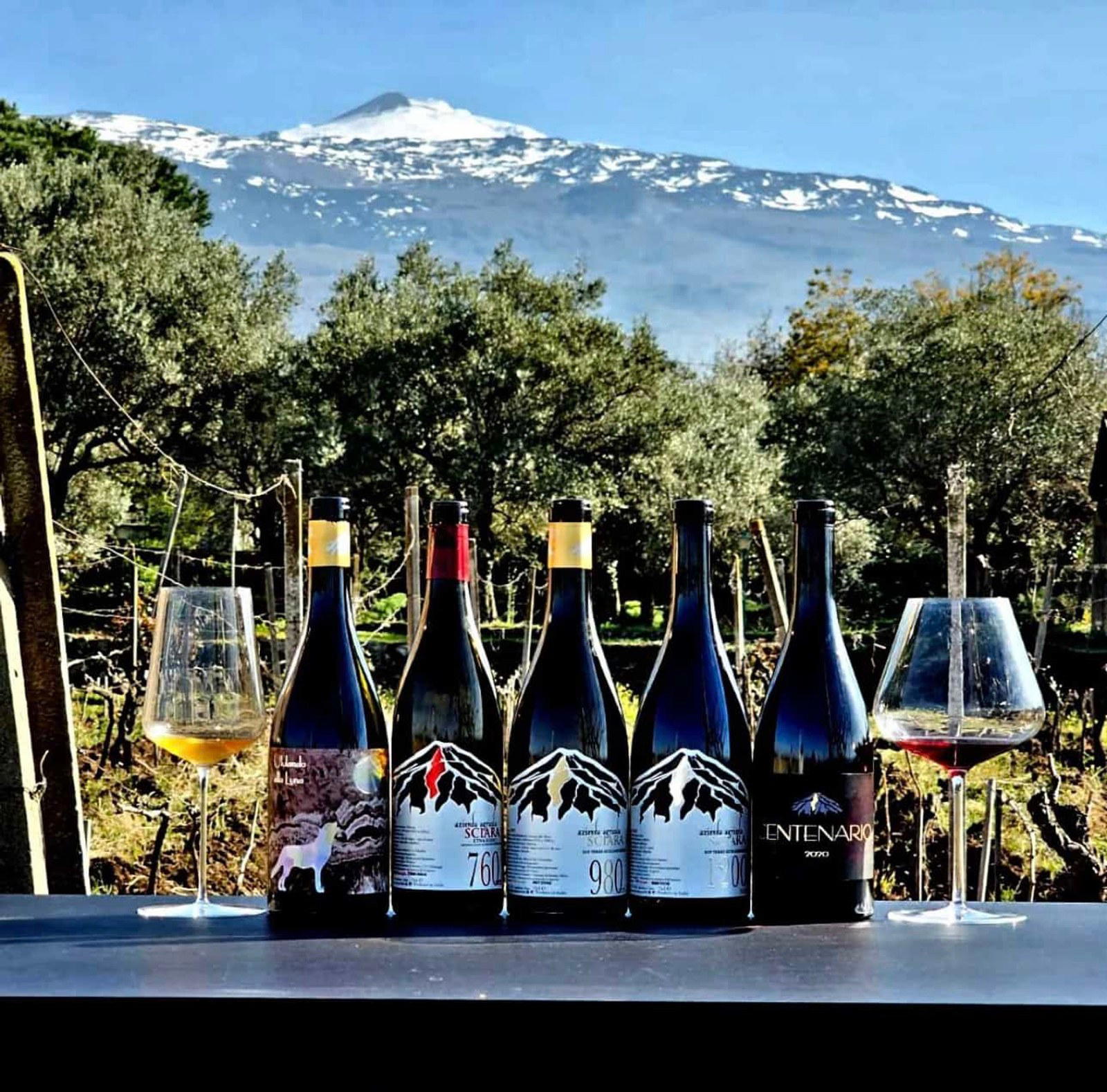
Alice Bonaccorsi in Randazzo is best understood as a small, family-run Etna estate with a quiet, rustic atmosphere. The emphasis is on the volcanic landscape, the surrounding vineyards, authenticity, natural winemaking, and a close connection to the land rather than on built design or a highly staged visitor experience. It is the kind of place to consider when the point of a wine stop is not spectacle, but a more direct sense of where the wine comes from: the slopes, the agricultural setting, and the everyday relationship between a family estate and its terrain.
Etna wine seen through Randazzo's volcanic north
For visitors planning time around Randazzo, Alice Bonaccorsi offers a grounded way to approach Etna wine country. The appeal is not a list of technical claims or production statistics, but the setting itself: a scenic, rustic estate where the volcanic landscape and vineyard context shape the experience. In this part of the itinerary, the value lies in slowing down enough to notice the physical surroundings and the agricultural character of the place, rather than treating the winery as only a tasting stop to be checked off between larger landmarks.
What can be said with confidence is that the visit is framed around an Etna estate, natural winemaking, and a family-run relationship to the land. Those three points are the most useful lens for understanding Alice Bonaccorsi: Etna gives the visit its wider geographic identity, natural winemaking gives it its declared philosophy, and the family-run character keeps the atmosphere intimate and unforced. The result is not a venue that needs to be oversold through elaborate promises; its appeal comes from restraint, setting, and a feeling of proximity to the vineyard landscape.
The price marker is listed as $$, which places Alice Bonaccorsi in a moderate range for planning purposes. Beyond price, the stronger reason to include it in an Etna-focused itinerary is the atmosphere: quiet, rustic, scenic, and closely tied to Randazzo’s vineyard landscape. The moderate marker can help with basic budgeting, but it should not be read as the main story. More important is whether the visitor is looking for an estate experience where the surrounding land remains central, and where the mood is likely to feel more rural and personal than polished or theatrical.
Natural winemaking without turning the visit into performance
Alice Bonaccorsi’s positioning centers on natural winemaking and authenticity. That does not need to be inflated into cellar methods, grape lists, vintage claims, or named cuvées. The more reliable description is simpler: this is a small Etna estate where the experience is focused on wine, land, and a low-key agricultural setting. In editorial terms, that restraint matters. It keeps the description honest, and it also matches the kind of visitor expectation that suits the place: an interest in the land and the people working it, rather than a demand for a scripted, highly produced encounter.
Travellers looking for a design-forward hospitality complex may find the appeal understated. Those who prefer a rustic estate atmosphere, a close view of the volcanic landscape, and a family-run setting are closer to the intended fit. The distinction is important because Etna wine country can be approached in different ways. Some visitors want architecture, presentation, and a clearly choreographed experience; others are more interested in the texture of the countryside, the vineyards around Randazzo, and the quieter confidence of a smaller estate. Alice Bonaccorsi belongs more naturally to the second category.
The page should be used as a practical orientation rather than a technical winery dossier. Confirm current visit arrangements, availability, and any tasting details directly with Alice Bonaccorsi before making plans. That is especially important because the most dependable information here concerns character and setting, not operational specifics. Treat the listing as a way to decide whether the estate fits the tone of your Etna plans, then use direct confirmation for the details that can change or that require precision.
How to place it in a Randazzo wine day
Alice Bonaccorsi works well as part of a Randazzo itinerary for travellers interested in Etna estates and the quieter side of local wine country. The confirmed strengths are the family-run character, rustic setting, natural-winemaking focus, vineyard landscape, and connection to the volcanic environment. As a planning anchor, it suits a day built around atmosphere and place: time in Randazzo, attention to the surrounding countryside, and an interest in wine as part of a broader landscape rather than as an isolated product.
For wider planning, pair Alice Bonaccorsi with other Randazzo dining, hotel, bar, winery, and experience research as needed. Keep the comparison broad unless you have current, direct details from the venues themselves. It is sensible to think of Alice Bonaccorsi as one piece of an Etna day rather than as a complete itinerary on its own. The estate’s role is clearest when matched with visitors who already know they want a quieter wine-country stop and who are comfortable letting the landscape and family-run identity carry much of the experience.
In short, choose Alice Bonaccorsi for a scenic, rustic Etna estate experience in Randazzo, especially if authenticity and landscape matter more to you than a polished or heavily programmed setting. Its appeal is specific rather than universal: modest in tone, rooted in the vineyard environment, and best approached with expectations shaped by place, natural winemaking, and the slower rhythms of a small family-run estate.
Recognition history
Dated appearances from independent guides and award organizations, with the underlying list record or original source where available.
Falstaff Winery - Listed
Falstaff
Continue exploring
More in Randazzo
Wineries in Randazzo
Browse all →
Restaurants in Randazzo
Browse all →
At a Glance
- Scenic
- Rustic
- Classic
- Intimate
- Romantic Getaway
- Group Outing
- Solo Exploration
- Wine Education
- Special Occasion
- Vineyard Tour
- Estate Grounds
- Panoramic View
- Historic Building
- Private Tasting
- Organic
- Sustainable
- Mountain
- Vineyard
Small, family-run Etna estate with a quiet, rustic atmosphere focused on the volcanic landscape and vineyards rather than built design; visits emphasize authenticity, natural winemaking and a close connection to the land.
Know Before You Go
- Reservations
- Appointment only
- Getting there
- Randazzo, Sicily, Italien