
World's 50 Best #41 · Chef's Table Featured on Chef's Table
Our verdict
Fäviken in Järpen, Sweden redefined Nordic cuisine through estate-driven, seasonal tasting menus. Expect intensely local preparations: estate-smoked game, preserved root vegetables with rendered fat, and rich foraged mushroom broths. The experience centered on Magnus Nilsson’s primal approach to locality, ancient preservation techniques, and an immersive stay on a 20,000-acre estate. Recognized in The World’s 50 Best Restaurants and Zagat’s top ten, Fäviken delivered high-end, rustic luxury where each dish tasted of snow, smoke and peat. Dining here was intimate and rare, often paired with a curated wine selection and a post-meal sauna stocked with regional treats.
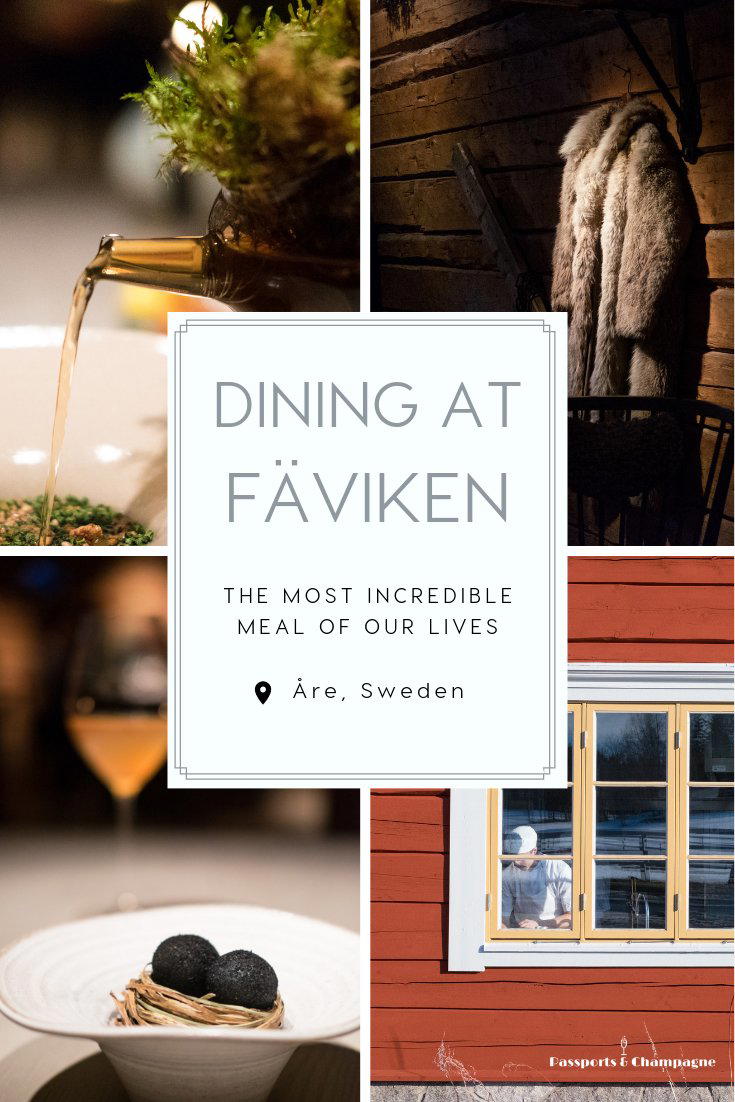
Fäviken opens in memory as a raw and exacting dining journey. Fäviken in Järpen occupied an 18th-century barn on a 20,000-acre estate in the Swedish interior, and the first moments of arrival set the tone: cold air, slate-slab tabletops, and the weight of wilderness beyond the windows. The restaurant married fine dining and fieldcraft, bringing intensely local produce, game and foraged goods to a tightly focused tasting menu. In those early sentences the terms Nordic cuisine and fine dining belonged together because every dish at Fäviken stated a clear sense of place.
Guests often planned travel specifically to reach that remote address, factoring in overnight stays and the estate’s immersive amenities. Magnus Nilsson shaped Fäviken’s vision from 2008 onward, turning a regional estate into a laboratory for traditional techniques. Nilsson began by organizing the wine cellar and evolved into the kitchen force that emphasized hunting, farming, foraging and preservation. Owners Patrik and Ann-Charlotte Brummer acquired the estate in 2003 and supported the long-term approach that allowed the restaurant to operate with minimal external sourcing.
The approach earned global recognition: placement in The World’s 50 Best Restaurants in 2012 and a Zagat top-ten nod in 2013. Fäviken’s reputation came from concrete choices—short seasons, strict menus, and constant work with local suppliers—rather than trend-driven flourishes. The restaurant originally sat at roughly 16 seats and later expanded toward 24, which kept service intimate and highly personalized. In 2019 Fäviken closed at the peak of its fame, leaving a clear legacy in modern gastronomy and continuing to influence chefs worldwide.
The culinary journey at Fäviken read like a map of the estate. Tasting menus rotated with the seasons and prioritized preserved stocks and cured meats made on site. Estate-smoked game was presented simply, with smoke and salt that highlighted muscle and fat, while preserved root vegetables were served with rendered local fat to deepen texture and warmth. Foraged mushroom broths carried an earthy, mineral backbone, often lifted by a charred grain or a touch of juniper.
Seafood and freshwater fish appeared only when conditions allowed, prepared with minimal interference to reveal freshness. The kitchen used ancient preservation methods—salting, drying, fermenting and smoking—to stretch each season’s bounty, creating layered flavors that developed over months. Texture played a major role: crisp dried elements contrasted soft cured meats, while concentrated reductions anchored lighter, foraged components. Wine pairings and occasional house ferments were selected to match those preserved flavors rather than to overpower them.
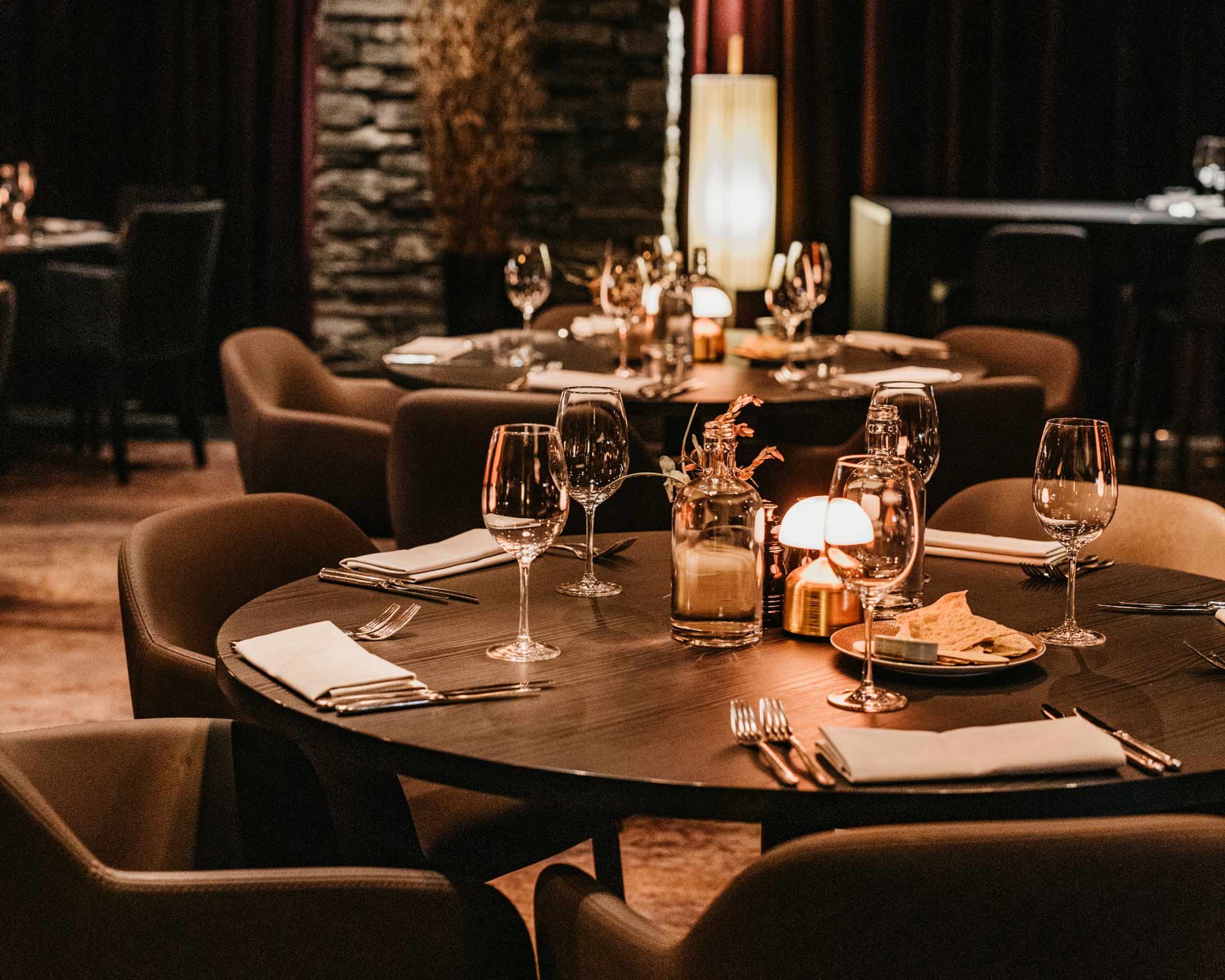
The menu rewarded patience: meals ran long, courses arrived with deliberate pacing, and the full arc of the tasting unfolded like a seasonal diary. Inside the restored barn, design stayed practical and honest. Long wooden tables and slate tabletops maintained a rustic clarity; hand-painted portraits and simple lighting made the room feel lived-in rather than staged. Service at Fäviken was direct and attentive, with small teams explaining provenance and techniques to each guest.
Unique features included a sauna stacked with local provisions for overnight visitors and the sense that the kitchen and estate operated as a single ecosystem. The overall atmosphere combined focused professionalism with the rough textures of the Swedish countryside, producing a warm, inviting atmosphere despite the subarctic climate outside. Best times to visit were aligned with seasonal peaks: late winter for preserved game concentrates, spring for fresh shoots, and autumn for wild mushrooms and game. Dress for warmth and comfort rather than formality given remote travel and outdoor access.
Reservations historically required planning—guests often booked months ahead and arranged overnight stays that exceeded £500 before flights—so expect advance planning for any Fäviken-inspired visit or retrospective experience. Fäviken remains a study in how place and practice shape memorable meals. Whether you seek to read Magnus Nilsson’s work, study preservation techniques, or book a comparable estate experience, Fäviken’s story offers a clear invitation to engage with regional Nordic gastronomy. Explore Fäviken’s legacy and discover how a single remote restaurant changed the conversation around sustainability, seasonality and the art of careful cooking.
Frequently asked questions
Is Fäviken okay with children?
Fäviken closed permanently at the end of 2019. During its operation, the remote estate setting in Kall, Jämtland and the multi-course tasting menu format made it an adult-oriented destination in practice.
What kind of setting is Fäviken?
Fäviken occupied a working estate in Kall, in the Jämtland region of northern Sweden, surrounded by conifer forest and open farmland. The dining room was intimate and spare, consistent with the sourcing philosophy: everything came from the land immediately around it. The address — Fäviken 216, 837 94 Järpen — places it far outside any urban restaurant corridor, which was the point.
Why did Fäviken close, and what did it leave behind in Nordic fine dining?
Fäviken's 2019 closure was a deliberate decision. Its influence persists in the broader Nordic fine dining conversation, especially around hyper-local sourcing and seasonal preservation.
What's a useful thing to order at Fäviken?
Fäviken closed in 2019 and no longer serves guests. The restaurant operated on a fixed tasting menu format, meaning there was no à la carte selection.
Where is Fäviken in Kall?
Fäviken is located at FÄVIKEN 216, 837 94 Järpen, Sweden.
How far ahead should I plan for Fäviken?
Fäviken is permanently closed, having ended service at the conclusion of 2019.
What is Fäviken known for?
Fäviken built its reputation on radical estate-based sourcing: nearly everything served came from the land around the property in Kall, Jämtland, with preservation techniques such as fermentation, drying, and curing central to the kitchen's year-round approach. It attracted sustained international attention during the 2010s as a model of destination dining. The restaurant closed deliberately at the end of 2019.
How It Compares
Comparable venues nearby, for context on price, style, and recognition.
| Venue | Cuisine | Price | Awards | Notes |
|---|---|---|---|---|
| FävikenThis venue (the venue you are viewing) | New Nordic | Not listed | World's 50 Best #41 · Chef's Table Featured on Chef's Table | Not listed |
| AIRA | Modern Nordic Seasonal Tasting Menu | $200–300 | 2 Michelin Stars · La Liste Top Restaurants | Finnberget |
| Signum | Nordic Seasonal Fine Dining | $300–500 | 2 Michelin Stars · Star Wine List | Mölnlycke |
| Aloë | Modern European Fine Dining | $200–300 | 2 Michelin Stars · La Liste Top Restaurants | Långbro |
| Vollmers | Modern New Nordic with Scanian Terroir | $150–200 | 2 Michelin Stars · La Liste Top Restaurants | Gamla Staden (Old Town) |
| Mathias Dhalgren | Modern Scandinavian Bistro | $50–100 | Michelin Bib Gourmand · World's 50 Best #41 | Skeppsholmen |
Recognition history
Dated appearances from independent guides and award organizations, with the underlying list record or original source where available.
World's 50 Best Restaurants #41
World's 50 Best
Chef's Table Featured on Chef's Table
Chef's Table
Full recognition history (6 entries)
World's 50 Best Restaurants #25
World's 50 Best
World's 50 Best Restaurants #19
World's 50 Best
World's 50 Best Restaurants #34
World's 50 Best
World's 50 Best Restaurants #34
World's 50 Best
Continue exploring