
Guía Repsol 1 Sol
Our verdict
El Sitio brings Tazacorte into the small but serious Canary Islands dining conversation, with a 2026 Guía Repsol 1 Sol placing it above casual seaside eating. The draw is not spectacle but a La Palma reading of ingredients, where island produce, Atlantic fish culture, and a compact town setting matter more than imported luxury codes.

Pearl is the En Primeur Club membership app — saves, bookings, and concierge access live there. Same editors, same standards.
- Address
- C. Miguel de Unamuno, 11, 38770 Tazacorte, Santa Cruz de Tenerife, Spain
- Hours
- Daily 1–4:30 PM, 6:30–10 PM
- Directions
- Get directions
The menu
What to order
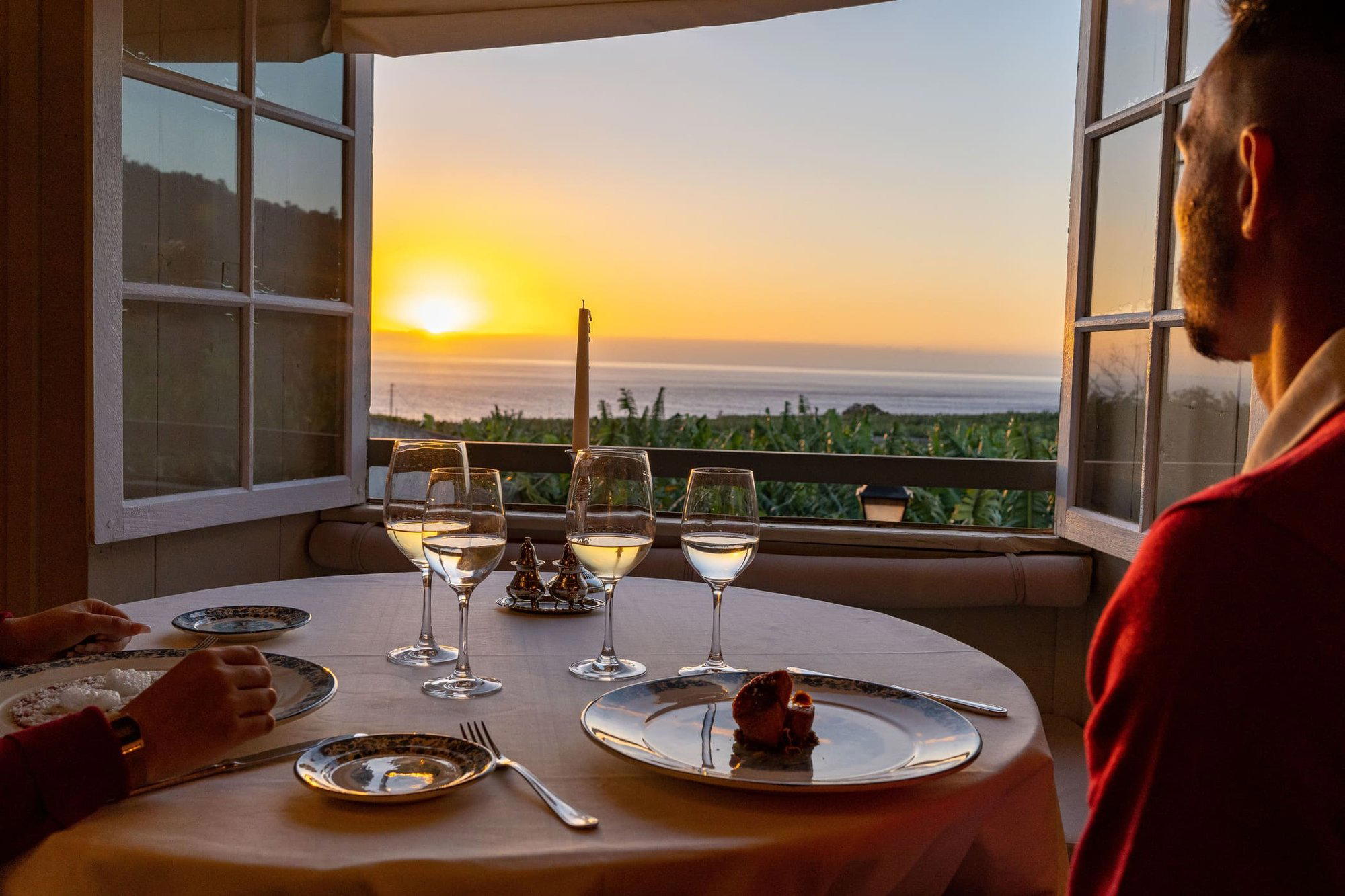
- Avocado gazpacho
- Ceviche with mango
- Fresh local fish dishes
Approaching a dining room in Tazacorte is different from arriving at a capital-city restaurant. The town has a practical island rhythm: terraces above, Atlantic air below, and a scale that makes overdesigned formality feel misplaced. In that context, El Sitio belongs to a useful category for La Palma: restaurants that give the town a more serious place on a dining itinerary rather than serving only as a convenient stop.
The Canary Islands have long been reduced, by visitors, to resort shorthand. La Palma resists that simplification. Its restaurant culture is shaped by island geography, small municipalities, and a distance from mainland Spain that affects how visitors think about meals and movement. Tazacorte, on the island’s west side, sharpens that equation. A restaurant here is not just competing with big-city expectations; it is being read through the rhythm, scale, and travel patterns of the island.
La Palma ingredients, read through a Tazacorte dining room
The more interesting restaurants in the Canaries are not simply trying to mimic Madrid tasting rooms. They work better when they translate island conditions into identity: a clearer relationship with place, a sense of local scale, and a dining experience that feels connected to where the meal is happening. El Sitio’s presence in the 2026 Guía Repsol 1 Sol category gives that approach a public marker, especially in a town better known to many travellers for sun, harbour life, and the surrounding landscape than for destination dining.
That recognition matters because Repsol’s Soles tend to reward restaurants with a strong sense of Spanish regional identity, not merely polished service. For Tazacorte, the signal is useful: this is not a generic holiday-table address but a restaurant being measured against a national Spanish dining framework. In La Palma, that distinction carries weight. The island has fewer high-profile dining rooms than Tenerife or Gran Canaria, so any serious recognition changes how visitors should plan their meals.
Context is also where comparison becomes revealing. El Rincón de Moraga, El Jardín de la Sal, Casa Osmunda, and Casa Efigenia Natural add further island context, each suggesting a different way for La Palma dining to sit between everyday usefulness, regional character, and more deliberate restaurant ambition. El Sitio sits in that conversation rather than outside it: the relevant question is not whether it feels metropolitan, but how convincingly it gives Tazacorte a restaurant format with national credibility.
Why the Repsol Sol changes the decision
A 1 Sol rating in 2026 gives El Sitio a trust signal without forcing it into the language of grand occasion dining. For travellers using Tazacorte as a base, that is the practical point. The room can be read as part of a broader shift in Spanish regional eating, where smaller towns increasingly host restaurants that merit national attention while remaining tied to their immediate geography.
The value of this kind of address is not only what happens during the meal. It also affects the shape of a La Palma itinerary. Many visitors build days around viewpoints, beaches, volcanic routes, or the west coast’s warmer light; dinner then becomes an afterthought. A restaurant with a Repsol Sol in Tazacorte changes that sequencing. It gives the town a dining anchor and makes the west side a more credible evening base, not just a daytime stop.
There is also a useful restraint implied by the available facts. No public chef narrative needs to carry the story, and no named dish should be treated as the defining proof. That is often healthier for a regional restaurant. The stronger editorial reading is that El Sitio’s relevance comes from category, place, and recognition: a Tazacorte restaurant with national Spanish guide acknowledgement, operating in an island market where setting and local context matter more than imported theatre.
How to place it in a wider Spain itinerary
For readers comparing Spain beyond the Canaries, the contrast is instructive. Mainland and Balearic dining can stretch from urban precision to island occasion restaurants, port-facing dining rooms, or seasonal-market cooking. La Palma is a different proposition. The pleasure is not breadth for its own sake, but the way an island restaurant can make geography legible.
That is why El Sitio belongs in a Tazacorte plan rather than as a detached trophy booking. Pair it with a day that makes the island’s physical conditions obvious: agriculture, coastline, volcanic land, and the slower tempo of a small municipality. Readers planning around the town can use Our full Tazacorte restaurants guide for dining context, then match the meal with Our full Tazacorte hotels guide, Our full Tazacorte bars guide, Our full Tazacorte wineries guide, and Our full Tazacorte experiences guide.
For a broader Spanish comparison set, the useful references are not duplicates but contrasts: Andalusian small-plate culture, Basque-country urban dining, Rioja-country heritage, another Canary Islands city register, mountain-hotel dining, Mallorca, and Castilian context all show how place can shape a meal in different ways. International outliers only underline the point: El Sitio is not chasing a global template. Its strength is the specificity of Tazacorte, La Palma, and the island context that surrounds it.
Frequently asked questions
Can I bring kids to El Sitio?
El Sitio is in Tazacorte, which can make it a practical option for travellers planning a meal in town. Check the venue's official channels for current booking and suitability details.
What's the vibe at El Sitio?
El Sitio reads as a Tazacorte restaurant with a steady island rhythm rather than a capital-city showpiece. Its 1 Sol in Guía Repsol 2026 signals a serious Spanish dining recommendation without requiring a trophy-booking frame.
What time does El Sitio open and close?
Check the venue's official channels before planning your visit.
Where do I go for El Sitio?
Tazacorte.
What is El Sitio known for?
El Sitio is known for its 1 Sol in Guía Repsol 2026, a clear marker of quality in Spanish dining. It sits in Tazacorte on La Palma, so it also appeals to travellers looking for a restaurant tied to the island rather than a generic resort address.
Can El Sitio accommodate dietary restrictions?
Those details are not published. Check the venue's official channels for the latest details.
Snapshot
Comparable venues by cuisine and price in the same metro.
| Venue | Cuisine | Price | Awards |
|---|---|---|---|
| El SitioThis venue — the venue you are viewing | Gourmet Canarian haute cuisine with international and fusion influences | $30–50 | Guía Repsol 1 Sol |
| El Rincón de Moraga | Traditional Cuisine | Not listed | Not listed |
| El Jardín de la Sal | Regional Cuisine | Not listed | Not listed |
Recognition history
Dated appearances from independent guides and award organizations, with the underlying list record or original source where available.
Guía Repsol 1 Sol
Guía Repsol
Continue exploring
More in Tazacorte
Restaurants in Tazacorte
Browse all →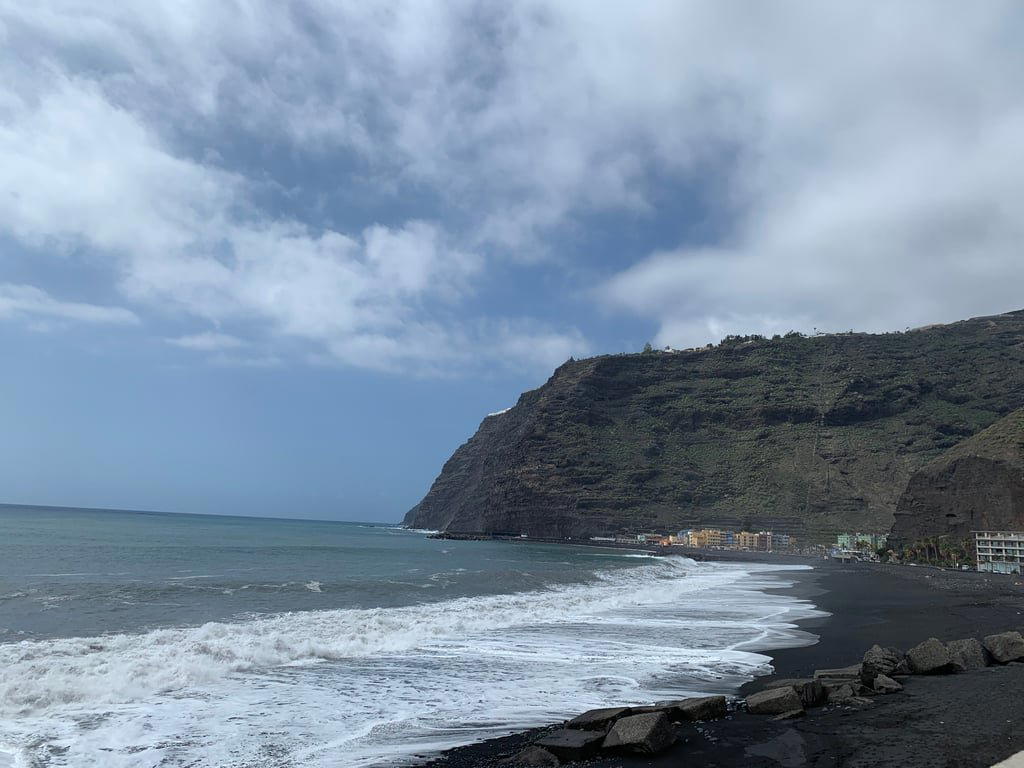
Bars in Tazacorte
Browse all →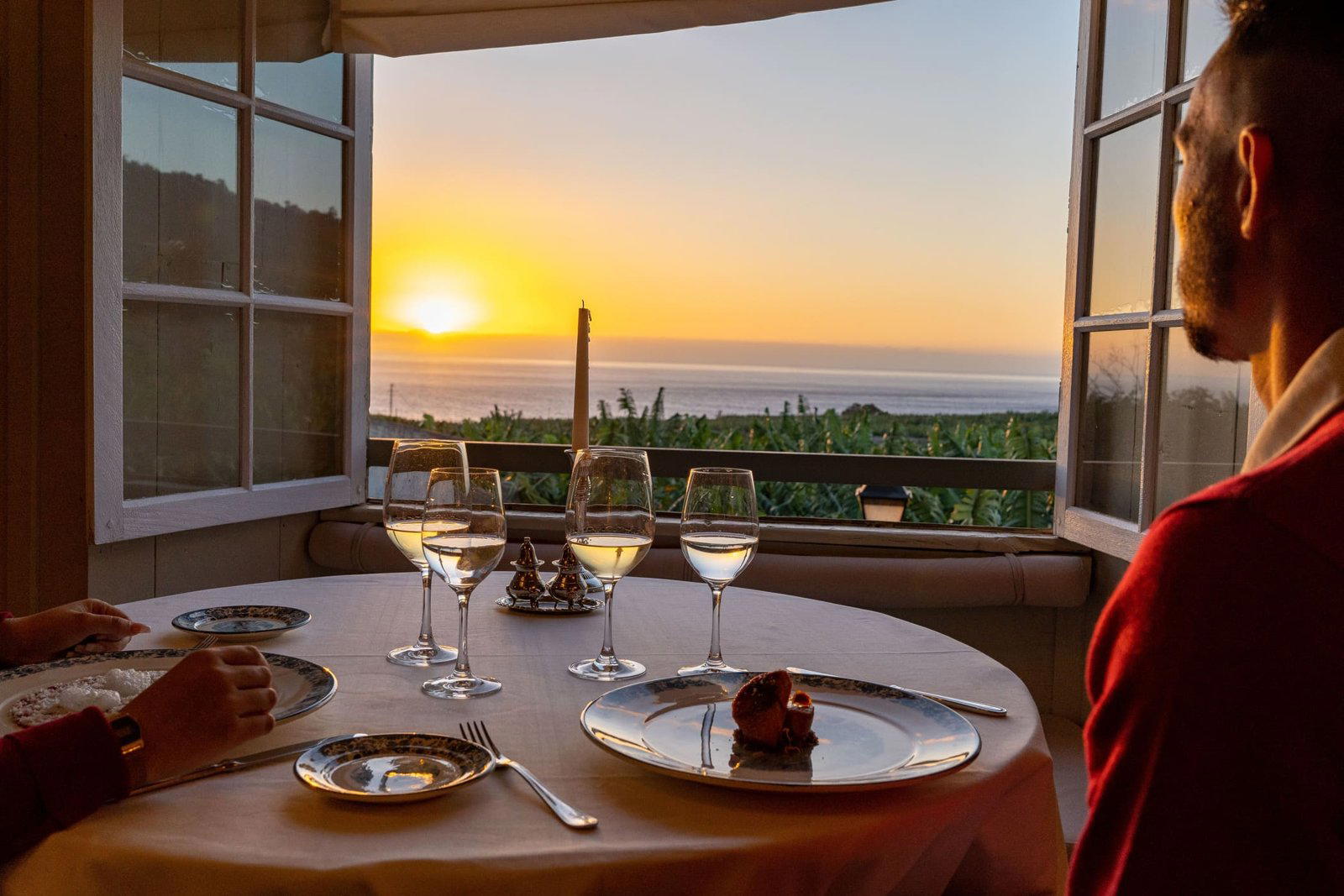
Hotels in Tazacorte
Browse all →
Details
- Elegant
- Cozy
- Scenic
- Classic
- Romantic
- Sophisticated
- Date Night
- Business Dinner
- Celebration
- Special Occasion
- Group Dining
- Waterfront
- Garden
- Wine Cellar
- Historic Building
- Design Destination
- Hotel Restaurant
- Terrace
- Courtyard
- Panoramic View
- Extensive Wine List
- Sommelier Led
- Local Sourcing
- Farm To Table
- Waterfront
- Garden
- A La Carte
- Tasting Menu
- Small Plates
- Wine
- Cocktails
- Vegetarian Friendly
Current opening hours
- Monday
- 1–4:30 PM, 6:30–10 PM
- Tuesday
- 1–4:30 PM, 6:30–10 PM
- Wednesday
- 1–4:30 PM, 6:30–10 PM
- Thursday
- 1–4:30 PM, 6:30–10 PM
- Friday
- 1–4:30 PM, 6:30–10 PM
- Saturday
- 1–4:30 PM, 6:30–10 PM
- Sunday
- 1–4:30 PM, 6:30–10 PM
Hours can change for holidays and private events. Last verified .
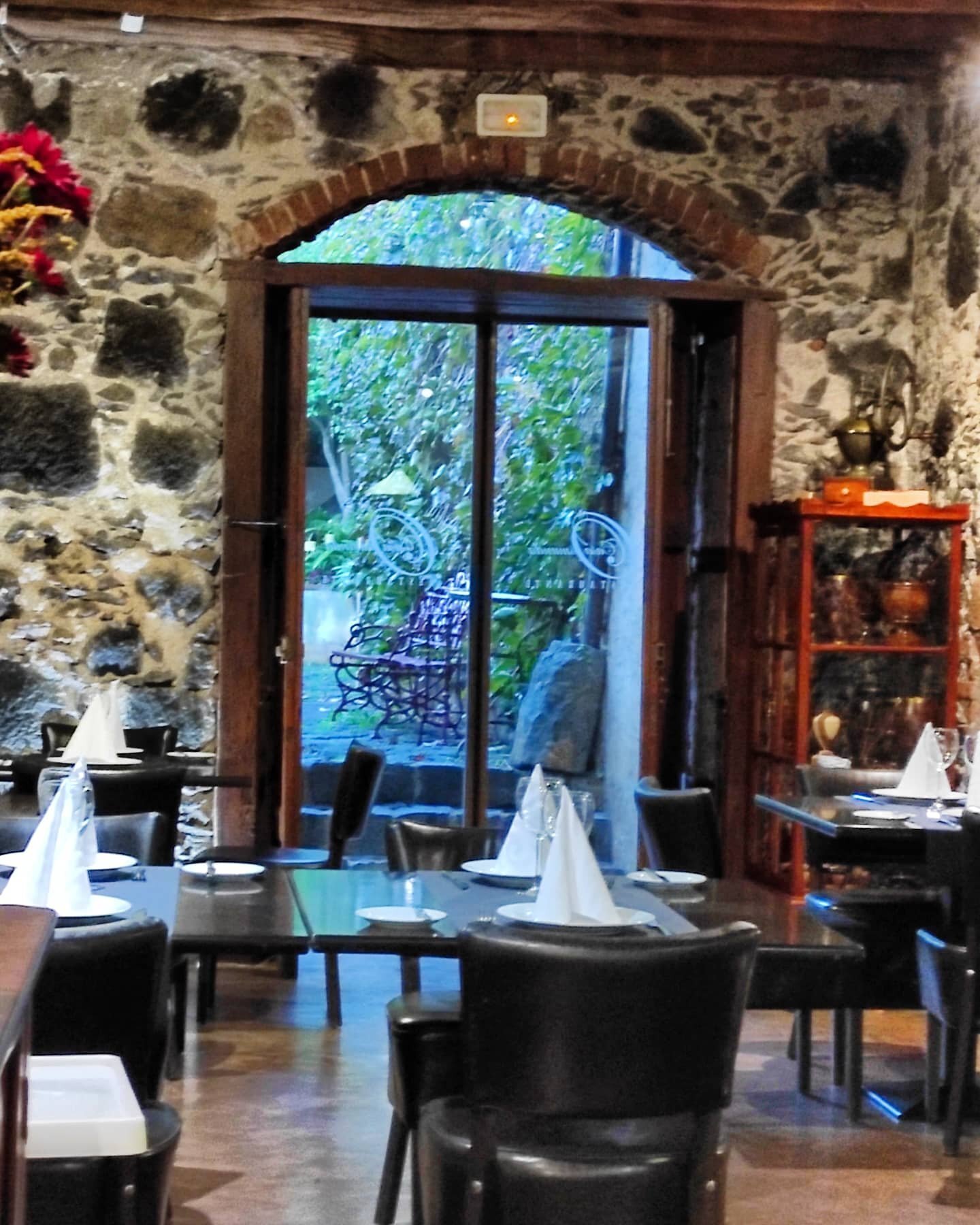
Elegant, art-filled dining rooms within a historic plantation-style hotel, combining cozy, intimate corners and a refined, romantic atmosphere with views over lush gardens and the Atlantic.