Our verdict
CENTRO sits in Urumqi’s Shaybak District conversation as a city-centre restaurant to read through Xinjiang’s ingredient economy rather than through chef mythology. The useful question here is provenance: lamb, wheat, dairy, fruit and spice define the region’s table, while urban dining rooms translate those staples for a broader, more polished audience.

Pearl is the En Primeur Club membership app, where members save venues, book tables and use the concierge.
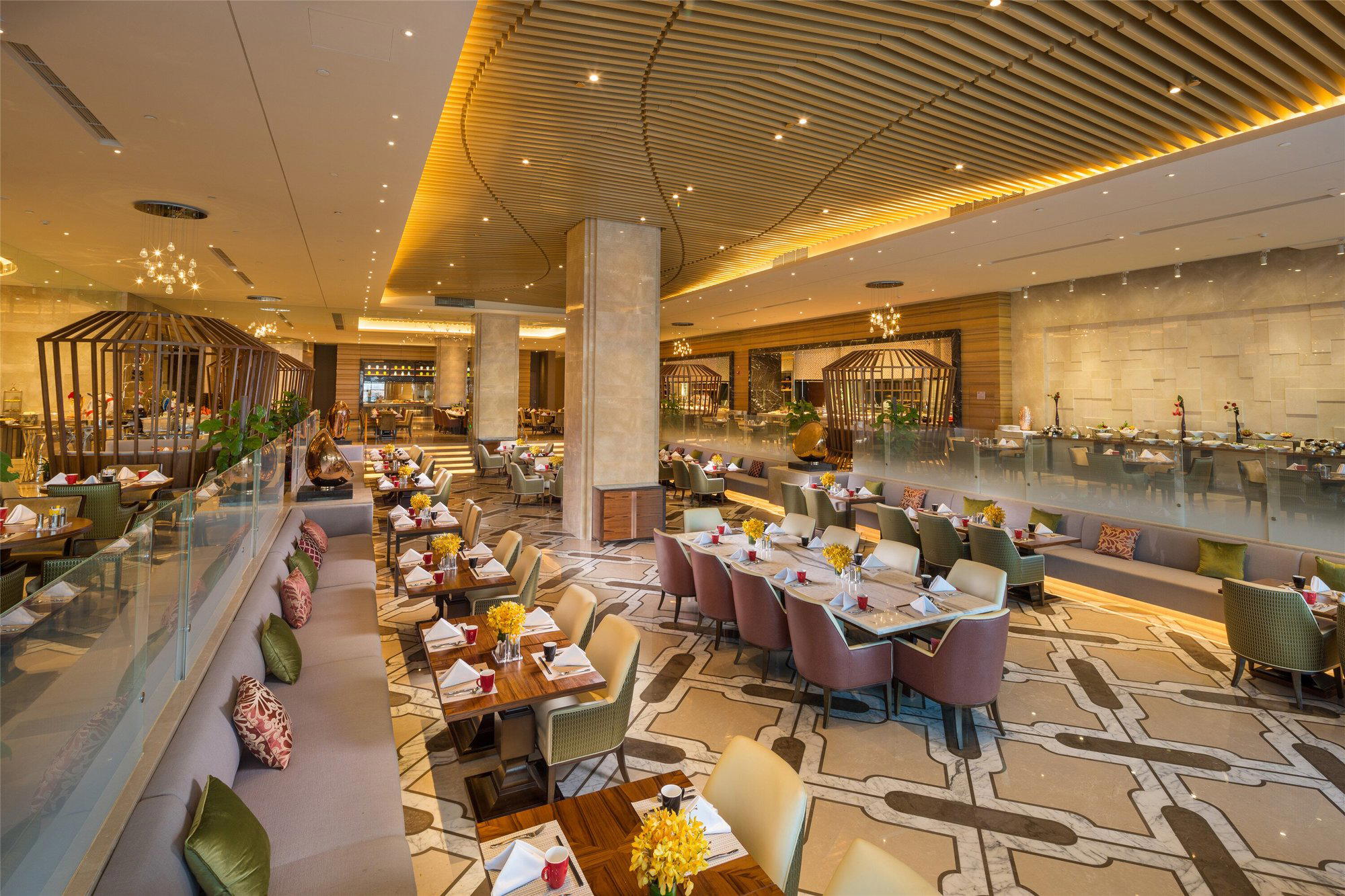
Arriving at an upper-floor restaurant in Urumqi changes the dining frame before the menu appears: the city is vertical, commercial and restless, with regional geography feeding a food culture shaped by everyday trade, travel and urban appetite. CENTRO belongs in that city register. Its setting places it in Urumqi, where daily commerce and destination dining overlap, so the meal should be read less as an isolated restaurant performance and more as one expression of how a regional city presents contemporary dining.
Urumqi is the real context for the table
Urumqi’s restaurant scene is shaped by a strong sense of place and by ingredients, formats and habits that carry local meaning. Rather than reducing the city to a narrow set of culinary assumptions, it is more useful to read its dining rooms through the way local supply, urban service and traveller demand meet. A restaurant such as CENTRO sits inside that logic, where the context around the meal can matter as much as any long explanation of the menu.
That matters because Urumqi dining can be flattened by outsiders into a few simplified expectations. In the city, the more interesting reading is broader: everyday restaurants, more polished rooms, local food traditions and hotel-style urban service all exist in close proximity. CENTRO’s usefulness for a traveller is its position inside that mix. It is not necessary to force the room into a single cuisine label when the city itself resists that kind of neat sorting.
For comparison within Urumqi, KIN gives another reference point for how the city’s higher-intent dining scene is being catalogued for travellers. The more useful comparison is not a rank order, but a question of format: which rooms translate local context into a polished setting, and which stay closer to everyday neighbourhood eating. For a wider read on the city, Our full Urumqi restaurants guide is the better planning layer.
The room belongs to a changing city-centre dining pattern
Urumqi is not Shanghai or Beijing, and judging it by coastal luxury-restaurant habits misses the point. The city’s dining culture is defined by its role as a regional crossroads and by a commercial centre that keeps pulling local eating habits into more formal rooms. CENTRO’s Urumqi placement makes sense in that pattern. It is the kind of venue that suits diners who want a more composed urban environment rather than only casual or everyday settings.
Public recognition should be read carefully and kept in proportion to what is actually documented for the venue. In cities with deep Michelin or 50 Best infrastructure, diners can lean on external badges. Urumqi requires a different method: look at location, category, city fit and how well a restaurant reflects its surroundings without turning them into a theme. On that basis, CENTRO is better approached as a window into contemporary Urumqi dining than as a trophy reservation.
China’s broader restaurant map helps frame that distinction. Coastal and capital-city dining rooms often sit in cities with more visible luxury-dining machinery, while regional addresses show how local food identities shift when they meet urban formats. Urumqi asks for the same kind of reading, but with the city’s own dining base doing the heavy lifting. CENTRO should therefore be understood less through borrowed prestige markers and more through how it fits Urumqi’s dining rhythm.
How to fold CENTRO into a Urumqi itinerary
For travellers, the smarter move is to pair a restaurant meal with a broader look at Urumqi’s food systems: everyday dining, market culture, casual restaurants and social spaces that show how the city eats beyond formal rooms. CENTRO then becomes part of a sequence rather than the whole argument. That sequencing is especially useful in a regional city where the meaning of a meal often depends on how it sits within daily life.
Planning should stay city-aware. Urumqi rewards travellers who leave time between meals, not because distances need dramatizing, but because the city’s scale, traffic and changing evening rhythm can affect a night out. Build the restaurant into a broader stay with Our full Urumqi hotels guide, then map drinking and after-dinner options through Our full Urumqi bars guide. For travellers extending the trip beyond restaurants, Our full Urumqi wineries guide and Our full Urumqi experiences guide give the wider regional frame.
The editorial verdict is simple: CENTRO is most interesting when treated as a Urumqi lens, not as a self-contained dining trophy. Go for what the city can teach through a contemporary room and the wider context around it. Readers comparing formats beyond China can also think more broadly about ingredient-led simplicity, where focused sourcing and format discipline matter more than decorative storytelling.
Frequently asked questions
Is CENTRO child-friendly?
CENTRO’s upper-floor setting in Urumqi makes it a city dining room rather than a casual family café. That usually suits older children more comfortably than a stroller-heavy meal.
What should I expect atmosphere-wise at CENTRO?
Expect an urban dining room in Urumqi rather than a destination venue built around a specific chef or tasting format. The experience is best understood through the room, the city and the broader dining context.
What part of town is CENTRO in?
Urumqi.
What's the best way to book CENTRO?
Use the venue’s own booking channel if one is offered, or confirm arrangements directly with the restaurant. Advance planning is sensible for a smoother arrival.
What's the defining dish or idea at CENTRO?
The defining idea is CENTRO’s position in Urumqi’s city dining circuit, not a named signature dish. Its identity is tied to the venue itself and to the city around it.
Can CENTRO accommodate dietary restrictions?
Those details are not published. Check the venue's official channels for the latest information before booking.
A Quick Peer Check
Comparable venues by cuisine and price in the same metro.
| Venue | Cuisine | Price |
|---|---|---|
| CENTROThis venue (the venue you are viewing) | Upscale Western restaurant in a luxury hotel | $30–50 |
Continue exploring
More in Urumqi
Hotels in Urumqi
All hotels in Urumqi →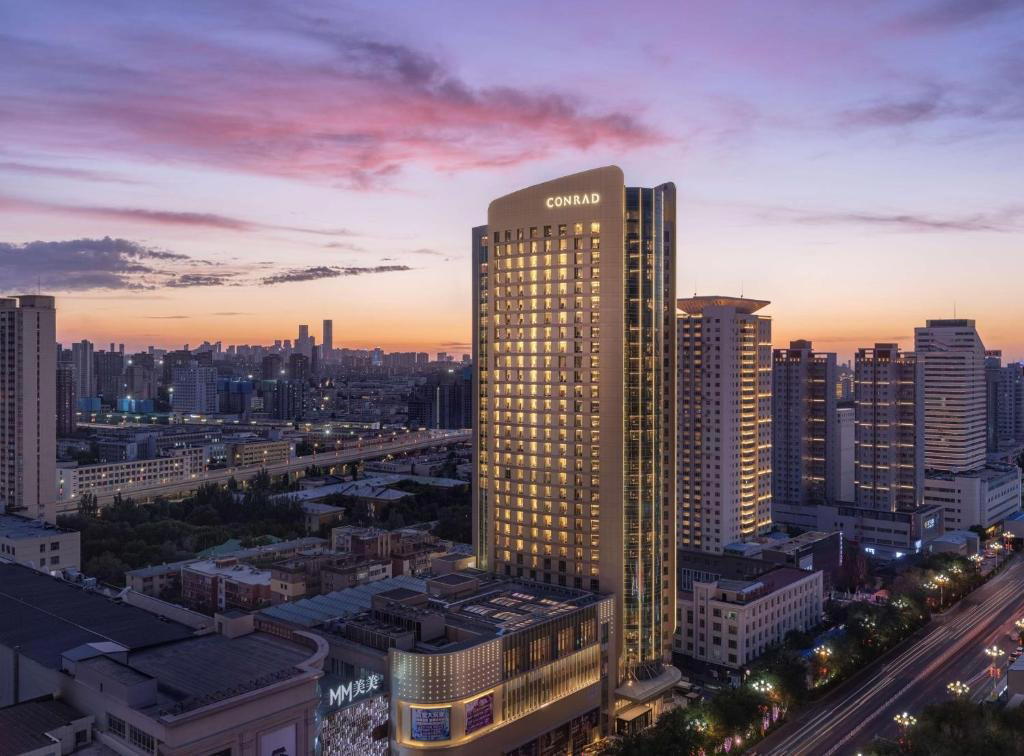
Details
- Elegant
- Modern
- Sophisticated
- Cozy
- Business Dinner
- Date Night
- Celebration
- Group Dining
- After Work
- Hotel Restaurant
- Private Dining
- Craft Cocktails
- A La Carte
- Cocktails
- Wine
- Beer
Guests describe a good, upscale environment with a luxurious Conrad-hotel feel, combining modern elegant decor with a comfortable, cozy atmosphere suitable for both special occasions and relaxed hotel dining.